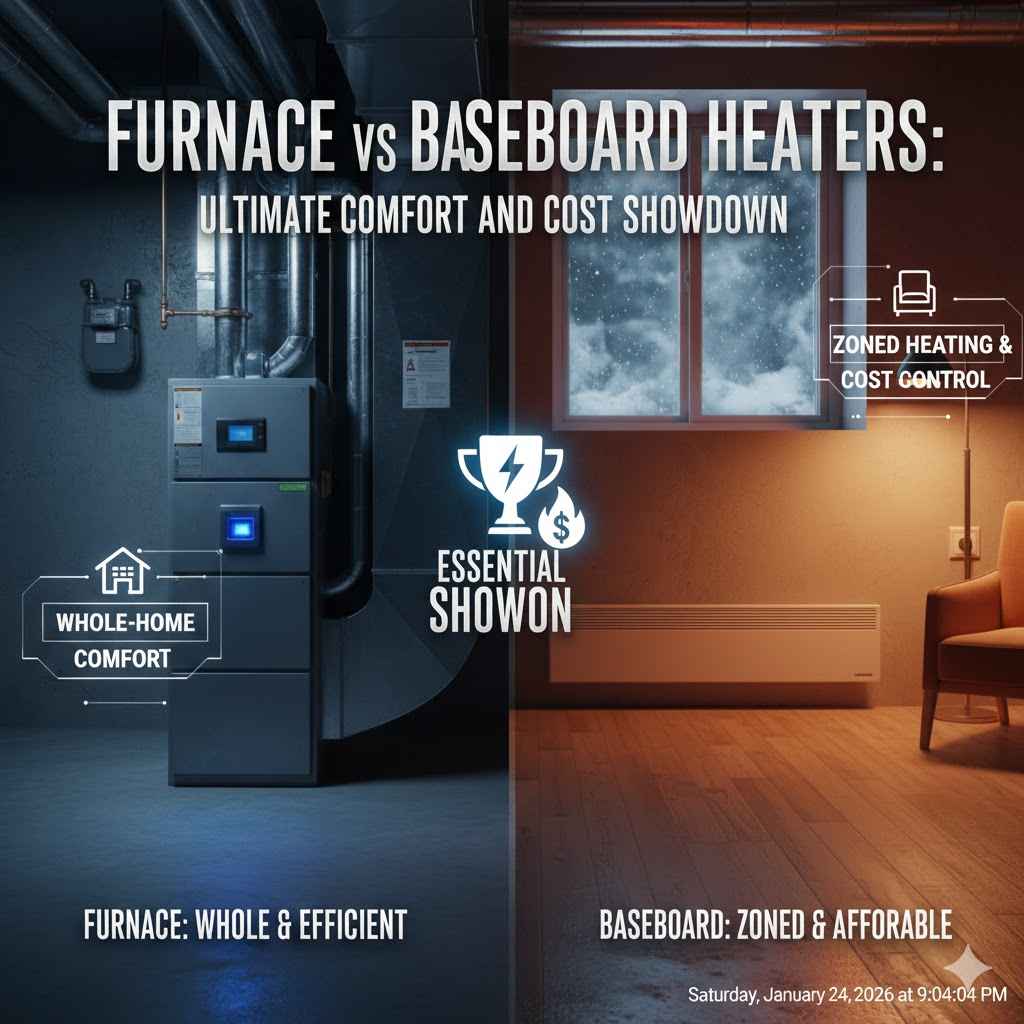
Furnace Vs Baseboard Heaters: Ultimate Comfort and Cost Showdown
Choosing the right heating system for your home can feel overwhelming. You want something efficient, cost-effective, and reliable to keep your space warm and cozy.
When it comes to heating options, two popular choices often stand out: furnaces and baseboard heaters. But which one is truly the best fit for your needs? You’ll discover the key differences, pros, and cons of each. By the end, you’ll feel confident making a decision that saves you money and keeps your home comfortable all winter long.
Keep reading—you won’t want to miss these essential insights!
Furnace Basics
Furnaces are a common heating choice in many homes. They warm up the entire house by pushing hot air through ducts. Understanding furnace basics helps you make a better decision for your heating needs.
Furnaces come in different types and use various fuel sources. Each type works slightly differently but aims to keep your home warm and comfortable.
How Furnaces Work
A furnace heats air using a burner or electric element. A blower then pushes this warm air through ducts. The warm air flows into rooms through vents. Cool air returns to the furnace to be heated again. This cycle repeats to keep your home warm.
Types Of Furnaces
There are two main types of furnaces: forced-air and electric. Forced-air furnaces use a blower to move warm air through ducts. Electric furnaces heat air using electric coils without burning fuel. Both types provide steady heat but differ in energy use.
Fuel Sources For Furnaces
Furnaces can run on natural gas, propane, oil, or electricity. Natural gas is common and usually affordable. Propane works well in rural areas without gas lines. Oil furnaces are less common but still used in some homes. Electric furnaces are clean but may cost more to run.

Baseboard Heater Basics
Baseboard heaters offer a simple way to warm up rooms. They fit along the bottom of walls, using heat to keep your space cozy. These heaters are quiet and don’t take up much room. Understanding how they work helps you decide if they suit your home.
How Baseboard Heaters Work
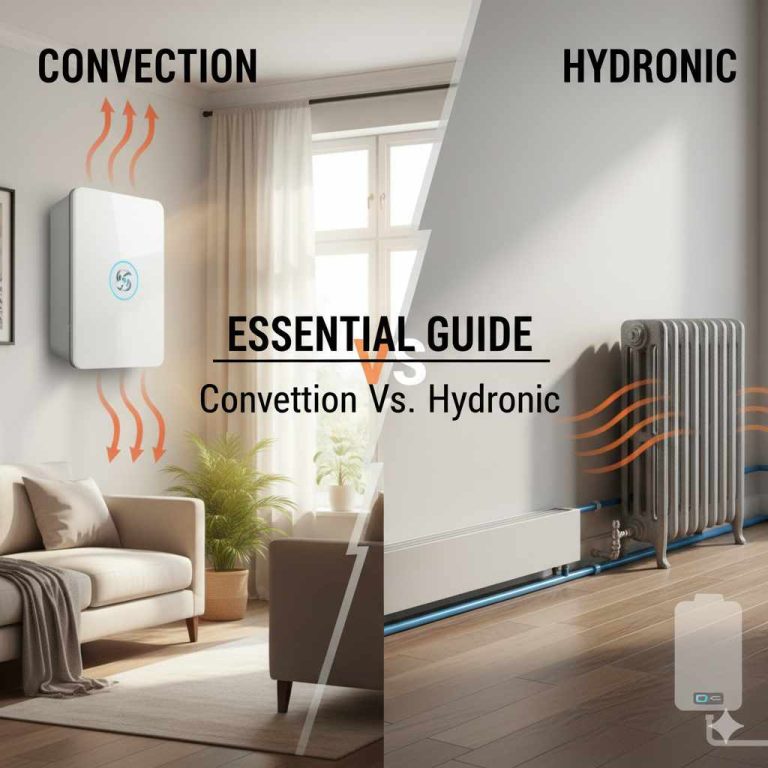
Baseboard heaters warm the air near the floor. Warm air rises naturally, spreading heat through the room. This process is called convection. The heater pulls cool air in, heats it, and pushes it out. This cycle repeats to keep the room warm.
Electric Vs. Hydronic Baseboards
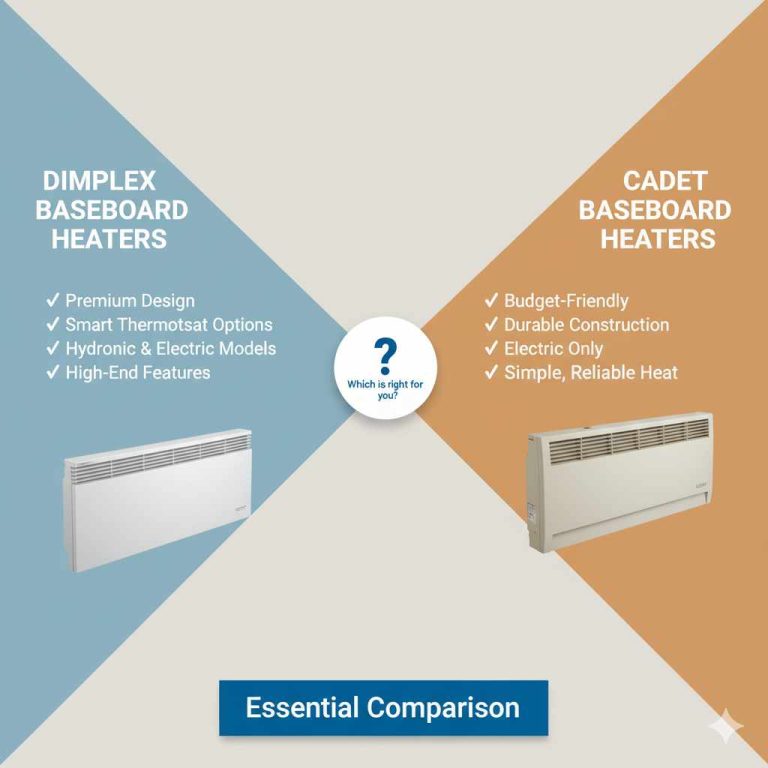
Electric baseboards use electric coils to create heat. They heat up quickly and are easy to control. Hydronic baseboards use hot water from a boiler. They stay warm longer and provide steady heat. Hydronic models often cost less to run but need more space.
Installation Considerations
Baseboard heaters are easy to install along walls. Electric models need an electrical connection nearby. Hydronic heaters connect to your home’s hot water system. Both need clear space around them for safety. Avoid blocking heaters with furniture or curtains.
Comfort Comparison
Comfort in a home depends a lot on the heating system used. Furnace and baseboard heaters each offer different types of comfort. Understanding these differences helps you choose the best option for your space. Let’s explore key comfort features.
Heat Distribution
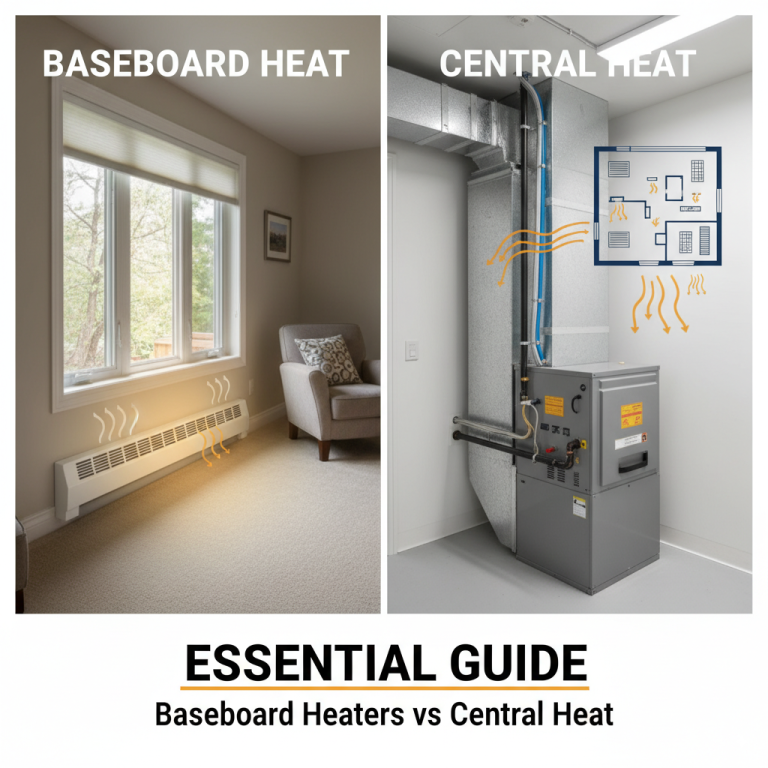
Furnaces push warm air through vents across rooms. This spreads heat evenly in larger areas. Baseboard heaters warm the air near the floor. The heat rises slowly, warming one room at a time. Furnaces suit whole-house heating better. Baseboards work well for small or single rooms.
Temperature Control
Furnaces often connect to a central thermostat. This keeps the whole house at one steady temperature. Baseboard heaters usually have individual controls for each unit. This allows different rooms to have different temperatures. Baseboards give more control but need manual adjustments. Furnaces maintain consistent warmth with less effort.
Noise Levels
Furnaces have fans that create some noise. This can be a soft hum or a gentle breeze sound. Baseboard heaters operate quietly because they use radiant heat. They make little to no noise during use. For quiet comfort, baseboards have an advantage. Furnaces are louder but the noise is often not disruptive.
Energy Efficiency
Energy efficiency plays a major role in choosing heating systems. It affects your bills, comfort, and the environment. Furnace and baseboard heaters use energy differently. Understanding these differences helps you pick the best option for your home.
Operating Costs
Furnaces usually have higher upfront costs but lower operating costs. They heat air quickly and spread warmth evenly. This makes them cheaper to run over time. Baseboard heaters cost less to buy. Yet, they use more electricity, which raises monthly bills. Their slow heat means they run longer.
Energy Consumption
Furnaces burn fuel like gas or oil. They convert most fuel into heat, making them efficient. Baseboard heaters use electric resistance to create heat. This process wastes more energy than fuel burning. Electric baseboards can cause higher electricity use. Furnaces also work well with programmable thermostats to save energy.
Environmental Impact
Furnaces that use natural gas emit fewer greenhouse gases than electric heaters powered by coal-based electricity. Baseboard heaters run on electricity, which may come from non-renewable sources. This can increase your carbon footprint. Choosing a furnace with clean fuel lowers pollution. Electric baseboards paired with green energy reduce environmental harm.
Installation And Maintenance
Choosing between a furnace and baseboard heaters involves thinking about installation and maintenance. These factors affect how much time and money you spend now and later. Understanding the differences helps you pick the best heating option for your home.
Installation Complexity
Furnaces need ductwork or piping, which can be tricky to install. This process may require cutting walls or floors. Professional help is often necessary to ensure safety and efficiency. Baseboard heaters are easier to install. They mount on walls and connect to the electrical system or hot water pipes. This makes them a simpler choice for many homes.
Maintenance Requirements
Furnaces require regular checks and cleaning to work well. Filters need changing every few months. Technicians should inspect the system yearly to prevent problems. Baseboard heaters need less care. Electric versions only need dusting and occasional checks. Hydronic baseboards require system flushing and checking for leaks. Both need some attention but baseboards usually need less work.
Lifespan And Durability
Furnaces typically last 15 to 30 years with good care. Their parts can wear out and may need replacement. Baseboard heaters can last 20 to 30 years. Electric baseboards tend to be very durable. Hydronic baseboards last long but need the boiler maintained too. Both systems offer long-term heating but depend on proper upkeep.
Cost Analysis
Cost plays a big role in choosing between a furnace and baseboard heaters. It affects your budget now and in the future. Understanding the costs helps you pick the best heating option for your home.
Upfront Costs
Furnaces usually cost more to buy and install. The price depends on the size and type of furnace. Installation needs a professional, adding to the cost.
Baseboard heaters are cheaper to buy. They are easier to install and can be done by homeowners. This lowers the initial expense.
Long-term Expenses
Furnaces use fuel like gas or oil. These fuels have ongoing costs that can add up. Maintenance and repairs are also needed over time.
Baseboard heaters run on electricity. Electric rates vary, but these heaters often cost less to maintain. They have fewer parts that can break.
Potential Savings
High-efficiency furnaces save money on fuel bills. They heat large spaces faster and use less energy. This can reduce monthly costs.
Baseboard heaters save energy by heating rooms individually. You pay only for the rooms you use. This can lower your electricity bill.
Best Use Cases
Choosing between a furnace and baseboard heaters depends on the best use case for your space and needs. Each heating option works well in certain settings and climates. Understanding these differences helps you pick the right system for comfort and efficiency.
Ideal Settings For Furnaces
Furnaces work best in larger homes or buildings. They heat air quickly and distribute it through ducts. Spaces with multiple rooms benefit from a furnace system. It keeps the temperature even throughout the house. Furnaces also suit homes with higher ceilings. They can maintain warmth better in open areas.
Ideal Settings For Baseboard Heaters
Baseboard heaters fit well in smaller rooms or apartments. They provide direct heat along walls, warming the room gently. These heaters work great in spaces without ducts or central heating. Baseboard systems are easy to install in older homes. They offer quiet operation and individual room control.
Regional Climate Considerations
Furnaces are ideal in colder climates with long winters. They deliver strong, consistent heat to combat freezing temperatures. Baseboard heaters suit milder climates where heating needs are less intense. They provide enough warmth during brief cold spells. Climate plays a key role in choosing the right heater type.
Safety Factors
Safety is a key factor when choosing between a furnace and baseboard heaters. Both systems have risks that users should know. Understanding these risks helps keep your home safe and warm.
Common Risks
Furnaces may cause gas leaks or carbon monoxide buildup. These can be dangerous if not detected early. Baseboard heaters can become very hot and cause burns. They may also start fires if flammable items are too close.
Safety Features
Most modern furnaces include safety features like automatic shut-off valves. Carbon monoxide detectors are essential near furnace areas. Baseboard heaters often have built-in temperature controls. These stop the heater from overheating and reduce fire risk.
Maintenance For Safety
Regular maintenance keeps both systems safe and efficient. Furnaces need yearly inspections and filter changes. Check vents and ducts for blockages or leaks. Baseboard heaters should be cleaned and checked for dust. Keep furniture and curtains away from the heaters.

Frequently Asked Questions
What Are The Main Differences Between Furnace And Baseboard Heaters?
Furnaces heat air and distribute it through ducts, offering quick, whole-house warmth. Baseboard heaters use electric or hot water to warm rooms individually, providing quieter, localized heat.
Which Heating System Is More Energy-efficient, Furnace Or Baseboard?
Furnaces generally use less energy for whole-home heating due to central air distribution. Baseboard heaters can be efficient in small spaces but may cost more to run for large areas.
Can Baseboard Heaters Replace A Furnace Completely?
Baseboard heaters can replace furnaces in small homes or rooms. However, for whole-house heating, furnaces are typically more effective and cost-efficient.
How Do Installation Costs Compare Between Furnaces And Baseboard Heaters?
Furnace installation usually costs more due to ductwork and equipment. Baseboard heaters have lower upfront costs and simpler installation, ideal for smaller spaces or additions.
Conclusion
Choosing between a furnace and baseboard heaters depends on your needs. Furnaces heat large spaces quickly and evenly. Baseboard heaters work well in small rooms and offer quiet warmth. Consider your budget, space size, and energy use. Both options keep you warm during cold months.
Think about installation and maintenance too. Each has its strengths for different homes. Make a choice that fits your comfort and cost. Warmth is important. Choose wisely for your home’s best heat.