Best Heat Pump Hot Water Heaters for Efficient Homes 2026 Guide
Finding The Right Heat Pump Hot Water Heater
Running out of hot water during your morning routine or noticing a spike in your energy bills can be frustrating. Many people face these issues when their water heater isn’t quite the right fit for their home or lifestyle.
Choosing a heat pump hot water heater can be tricky. There are many options that vary in size, efficiency, and installation requirements. Some models focus on energy savings, while others prioritize quick hot water delivery or ease of installation. Balancing these factors without overpaying or ending up with a system that doesn’t meet your needs can feel overwhelming.
This guide will help you understand the key points to consider when selecting a heat pump hot water heater. It aims to simplify the decision process so you can find a product that fits your household’s demands and budget.
What Matters Most When Choosing A Heat Pump Water Heater
Think about how much hot water your household uses at peak times. Larger families or homes with multiple bathrooms may need a unit that delivers more hot water quickly. Efficiency ratings are also important since heat pump water heaters can save energy but often require certain conditions to perform best. Installation space and electrical requirements can limit your options, so keep those in mind early on.
Common Pitfalls To Avoid
One frequent mistake is underestimating hot water needs, leading to a heater that runs out too fast. Another is ignoring the space and power demands of the unit, which can cause installation headaches or extra costs. It’s also easy to get caught up in technical specs rather than focusing on what fits your daily routine and home setup.
By focusing on your actual needs rather than just features or price alone, you can avoid these common issues.
Below, you’ll find a carefully chosen selection of heat pump hot water heaters. They vary in capacity, technology, and price to suit different situations. This range reflects practical choices for a variety of homes and preferences, making it easier to find the right match for you.
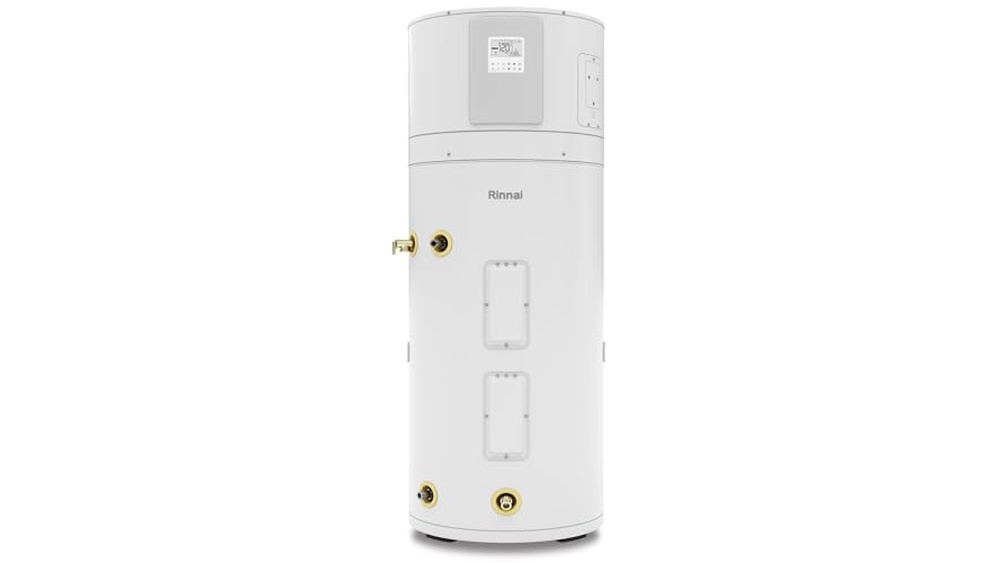
Rinnai 80-gallon Electric Heat Pump
Among the Best Heat Pump Hot Water Heaters, the Rinnai 80-Gallon model stands out for large households needing reliable, energy-efficient hot water delivery.

The Rinnai 80-Gallon Electric Heat Pump Water Heater is designed for residential use, delivering consistent hot water by extracting heat from the air around it. Its energy-efficient design, certified by Energy Star, helps reduce electricity bills while supporting larger households with its high first-hour delivery capacity.
Using this heater means fewer worries about running out of hot water during peak times, thanks to its demand-response feature and reliable glass-lined steel tank. Installation is straightforward, and the unit’s size and quiet operation make it fit comfortably in many home utility spaces.
Key Benefits for Homeowners
- Energy Star certification ensures lower energy costs and environmental impact.
- Generous 91-gallon first-hour delivery suits families of five or more.
- Demand-response enabled to cut costs during peak utility hours.
- Durable glass-lined steel tank with a 10-year warranty provides long-term reliability.
- Simple installation with standard inlet/outlet connections and zero clearance needed.
- Operates on common 240V/30A electrical setup for residential compatibility.
Considerations Before Buying
- Large size and weight (270 pounds) require adequate installation space and support.
- Higher initial cost compared to smaller or less efficient water heaters.
- Not Prime-eligible, which may affect shipping speed and options.
Who This Fits Best
This model is ideal for larger households with high hot water demand that want to reduce energy expenses while maintaining steady supply. It removes the stress of running out of hot water during busy mornings or evenings.
To maximize efficiency, ensure your installation area allows for proper ventilation as it extracts heat from ambient air. Its reliability and warranty provide peace of mind, making it a solid choice for anyone wanting a long-term water heating solution. I appreciate how it balances size and performance without complicated setup.
| Best for | Why |
|---|---|
| Large families | Provides up to 91 gallons of hot water per hour to meet high demand |
| Energy-conscious homeowners | Energy Star certification and high UEF reduce electricity usage and costs |
| Homes with variable electricity rates | Demand-response technology helps save money during peak utility hours |
| Those seeking durability | Glass-lined steel tank with a decade-long warranty ensures lasting performance |
Watts Heat H2o Recirculation System
Among the Best Heat Pump Hot Water Heaters, this Watts system delivers instant hot water while saving water and energy efficiently.

The Watts Heat H2O Recirculation System is designed to provide instant hot water at every faucet or shower by using thermal bypass technology. It helps reduce water waste by pushing cooled water back to the heater, allowing hot water to arrive within seconds without needing a return line or extra electricity. This system is ideal for homes with traditional water heaters rather than tankless models.
Using this system means less waiting and no more running faucets to get hot water, which saves both time and water bills. Installation is straightforward for DIY enthusiasts, and once set up, it runs quietly and requires no ongoing maintenance, giving you peace of mind and reliable performance.
Key Benefits for Hot Water Convenience
- Instant hot water delivery at all faucets and showers
- Reduces water waste by up to 15,000 gallons annually
- Easy DIY installation without need for a return line
- Programmable timer for customized operation times
- Quiet and energy-efficient pump design
- Comes complete with pump, adapters, sensor valve, and supply lines
- Backed by a 3-year warranty from Watts Premier
Considerations Before Buying
- Not compatible with tankless water heaters
- Requires a 120V power source near installation point
- The pump adds slight weight and size to your plumbing setup
Who This Works Best For
This system suits homeowners with traditional tank-style water heaters who want to reduce water waste and enjoy instant hot water without professional installation. It removes the hassle of waiting for hot water and guessing when to turn on taps, saving money and water over time.
To get the best results, set the programmable timer to match your household’s peak water usage times, ensuring hot water availability when you need it most while conserving energy during off-hours. Its reliability and quiet operation provide peace of mind, making daily routines smoother.
| Best for | Why |
|---|---|
| Homes with tank water heaters | Designed to work with traditional tanks, not tankless models |
| Water-conscious households | Saves up to 15,000 gallons annually by reducing water waste |
| DIY installers | Includes all parts and supports easy installation without plumbing changes |
| Busy families | Programmable timer ensures hot water during peak use times for convenience |
Aciq 50 Gallon Hybrid Water Heater
Among the Best Heat Pump Hot Water Heaters, this ACiQ model delivers efficient hot water with hybrid technology, ideal for indoor residential use.

This electric hybrid hot water heater from ACiQ provides a 50-gallon tank capacity with heat pump technology that uses much less energy than traditional heaters. It’s designed for indoor installation in areas with stable temperatures, making it a solid solution for residential basements or garages.
Using this heater means consistent hot water supply for 3–5 people, with a quick recovery rate of 69 gallons in the first hour. Its quiet operation and energy efficiency offer peace of mind and lower utility bills while ensuring comfort in daily use.
Key Advantages for Home Use
- Hybrid technology with a 3.75 UEF rating for energy-efficient heating.
- Ideal for indoor spaces with stable temperatures above 37°F.
- Quiet operation suitable for residential environments.
- Quick recovery providing 69 gallons of hot water in the first hour.
- Good capacity for households of 3 to 5 people.
- Requires proper air circulation (700–1,000 cubic feet) for optimal performance.
Considerations Before Buying
- Not suitable for unheated spaces or areas prone to freezing temperatures.
- Requires adequate ventilation and drainage space for installation.
- Higher upfront cost compared to standard electric water heaters.
When This Model Makes the Most Sense
This ACiQ hybrid water heater is best for homeowners who want to lower energy consumption without sacrificing hot water availability. It removes the hassle of frequent heating delays thanks to its hybrid system’s quick recovery.
To get the most from this unit, ensure it is installed in a well-ventilated indoor space above 37°F, such as a basement or garage. This setup maximizes efficiency and longevity, providing reliable hot water with minimal surprises.
For those who value quiet operation and energy savings in a mid-sized household, this heater strikes a good balance of performance and practicality.
| Best for | Why |
|---|---|
| Indoor basements or garages | Stable temperature environment ensures optimal heat pump operation. |
| Households of 3–5 people | Tank size and recovery rate match typical daily hot water needs. |
| Energy-conscious homeowners | Hybrid technology reduces electricity use compared to traditional heaters. |
| Users seeking quiet appliances | Low noise design fits well in residential settings without disturbance. |
Key Considerations For Choosing A Water Heater System
Energy Efficiency vs. Usage Needs
Consider how much hot water your household consumes daily. Larger homes with multiple occupants benefit from higher first-hour delivery capacities, while smaller homes may prioritize energy efficiency. Hybrid heat pump models offer a balance by using less electricity but may require specific installation conditions.
Installation Location and Space
Think about where the unit will be installed. Heat pump water heaters generally require indoor spaces with adequate air circulation and clearance for optimal performance. Recirculation systems often need simple plumbing adjustments and can fit under sinks.
Compatibility with Existing Systems
Check whether the system suits your current plumbing and electrical setup. Some systems are incompatible with tankless water heaters or require specific voltage and amperage ratings. Confirm these details before purchasing.
Common Buyer Concerns
Noise Levels
Heat pump water heaters may produce a low humming sound during operation. Recirculation pumps are designed to be quiet but check product specifications if noise sensitivity is a priority.
Maintenance Requirements
Regular maintenance varies by system. Heat pump units may need periodic filter cleaning, while recirculation systems generally require minimal upkeep after installation.
Water Conservation
Recirculation systems can significantly reduce water waste by delivering instant hot water, which is a useful feature for environmentally conscious buyers or those looking to lower water bills.
Setup And Usage Tips
Installation Environment
For heat pump water heaters, ensure the installation location maintains a stable temperature above freezing and allows sufficient airflow. Avoid unheated spaces that might cause efficiency loss or damage.
Using Programmable Features
Utilize built-in timers or demand-response capabilities to optimize energy savings. Setting the operation according to peak usage times helps reduce electricity costs.
Regular Checks
Inspect connections and valves periodically for leaks or wear. Follow manufacturer guidelines to maintain warranty coverage and system longevity.
Frequently Asked Questions
Can I install a heat pump water heater in a cold basement?
It is generally not recommended. These units perform best in spaces with stable temperatures above 37°F to operate efficiently.
Is a hot water recirculation system compatible with tankless water heaters?
Most recirculation systems are designed for traditional tank water heaters and may not work properly with tankless units.
How much can I expect to save on energy bills with these systems?
Savings vary by usage and local rates, but heat pump water heaters typically use less electricity than conventional electric models, and recirculation systems reduce water waste significantly.
Do these systems require professional installation?
Some models are designed for easy DIY installation, especially recirculation pumps, but heat pump water heaters often require professional setup due to electrical and plumbing requirements.
What is the typical lifespan of these water heaters?
With proper maintenance, heat pump water heaters can last 10–15 years, while recirculation systems have fewer components and may have different longevity depending on usage.
Final Thoughts On Selecting Your Water Heating Solution
Choosing the right water heating system involves balancing your household size, energy preferences, and installation environment. Understanding your daily hot water needs and the specific features of each system can help you find a solution that provides comfort and efficiency over time. Taking the time to evaluate these factors leads to a more informed and confident decision.