Wall Heater vs Baseboard Heater: Which Saves More Space?
A wall heater usually leaves more usable space because it mounts high on a wall. A baseboard heater can use about 6 to 12 inches of low wall and needs a long, clear run. Miss that layout tradeoff, and you can lose furniture placement, door swing clearance, or the only wall space that fits a bed or desk. This guide compares floor space, wall space, and room layout so you can choose the better fit.
How each heater affects room layout
| Decision factor | Wall heater | baseboard heater | Winner |
|---|---|---|---|
| Usable wall length | Uses a smaller section of wall and can sit above furniture zones. | Typically runs low on the wall and often takes a long uninterrupted span. | Wall heater |
| Furniture placement | Often leaves low wall space free for a bed, dresser, desk, or chair rail area. | Needs open space above and in front, so furniture placement is tighter. | Wall heater |
| Clearance sensitivity | Needs safe mounting height and electrical clearance around the unit. | Needs open space above and in front for airflow; blocking it hurts performance. | Wall heater |
| Heat behavior tied to layout | May be fan-forced or Convection heating-based, so placement affects both airflow and noise. | Uses passive convection, which depends on an open circulation path. | tie |
| Best fit for narrow rooms | Usually better when wall length is tight. | Works best when a long open wall is already available. | Wall heater |
Usable wall length
Wall heater usually wins here because it takes a smaller patch of wall and can go where floor-level furniture does not need to sit. That matters in bedrooms, hallways, and remodels where every low section of wall has a job.
Furniture conflicts
baseboard heater needs a clear strip of wall and open air around it. If a sofa, bed frame, bookshelf, or desk reaches that same wall, the heater starts competing with the room plan instead of fitting into it.
Clearance and airflow
Both options need clearance, but baseboard heating is more sensitive to blocked airflow because it depends on warm air rising. Wall heaters still need safe mounting height and space around the unit, yet they usually leave more of the room’s low wall available. Always verify the installation manual for the exact model-specific clearance requirements; general airflow rules do not replace them.
Heat movement and room shape
Convection heating works by heating air near the unit. That air rises, pulls cooler air in, and keeps moving through the room. Long low obstructions get in the way. In passive systems, that circulation is what moves heat without a blower, while fan-forced models push warm air sooner and can feel quicker to the room.
Wall heater vs baseboard heater decision table
| Room scenario | Required clearances | Likely furniture conflicts | Preserves more usable wall and floor space |
|---|---|---|---|
| Under-window wall | Baseboard heater needs open space above it and in front; wall heater needs a safe mounting height and room for airflow. Always verify the installation manual because the exact clearance is model-specific, while the airflow rule is general. | Window treatments, low tables, and furniture backs can block the baseboard run. | Wall heater if the wall below the window must stay open for furniture; baseboard heater if the full under-window stretch can remain clear. |
| Narrow bedroom | Wall heater needs electrical clearance and mounting space high on the wall; baseboard heater needs a long uninterrupted low wall. | Bed, nightstand, and dresser placement often consume the low wall first. | Wall heater |
| Hallway | Wall heater needs a safe height above traffic; baseboard heater needs a clear run that does not get hit by bags or boots. | Hall traffic, coat hooks, and console storage tend to crowd the lower wall. | Wall heater |
| Furniture-heavy living room | Wall heater can sit above seating zones; baseboard heater needs open circulation space along the wall. | Sofa backs, media units, and side tables often block baseboard placement. | Wall heater |
| Addition or basement | Wall heater needs suitable wiring and safe mounting; baseboard heater needs a long open wall, often below windows. | Built-ins, utility access, and short wall segments limit baseboard runs. | Wall heater |
How each heater uses wall space
Hydronic versions and baseboard heater footprint and clearance
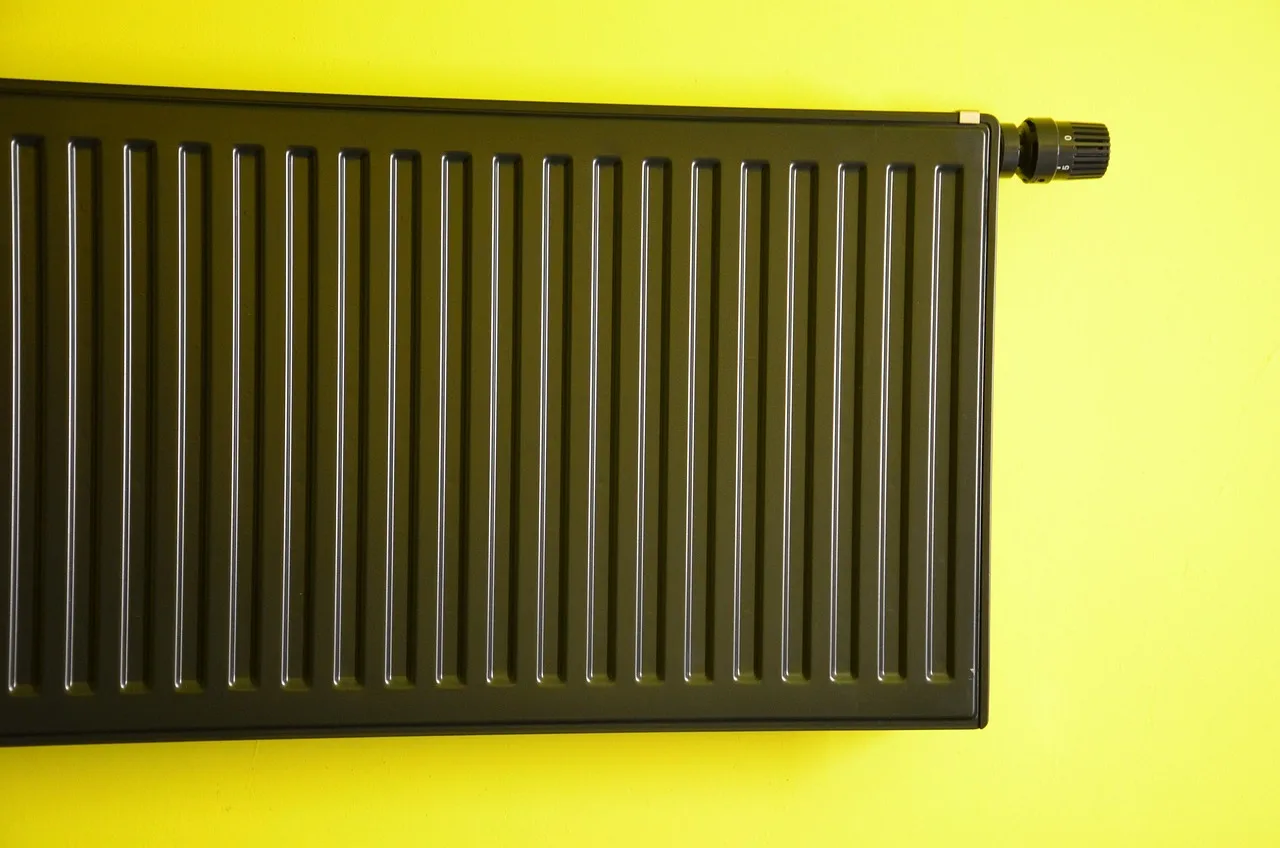
Baseboard heater is a low-profile wall-mounted unit, usually installed below windows. Electric versions are usually hardwired and often use about 120, 208, or 240 volts; hydronic versions use heated water and may hold warmth after shutoff. In common sizes, baseboards are typically about 3 to 10 feet long and about 4 inches wide.
That long profile is why baseboard heat works well on a wall that would otherwise stay empty. It is also why it can be awkward in a furnished room: the heater wants the long open wall, and the room wants that same wall for furniture placement.
Wall heater placement and mounting height
Wall heater comes in recessed or surface-mounted forms and can be fan-forced or convection-based. Because it mounts higher on the wall, it usually frees the lower portion for furniture and storage. The tradeoff is simple: you gain floor-level flexibility, but you still need to respect electrical clearance and safe mounting height.
A common first-timer mistake is choosing the smallest heater body and ignoring the room layout around it. A compact wall heater can still block a door swing or sit too close to a shelf if the mounting spot was chosen only by size, not by function.
How do you choose between wall heater and baseboard heater?

Choose by the wall you actually have, not by the heater that looks smaller on paper. In most small rooms, the question is whether you can spare a long low wall or whether the layout needs that wall for furniture, circulation, or both. A bedroom and a hallway usually reward the more flexible mounting option, while an open under-window run can suit baseboard heat well.
-
Check the long wall first.
Measure the longest uninterrupted wall segment and note whether it sits under a window. If that stretch can stay open, baseboard heater has a real chance to fit without taking useful room layout away. -
Map furniture and door swings.
Mark beds, desks, sofas, storage, and opening doors on the wall line. If the lower wall already has a job, wall heater usually preserves more usable space because it can move higher. -
Match the heater to the clearance path.
If air must rise through a clear low wall, use baseboard heater only where nothing will block it. If the room needs a compact heater that leaves the floor and low wall open, wall heater is the better fit.
Under-window wall
Under a window, baseboard heater can work well because that location often fights cold down drafts. The catch is that the full run below the window must stay open. If the sill height, trim, or furniture makes that impossible, wall heater usually preserves more usable space.
Narrow bedroom
Wall heater is usually the better fit in a narrow bedroom because low wall space disappears fast once a bed, nightstand, and dresser are planned. A baseboard unit may fit physically, but it can take the very stretch of wall you need for furniture.
Hallway
Hallways are space-sensitive because people, bags, and doors already compete for the same strip of wall. A wall heater mounted high often creates fewer layout conflicts than a baseboard heater running along the lower wall.
Furniture-heavy living room
Wall heater usually wins here because the room already has couches, media units, and side tables that want the low wall. Baseboard heater can still work if one long wall stays open, but that is less common in a furnished living room.
Addition or basement
In additions and basements, wall heater often fits better when the wall plan is irregular or when a long under-window run is not available. Baseboard heater can still be a good choice if the room has one clear exterior wall and the furniture can stay away from it.
Do wall heaters need less clearance?
Usually yes, but the difference is about function as much as size. Wall heater can often sit where furniture would not naturally go, while baseboard heater needs a low open strip for airflow. If you only compare the box dimensions, you miss the clearance space that decides the room layout.
Which is quieter?
Baseboard heater is usually quieter because it relies on passive convection and has no fan noise. A fan-forced wall heater can move heat faster, but the fan adds sound. If silence matters in a bedroom or nursery, the quieter choice is usually the passive option, assuming the room layout can support it.
Which is safest with kids or pets?
Wall heater is often safer when mounted correctly because it sits higher and is harder for children or pets to touch. Baseboard heater is lower, so it is easier to reach and easier to block with toys, bedding, or pet beds. In either case, safe placement and the correct installation manual matter most.
Can you replace baseboard heat with a wall heater?
Sometimes, yes. If the room has the right wiring, mounting space, and breaker capacity, a wall heater can replace baseboard heat and free the low wall. The practical question is not just whether the heater fits, but whether the room can handle the electrical load and the new mounting location.
How do you choose for a bedroom vs hallway?
For a bedroom, choose the heater that protects the headboard wall, nightstand space, and door swing. For a hallway, choose the one that keeps traffic clear and stays out of the way. Bedrooms usually benefit from a higher mount or a quieter unit; hallways usually benefit from the smaller visual and physical footprint.
Airflow and clearance around baseboard heaters
Baseboard heating depends on passive convection, so it needs open space above it for air to rise. Blocking that path reduces efficiency and can create a safety issue. Electric baseboard heater is often near-silent, may use a separate thermostat, and commonly includes overheat shutoff, but it still needs the same open circulation path.
Airflow and clearance around wall heaters
Wall heater still needs safe mounting height and enough clearance around the unit, especially with fan-forced models. The advantage is placement flexibility: you can often place it higher, away from furniture runs that would be lost to a baseboard heater.
What happens when furniture blocks either unit
Blocking either heater is a bad layout choice. With baseboard heater, the airflow path is the bigger issue, so a sofa or bed frame in front of it can cut performance and create heat buildup. Wall heater is less likely to be blocked by furniture if mounted correctly, but shelves or curtains too close to the unit still create a problem.
Suppose a 10-foot bedroom wall sits below a window, and the bed must use that wall for the headboard. A baseboard heater would take the same low strip the bed needs, while a wall heater mounted higher leaves the furniture plan intact. One wall, two different outcomes.
Picture a basement office with one long exterior wall and no built-ins. If that wall can stay open under the window, baseboard heater may fit neatly and preserve floor space; if the desk must run along that same wall, wall heater is the cleaner layout choice.
Choose Wall heater if… / Choose baseboard heater if…
Wall heater is the better pick when wall length is tight, furniture placement is the bigger constraint, or you need to keep the low wall free for a bed, desk, or sofa. baseboard heater is the better pick when you have a long uninterrupted under-window wall that can stay clear and you want a low-profile unit that blends into that run.
- Choose Wall heater if… the room is narrow, the low wall is already spoken for, or you need to keep floor-adjacent wall space open.
- Choose Wall heater if… you are heating a hallway, bedroom, or addition where a compact mounting spot matters more than a long wall run.
- Choose baseboard heater if… the room has a long open wall below a window and you can leave that area clear.
- Choose baseboard heater if… you want a simple zone heater and the furniture plan will not crowd the heater’s airflow path.


Frequently asked questions
Which saves more space, a wall heater or a baseboard heater?
A wall heater usually saves more usable space because it can mount higher and leave the low wall open for furniture. A baseboard heater can fit neatly in a room with a long clear wall, but it takes a longer strip of wall and needs open space above and in front for airflow.
How much wall clearance does a baseboard heater need?
There is no single number for every model, but the key rule is the same: baseboard heater needs open space above it and in front of it. If furniture, drapes, or trim block that air path, performance drops and the heater becomes a poor fit for the room layout.
Can I put furniture in front of a baseboard heater?
No. Furniture in front of a baseboard heater blocks airflow and can reduce efficiency. It can also create a safety problem because the unit depends on an open circulation path. If the wall needs to hold a sofa, bed, or desk, wall heater is usually the safer layout choice.
Are wall heaters better for small rooms than baseboards?
Often yes, especially when the room is narrow or the only usable wall is already needed for furniture. Wall heater is easier to place out of the way, while baseboard heater works best when a long open wall is available. Small rooms usually need the more flexible option.
Do wall heaters heat faster than baseboard heaters?
Sometimes, but not always. Fan-forced wall heater can heat a room faster than a passive baseboard heater, while convection-based wall heater behaves more like baseboard heating. For layout decisions, heat speed matters less than whether the unit fits without stealing the wall you need.
Are wall heaters and baseboard heaters the same thing?
No. They both mount on a wall, but they are not the same product. Baseboard heater is long, low, and usually placed below windows, while wall heater is compact and can sit higher on the wall. Their clearance needs and room-layout effects are different.