Comparison of Heat Pump vs Space Heaters: Essential Guide
Choosing between a new heat pump and a trusty space heater can feel complicated, but it doesn’t have to be. For most homeowners seeking efficient, whole-home warmth versus quick, targeted heat, the right choice offers better comfort and lower bills. This guide breaks down the true costs, setup, and efficiency of both systems so you can pick the perfect solution for your home today.
Welcome! I’m Tanim, and my goal is to make heating your home simple, safe, and smart. Ever stood in the chill, wondering whether to invest in a fancy new heat pump or just plug in another small heater? You are not alone. This decision impacts your comfort all winter long and, most importantly, your monthly energy bill. It often seems like a choice between a big commitment (the heat pump) and quick relief (the space heater).
Forget the confusing jargon. We are going to look closely at how these two heating methods work, side by side. We’ll compare installation hassles, energy use, and how much cozy warmth you actually get for your dollar. By the end of this guide, you will have the confidence to choose the heating plan that best fits your home and budget. Let’s unlock the secrets to staying toasty warm!
Understanding the Basics: Heat Pump vs. The Mighty Space Heater
Before we compare features, let’s make sure we know exactly what we are looking at. These two systems operate on fundamentally different principles.
What Exactly is a Space Heater?
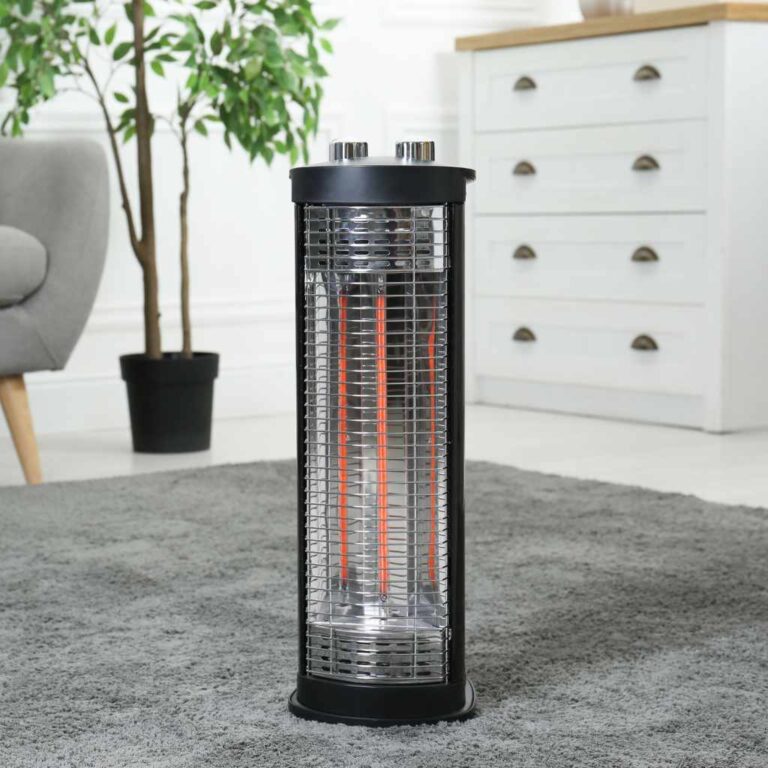
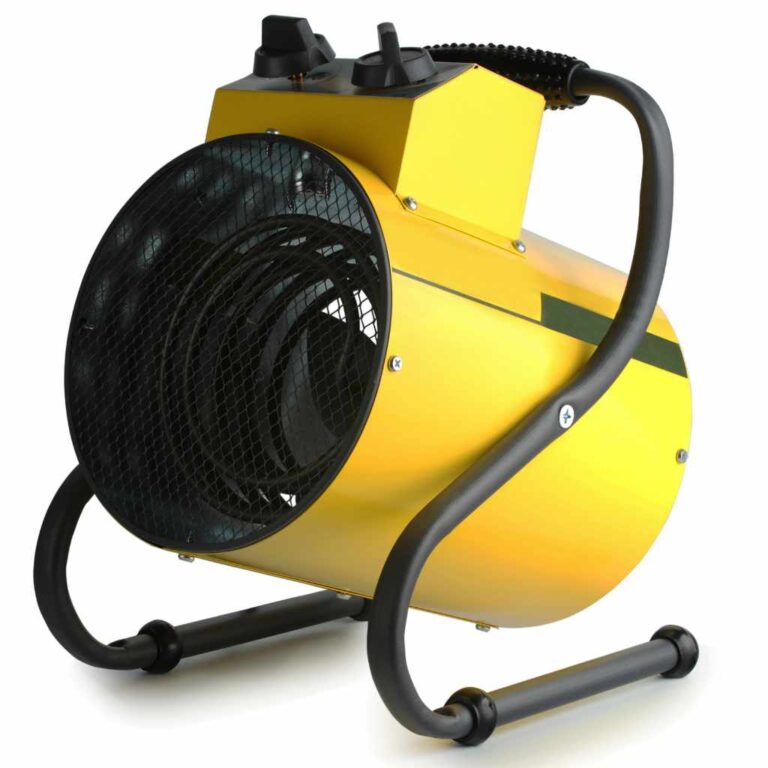
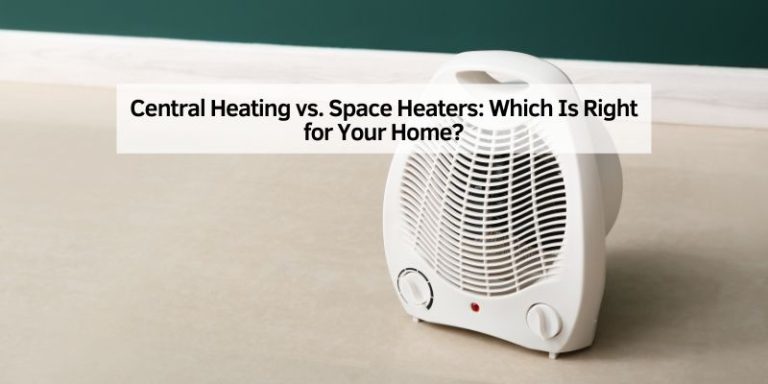
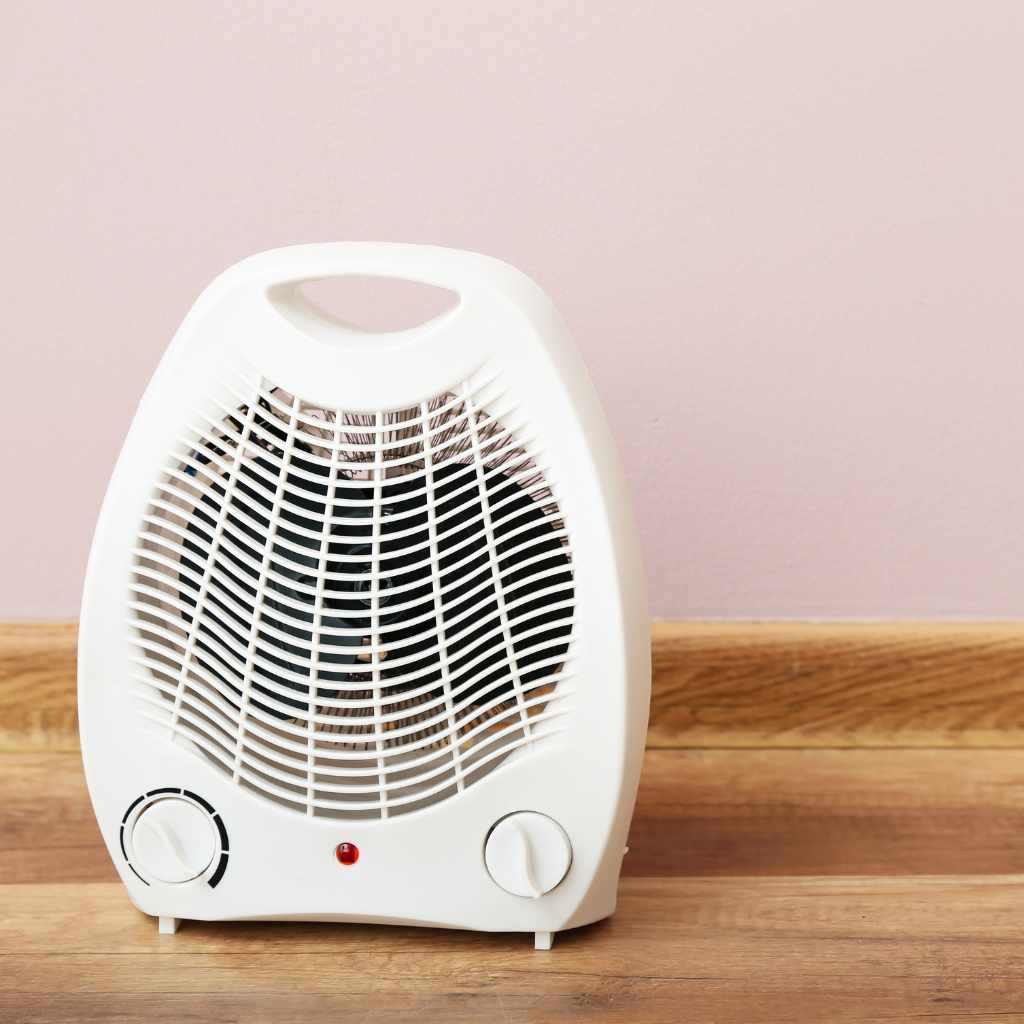
Think of a space heater as a focused spotlight for heat. It takes electricity and converts it directly into warmth, usually in one room or small area. They are portable and fast-acting. They pull cold air in, heat it up using electric coils (like a toaster), and blow it out.
The main benefit? Instant, localized heat exactly where you need it.
How Does a Heat Pump Work? The Magic of Moving Heat
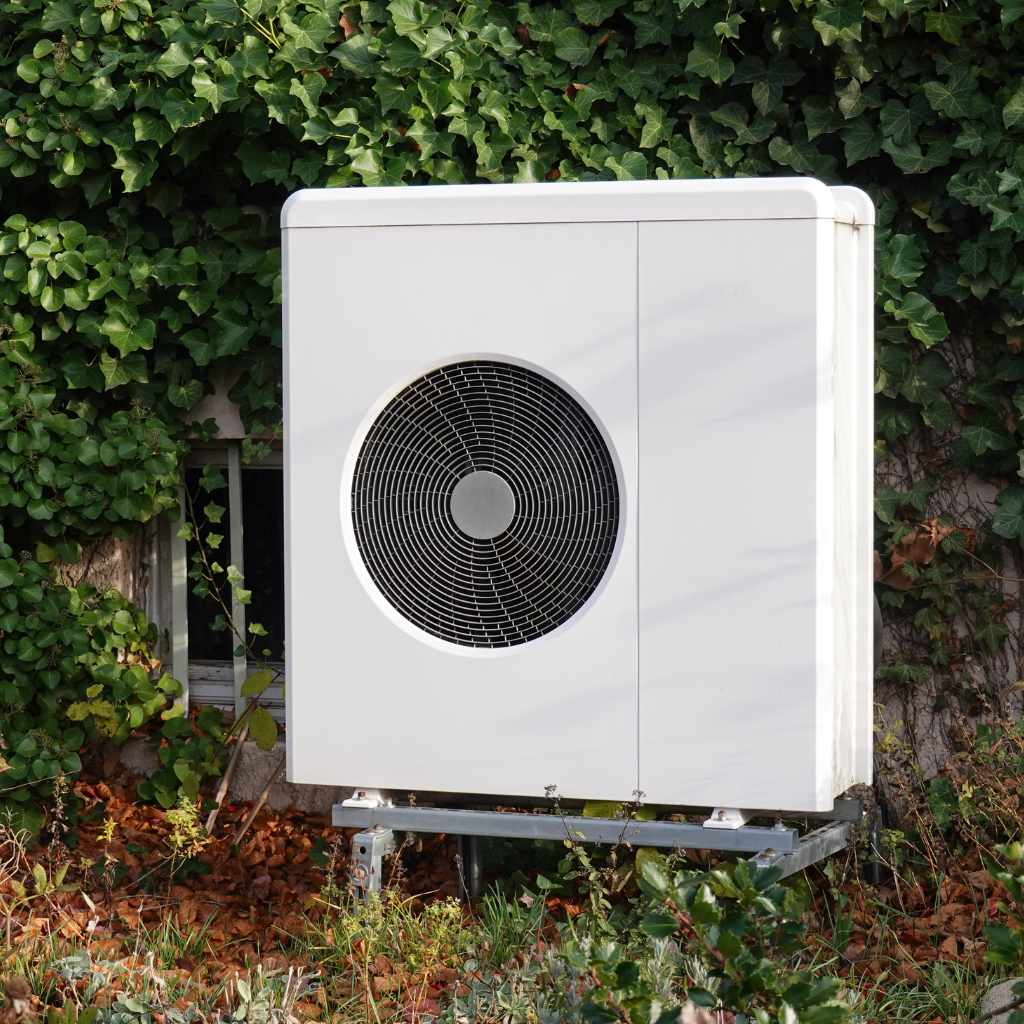
A heat pump is an all-in-one system that both heats and cools your home. Instead of creating heat, it moves existing heat. In the winter, it pulls the small amount of heat energy present in the outdoor air—even when it feels cold outside—and compresses it to bring it indoors.
This heat-transfer process is incredibly efficient, similar to how a refrigerator works, but in reverse. This is why heat pumps are often praised for being energy savers.
Key Differences: Efficiency, Coverage, and Initial Cost
The biggest confusion comes from comparing something designed for a closet (the space heater) with something designed for an entire house (the heat pump). Here is a direct comparison across crucial homeownership factors.
1. Energy Use and Operational Cost
This is often the deciding factor for homeowners. How much money will this system actually cost to run every month?
The Space Heater Energy Drain
Space heaters are simple: you plug them in, and they use electricity. Most standard portable units draw between 1,000 and 1,500 watts of power. Because they convert electricity directly to heat, they are 100% efficient in terms of their input—but electricity is usually the most expensive way to create heat.
- Pros: Zero heat loss during transfer.
- Cons: Very expensive to run continuously over a large area.
The Heat Pump Efficiency Advantage
Heat pumps operate using a measurement called Coefficient of Performance (COP). A COP of 3 means the unit delivers three units of heat energy for every one unit of electrical energy it consumes. This is 300% efficiency!
While the initial installation is high, the long-term operational costs of a heat pump, especially for whole-home comfort, are significantly lower than relying solely on electric resistance heating (like space heaters).
Learn more about government standards for residential energy usage from the ENERGY STAR program for detailed consumption insights.
2. Installation and Portability
How much hassle is it to get started?
Space Heaters: Instant Gratification
Installation involves peeling off the protective film and plugging it into a sturdy wall outlet. That’s it!
If you move, you take the heater with you. Maximum flexibility—no contractor needed.
Heat Pumps: A Permanent Upgrade
A heat pump installation is a major home upgrade. It requires professional HVAC technicians to install an outdoor condenser/compressor unit and indoor air handlers (or a duct system replacement). This is a significant investment of several thousand dollars and requires planning.
- Requires professional HVAC specialist.
- Involves running refrigerant lines and electrical connections.
- Generally permanent once installed.
3. Coverage Area and Comfort Quality
One heats a corner; the other heats your whole life.
Space Heater Coverage
Excellent for single-room heating, like a chilly home office or a small bedroom overnight. They throw heat quickly but stop working the second you unplug them. They rarely offer consistent, even temperature across a room.
Heat Pump Coverage
Designed for whole-home heating and cooling. Modern heat pumps provide highly consistent, gentle warmth distributed through vents or ductless mini-splits. You set the thermostat, and the system maintains that temperature reliably without huge swings.
Side-by-Side Comparison Table
This table summarizes the core differences between these heating options for quick reference.
| FeaturePortable Space HeaterCentral or Ductless Heat Pump | ||
|---|---|---|
| Primary Function | Localized, instant heat (Electric Resistance) | Whole-home heating and cooling (Heat Transfer) |
| Installation | Plug-and-play (seconds) | Professional installation required (hours/days) |
| Energy Efficiency (COP) | 100% (Input equals Output energy) | 200% to 400% (Moves more heat than energy used) |
| Upfront Cost | Low ($30 – $150) | High ($5,000 – $15,000+) |
| Monthly Operating Cost | High, if used often for main heat source | Low to moderate, as efficiency saves money |
| Mobility | Highly Portable | Fixed installation |
Deep Dive: When to Choose a Space Heater
Space heaters are heroes in specific situations. They shine when your heating needs are temporary, localized, or when a heat pump isn’t an option (like in many rental apartments).
The Best Scenarios for Portable Heaters
If you follow Tanim’s advice, you use resources wisely. Here are the best times to rely on a space heater:
- Supplemental Spot Warming: You primarily use central heat, but the basement workshop or the infrequently used guest room always feels too cold.
- Emergency Backup: If your main furnace or heat pump temporarily breaks down, a space heater offers immediate bridge heat while repairs are scheduled.
- Renting Limitations: When you cannot make permanent modifications to the infrastructure (like installing a heat pump).
- Quick Warm-Up: Need a fast blast of heat in the bathroom 10 minutes before your shower? A small radiant heater works wonders.
Safety First: Using Your Space Heater Responsibly
Since space heaters are simple electric devices, they carry a risk if misused. Keeping safety in mind protects your home and family.
Always remember the Three-Foot Rule:
- Keep all flammable materials (curtains, bedding, papers) at least three feet away from the heater’s vents or coils.
- Never use an extension cord. Plug the heater directly into a grounded wall outlet.
- Always look for safety certifications (like UL listed) and features like automatic shut-off if the unit tips over.
Deep Dive: When a Heat Pump Is Your Best Investment
If you own your home and are looking for long-term comfort, zoning control, and lower utility bills over the next decade, the heat pump is the way to go. It’s the modern, environmentally friendlier solution.
The Benefits of Modern Home Heating
A heat pump delivers consistency. It doesn’t just get things hot; it manages the temperature like a climate control expert.
- Year-Round Comfort: It provides excellent air conditioning in the summer, replacing a separate AC unit.
- Decreased Carbon Footprint: Because they transfer heat rather than generate it, they use significantly less energy compared to electric resistance, making them friendlier to the planet.
- Improved Home Value: Modern, efficient HVAC systems are a major selling point.
Considering Cold Climates (Myth Busting)
A common worry is, “Will a heat pump work when it’s freezing outside?” Years ago, the answer was tricky. Today, modern cold-climate heat pumps are engineered to pull heat even when external temperatures drop well below freezing (some models work efficiently down to -15°F or lower).
For homes in extremely cold regions, supplemental electric resistance (a backup coil inside the heat pump) or a gas furnace often works alongside the unit—this is called a dual-fuel system.
Installation Considerations for Heat Pumps
If you decide on going all-in with a heat pump, the installation process matters greatly to efficiency. Here are the steps professionals take, so you know what to expect when getting quotes.
- Sizing Assessment: A technician must perform a Manual J load calculation. This ensures the unit is neither too big (short-cycling) nor too small (struggling to keep up).
- Unit Placement: Deciding between a central system (using existing ductwork) or ductless mini-splits (wall-mounted heads for specific zones).
- Bonds and Lines: Installing the outdoor condenser, running the refrigerant lines, and connecting the electrical service.
- Indoor Air Handler/Coil Setup: Connecting the indoor unit to the ductwork or installing the interior heads for mini-splits.
- Refrigerant Charging and Testing: Sealing the system and charging it with environmentally safe refrigerant while testing all operational modes (heating and cooling).
We highly recommend getting at least three quotes from licensed contractors specializing in heat pump installation to ensure you get the best system sizing and service.
Cost Analysis: Upfront Investment vs. Long-Term Savings
Let’s look at the actual numbers that affect your budget today versus tomorrow.
Initial Investment Snapshot
While exact costs vary wildly based on your home size and location (check local utility rebates for lower costs!), here is a ballpark idea:
| Heating System | Typical Upfront Price Range | Rebates Available? |
|---|---|---|
| Good Quality Portable Space Heater ($sim 1500$ W) | $50 – $150 | No |
| Mid-Range Ductless Mini-Split Heat Pump (1 Zone) | $3,500 – $6,000 | Yes (Federal/State/Local) |
| Central Ducted Heat Pump System | $7,000 – $15,000+ | Yes (Federal/State/Local) |
Operational Savings: Heating One Room vs. One Home
If you only need to heat one 10×10 space for three hours a night, the cost difference is negligible—the space heater wins on initial spend.
However, consider a scenario where you want to heat 1,500 sq ft all winter:
- Using 5 Space Heaters: Five 1,500W units running for 12 hours a day at peak winter rates can easily run up a $400+ utility bill per month, depending on your utility rates.
- Using a Heat Pump: The same home utilizing high-efficiency heat transfer might see a monthly bill closer to $150 – $200, even when accounting for lower temperatures requiring supplemental backup.
Over five years, the operational savings from the heat pump often offset the significant upfront installation cost.
Addressing Safety and Maintenance Checklists
Keeping any heating system running smoothly requires simple, predictable tasks. Here is what you need to know to stay safe and efficient.
Space Heater Maintenance Checklist (Simple Tasks)
These steps take minutes but boost safety significantly:
- Inspect the cord annually for cracks or damage.
- Wipe dust off the exterior grill/coils gently with a dry cloth before seasonal use.
- Test the tip-over switch outdoors (gently knock it sideways) to ensure it shuts off immediately.
- Never run it unattended or while sleeping.
Heat Pump Maintenance Checklist (Professional & DIY)
Heat pumps deal with motors and refrigerant, so they require professional help alongside basic homeowner care.
- DIY: Change your air filters monthly (if using a ducted system). Keep the outdoor unit clear of leaves, snow, or debris (at least two feet clearance).
- Professional: Schedule an annual check-up before heating season starts. Technicians clean the coils, check refrigerant levels, and ensure the defrost cycle is working correctly.
Proper maintenance is key to longevity. According to organizations that track appliance life cycles, a well-maintained heat pump can easily last 15 to 20 years.
FAQ: Your Beginner Questions Answered
Q1: Is running a space heater 24/7 safe if it has an auto-shutoff feature?
While the auto-shutoff feature drastically reduces fire risk from tipping over, running an electric resistance heater constantly is generally not safe for your bank account. More importantly, many experts advise against running them 24/7, especially older models, as the heating element is constantly drawing peak power.
Q2: Can a heat pump really cool my house, unlike a traditional furnace?
Yes, absolutely! That is one of the greatest advantages. Heat pumps simply reverse their cycle in the summer. They move heat out of your house, acting exactly like a modern central air conditioner. It is an amazing two-in-one appliance.
Q3: How much more efficient is a heat pump than a space heater?
A heat pump is typically 200% to 400% efficient because it moves heat, while a 1,500W space heater is 100% efficient because it creates heat. This means the heat pump delivers up to four times the heat energy for the same electrical cost.
Q4: If my house is already heated by electric baseboards, is a heat pump still worth the switch?
Yes, overwhelmingly so. If your current system is pure electric resistance (like baseboards or electric furnaces), upgrading to a heat pump is one of the biggest cost-saving moves you can make. You will likely cut your heating costs by 50% or more because you will no longer be paying for resistance heating.
Q5: What is a ductless mini-split heat pump, and how does it compare to a central heat pump?
A ductless mini-split heats or cools specific zones using an outdoor unit connected to one or more indoor wall units. It’s perfect for homes without existing ductwork or additions. A central system uses your existing ducts to deliver even air throughout the entire house from one central location.
Q6: Are there times when I absolutely should NOT use a space heater?
You should never rely on a space heater in a small, enclosed space (like a bathroom without a proper vent) or in any area where the cord must run across a traffic path. Also, never use a space heater to defrost pipes or run it in a damp garage—use only models explicitly rated for high-moisture environments if needed.
Making Your Final Decision: The Balance Point
As your home heating guide, Tanim strongly advises looking past the immediate sticker shock of a heat pump towards the long-term benefits. The comparison of heat pump vs space heaters ultimately boils down to matching the solution to the need.
If you need targeted warmth for four hours a night in your den, the $80 space heater keeps a few bucks in your wallet today. It’s excellent for temporary boost or supplemental tasks requiring zero commitment.
However, if you are serious about reducing your impact, achieving high home comfort year-round, and locking in decades of lower