Blue Flame vs Red Flame Heater: Which One Warms You Best?
My first winter camping trip was a chilly disaster. I brought a tiny electric heater, but with no power in the wilderness, I was left shivering in my tent! That’s when I started exploring blue flame vs red flame heaters. These portable propane heaters are perfect for camping, garages, or emergency home heating. In this article, I’ll compare blue flame (convection) and red flame (infrared/radiant) heaters, share setup tips, and help you pick the right one for your needs. Whether you’re a newbie camper or a seasoned DIYer, I’ve got you covered with simple, fun advice!
What Are Blue Flame and Red Flame Heaters?
Blue flame and red flame heaters are vent-free propane or natural gas heaters that warm spaces differently. Blue flame heaters heat the air, creating a cozy, even warmth through convection. Red flame heaters, also called infrared or radiant heaters, heat objects directly, like the sun warming your skin. Both are 99.9% efficient, portable, and indoor-safe with features like Oxygen Depletion Sensors (ODS). They’re great for camping, workshops, or power outages.
Why These Heaters Are Awesome for Camping
I love camping, but cold nights can ruin the fun. Last fall, I used a red flame heater in my tent, and it felt like sitting by a campfire—warm right away! Blue flame heaters take a bit longer but make the whole space cozy. Both work without electricity, are easy to carry, and save money compared to electric heaters. They’re perfect for tents, RVs, or garages.
How Blue Flame and Red Flame Heaters Compare
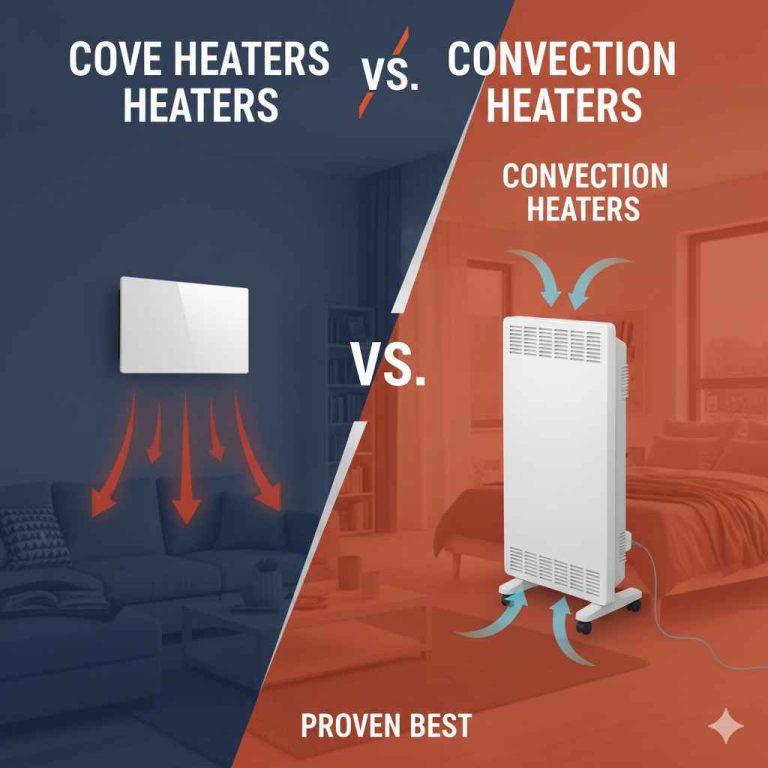
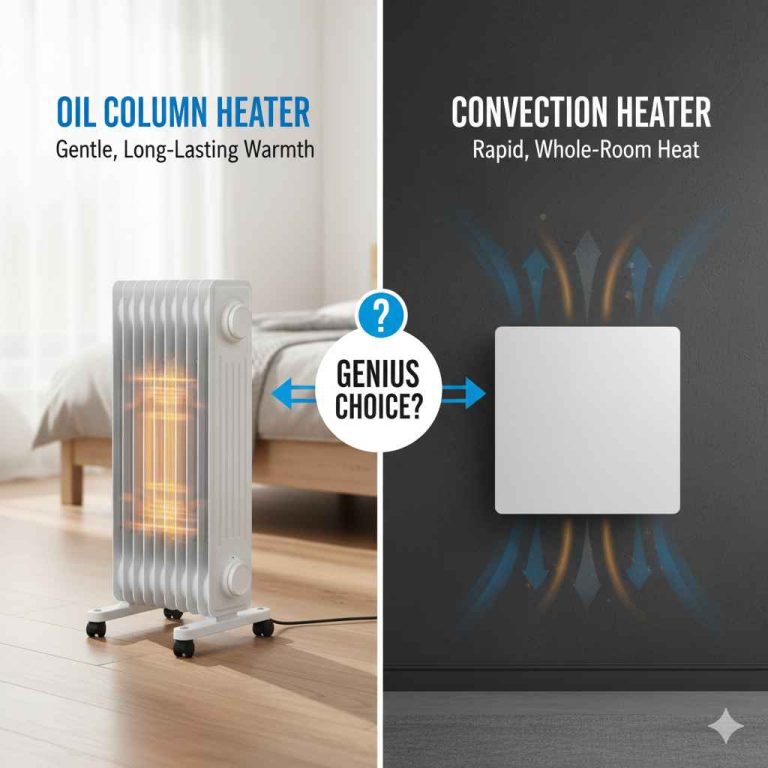
Let’s dive into the differences. Blue flame heaters warm the air, which rises and circulates, ideal for insulated spaces. Red flame heaters use infrared rays to heat objects directly, great for quick warmth or uninsulated areas. Here’s a simple comparison table:
| Feature | Blue Flame Heater | Red Flame Heater |
|---|---|---|
| Heating Method | Convection (heats air) | Radiant (heats objects) |
| BTU Range | 10,000–30,000 BTU | 10,000–30,000 BTU |
| Best For | Insulated spaces | Uninsulated spaces |
| Warm-Up Time | Slower, even heat | Instant, directional |
| Weight | 10–20 lbs | 10–20 lbs |
| Price | $80–$250 | $80–$250 |
Caption: This table shows key differences to help you choose.
Setting Up Your Heater: A Simple Guide
Setting up a propane heater is no sweat, but I learned to practice at home first. Here’s how to do it:
- Choose a Safe Spot: Place the heater on a flat surface, 24 inches from flammable items like sleeping bags or curtains.
- Connect Propane: Attach a 1-lb propane cylinder to the heater’s regulator. Some models, like larger red flame heaters, can use a 20-lb tank with a hose.
- Check for Leaks: Spray soapy water on connections. If you see bubbles, tighten or replace the tank.
- Light the Heater: Turn the knob to “Pilot,” press, and spark the igniter. Adjust to low, medium, or high.
- Monitor Safety: Use a carbon monoxide (CO) detector and crack a window for ventilation.
Tools and Materials You’ll Need
You don’t need much to get started. Here’s a quick list:
- Propane Tank: A 1-lb cylinder works for most portable heaters. For longer use, get a 20-lb tank with a hose.
- Hose and Filter: For 20-lb tanks, a hose and fuel filter (like Mr. Heater’s) prevent clogs.
- CO Detector: I use a Kidde CO alarm ($20 at Walmart).
- Lighter: A backup if the heater’s igniter fails.
Benefits of Blue Flame Heaters
Blue flame heaters are great for steady, even heat. I used one in my insulated garage, and it kept the whole space warm for hours. They’re ideal for bedrooms, living rooms, or small tents with good insulation. Many, like the Dyna-Glo Blue Flame Heater, have thermostats for precise control, cycling between high and low to save fuel. They’re also safer for furniture placement, as they don’t project intense heat outward.
Benefits of Red Flame Heaters
Red flame heaters shine for instant warmth. When I stood in front of my Mr. Heater Buddy (a red flame model), I felt toasty in seconds, like basking in sunlight. They’re perfect for uninsulated spaces like garages or open tents, as they heat objects directly. They also create a cozy, glowing ambiance, like a fireplace. Models like the Mr. Heater Buddy are super portable for camping or RVs.
Drawbacks to Watch For
Blue flame heaters can be slow to warm large or drafty spaces, and the heat rises, so high ceilings may reduce efficiency. Red flame heaters can overheat nearby objects, like furniture, if”.. I once placed a red flame heater too close to a couch and noticed the fabric fading! Both produce moisture, which can cause condensation in tight spaces, and require ventilation to avoid CO buildup.
Alternatives to Consider
Not sold on propane? Electric space heaters are an option if you have power, but they’re less portable. Kerosene heaters are powerful but need outdoor venting. For camping, I’ve used a hot water bottle in my sleeping bag for a cheap, low-tech warmth boost. It’s not as powerful but great for emergencies!
My Personal Tips from Camping
I’ve tested both heaters on chilly trips, and here’s what I’ve learned:
- Use a Fan: A small battery-powered fan helps spread blue flame heat evenly in a tent.
- Check Propane: Always bring extra 1-lb cylinders. I ran out once mid-night—brr!
- Position Carefully: Keep red flame heaters away from flammable stuff to avoid scorching.
- Save Fuel: Use a 20-lb tank with a hose for longer run times. It’s cheaper than 1-lb cylinders.
Comparison Table: Which Heater Suits You?
Here’s a quick guide to match your needs:
| Situation | Best Heater | Why It’s Best |
|---|---|---|
| Small Tent/RV | Red Flame Heater | Instant heat, portable, great for spot heating |
| Insulated Room | Blue Flame Heater | Even heat, efficient for enclosed spaces |
| Uninsulated Garage | Red Flame Heater | Heats objects directly, ideal for open areas |
| Emergency Backup | Blue Flame Heater | Reliable, thermostat control saves fuel |
Caption: This table helps pick the right heater for your space.
Safety Tips for Propane Heaters
Safety is a must with these heaters. Here’s what I do:
- Ventilate: Crack a window or tent flap to let fresh air in.
- Use a CO Detector: My CO alarm saved me when I forgot to ventilate once.
- Keep Clear: Place heaters 24 inches from flammable items.
- Turn Off When Sleeping: Never leave heaters on unattended overnight.
Common Mistakes to Avoid
I’ve made these errors, so you don’t have to:
- Forgetting to check propane levels before a trip.
- Placing a red flame heater too close to tent walls—nearly scorched mine!
- Using aerosols near a running heater; they can cause odors.
Visual Ideas for Clarity
These visuals would help, though they’re not included:
- A diagram of safe heater placement (24 inches from walls).
- A chart comparing propane tank run times (1-lb vs. 20-lb).
- A photo of a cozy tent with a glowing red flame heater.
Frequently Asked Questions
What’s the Difference Between Blue Flame and Red Flame Heaters?
Blue flame heats the air; red flame heats objects. Blue flame heaters use convection for even warmth in insulated spaces. Red flame (infrared) heaters use radiant heat for instant warmth, ideal for uninsulated areas or spot heating.
Which Is More Efficient?
Both are 99.9% efficient. They use the same amount of propane for the same BTUs. Red flame heaters feel faster because they heat objects directly, but blue flame heaters spread heat more evenly in insulated spaces.
Are These Heaters Safe Indoors?
Yes, with proper precautions. Both have Oxygen Depletion Sensors and tip-over shut-offs. Use a CO detector, ventilate the space, and keep heaters away from flammable items to ensure safety.
Which Is Better for Camping?
It depends on your setup. Red flame heaters are great for quick warmth in small tents or open areas. Blue flame heaters are better for larger, insulated tents where even heat is needed.
Do They Produce Odors or Smoke?
They can produce slight odors but no smoke. Incomplete combustion or aerosols (like hairspray) can cause smells. Ensure good ventilation and use a fuel filter with 20-lb tanks to avoid clogs and odors.
Can I Use a 20-lb Propane Tank
Yes, with a hose and filter. Both heaters can connect to a 20-lb tank using a low-pressure regulator and hose, like those from Mr. Heater. It’s cheaper and lasts longer than 1-lb cylinders.
Which Looks Better
It’s a matter of taste. Red flame heaters glow like a fireplace, creating a cozy vibe. Blue flame heaters have a sleek, blue flame that looks modern and stylish, especially in wall-mounted models.
Conclusion
Choosing between a blue flame vs red flame heater comes down to your space and needs. Blue flame heaters are perfect for insulated areas, spreading cozy warmth evenly. Red flame heaters deliver instant heat to objects, ideal for uninsulated spaces or quick warm-ups. Both are portable, efficient, and safe with precautions. Try one on your next camping trip or in your garage—it’s a game-changer! Share your heater experiences in the comments or visit REI for more camping gear. Stay warm out there!