Creating a Cozy DIY Cat House Heater: A Step-by-Step Guide for Pet Lovers
Hey there, fellow cat lover! If you’re like me, your furry friend’s comfort is a top priority, especially when the chilly winter months roll in. I’ve spent countless hours researching and building heated cat houses for my own cats and the strays in my neighborhood. There’s something incredibly rewarding about crafting a warm, safe space for them to snuggle up in when it’s freezing outside. Today, I’m excited to share my experience and guide you through creating your own DIY cat house heater. This isn’t just about keeping your cat warm—it’s about giving them a cozy sanctuary while keeping safety and affordability in mind. Let’s dive in and make something special for our feline buddies!
Why a Heated Cat House Matters
Winter can be tough on cats, especially those who love roaming outdoors or the strays who don’t have a warm home to return to. I’ve seen my own indoor-outdoor cat, Luna, shiver after a quick trip outside on a snowy day. Cats can suffer from frostbite or hypothermia if they’re exposed to cold for too long, even with their fluffy fur coats. A heated cat house provides a safe, warm spot for them to rest, whether they’re your pet or a community cat you’re looking out for.
I learned this the hard way a few winters ago when I noticed a stray cat huddling under my porch. His little paws were icy, and I knew I had to do something. That’s when I started exploring DIY heated cat houses. Not only do they keep cats warm, but they also give you peace of mind knowing your furry friends are safe from harsh weather. Plus, building one yourself is budget-friendly and lets you customize it to fit your cat’s needs.
Choosing the Right Materials for Your DIY Cat House Heater
Before we get into the nitty-gritty, let’s talk about materials. I’ve tried a few different setups, and I’ve learned what works best through trial and error. The goal is to create a structure that’s insulated, waterproof, and safe for a heating element. Here’s what you’ll need:
- Outer Shell: A sturdy plastic storage bin or a wooden box works great. I prefer plastic bins because they’re affordable and naturally water-resistant. Look for one that’s about 30 gallons for a single cat or larger for multiple cats.
- Insulation: Styrofoam sheets are my go-to because they’re excellent at trapping heat. You can often find them at hardware stores or even repurpose ones from packaging.
- Bedding: Straw is the best choice for bedding. I made the mistake of using blankets once, and they got damp and cold. Straw repels moisture and keeps cats cozy.
- Heating Element: A pet-safe heating pad, like the K&H Pet Products Outdoor Heated Kitty Pad, is ideal. It’s weight-activated, so it only heats when the cat is inside, saving energy and reducing risk.
- Entrance Covering: A heavy plastic flap or vinyl strips help keep warmth inside while letting the cat come and go.
- Tools: You’ll need a utility knife, duct tape, silicone sealant, and maybe a drill for ventilation holes.
Here’s a quick table to summarize the materials:
| Item | Purpose | Where to Find |
|---|---|---|
| Plastic Storage Bin | Outer structure, waterproof | Walmart, Home Depot, or Amazon |
| Styrofoam Sheets | Insulation to trap heat | Hardware stores, recycled packaging |
| Straw | Moisture-repelling bedding | Pet stores, farm supply stores |
| Pet-Safe Heating Pad | Safe, controlled warmth | Amazon, Chewy, or pet stores |
| Plastic Flap | Retains heat, allows entry/exit | Hardware stores, old shower curtains |
| Utility Knife, Tape | Cutting and securing materials | Any hardware store |
When I built my first cat house, I grabbed a plastic bin from a garage sale for $5 and some Styrofoam from a neighbor’s discarded packaging. It’s amazing how much you can repurpose to keep costs down!
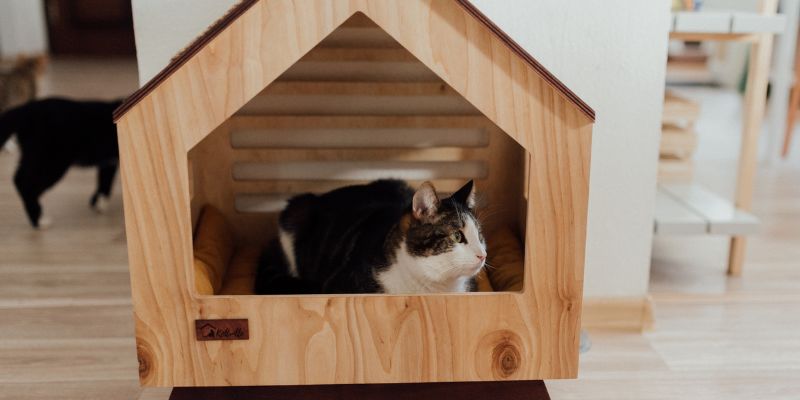
Step-by-Step Guide to Building Your DIY Cat House Heater
Now, let’s get to the fun part—building the cat house! I’ll walk you through the process I’ve refined over the years. It’s straightforward, and you don’t need to be a DIY expert to pull it off.
Step 1: Prepare the Outer Shell
Start with your plastic storage bin. I use a 30-gallon one because it’s big enough for my cat to turn around in but small enough to trap heat effectively. Too big, and the heat escapes; too small, and your cat won’t be comfortable. Flip the bin upside down so the lid becomes the base—this makes it easier to clean later.
Using a utility knife, cut a 6-inch by 6-inch hole on one side for the entrance. I learned to keep the hole a few inches above the ground to prevent rain from getting in. A tip I picked up is to warm the plastic with a hairdryer before cutting—it makes the job smoother and safer.
Step 2: Insulate the Interior
Insulation is key to keeping the heat in. I line the inside of the bin with 1-inch-thick Styrofoam sheets, cutting them to fit the walls, floor, and ceiling. You don’t need perfect edges—just make sure they cover most of the surface. Secure them with duct tape or silicone glue. I once skipped this step, thinking the heating pad would be enough, but the house stayed chilly without insulation.
For extra warmth, I place a smaller plastic bin inside the larger one, creating a double-walled effect. Cut a matching entrance hole in the inner bin and align it with the outer one. Fill the gap between the bins with straw for added insulation.
Step 3: Add the Heating Element
This is where the magic happens. I use a pet-safe, outdoor-rated heating pad that activates when the cat sits on it. These pads are designed to stay at a safe temperature, so you don’t have to worry about overheating. Place the pad at the bottom of the inner bin, and cover it with a thin layer of straw to keep it cozy. Make sure the cord exits through a small hole you drill in the back, and seal it with silicone to keep it waterproof.
I’ve also experimented with microwavable heating pads for areas without electricity. They stay warm for a few hours, but you’ll need to reheat them regularly. If you’re using a plug-in pad, ensure the cord is out of reach so cats can’t chew it.
Step 4: Create a Weatherproof Entrance
To keep the warmth inside, I add a flap over the entrance. You can use heavy plastic, like a cut-up shower curtain, or vinyl strips. I attach them with duct tape or Velcro so they’re easy to remove if needed. The flap lets the cat slip in and out while blocking wind and snow. I once forgot this step, and poor Luna was shivering because the cold air kept sneaking in.
Step 5: Elevate and Secure the House
Place the cat house on a raised surface, like bricks or a wooden pallet, to keep it off the cold, wet ground. I put mine on an old bench under my porch to protect it from rain. To prevent it from tipping over in strong winds, weigh down the lid with a brick or heavy rock. I learned this after a windy night flipped my first cat house upside down!
Step 6: Add Bedding and Finishing Touches
Fill internal space with a thick layer of straw. I avoid blankets because they hold moisture and can make the house colder. Straw lets cats burrow in and stay dry. You can also add a small ventilation hole near the top to prevent moisture buildup, but keep it small to avoid losing heat.
I like to check the house weekly to ensure the straw is dry and the heating pad is working. It’s a small effort that makes a big difference for the cats.
Safety Tips for Your DIY Cat House Heater
Safety is my top concern when building a heated cat house. I’ve made a few mistakes along the way, so let me share what I’ve learned to keep your cats safe:
- Choose Pet-Safe Heaters: Always use heating pads designed for pets. Human heating pads can get too hot and cause burns. I stick with brands like K&H because they’re tested for animal safety.
- Protect Electrical Cords: Cats love to chew, so keep cords out of reach or use a cord protector. I wrap mine in a PVC pipe for extra safety.
- Check for Overheating: Ensure the heating pad has a thermostat or is weight-activated to prevent overheating. I check mine regularly to make sure it’s not too warm.
- Avoid Flammable Materials: Stick to straw instead of hay or blankets, which can catch fire if they get too close to a heating element.
- Ventilation: A small hole prevents moisture buildup, which can lead to mold. I learned this after finding damp straw in one of my early designs.
One winter, I used a cheap heating pad that didn’t have a thermostat, and it got way too hot. Luckily, I caught it before any harm was done, but it was a wake-up call to prioritize safety.
Where to Place Your DIY Cat House Heater
Location is everything. I’ve found that placing the cat house in a quiet, sheltered spot works best. My first attempt was in an open yard, and the cats avoided it because it felt exposed. Here’s what I recommend:
- Sheltered Area: Put the house under a porch, in a garage, or near a wall to protect it from wind and snow. My current setup is under my deck, where it’s dry and out of sight.
- Away from Traffic: Keep it far from roads or busy areas to ensure the cats feel safe. I once placed a house too close to my driveway, and the cats wouldn’t go near it.
- Elevated Surface: As I mentioned, raising the house off the ground prevents dampness. A few bricks or a pallet do the trick.
- South-Facing Entrance: If possible, face the entrance south to avoid snow piling up and blocking it. This tip saved me during a big blizzard last year.
When I set up a house for a group of strays, I noticed they started using it once I moved it to a quieter corner of my yard. Cats are picky, so take the time to find the perfect spot.
Maintaining Your DIY Cat House Heater
Keeping the cat house in good shape is crucial for it to last through the winter. I check mine every week or two, and it only takes a few minutes. Here’s what I do:
- Clean the Bedding: Replace wet or soiled straw to keep the house dry and inviting. I keep a bag of straw handy for quick refreshes.
- Inspect the Heating Pad: Make sure the pad is working and the cord isn’t damaged. I had to replace one after a mouse chewed through the wire!
- Check for Leaks: Ensure the bin and entrance flap are still waterproof. I add extra silicone sealant if I notice any cracks.
- Monitor Usage: Peek inside to see if cats are using it. I added a cheap Wi-Fi camera to one of my houses, and it’s fun to check in on the cats remotely.
Regular maintenance keeps the house cozy and safe all season long. It’s a small price to pay for knowing your cats are warm.
Alternative Heating Options for Areas Without Electricity
Not everyone has access to an outdoor outlet, and I’ve been there. When I wanted to set up a house in a remote corner of my property, I had to get creative. Here are some options I’ve tried:
- Microwavable Heating Pads: These stay warm for a few hours and are great for short-term use. I pop them in the microwave before bed and place them in the house.
- Self-Warming Mats: These use mylar to reflect the cat’s body heat. They’re not as effective as electric pads but work well in milder climates.
- Solar-Powered Heaters: I’ve experimented with a small solar panel connected to a 12V heating pad. It’s pricier, but it’s a great off-grid solution if you’re handy with electronics.
One winter, I used a self-warming mat for a stray cat, and it worked well enough to keep him comfortable during mild nights. For colder climates, though, I’d stick with a plug-in option if possible.
Making It Fun and Personal
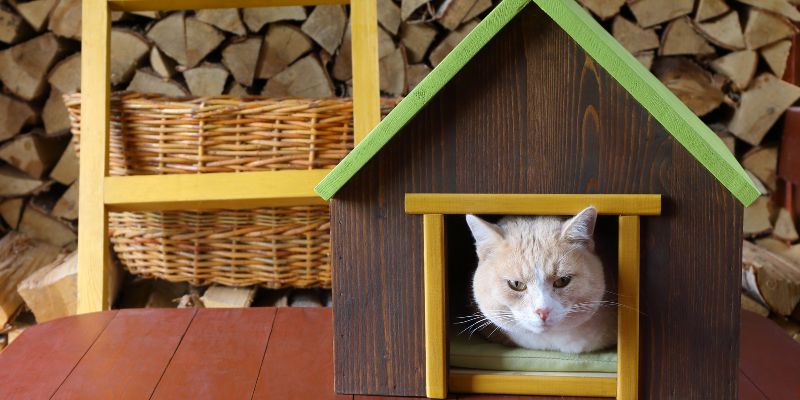
Building a cat house is a chance to get creative! I’ve painted some of mine with non-toxic paint to blend into my yard or added cute decals to make them look inviting. You can also place a small toy or a sprinkle of catnip inside to entice cats to check it out. When I added catnip to one house, Luna couldn’t resist exploring it!
If you’re building for strays, consider adding a sign that says “Cat Shelter” to let neighbors know it’s there for a good cause. I did this, and it sparked a conversation with a neighbor who ended up helping me care for the local cats.
Conclusion
Building a DIY cat house heater has been one of the most rewarding projects I’ve ever tackled. There’s nothing like seeing a cat curl up in a warm, safe space you created with your own hands. Whether it’s for your own pet or the strays in your neighborhood, this project is a small act of kindness that makes a big difference. I remember the first time I saw that stray cat under my porch snuggled up in the house I built—my heart melted knowing he was safe from the cold.
This guide is everything I’ve learned from years of trial and error, from choosing the right materials to keeping safety first. It’s simple, affordable, and something anyone can do with a little time and care. So grab your supplies, put on some music, and start building. Your cats will thank you with every cozy nap they take!
FAQs
How Much Does It Cost to Build a DIY Cat House Heater?
It depends on what you already have, but I’ve built mine for as little as $20-$50. A plastic bin costs about $10, Styrofoam can be free if you repurpose packaging, and straw is around $5-$10. A good pet-safe heating pad is the biggest expense, usually $20-$40. Check garage sales or pet stores for deals to keep costs down.
Can I Use a Regular Heating Pad for My Cat House?
I wouldn’t recommend it. Regular heating pads can get too hot and aren’t designed for outdoor use or pet safety. I stick with pet-safe options like K&H Pet Products pads because they have built-in thermostats and are tested for animals. Safety is worth the extra cost!
How Do I Keep Stray Cats from Fighting Over the House?
Cats can be territorial, so I’ve found it helps to make the house big enough for one or two cats and place multiple houses if you have several strays. I also put them in different parts of my yard to reduce competition. Adding an extra exit hole can prevent cats from feeling trapped.
What If I Don’t Have Access to Electricity?
No outlet? No problem! I’ve used microwavable heating pads or self-warming mats with mylar for areas without power. They’re not as effective as electric pads, but they can still provide warmth. Solar-powered options are another idea if you’re up for a more advanced DIY project.
How Do I Know If Cats Are Using the House?
I love this question because it’s so exciting to see your hard work pay off! Sprinkle some flour or sand near the entrance to check for paw prints. I also use a cheap Wi-Fi camera to peek inside and see who’s visiting. It’s a fun way to make sure the cats are cozy.