
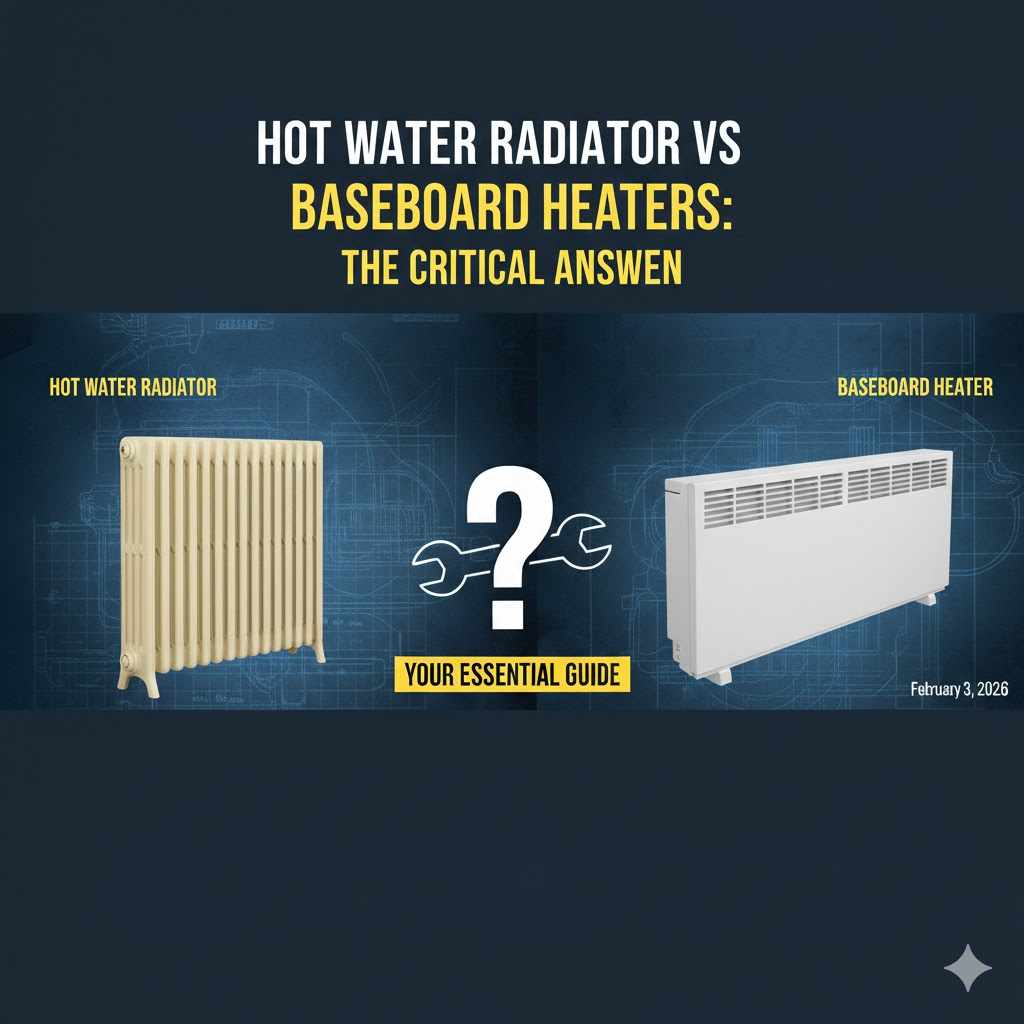
Choosing between hot water radiators and baseboard heaters comes down to your home’s unique needs, budget, and desired comfort. While both offer effective hydronic heating, radiators excel in consistent, widespread warmth and classic appeal, often with higher initial costs. Baseboard heaters offer lower installation costs and discreet placement, ideal for renovations or specific room heating, but may heat more slowly. The “best” is the one that aligns with your property’s structure, heating goals, and long-term operating preferences.
Deciding how to warm your home can feel like a daunting task, especially when faced with different heating systems. Many homeowners, just like you, find themselves wondering about the best way to keep their living spaces cozy without breaking the bank or dealing with complex installations. It’s a common challenge: understanding the real differences between options like traditional hot water radiators and more modern baseboard heaters. You want to make a smart choice that ensures comfort, safety, and efficiency for years to come. Don’t worry, you’re in the right place! We’ll break down everything you need to know in simple, easy-to-understand steps, guiding you to make the perfect heating decision for your home.
Understanding Hot Water Radiators: The Classic Choice
Hot water radiators have been a staple in homes for a long time, and for good reason. They are renowned for providing a very comfortable, consistent type of heat. Imagine walking into a room where the warmth feels gentle and even, without any chilly spots. That’s the magic of a radiator system. These systems work by heating water in a central boiler, then circulating that hot water through a network of pipes to the radiators installed in different rooms. As the hot water passes through the cast iron or steel fins of the radiator, it warms up the metal. This warm metal then radiates heat into the room. Think of it like a warm stove that slowly releases its heat into the air around it.
How Hot Water Radiators Work
The process starts with a boiler, usually located in your basement or utility room. This boiler heats water using natural gas, oil, or electricity. Once the water reaches a set temperature, a pump (called a circulator) pushes it through a system of pipes to each radiator. Inside the radiator, the hot water transfers its heat to the metal body. As the metal warms, it emits radiant heat, which directly warms objects and people in the room, and also heats the air through convection (warm air rising). As the water cools down after releasing its heat, it flows back to the boiler to be reheated, completing a continuous loop. This radiant heat is what makes rooms with radiators feel so cozy and consistently warm. For more technical details on how hydronic heating works, you can explore resources like the U.S. Department of Energy’s guide on hydronic heating systems.
Pros of Hot Water Radiators
- Superior Comfort and Even Heat: Radiators provide a gentle, pervasive heat that warms objects and people directly, creating a very comfortable environment. This radiant heat minimizes temperature fluctuations and cold spots.
- Quiet Operation: Once installed and running correctly, radiators operate with very little noise, especially compared to forced-air systems. You won’t hear loud fan noises or air rushing through vents.
- Excellent for Allergy Sufferers: Unlike forced-air systems that can circulate dust, allergens, and pet dander, hydronic radiator systems don’t blow air, making them a better choice for those with allergies or respiratory sensitivities.
- Durability and Longevity: Cast iron radiators are incredibly robust and can last for decades, often over 50 years, with proper maintenance. Their simple design means fewer complex parts to break down.
- Aesthetic Appeal: Many people appreciate the classic, historic look of radiators, which can add character and charm to older homes. Modern designs are also available to complement contemporary décor.
- Zoning Potential: With the right setup, you can often zone your radiator system, allowing you to heat different areas of your home to different temperatures, saving energy.
Cons of Hot Water Radiators
- Higher Initial Installation Cost: Installing a new radiator system can be more expensive than other heating methods due to the cost of the boiler, extensive piping, and the radiators themselves.
- Slower Response Time: Radiators take longer to heat up and cool down because they need to heat a large mass of water and metal. This means they are not ideal for quick temperature changes.
- Space Requirements: Radiators, especially older cast iron models, can be bulky and take up valuable wall or floor space, which can limit furniture placement.
- Potential for Leaks: As with any system involving water and pipes, there’s a slight risk of leaks if pipes corrode or connections become loose, though this is often preventable with regular maintenance.
- Dust Accumulation: While they don’t circulate dust like forced-air, radiators can accumulate dust in their fins, requiring regular cleaning to maintain efficiency and air quality.
- Safety Concern (Hot Surfaces): Radiators can become very hot to the touch, posing a burn risk, especially for young children or pets. Radiator covers can mitigate this risk.
Exploring Baseboard Heaters: The Discreet Alternative
Baseboard heaters, particularly those that use hot water (also known as hydronic baseboard heaters), offer a more subtle approach to home heating. If you’ve ever been in a room where the warmth seems to rise gently from near the floor, without seeing any large heating units, you were likely experiencing the comfort of baseboard heaters. These units are designed to be compact and blend into your room’s décor, sitting low along the walls. They work on a similar principle to radiators, using hot water from a central boiler, but they deliver that heat in a different, more dispersed manner.
How Hydronic Baseboard Heaters Work
Just like radiators, hydronic baseboard heaters connect to a central boiler that heats water. This hot water is then pumped through a series of copper pipes that run inside the baseboard units. These pipes are fitted with aluminum fins. As the hot water flows through the copper pipe, it heats the fins. Cooler air from the room enters the bottom of the baseboard unit, passes over the heated fins, warms up, and then rises out of the top of the unit. This process is called convection. The warm air then circulates around the room, slowly heating the space. Because they are spread out along the walls, baseboard heaters can provide a relatively even heat distribution, though perhaps not as profoundly radiant as traditional radiators. For practical tips on maintaining your hydronic baseboard system, resources from plumbing and heating experts can be very helpful.
Pros of Hydronic Baseboard Heaters
- Space-Saving and Discreet: Baseboard heaters are designed to be slim and run along the bottom of walls, making them much less noticeable than traditional radiators. This frees up wall space and allows for greater flexibility in furniture arrangement.
- Lower Installation Cost (for new systems): Compared to installing a full radiator system, hydronic baseboard heaters can often have a lower initial installation cost due to simpler pipe runs and less expensive units.
- Even Heat Distribution (within limits): By spreading heat sources along the perimeter of a room, baseboard heaters can provide relatively even heating, preventing major cold spots in well-insulated areas.
- Quiet Operation: Like radiators, hydronic baseboard heaters operate very quietly, as there are no fans or noisy components involved in their heat distribution.
- Good for Allergy Sufferers: Similar to radiators, these systems do not use forced air, meaning they don’t actively circulate dust, pollen, or other allergens throughout your home.
- Flexible Zoning: Because they often run in individual loops or can be easily valved, baseboard systems are excellent for creating distinct heating zones within your home, allowing for precise temperature control in different rooms.
Cons of Hydronic Baseboard Heaters
- Slower Heating Response: Baseboard heaters rely purely on convection to warm a room. This process can be slower than the radiant heat of traditional radiators, meaning it takes longer for a room to reach your desired temperature.
- Requires Clearances: For optimal performance, baseboard heaters need to have clear space in front of them. Furniture, drapes, or rugs blocking the units can significantly reduce their heating effectiveness.
- Limited Aesthetic Options: While discreet, the design choices for baseboard heaters are generally uniform and less varied than the decorative options for radiators.
- Potential for Air Circulation Issues: In large rooms or those with poor air circulation, baseboard heaters might struggle to distribute heat effectively, potentially leading to noticeable temperature differences across the space.
- Dust Accumulation: Like radiators, dust can settle on the fins inside baseboard units, which can reduce efficiency and require periodic cleaning.
- Can Be Blocked: If too much furniture or other items block the airflow around them, their heating efficiency can drop significantly, wasting energy.
The Great Showdown: Radiators vs. Baseboard Heaters
Now that we’ve looked at each system individually, let’s put them head-to-head to help you decide which might be the “proven best” for your specific situation. The truth is, there isn’t one universal winner; it truly depends on what you value most for your home.
Performance Comparison
When it comes to performance, both systems deliver consistent heat, but they do it differently. Radiators, with their large mass, provide a deeply penetrating radiant heat that warms surfaces and objects, giving a feeling of pervasive warmth. This also means they retain heat longer once the boiler cycles off. Baseboard heaters, on the other hand, rely more on convection, warming the air as it rises over their fins. This can lead to slightly less even heat distribution in very large or poorly insulated rooms, but they are very effective at heating spaces from the ground up.
Consider the type of heat you prefer: the deep, enduring warmth of radiant heat, or the subtle, rising warmth of convection. For historical homes or rooms with high ceilings, the substantial radiant output of a radiator can be incredibly effective. For smaller, more modern spaces where discreetness is key, baseboard heaters often fit the bill perfectly.
Cost Considerations: Installation and Operation
The cost is often a major deciding factor for homeowners. Here’s a breakdown:
Installation Cost:
- Hot Water Radiators: Generally higher. This is due to the weight and material cost of cast iron or steel radiators, and potentially more complex piping for older systems.
- Hydronic Baseboard Heaters: Typically lower than radiators for new installations. The units are less expensive, and piping can sometimes be simpler, particularly for renovations or smaller spaces.
Operational Cost:
- Both systems are considered energy-efficient when properly maintained and sized for the space, as they utilize the energy-saving benefits of hydronic heating.
- The boiler’s efficiency, insulation of your home, and your thermostat settings will have a greater impact on your heating bills than the choice between radiators and baseboard heaters.
- Radiators’ ability to retain heat for longer can sometimes mean fewer boiler cycles, potentially leading to slight energy savings, but this benefit is often marginal compared to overall home efficiency.
Aesthetics and Space Usage
This is where personal preference really comes into play:
- Hot Water Radiators: Can be a dominant feature. In historic homes, they are often cherished for their vintage appeal. Modern radiators are sleek but still take up more space than baseboards. They can dictate furniture placement.
- Hydronic Baseboard Heaters: Designed for discretion. They blend into the decor by running along the bottom of walls. This allows for more flexible furniture arrangements and keeps the aesthetics clean and uncluttered. However, they do require clearance for optimal airflow.
Maintenance and Lifespan
<