Electric Baseboard Heaters vs Mitsubishi: Proven Efficiency
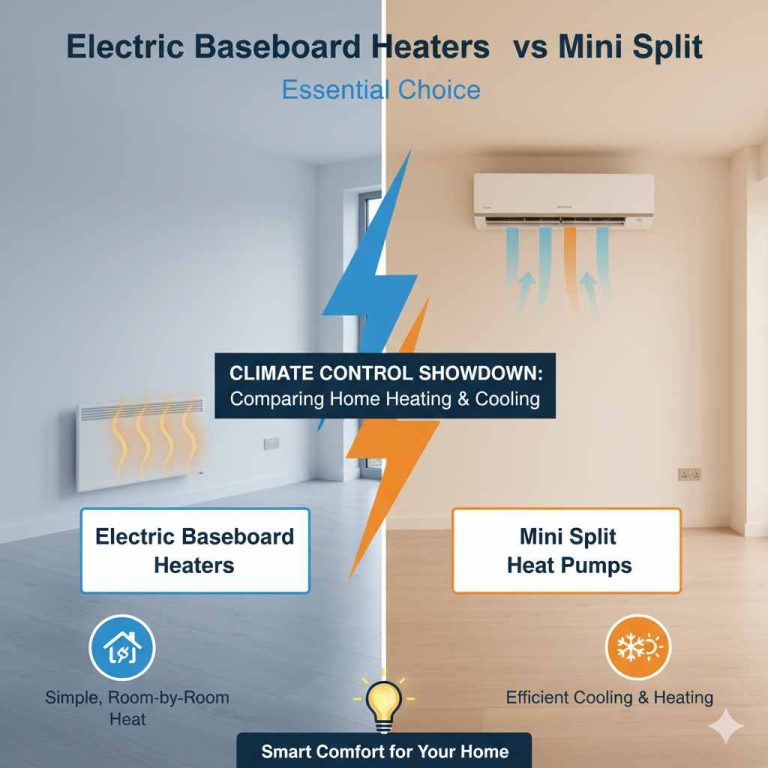
Electric baseboard heaters are a common heating choice, but Mitsubishi electric ductless mini-split systems offer proven superior efficiency and comfort. While baseboard heaters provide simple, localized heat, Mitsubishi systems use advanced heat pump technology to significantly lower energy bills and provide more consistent, zone-controlled warmth throughout your home.
For portable-heater comparisons, Infrared Quartz Heaters vs Electric gives readers another helpful angle before buying or using one.
For a related heater topic, Bathroom Ceiling Heaters for Warmth and Energy Efficiency gives readers a useful next step.
For portable-heater comparisons, Quartz vs PTC Infrared Heaters: Efficiency Guide gives readers another helpful angle before buying or using one.
Feeling chilly and wondering about the best way to warm up your home? It’s a common question for many homeowners, especially as the weather turns cooler. You might have electric baseboard heaters already installed, or perhaps you’ve heard about newer, more efficient options like Mitsubishi systems. Choosing the right heating solution can feel a bit overwhelming with all the technical terms out there. But don’t worry, I’m here to help break it down in a way that’s easy to understand. We’ll explore how these different heating methods stack up when it comes to keeping your home cozy and your energy bills manageable. Get ready to discover which option offers proven efficiency for your comfort!
Understanding Electric Baseboard Heaters
Electric baseboard heaters are a familiar sight in many homes, especially in areas where central heating might not be the primary source. They are simple electric resistance heaters that are installed along the base of your walls, usually under windows. Their main job is to heat the air that comes into contact with their heating elements. As the air warms up, it rises, creating a natural convection current that circulates warm air throughout the room.
How They Work
The technology behind electric baseboard heaters is straightforward. When you turn them on, electricity flows through a resistance wire inside the unit. This wire heats up significantly, much like the filament in an old-fashioned light bulb. The heat generated is then transferred to the air around it. A metal finned element often helps to increase the surface area, allowing for more efficient heat transfer to the air. This warmed air then rises and disperses into the room.
Think of it like a toaster. Electricity passes through coils, the coils get hot, and that heat warms up your toast. Baseboard heaters do the same thing for your room, just on a larger scale and designed to radiate that heat outwards.
Pros of Electric Baseboard Heaters
There are several reasons why electric baseboard heaters have been so popular over the years:
- Affordable Initial Cost: Compared to more complex heating systems, baseboard heaters are typically less expensive to purchase and install. This makes them an attractive option for budget-conscious homeowners or for heating specific areas.
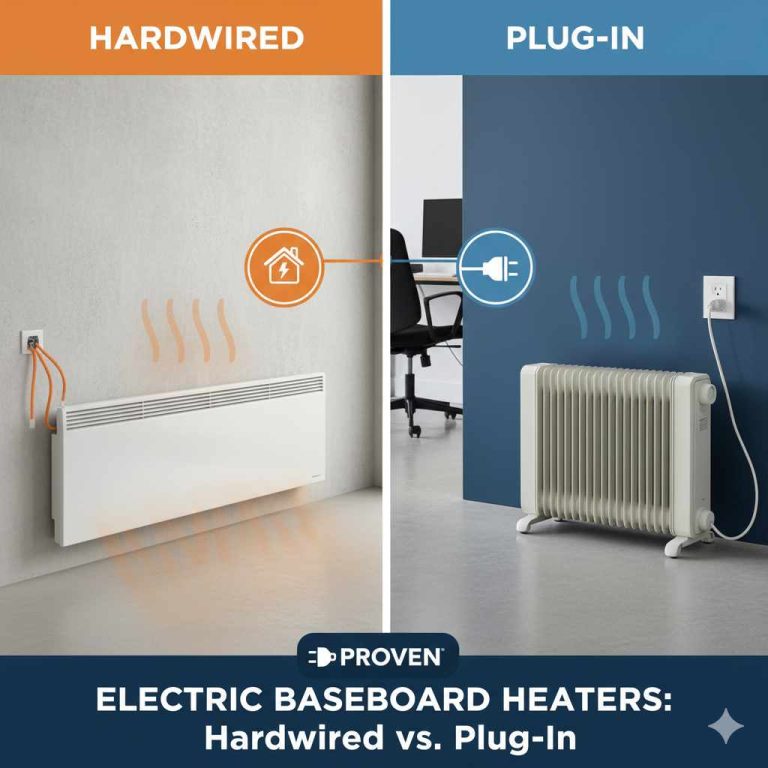
- Easy Installation: Installation is generally quite simple, often requiring just basic electrical wiring to connect them to your home’s power supply. This can be a DIY-friendly project for those with electrical knowledge, or a quick job for an electrician.
- Individual Room Control: Each baseboard heater usually has its own thermostat. This allows you to precisely control the temperature in each room independently, which can be useful for customizing comfort levels or saving energy in unused spaces.
- Zone Heating: Because of the individual control, they are excellent for zone heating. You can heat only the rooms you are currently using, rather than heating your entire house unnecessarily.
- Quiet Operation: For the most part, baseboard heaters operate very quietly. You won’t hear the loud fans or mechanical noises that sometimes accompany other heating systems.
- No Ductwork Required: Unlike forced-air systems, baseboard heaters don’t need any complex network of ducts. This saves on installation complexity and avoids issues like air leaks or dust buildup in ducts.
Cons of Electric Baseboard Heaters
Despite their advantages, electric baseboard heaters do have some significant drawbacks, particularly when it comes to efficiency and comfort:
- High Energy Consumption: This is their biggest downside. Electric resistance heating is one of the least efficient ways to generate heat. They convert electricity directly into heat, and this process is essentially 100% efficient in terms of energy conversion, but the cost of electricity can make it very expensive for the amount of heat produced. For every unit of electrical energy you put in, you get about one unit of heat out, but the price of electricity is often considerably higher than natural gas or propane per unit of heat.
- Uneven Heating: Because they rely on natural convection, the heat distribution can be uneven. Rooms can experience temperature stratification, with warmer air near the ceiling and cooler air near the floor. This can lead to drafts and uncomfortable cold spots.
- Can Be a Safety Hazard: Their surfaces get very hot, posing a burn risk, especially for young children and pets. Furniture should also be kept a safe distance away to prevent fire hazards and allow for proper air circulation. For more details on safe clearances, you can refer to guidelines from organizations like the National Fire Protection Association (NFPA).
- Aesthetics: Many homeowners find them bulky and unattractive, often obstructing furniture placement or making interior design choices more challenging.
- Can Dry Out Air: The heating process can sometimes lead to drier indoor air, which may cause discomfort for some individuals and can be problematic for wooden furniture or musical instruments.

Introducing Mitsubishi Electric Ductless Mini-Split Systems
Now, let’s turn our attention to Mitsubishi Electric’s ductless mini-split systems. If you’re looking for advanced efficiency and superior comfort, these systems are a fantastic alternative to consider. Mitsubishi is a well-respected brand known for its innovative and energy-saving heating and cooling solutions. Unlike traditional central systems that require extensive ductwork, these mini-splits are designed to be sleek, efficient, and incredibly effective in warming (and cooling) your home.
How They Work: The Magic of Heat Pumps
The core technology behind Mitsubishi mini-splits is a “heat pump.” Don’t let the name fool you; it works just as effectively to bring heat into your home during the colder months as it does to remove heat from your home in the summer. In heating mode, a heat pump doesn’t generate heat by burning fuel or using electric resistance. Instead, it works like an air conditioner in reverse.
It captures existing heat energy from the outside air – even when it’s cold outside! – and transfers that heat into your home. This process is incredibly efficient because it’s moving heat rather than creating it from scratch. This is why heat pumps, including those used by Mitsubishi, can be so much more energy-efficient than electric resistance heaters.
To understand this better, imagine the refrigeration cycle. Your refrigerator removes heat from the inside and releases it into your kitchen. A heat pump does the opposite: it draws heat from the outdoor air and pumps it inside your home. You can learn more about the underlying principles of refrigeration and heat pumps from resources like educational sites such as Energy.gov’s literature review on heat pumps. The process involves refrigerants that cycle through different states to absorb and release heat.
A typical Mitsubishi system consists of two main parts: an outdoor compressor/condenser unit and one or more indoor air-handling units (often called heads or cassettes). These units are connected by a conduit containing refrigerant lines, power cables, and a condensate drain line. The indoor units are typically mounted high on a wall or in the ceiling, and they blow the conditioned air directly into the room.
Pros of Mitsubishi Electric Ductless Mini-Splits
Mitsubishi mini-splits offer a compelling package of benefits for homeowners seeking efficiency and comfort:
- Exceptional Energy Efficiency: This is where Mitsubishi truly shines. Because they are heat pumps, they deliver more heat energy than the electrical energy they consume. Many Mitsubishi models achieve Seasonal Energy Efficiency Ratios (SEER) and Heating Seasonal Performance Factors (HSPF) that are significantly higher than traditional heating systems, leading to dramatically lower energy bills. For example, some models can provide 3 to 4 units of heat for every 1 unit of electricity consumed.
- Superior Comfort and Zone Control: Each indoor unit has its own thermostat and can heat or cool independently. This allows for precise temperature control in different zones of your home, ensuring everyone is comfortable without wasting energy on unoccupied rooms. Modern inverter technology in Mitsubishi units also allows for more consistent temperatures without the large swings often associated with systems that cycle on and off.
- Quiet Operation: Mitsubishi systems are renowned for their quiet performance. The outdoor units are designed to be very discreet, and the indoor units are exceptionally quiet, often operating at noise levels comparable to a whisper.
- Improved Air Quality: Many Mitsubishi units come equipped with advanced filtration systems that can capture dust, pollen, allergens, and other airborne contaminants, leading to cleaner and healthier indoor air.
- Heating and Cooling in One: Most Mitsubishi mini-split systems are designed for year-round comfort, providing both efficient heating in the winter and effective cooling in the summer. This eliminates the need for separate heating and cooling systems.
- No Ductwork Required: The “ductless” nature of these systems means no complex, costly, and potentially leaky ductwork installation. This is ideal for older homes, additions, or any situation where running ducts is impractical or undesirable. This also means no energy loss through leaky ducts, which can be a significant issue with central forced-air systems.
- Sleek and Modern Design: The indoor units are often wall-mounted and designed to blend in with your home’s decor. They are much less obtrusive than baseboard heaters or bulky window air conditioners.
Cons of Mitsubishi Electric Ductless Mini-Splits
While Mitsubishi systems are highly efficient and beneficial, there are a few points to consider:
- Higher Upfront Cost: The initial purchase and installation cost for a Mitsubishi mini-split system is typically higher than for electric baseboard heaters. However, the long-term energy savings often make it a worthwhile investment.
- Aesthetics of Indoor Units: While sleek, the wall-mounted indoor units are visible and may not appeal to everyone’s design preferences. Wall placement is usually high on a wall, which is less intrusive than baseboard heaters but still a design consideration.
- Outdoor Unit Placement: The outdoor unit requires dedicated space and needs to be properly installed, typically on a solid, level pad, away from areas where it could be a tripping hazard or aesthetically displeasing.
- Reliance on Electricity: Like baseboard heaters, these systems rely on electricity. If there are frequent power outages in your area, you’ll want to consider backup power solutions.
- Performance in Extreme Cold: While modern Mitsubishi systems perform remarkably well in cold climates (many can heat effectively down to -13°F or even lower), their efficiency and heating output can decrease at extremely low temperatures, though they still typically outperform electric resistance heating.
Comparing Electric Baseboard Heaters vs Mitsubishi: Proven Efficiency
When we talk about “proven efficiency” in home heating, we’re really talking about how much comfortable heat you get for the energy you use, and how much that costs you. This is where the difference between electric baseboard heaters and Mitsubishi ductless mini-split systems becomes very clear.
Energy Consumption and Cost
Electric baseboard heaters use a method called “resistance heating.” They convert electrical energy directly into heat. This conversion is nearly 100% efficient – meaning almost all the electricity used becomes heat. However, electricity is often one of the most expensive forms of energy for heating. A common metric for comparing heating energy sources is the cost per million British Thermal Units (BTUs). Since baseboard heaters offer a 1:1 conversion, their operating cost is directly proportional to the price of electricity.
Mitsubishi systems, on the other hand, are heat pumps. They move heat rather than creating it. This process is significantly more efficient. A heat pump can deliver 3 or 4 units of heat for every 1 unit of electrical energy it consumes. This means their operating cost is often much lower than electric resistance heating, even if the price of electricity is the same.
Let’s look at a simplified comparison over time:
| Feature | Electric Baseboard Heaters | Mitsubishi Ductless Mini-Splits (Heat Pump) |
|---|---|---|
| Energy Conversion | Resistance Heater (100% efficient) | Heat Pump (delivers 300%-400% efficiency in heat transfer) |
| Primary Energy Source | Electricity | Electricity |
| Operating Cost | High, directly tied to electricity prices. | Significantly lower due to efficient heat transfer. |
| “Fuel” Cost Example (Hypothetical) | If electricity costs $0.15/kWh, heating costs can be high. | Can use 3-4x less electricity for the same heat, leading to lower bills. |
| Typical Energy Savings vs. Baseboard | N/A | Potentially 30-75% less energy consumed for heating. |
The efficiency of Mitsubishi systems is often quantified by their HSPF (Heating Seasonal Performance Factor). A higher HSPF rating means greater efficiency. For instance, a system with an HSPF of 10 means it would deliver 10 BTUs of heat for every watt-hour of electricity consumed over an entire heating season. This is a stark contrast to electric resistance, which essentially has an HSPF of 3.412 (because 1 watt-hour is 3.412 BTUs, and all of it is converted to heat).
According to the U.S. Environmental Protection Agency (EPA), heat pumps are considered one of the most energy-efficient and environmentally friendly ways to heat and cool a home. This is because they use less electricity than conventional electric resistance heating. Using a high-efficiency heat pump like those from Mitsubishi can also reduce your carbon footprint.
Comfort and Heat Distribution
Electric baseboard heaters create heat by convection. Warm air rises from the heater, while cooler air sinks, creating a cycle. This can lead to:
- Stratification: Noticeably warmer air near the ceiling and cooler air near the floor.
- Drafts: Cold spots can occur, especially near windows or where heat isn’t circulating effectively.
- Dry Air: The intense heat can dry out the air, leading to discomfort.
Mitsubishi ductless mini-splits, on the other hand, offer more advanced control over heat distribution. The indoor units blow conditioned air directly into the room, and many models feature louvers that can be adjusted to direct airflow precisely where you need it. This, combined with inverter technology that allows for continuous, low-level operation rather than on-again, off-again cycling, leads to:
- More Consistent Temperatures: Small, frequent adjustments keep the room temperature remarkably stable.
- Reduced Drafts: The fan-driven airflow is more evenly distributed than the passive convection of baseboards.
- Better Air Quality: Advanced filters actively improve the air you breathe, and the air is less likely to be overheated and dried out.
Installation and Lifestyle
Electric Baseboard Heaters:
- Installation: Relatively simple and inexpensive, often requiring basic wiring.
- Space: Occupy wall space along the floor, can be obstructed by furniture, and are sometimes considered unsightly.
- Flexibility: Good for temporary heating or specific rooms, but less ideal as a whole-home solution for primary heating due to cost and comfort.
Mitsubishi Electric Ductless Mini-Splits:
- Installation: More complex and expensive than baseboards, involving an outdoor unit and indoor units connected by refrigerant lines. Requires professional installation for optimal performance and warranty.
- Space: Indoor units are mounted high on walls or in ceilings, freeing up floor space. Outdoor units require ground space.
- Flexibility: Excellent for primary heating and cooling, zoning, and retrofitting into homes without ductwork. Ideal for additions or problem rooms.
When to Choose Which System
While Mitsubishi systems offer superior efficiency and comfort for many homeowners, electric baseboard heaters can still be a suitable choice in certain situations.
Consider Electric Baseboard Heaters If:
- You need a very low initial investment.
- You are looking to heat a very small, rarely-used space (like a small shed or unfinished basement) where minimal comfort is needed and energy cost is less of a concern.
- You already have them and are only looking for minor supplemental heat where they are sufficient.
- You require simple, independent temperature control in a few specific rooms without replacing your main heating system.
Choose Mitsubishi Electric Ductless Mini-Splits If:
- Your primary goal is to significantly reduce your heating and cooling energy bills.
- You are looking for a comfortable, consistent temperature throughout your home without cold spots or drafts.
- You want a system that provides both efficient heating and cooling.
- You need to heat or cool areas where installing ductwork is difficult or impossible.
- You want to create distinct climate zones in your home for customized comfort.
- You are undertaking a renovation or addition and want an efficient, modern heating and cooling solution.
- You want to improve indoor air quality with advanced filtration.
For most homeowners looking for a primary heating solution that is both cost-effective to operate and provides excellent comfort, Mitsubishi Electric ductless mini-splits are the proven choice for efficiency compared to electric baseboard heaters. The long-term savings and enhanced comfort typically outweigh the higher initial investment.

Frequently Asked Questions (FAQ)
Q1: Are Mitsubishi mini-splits actually more energy-efficient than electric baseboard heaters?
A1: Yes, significantly. Mitsubishi mini-splits use heat pump technology to move heat, which is far more efficient than electric baseboard heaters that convert electricity directly into heat through resistance. This means they use much less electricity to produce the same amount of warmth, leading to lower energy bills.
Q2: How much can I save on my energy bills by switching from baseboard heaters to a Mitsubishi system?
A2: Savings vary based on your climate, electricity rates, insulation, and usage patterns. However, many homeowners see a reduction of 30% to 75% in their heating energy costs. This is because heat pumps can deliver more heat energy than they consume in electricity.
Q3: Are Mitsubishi systems safe for children and pets compared to baseboard heaters?
A3: Yes, Mitsubishi systems are generally safer. While the indoor units emit warm air, their surfaces do not get as dangerously hot as the elements on electric baseboard heaters, reducing the risk of burns. Standard safety precautions for any electrical appliance still apply.
Q4: Can Mitsubishi mini-splits heat my entire house?
A4: A multi-zone Mitsubishi system, with one outdoor unit connected to several indoor units, can effectively heat and cool an entire home, especially well-insulated ones or smaller homes. For very large homes, or very cold climates, you might consider a hybrid approach or ensure the system is properly sized by a professional.
Q5: Is the installation of a Mitsubishi system complicated?
A5: Installation is more involved than baseboard heaters, as it requires connecting an outdoor unit to indoor units via refrigerant lines. It’s best done by a certified HVAC professional to ensure optimal performance and efficiency. While more complex, it avoids the need for extensive ductwork.
Q6: Do Mitsubishi systems work in very cold weather?
A6: Modern Mitsubishi mini-splits are designed to operate efficiently even in sub-zero temperatures. While their maximum heating output might decrease slightly in extreme cold, they still provide reliable and efficient heat. Always consult the specific model’s specifications for its performance range in cold climates.
Q7: What is the lifespan of a Mitsubishi mini-split system compared to baseboard heaters?
A7: With proper maintenance, a well-installed Mitsubishi electric ductless mini-split system can last 15 to 25 years or even longer. Electric baseboard heaters can also last a long time if well-maintained, but they are simpler mechanical devices. The lifespan of any system is dependent on quality, installation, usage, and maintenance.
Conclusion
Navigating the world of home heating can often feel like a puzzle, especially when trying to balance comfort with efficiency. We’ve explored electric baseboard heaters, a common and simple solution, and contrasted them with the advanced technology and proven efficiency of Mitsubishi Electric’s ductless mini-split systems. While baseboard heaters offer an accessible entry point with individual room control, their reliance on electric resistance heating makes them a significantly more expensive option to operate day-to-day. Plus, they can sometimes lead to uneven temperatures and potential safety concerns.
On the other hand, Mitsubishi mini-splits, powered by efficient heat pump technology, offer a superior approach to home comfort and energy savings. By moving heat rather than creating it, these systems deliver exceptional efficiency, drastically reduce energy consumption compared to electric resistance, and provide consistent, zone-controlled warmth (and cooling!). The investment in a Mitsubishi system is an investment in a more comfortable home, lower utility bills, and a more sustainable living environment.
Ultimately, the best choice depends on your specific needs and priorities. However, for homeowners focused on proven efficiency, long-term cost savings, and enhanced comfort, the evidence points clearly towards the advanced capabilities of Mitsubishi Electric’s ductless mini-split systems as the more effective and efficient solution for keeping your home warm and cozy.