How to Tell If a Heater Needs Professional Service
Call a licensed technician if you smell gas, see signs of burning, or the heater shuts off repeatedly. Otherwise, inspect the thermostat, filter, and vents first. Ignoring warning signs can drive up energy bills, wear out parts, and create a safety hazard. This article shows what you can safely inspect yourself, what points to a maintenance issue, and when the heater needs professional service now.
Simple checks before calling a pro
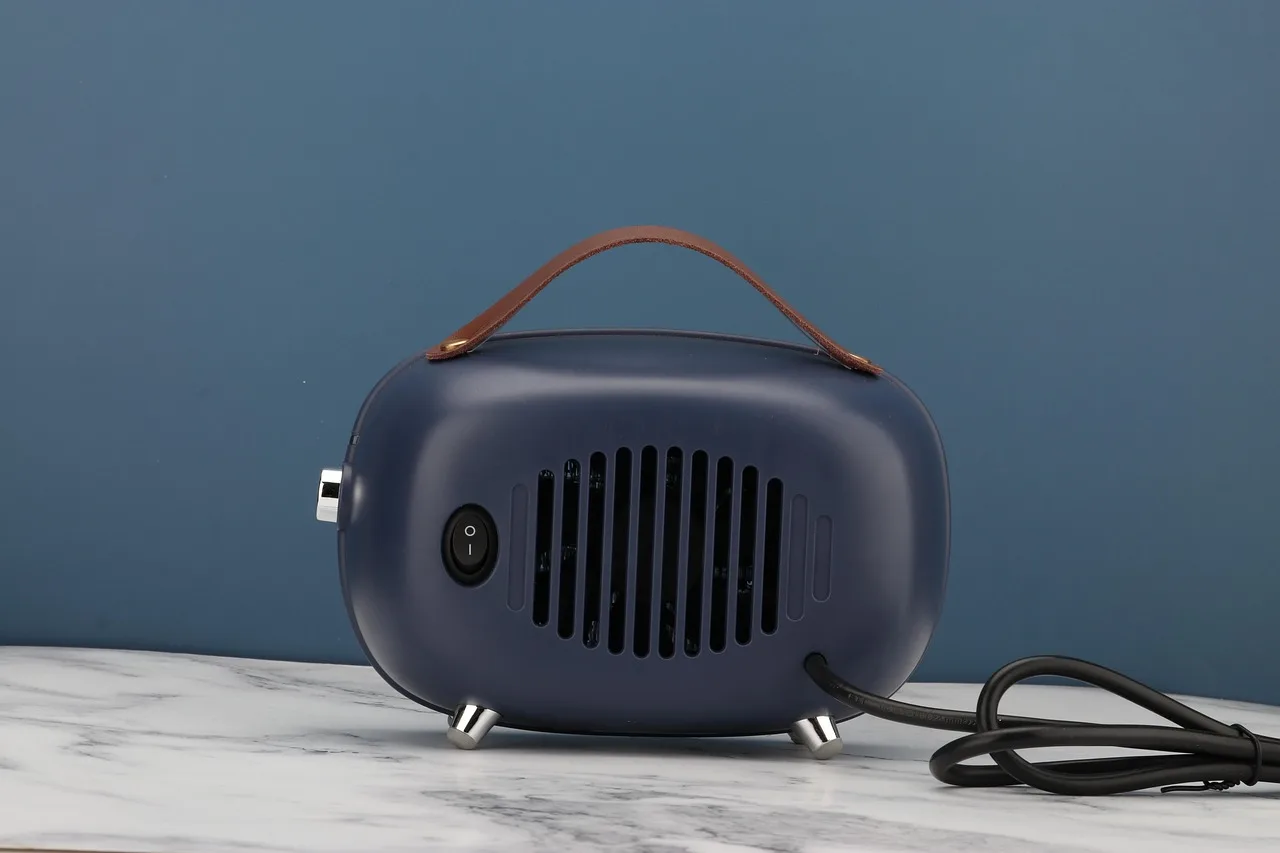
Start with the simplest checks. If the heater reaches the set temperature and the room feels steady, a longer runtime can be normal in cold weather, after setback changes, or on older equipment. If it never shuts off, blows lukewarm air, or leaves rooms uneven, move from homeowner checks to professional service.
What you can check first
-
Check the thermostat.
Confirm the setpoint is correct, the fan is on auto instead of on, and any setback schedule matches the time of day. A thermostat that is misprogrammed or out of calibration can make a working heater look faulty. -
Inspect the air filter.
A clogged filter can restrict airflow and stretch run times. Replace a dirty filter if it looks loaded with dust or debris, and compare the age of the filter to the manufacturer’s interval so you are not guessing. -
Check supply and return vents.
Make sure vents are open and not blocked by furniture, rugs, or storage. Weak airflow from one room to another points to a distribution problem, not always a failed heater.
Picture a 2,000-square-foot home with the thermostat set to 70°F and the fan set to on. The heater may seem nonstop because the blower keeps moving air even after the burner stops. That is a settings issue, not proof of a breakdown.
Suppose the same heater still runs for long stretches after the thermostat is set to auto, the filter is clean, and the house still never reaches temperature. That shifts the problem toward undersized equipment, a fault in the system, or heat loss from insulation gaps and air leaks.
When a long cycle can be normal
A heater that runs longer during extended cold temperatures can be operating normally. It may also run longer because of thermostat settings and programming, a fan set to on, dirty or clogged air filters, insulation issues, air leaks, or aging equipment that is working near its limit.
If the heater reaches the thermostat setting and the room holds close to that target, long cycles alone do not point to a failure. The pattern matters more than the runtime by itself.
When the heater is failing to keep up
Call for service when the heater cannot reach the set temperature, never shuts off, or pushes lukewarm or cool air. Uneven room heating is another sign of a possible system issue, especially when one zone feels normal and another stays cold.
A sudden spike in energy bills can also point to a heater problem. It does not confirm a specific fault, but it can signal efficiency loss, restricted airflow, or a control issue that needs inspection.
When a maintenance issue is likely
Maintenance issues usually sit in the middle. The heater still runs, but it works harder than it should because of airflow restrictions, settings, or simple wear. Those problems are often worth fixing soon, but they do not always mean the system is unsafe.
Common maintenance clues
- Dusty or clogged air filters that restrict airflow.
- Thermostat setbacks that lower the setpoint more than expected.
- Fan settings left on on instead of auto.
- Blocked supply vents or return vents.
- Room-to-room balance problems caused by poor airflow.
- An energy bill spike with no clear comfort change.
A common first-timer mistake is to blame the heater before checking the thermostat schedule. If the setpoint drops every afternoon and rises again at night, the system may be doing exactly what it was told to do.
How to tell maintenance from failure
Maintenance issues usually still allow heat to reach the setpoint, even if it takes longer. Failure is more likely when the heater cannot recover, cycles strangely, or leaves repeated cold spots after the basic checks are done.
That line matters because it changes the next step. A filter change or thermostat correction can solve a maintenance issue, while ignition trouble, combustion problems, or water backup needs a technician.
When to call a licensed technician now
Call now if you smell gas, see burning, hear repeated shutdowns, or suspect a combustion or electrical fault. Gas furnaces, electric heaters, and hydronic systems fail in different ways, so the warning sign should match the system type before you decide to reset, schedule, or shut it down.
Gas furnace warning signs
Gas furnaces need fast service when the igniter or pilot fails to light, ignition is intermittent, the flame sensor causes short cycling, or burners look dirty. Incomplete combustion and heat exchanger cracks are safety issues, and the heat exchanger itself should be inspected by a professional.
Do not try to clean, adjust, or replace ignition parts, burners, or a cracked heat exchanger yourself. Those parts affect combustion safety and should be handled by a licensed technician.
High-efficiency system warning signs
If the heater has a condensate system, check for a clogged condenser drain, condensate backup, or water-related shutdowns. High-efficiency equipment can stop running when drainage is blocked, so water around the unit may be more than a nuisance; it can be the fault that triggered the shutdown.
When water trips the system off repeatedly, do not keep resetting it. Repeated resets can hide the cause and delay the repair.
Hydronic system warning signs
Hydronic heaters have their own checks and failures. Air bleeding, radiator or baseboard airlock, circulator performance, and system pressure can all affect heat delivery, and uneven heat in radiators or baseboards often points to air or circulation trouble rather than thermostat error.
If some rooms heat normally while others stay cool, the issue may be trapped air, a weak circulator, or low system pressure. That calls for service, not random control changes.
Heater symptoms and next steps table
This table maps common symptoms to likely causes, safe homeowner checks, and the next step by system type. Use it to decide whether to reset, schedule service, or shut the heater down.
| Symptom | Likely cause | Gas furnace | Electric heater | Hydronic system | Homeowner-safe checks | Next step | Urgent safety flag |
|---|---|---|---|---|---|---|---|
| Heater runs longer than usual | Cold weather, setbacks, filter restriction, air leaks | Check thermostat, filter, vents | Check thermostat and airflow | Check thermostat and zone valves | Setpoint, fan setting, filter, vents | Monitor or schedule service if it cannot recover | No |
| Never shuts off at all | Thermostat error, airflow restriction, failed control | Service needed if it persists | Service needed if it persists | Service needed if it persists | Confirm setpoint and fan mode | Call a technician | Yes if overheating or burning odor appears |
| Lukewarm or cool air | Ignition issue, control fault, low output | Igniter, pilot, or burner fault | Heating element or control issue | Low water temperature or circulator issue | Check thermostat and filter only | Call a technician | Yes if gas odor or burning is present |
| Uneven room heating | Airflow balance issue or hydronic airlock | Check vents and filter | Check vents and filter | Bleeding, circulator, or pressure issue | Open vents, clear returns, note cold rooms | Schedule service | No |
| Short cycling | Dirty flame sensor, limit issue, airflow problem | Common with flame sensor or burner fault | Can point to control or airflow issue | Less common; check circulation | Replace filter, verify thermostat | Call a technician if it repeats | Yes if shutdown is repeated and unexplained |
| Igniter or pilot will not light | Ignition failure | Professional service required | Not applicable | Not applicable | Do not keep resetting | Call a technician now | Yes |
| Flame lights, then goes out | Dirty flame sensor or burner issue | Possible flame sensor cleaning or replacement | Not applicable | Not applicable | Check for repeated shutdowns only | Schedule service | Yes if repeated |
| Burning smell or visible soot | Incomplete combustion or overheating | Shut down and inspect professionally | Shut down and inspect professionally | Shut down and inspect professionally | Turn system off if safe to do so | Call a technician now | Yes |
| Water near the unit | Condensate backup or drain clog | Common in high-efficiency units | Not typical; inspect source of leak | Check for leaks at boiler or piping | Look for drain blockage or visible overflow | Call a technician | Yes if it shuts the unit down |
| Cold radiator or baseboard section | Airlock or circulation issue | Not typical | Not typical | Bleeding or pressure issue | Note which emitters are cold | Schedule service | No |
| Energy bill spike | Efficiency loss or hidden fault | Check filter, vents, and runtime pattern | Check thermostat and airflow | Check pressure and circulation | Compare month over month | Schedule service if the spike persists | No |
| Shuts off repeatedly | Control fault, flame sensor issue, safety trip | Common ignition or sensor symptom | Possible control or limit issue | Possible circulation or pressure issue | Count shutdowns and note timing | Call a technician now | Yes |
How to service a heater
Service starts with safe checks, then moves to the right technician if the symptom points beyond maintenance. For a homeowner, “service” means verifying settings, replacing a filter, clearing vents, and documenting the problem clearly before calling for repair.
-
Verify thermostat settings.
Check the setpoint, schedule, fan mode, and any setback settings. If the thermostat is misprogrammed, the heater can appear broken when it is following a bad command. -
Inspect airflow paths.
Replace a dirty filter and clear supply and return vents. Restricted airflow can cause long runtime, uneven rooms, or short cycling, depending on the system. -
Record the symptom pattern.
Note when the heater starts, how often it shuts off, which rooms stay cold, and whether there is lukewarm air or a bill spike. A technician can use that pattern to narrow the fault faster.
Do not open combustion chambers, touch ignition parts, or try to repair electrical controls. Those are service tasks, not homeowner maintenance.
Frequently asked questions
Who is my heating provider?
Your heating provider is usually the utility or fuel supplier that delivers the energy source, such as gas, oil, or district heat, not the repair contractor. If you need account or delivery details, check a recent bill, lease paperwork, or the meter tag near the appliance or service area.
Who to call for heating problems
Call a licensed heating technician for ignition failure, repeated shutdowns, lukewarm air, water backup, or a suspected combustion issue. If you smell gas or see burning, shut the heater down if it is safe to do so and call for emergency help before scheduling normal service.
What heater problems require a technician
Problems that may require a technician include igniter or pilot failure, dirty flame sensor faults that can cause short cycling, burner issues, cracked heat exchangers, condensate drain backup, and hydronic circulation or pressure problems. Those symptoms can affect safety, shutdown behavior, or heat delivery in ways homeowner checks cannot fix.
Why is my heater running constantly?
A heater can run longer in extended cold weather, after thermostat setbacks, with the fan set to on, or when filters and vents restrict airflow. If it still never shuts off, cannot reach temperature, or leaves rooms uneven, that pattern points to a maintenance or repair issue rather than normal runtime.
What signs mean my heater is not working properly
Lukewarm or cool air, uneven room heating, repeated shutdowns, ignition trouble, water around a high-efficiency unit, and a sudden energy bill spike all point to trouble. A single sign does not prove the cause, but repeated symptoms after safe checks usually mean the heater needs professional service now.