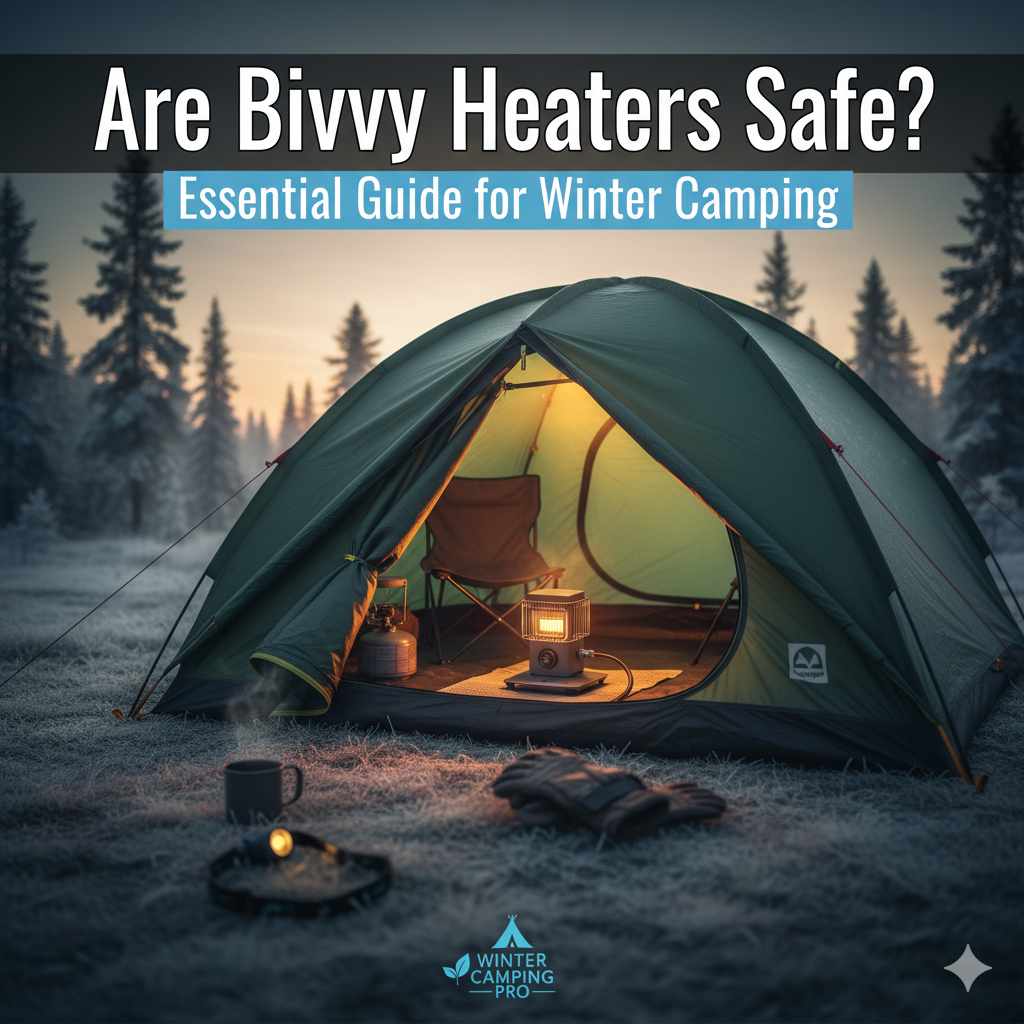
Are Bivvy Heaters Safe? Yes, with Ventilation
Bivvy heaters, when used according to manufacturer instructions and with proper ventilation, are generally safe for their intended purpose of providing temporary heat in emergency or outdoor situations. Always prioritize safety with sufficient airflow and careful placement to prevent carbon monoxide buildup.
Feeling a chill and looking for a quick way to warm up? Portable heaters, often called bivvy heaters, can seem like a great idea, especially when you’re camping, facing a power outage, or need a boost of heat in a small, temporary space. But a common question pops up: are bivvy heaters safe? It’s completely wise to ask! We want warmth and comfort without any worries. This guide will break down exactly how these heaters work, the safety precautions you absolutely need to know, and how to use them confidently.
We’ll walk through everything step-by-step, making it easy for you to enjoy peace of mind with your temporary heating solutions. Let’s get that cozy feeling without any guesswork!
What is a Bivvy Heater?
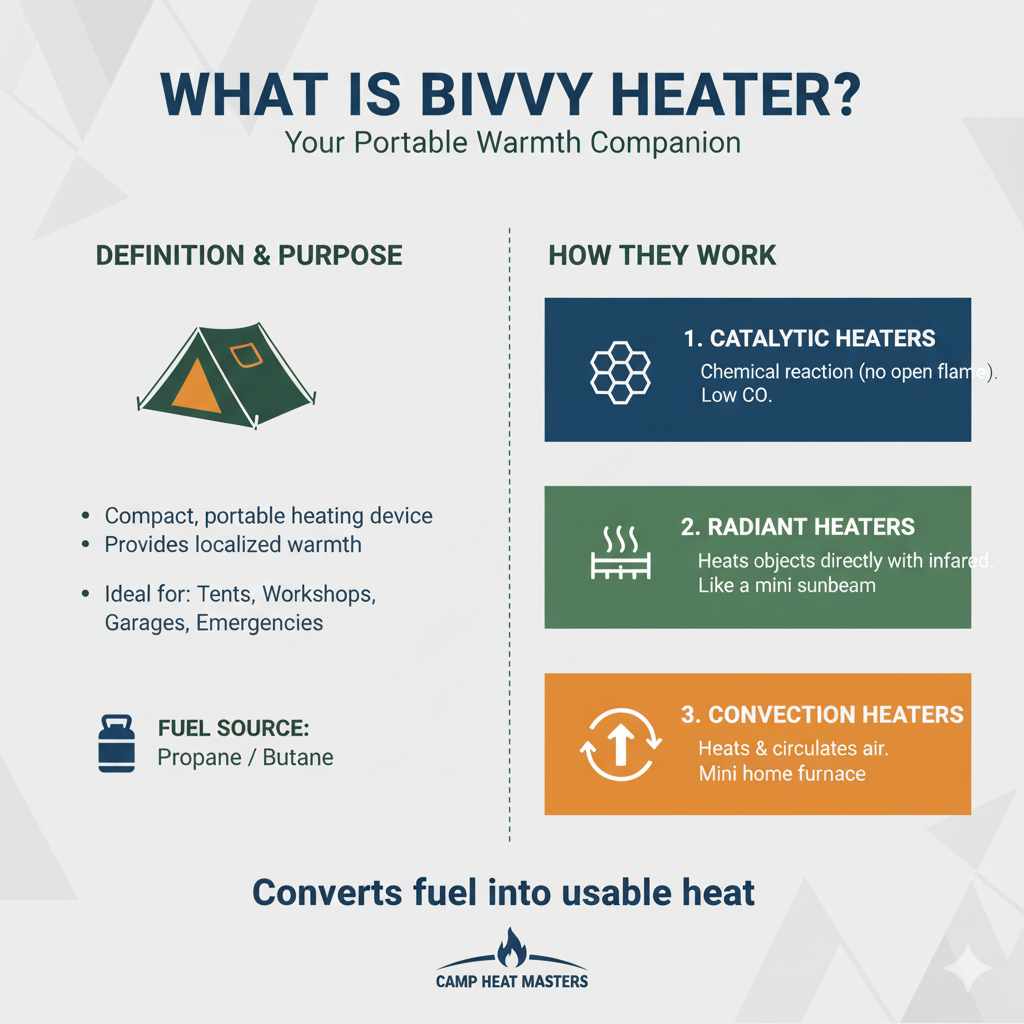
A bivvy heater, often referred to as a portable catalytic heater or a propane heater designed for small spaces, is a compact heating device. Its primary function is to provide a localized source of warmth in areas without central heating or electricity, or as a backup during emergencies. These heaters typically run on fuel sources like propane or butane, converting the fuel into heat through a combustion or catalytic process.
Think of them as your portable warmth companions. They are designed for temporary use, often in settings like camping tents, workshops, garages, or even as a temporary solution during a home power outage. Their small size and portability are key features, making them easy to transport and set up wherever you might need a little extra heat.
How Do They Work?
The way a bivvy heater works depends largely on its type, but they generally fall into a few categories:
- Catalytic Heaters: These use a chemical reaction (oxidation) to produce heat without an open flame. A catalyst (like platinum) helps the fuel (usually propane or butane) burn very slowly and efficiently. This process typically produces less carbon monoxide than direct combustion heaters.
- Radiant Heaters: These often have a ceramic or metal element that heats up and radiates infrared heatwaves. Think of a small, portable version of a sunbeam warming you up. They usually use propane or butane.
- Convection Heaters: Some portable heaters work by heating the air around them and then circulating that warm air, similar to how a home furnace works but on a much smaller scale.
The key takeaway is that they all rely on a fuel source and a mechanism to convert that fuel into usable heat. Understanding this basic principle helps in appreciating why safety measures are so important.
Are Bivvy Heaters Safe? The Essential Safety Check
This is the big question, and the answer is a resounding yes, with conditions. Bivvy heaters can be safe when used correctly and with a full understanding of their potential risks. The primary concern with any fuel-burning heater is the production of carbon monoxide (CO), an odorless, colorless gas that can be deadly. However, many modern bivvy heaters are designed with safety features to minimize these risks.
Safety isn’t just about the heater itself; it’s about how and where you use it. By following certain guidelines, you can enjoy the warmth they provide without putting yourself or others at risk.
The Risks: What You Need to Know
It’s crucial to be aware of the potential dangers associated with portable heaters. Understanding these risks is the first step in preventing them:
- Carbon Monoxide (CO) Poisoning: This is the most significant risk. Incomplete combustion of fuels like propane or butane releases carbon monoxide. If a bivvy heater is used in a poorly ventilated area, CO can build up to dangerous levels. Symptoms can include headache, dizziness, nausea, and in severe cases, unconsciousness or death. For more information on carbon monoxide safety, you can refer to resources from the Centers for Disease Control and Prevention (CDC).
- Fire Hazards: Like any heating device, bivvy heaters can be a fire risk if placed too close to flammable materials such as bedding, curtains, clothing, or dry leaves. Overheating can also occur, posing a fire threat.
- Burns: The surfaces of many bivvy heaters can become very hot during operation. Accidental contact can cause serious burns.
- Oxygen Depletion: In very enclosed spaces, heaters that consume oxygen can potentially deplete the available oxygen supply, which can be harmful.
Key Safety Features to Look For
When choosing a bivvy heater, look for models that incorporate safety features. These are designed to give you extra peace of mind:
- Oxygen Depletion Sensor (ODS): This is a critical safety feature. An ODS will automatically shut off the heater if the oxygen level in the surrounding air drops below a certain point, indicating poor ventilation.
- Tip-Over Switch: This feature automatically shuts off the heater if it is accidentally knocked over, preventing it from continuing to operate unattended and potentially starting a fire.
- Automatic Shut-off Timers: Some models come with built-in timers that will turn the heater off after a set period, ensuring it doesn’t run indefinitely and helping to manage fuel consumption and safety.
- Flame Failure Device: This safety mechanism cuts off the fuel supply if the flame is accidentally extinguished, preventing the release of unburned gas.
Always check the product description and manual for these safety features before purchasing and using a bivvy heater.
How to Use a Bivvy Heater Safely: Your Step-by-Step Guide
Using a bivvy heater safely is all about preparation, proper placement, and mindful operation. Follow these steps to ensure you’re staying warm and safe:
Step 1: Read the Manual
Yes, it sounds simple, but the manufacturer’s manual is your most important safety guide. It contains specific instructions for your model regarding assembly, operation, fuel, and crucial safety warnings. Don’t skip this step!
Step 2: Choose the Right Location
This is perhaps the most critical aspect of safe bivvy heater use. Never use a bivvy heater in a completely enclosed, unventilated space.
- Ventilation is Key: Always ensure there is adequate airflow. This means opening a window or vent slightly, even in cold weather. For tents, keep a small opening for fresh air. For workshops or garages, ensure some natural ventilation or open doors periodically.
- Stable, Level Surface: Place the heater on a flat, stable, and non-flammable surface. Avoid placing it on carpets, tablecloths, or other materials that could catch fire or melt.
- Clearance from Flammables: Maintain a safe distance between the heater and any combustible materials. As a general rule, keep items like bedding, curtains, furniture, paper, and clothing at least three feet away from the heater.
- Away from High Traffic Areas: Position the heater where it’s unlikely to be bumped or knocked over.
Step 3: Fueling and Ignition
Follow the manufacturer’s instructions precisely when connecting fuel canisters (e.g., propane or butane). Ensure canisters are securely attached and there are no leaks.
- Use the Correct Fuel: Only use the type of fuel recommended in the manual. Using the wrong type can damage the heater or create safety hazards.
- Check for Leaks: After connecting a fuel canister, you can often check for small leaks by applying a soapy water solution to the connection point. If bubbles form, there’s a leak, and you should disconnect the canister immediately and investigate.
- Ignition: Follow the specific ignition procedure for your model. Be aware of any initial gas smell and ensure it dissipates quickly as the heater ignites.
Step 4: Operation and Monitoring
Once the heater is running, continue to monitor it.
- Never Sleep with it On: Do not operate a bivvy heater in a sleeping area while unattended, especially while sleeping. Even heaters with advanced safety features should not be used this way.
- Regularly Check Ventilation: Periodically ensure that your ventilation openings remain clear and that airflow is not obstructed.
- Listen and Smell: Pay attention to any unusual noises or persistent fuel smells. If you suspect an issue, turn the heater off immediately.
- Carbon Monoxide Detectors: For added safety, especially if using the heater during a power outage in your home, install battery-operated carbon monoxide detectors in the area. These devices are inexpensive and can be life-saving. Organizations like the National Fire Protection Association (NFPA) offer excellent resources on CO safety.
Step 5: Turning Off and Storage
When you are finished using the heater, turn it off according to the manufacturer’s instructions.
- Allow to Cool: Let the heater cool down completely before storing it or touching any of its parts.
- Disconnect Fuel: Disconnect the fuel canister if you are storing the heater for an extended period or transporting it. Store fuel canisters separately in a well-ventilated area, away from heat sources.
- Proper Storage: Store the heater in a clean, dry place, as recommended by the manufacturer.
Bivvy Heater Types and Safety Considerations
Different types of bivvy heaters have slightly different safety profiles and best practices. Here’s a look at some common ones:
Propane Heaters
Propane heaters are very common for portable heating. They are generally robust and provide good heat output.
- Pros: High heat output, widely available fuel, efficient.
- Cons: Can produce more CO than catalytic models if not properly maintained or ventilated, fuel canisters can be bulky.
- Safety Tips: Always use with adequate ventilation and preferably a propane heater with an ODS and tip-over switch. Ensure fuel connections are secure.
Butane Heaters
Butane heaters are often smaller and lighter than propane units, making them very portable.
- Pros: Lightweight, compact, easy-to-use fuel cartridges.
- Cons: Lower heat output compared to propane, can be less efficient in very cold temperatures (butane doesn’t vaporize well below freezing), still produce CO.
- Safety Tips: Ventilation and CO detectors are essential. Ensure correct butane cartridges are used.
Catalytic Heaters
These are often considered the safest type due to their flameless combustion process.
- Pros: Produce very little CO under normal operation, no open flame, generally very efficient.
- Cons: Can be more expensive, heat output might be lower than direct-combustion propane heaters, require periodic maintenance of the catalytic pad for optimal performance.
- Safety Tips: While they produce less CO, ventilation is still recommended. Ensure there’s airflow to support the catalytic process and dissipate any minimal byproducts.
Here’s a quick comparison table for common portable heaters:
| Heater Type | Primary Fuel | Typical Use | Key Safety Consideration | Ventilation Requirement |
|---|---|---|---|---|
| Propane Bivvy Heater | Propane | Workshops, garages, camping, emergency home heat | Carbon Monoxide (CO) production, fire hazard from direct flame | HIGH – constant airflow needed |
| Butane Bivvy Heater | Butane | Camping, small indoor spaces (temporary) | Carbon Monoxide (CO) production, potential for tip-overs | MODERATE to HIGH – airflow recommended |
| Catalytic Bivvy Heater | Propane or Butane | Tents, small enclosed spaces requiring flameless heat | Minimal CO production, but can still occur; heat output | MODERATE – still advised for optimal safety and performance |
When Should You Use a Bivvy Heater?
Bivvy heaters are designed for specific situations. Using them appropriately is part of using them safely.
- Camping and Outdoor Adventures: Especially in cooler months, they can make your tent or shelter much more comfortable.
- Emergency Home Heating: During power outages, they can provide essential warmth for a room or small area.
- Workshops and Garages: If you spend time in a detached or unheated workshop, a bivvy heater can make it usable during colder periods.
- Temporary Heating Needs: Situations like waiting for a central heating system to be repaired can be made more comfortable with a temporary solution.
It’s important to remember that bivvy heaters are generally not intended for continuous use in occupied living spaces as a primary heating source. They are best suited for temporary or emergency situations where their benefits clearly outweigh the risks when proper precautions are taken.
Alternatives to Bivvy Heaters
While bivvy heaters offer a quick heating solution, other options might be better suited for different needs or provide enhanced safety.
- Electric Heaters: Kerosene heaters, ceramic heaters, and oil-filled radiators are all electric options that don’t produce combustion byproducts like CO and are generally considered safer for indoor use, provided they are used responsibly and kept away from flammables. Power requirements and energy efficiency vary. For guidance on choosing electric heaters, you can look to resources from energy efficiency organizations.
- Passive Solar Heating: Maximizing natural sunlight by opening curtains during the day can help warm your home without any energy consumption.
- Increased Insulation: Improving the insulation in your home or a specific room is a long-term, energy-efficient solution for staying warm.
- Layering Clothing: Simple but effective – wearing more layers indoors can significantly increase your personal comfort without using any extra energy.

Frequently Asked Questions (FAQ)
Q1: Can I use a bivvy heater to heat my entire house during a power outage?
No, bivvy heaters are designed for heating small areas or temporary use. Attempting to heat an entire house, especially a large one, is not recommended and poses significant safety risks due to inadequate ventilation and the potential for CO buildup in larger volumes. For whole-house heating during an outage, consider a generator powering your home’s furnace or electric heaters.
Q2: How much ventilation do I really need when using a bivvy heater?
You need enough ventilation to ensure a constant supply of fresh air and to prevent any dangerous buildup of combustion byproducts like carbon monoxide. This usually means having at least one small window or vent cracked open, or a door slightly ajar. The exact amount can depend on the heater’s output and the size of the space; always refer to the manufacturer’s guidelines.
Q3: My bivvy heater smells like gas. Is that normal?
A very faint smell of gas right as you ignite it might be normal for some models, but it should dissipate quickly once the heater is running properly. A persistent or strong smell of gas indicates a leak, improper combustion, or a problem with the heater. Turn off the heater immediately, disconnect the fuel, and do not use it again until it has been inspected and repaired by a qualified professional.
Q4: Are catalytic heaters really safer than propane heaters?
Generally, yes. Catalytic heaters produce significantly less carbon monoxide because the oxidation process is more complete and doesn’t involve an open flame. However, they still require some ventilation and should not be used in completely sealed environments. Always follow the manufacturer’s instructions for the best safety outcomes, regardless of heater type.
Q5: How often should I check my carbon monoxide detector when using a bivvy heater?
If you are using battery-operated CO detectors, ensure they are functioning correctly by testing them weekly. Replace the batteries at least once a year, or as recommended by the detector manufacturer. For any period of sustained use of a fuel-burning appliance, having a working CO detector in the immediate vicinity is crucial. You can find more safety tips on CO detectors from manufacturers like Kidde or First Alert, who are leading safety product providers.
Q6: Can I use a bivvy heater in my RV or camper?
Many bivvy heaters are designed for use in RVs and campers, but it’s critical to use models specifically approved for such use (e.g., RVIA certified). Always ensure proper ventilation is maintained, adhering to RV safety standards. Many modern RVs have built-in safety features like CO detectors and proper ventilation systems. Never use a heater in an RV that is not designed or certified for that purpose.