How to Inspect Heater Venting for Blockages
If you smell gas, see soot, or a carbon monoxide alarm sounds, stop using the heater and call a professional; otherwise, inspect the full vent path from the appliance to the outside termination for blockages. Ignoring a blocked or backdrafting vent can send exhaust into the home and create a carbon monoxide hazard. This guide shows what to check, how to read simple draft signs, and when a blockage means the heater is off-limits until a qualified technician inspects it.
Heater vent blockages and safety
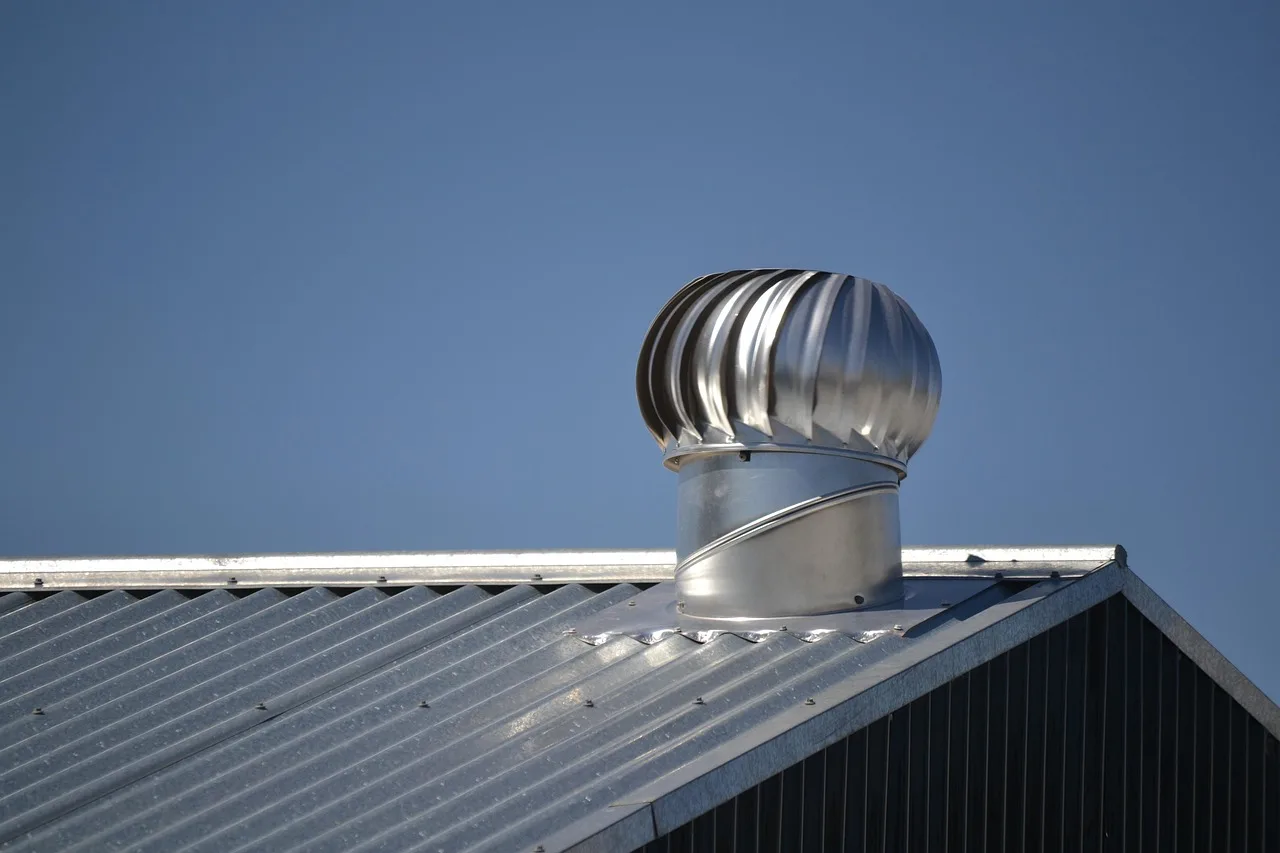

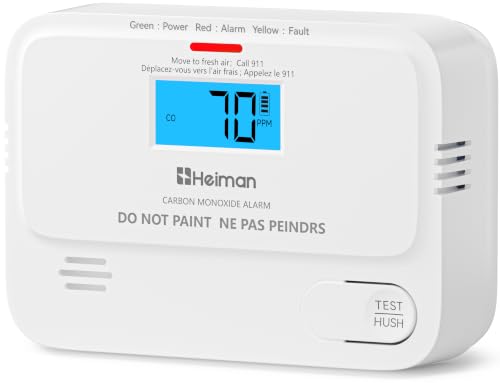

Gas heater exhaust has to exit the home through the vent system. If the vent path is blocked or draft is weak, exhaust can spill indoors instead of moving outside, and carbon monoxide is the main safety risk. That risk rises fast when venting problems combine with poor combustion air, wind, or a shared flue.
Why backdrafting matters
Backdrafting means exhaust moves the wrong way. It can happen because of a blockage, house depressurization, wind at the termination, or interference from another appliance tied into the same flue. The danger is not only heat loss or odor; it is exhaust entering living space.
What to check first
- Confirm the heater type. Identify whether you are inspecting an atmospheric draft heater, a power vent heater, or a direct vent heater. The vent path and the warning signs are different for each.
- Start at the appliance. Look at the draft hood, vent pipe, and any visible joints for soot, rust, loose connections, or crushed sections. Keep the heater off if you see heavy soot, a damaged pipe, or exhaust spill.
- Follow the vent outdoors. Check the full run to the vent termination. Look outside for leaves, bird nests, lint, snow, ice, debris, or corrosion that could narrow the outlet.
- Check for draft signs. Use a mirror, tissue, or smoke test only as a quick direction check at the draft hood on an atmospheric unit. If the results are weak or reversed, stop and escalate.
- Watch for stop-use signs. A CO alarm, repeated pilot outage, yellow flame, or visible exhaust indoors means the heater is not cleared for continued use.
What type of heater vent are you checking?
Different heaters fail in different ways. Atmospheric draft heaters depend on buoyancy and proper vent slope, so they are more sensitive to backdrafting. Power vent heaters use a fan and electricity to push exhaust out. Direct vent heaters use sealed combustion, outdoor air intake, and an exterior termination.
Atmospheric draft heaters
These heaters rely on natural draft. The vent pipe must rise and slope correctly so exhaust can move upward without pooling. The draft hood, usually at the top of an atmospheric gas water heater, is the main spot for mirror, tissue, or smoke checks.
Power vent heaters
These models use a fan to move exhaust, so electrical power is part of the venting system. Many use plastic vent materials. If the fan fails, the control may lock out the heater or it may vent poorly, so a vent concern here is a stop-use issue until it is checked.
Direct vent heaters
These units are sealed from indoor air and pull combustion air from outside. Their venting depends on the exterior termination staying clear and intact. A blocked intake or outlet can still create a serious problem, even though the combustion chamber is sealed.
Use a safe sequence: visual inspection, then a simple draft check, then escalation if anything looks off. Do not open sealed combustion chambers or try to repair vent components. If the heater shows signs of spill, corrosion, or repeated pilot problems, stop there and call a qualified technician.
- Shut down if needed. Turn the heater off if you already see soot, a CO alarm, a strong exhaust smell indoors, or a crushed vent pipe. Those are not conditions to “watch and wait.”
- Inspect the vent path. Trace the vent pipe from the appliance to the termination. On atmospheric units, the pipe is often single-wall galvanized steel, and it can corrode from condensation or collect nests and debris.
- Check the termination. Look outside for leaves, bird nests, lint, snow, ice, or other obstructions around the vent termination. Wind can also push exhaust back through this point.
- Read the draft hood. At the draft hood, look for soot, condensation marks, rust streaks, or loosened joints. The hood is the place where exhaust should move smoothly upward.
- Use a simple draft test. Hold a small strip of tissue near the draft hood. If draft works correctly, the tissue should pull toward the vent. A mirror can show steam or condensation, and incense smoke can show whether draft moves in the right direction.
Say your atmospheric water heater has a clean-looking vent pipe but the tissue at the draft hood flutters away from the hood for several seconds after startup. That suggests poor draft or backdrafting, not a clear vent path. The heater should not keep running until the cause is checked.
Suppose a direct vent unit has an outside termination with ice around the opening. Even if the appliance cabinet looks normal, the blocked termination can restrict airflow and disrupt the sealed combustion system. The proper next step is to stop use and clear the obstruction only if it is safe to do so from the outside.
What do draft test results mean?
Draft tests give direction, not a full clearance. A mirror, tissue, or smoke test can show whether the vent is pulling exhaust the right way at the draft hood. If the result is weak, delayed, or reversed, treat it as a venting concern that needs further inspection.
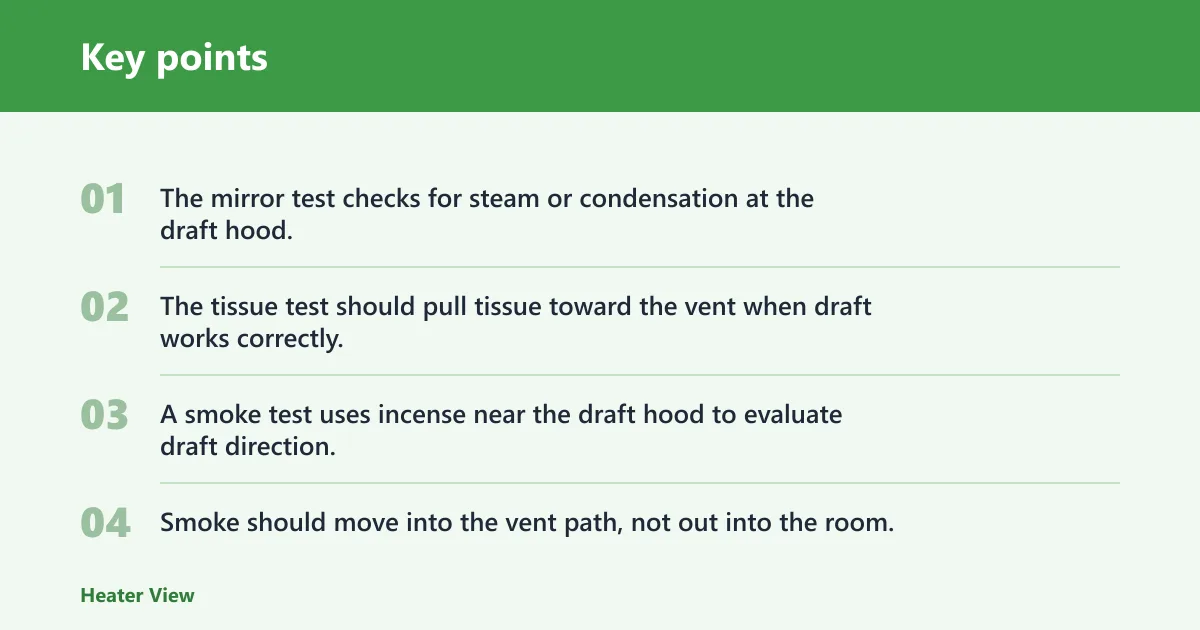
Mirror and tissue checks at the draft hood
The mirror test checks for steam or condensation at the draft hood. The tissue test should pull tissue toward the vent when draft works correctly. If the tissue falls away, or if the mirror fogs in a way that suggests spill rather than draw, do not assume the heater is safe.
Smoke test clues at the vent termination
A smoke test uses incense near the draft hood to evaluate draft direction. Smoke should move into the vent path, not out into the room. At the outdoor termination, smoke behavior can also reveal wind-related backdrafting, especially when exhaust swirls or stalls near the opening.
Heater vent blockage triage
| Symptom observed | Likely cause | Action threshold |
|---|---|---|
| Soot around the draft hood | Exhaust spill, poor draft, or incomplete combustion | Stop using the heater and get a professional inspection |
| Rust at the vent pipe or hood | Condensation, corrosion, or chronic poor venting | Stop use if rust is active, spreading, or paired with spill signs |
| Condensation at the draft hood | Weak draft, cool vent surfaces, or venting instability | Recheck draft; call a pro if it repeats after startup |
| Yellow or orange flame | Venting issue or combustion-air problem | Stop use and schedule an inspection |
| CO detector alarm | Exhaust entering living space | Stop using the heater, leave the area if needed, and get urgent help |
| Pilot will not stay lit | Disrupted venting or unsafe combustion conditions | Do not keep relighting; call a technician |
| Rattling or crunching in the vent pipe | Debris, loose parts, or a damaged section | Stop use if the noise comes with poor draft or spill |
| Crushed or kinked vent pipe | Physical blockage and restricted exhaust flow | Immediate stop-use condition |
| Wind pushes exhaust back | Backdrafting at the termination | Stop use if exhaust spill is visible or repeated |
| Shared flue interference | Another appliance is disturbing draft | Stop use until a qualified technician checks the shared flue |
| Strong exhaust smell indoors | Backdrafting or a vent leak | Stop use and get help |
| Poor draft only when another appliance runs | House depressurization from competing exhaust appliances | Call a pro; do not keep operating the heater |
What causes vent pipes to block?
Most blockages come from a small list of causes: nests, debris, soot buildup, corrosion, crushed sections, poor vent slope, wind, depressurization, and shared flue problems. The point is not only to find dirt in the pipe, but to separate a true blockage from a draft problem caused by the home or another appliance.
Nests, debris, and soot buildup
Bird nests and other debris can block a vent termination or narrow a pipe. Soot buildup points to combustion trouble and can also coat the draft hood or vent walls. If soot is visible, treat it as a sign of a venting problem, not a cleaning-only issue.
Corrosion, crushed pipe, and poor slope
Single-wall galvanized steel is typical for atmospheric heater vent pipe, and it can corrode from condensation. A pipe that is crushed, sagging, or pitched the wrong way can trap exhaust instead of carrying it out. Atmospheric draft heaters are especially sensitive to that slope.
Wind, depressurization, and shared flue interference
Wind can push exhaust back through the vent termination. Competing exhaust appliances can depressurize the house interior, which weakens draft and can pull exhaust the wrong way. Shared flue issues can push the water heater’s exhaust back when another appliance changes the pressure balance.
When should you stop using the heater?
Stop using the heater if a CO alarm sounds, if exhaust is visibly entering the room, if the vent pipe is crushed, or if the pilot keeps going out because of venting problems. Visible soot, active rust, repeated backdrafting, or a strong exhaust smell indoors also move the problem into no-use territory.
Carbon monoxide alarms and repeated pilot outages
A carbon monoxide detector alarm is a clear warning sign of exhaust entering living space. Test the detector monthly, because CO is odorless and colorless. If the pilot will not stay lit and the problem appears tied to draft or venting, do not keep relighting the heater.
Visible soot, rust, or exhaust indoors
Soot around the draft hood, rust at the vent, condensation that keeps returning, or exhaust smell inside the home all point to a problem that should not be ignored. A quick glance is not enough to clear the heater for use when those signs are present.
How often should heater venting be inspected?
Have heater venting inspected annually, and sooner if soot, rust, pilot problems, or draft changes are noticed after wind or remodeling. Annual service should include vent path inspection and cleaning where needed, because blockages and corrosion can build slowly. A quick homeowner check is still useful between service visits.
Frequently asked questions
How do you check a furnace vent for blockage?
Start by checking the visible vent path from the furnace or heater to the outdoor termination. Look for nests, debris, corrosion, crushed pipe, and soot. Then use a tissue or smoke check at the draft hood if the unit is atmospheric. Any CO alarm, exhaust smell, or repeated pilot issue means stop use.
How do you inspect a vent pipe for blockage?
Inspect the pipe from the appliance to the outside exit point. Look for rust, sagging sections, loose joints, dents, and anything that narrows the passage. For atmospheric units, the pipe should slope properly so exhaust can move out. If the pipe is crushed or heavily corroded, do not keep using the heater.
How do you check a vent pipe for blockage?
You can do a basic visual check and a draft-direction check, but you cannot confirm every hidden blockage without professional tools. Hold tissue near the draft hood and see whether draft pulls it toward the vent. If the result is weak, reversed, or inconsistent, treat it as a venting fault.
How do you inspect air ducts for blockages?
Air ducts are part of the heating distribution system, not the exhaust venting system. Look for disconnected sections, crushed flex duct, blocked registers, or heavy dust buildup that restricts airflow to rooms. That inspection is separate from heater exhaust checks, and it does not tell you whether combustion exhaust is venting safely.
What are signs a heater vent is blocked?
Common signs include soot around the draft hood, rust, condensation, yellow or orange flame, a pilot that will not stay lit, rattling debris, and backdrafting. A CO alarm is the most serious warning sign. If you see any of those, stop using the heater and get it checked.
Can I do a basic vent blockage check myself?
Yes, a homeowner can do a basic visual check of the vent path and a simple draft test at the draft hood on an atmospheric unit. You should not open sealed combustion chambers or try to repair the vent. If the heater shows spill, a CO alarm, or a crushed pipe, call a pro.