Oil Filled Radiator vs Electric Heater Electricity Usage: Proven Savings
Oil-filled radiators are often more energy-efficient for sustained heating than standard electric heaters, due to their retained heat. This means they can use less electricity overall to maintain a comfortable temperature, potentially saving you money on your energy bills.
For a related heater topic, Hydronic vs Electric Heaters gives readers a useful next step.
If running cost or sizing is part of the decision, Do Block Heaters Run Constantly? explains the numbers from a related angle.
Choosing the right heater can be a puzzle, especially when you’re worried about keeping your home warm without breaking the bank. Many of us have faced chilly rooms and high electricity bills, wondering if there’s a better way. You might be looking at two popular options: the oil-filled radiator and the standard electric heater. They might seem similar, but understanding how they use electricity can make a big difference for your comfort and your wallet. Let’s explore their differences and discover how to save energy and money.
Understanding Your Heating Options: Oil-Filled Radiators vs. Electric Heaters
When it comes to staying warm, especially in smaller rooms or as a supplement to your main heating system, portable electric heaters are a common go-to. Two popular types you’ll often see are the oil-filled radiator and the more traditional electric space heater (like ceramic or fan heaters). While both use electricity to generate heat, their design and how they release that heat lead to noticeable differences in energy consumption and effectiveness.
Think of it this way: Would you rather keep a pot of water constantly on the boil, or heat it up once and let its residual warmth keep your tea warm for a while? That’s a bit like the difference we’ll explore. We’ll break down exactly how each type works, how much electricity they tend to sip, and which one might offer those “proven savings” you’re looking for.

How Oil-Filled Radiators Work: Gentle, Lasting Warmth
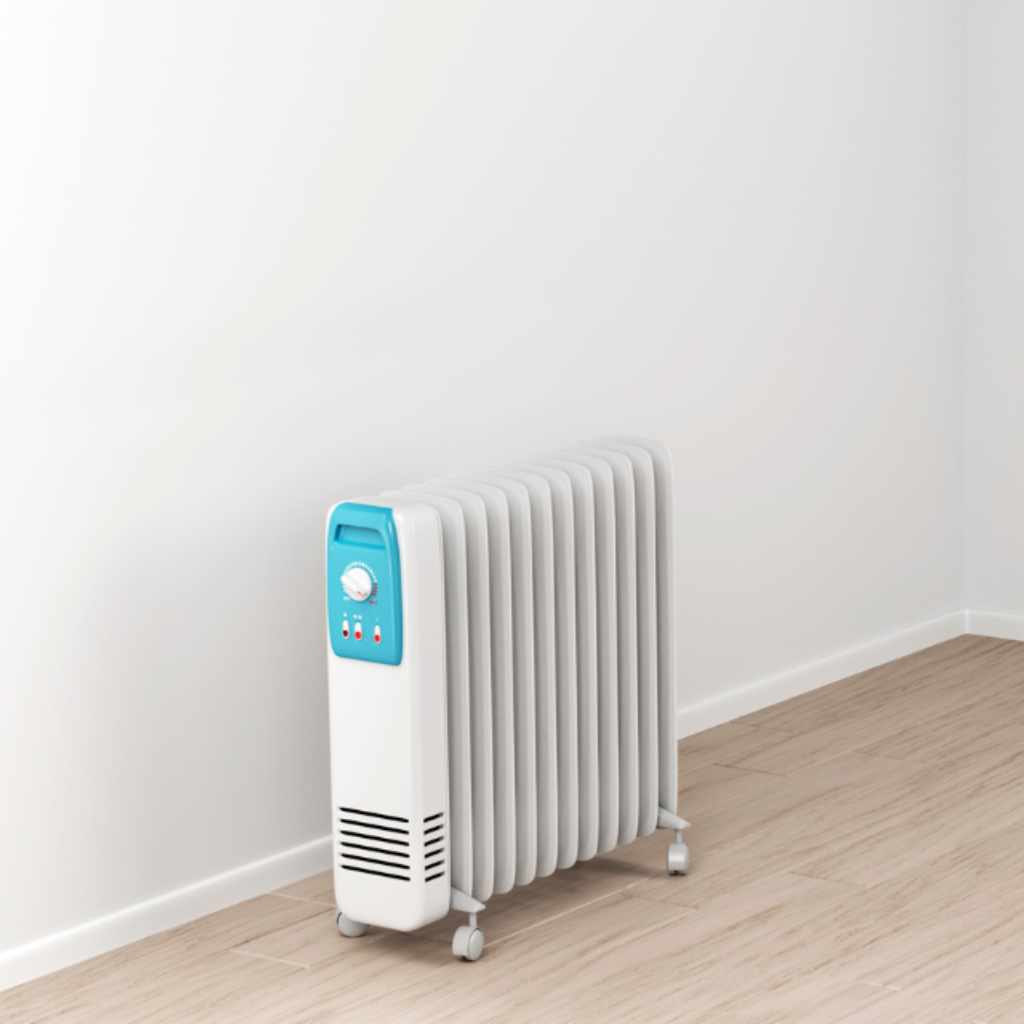
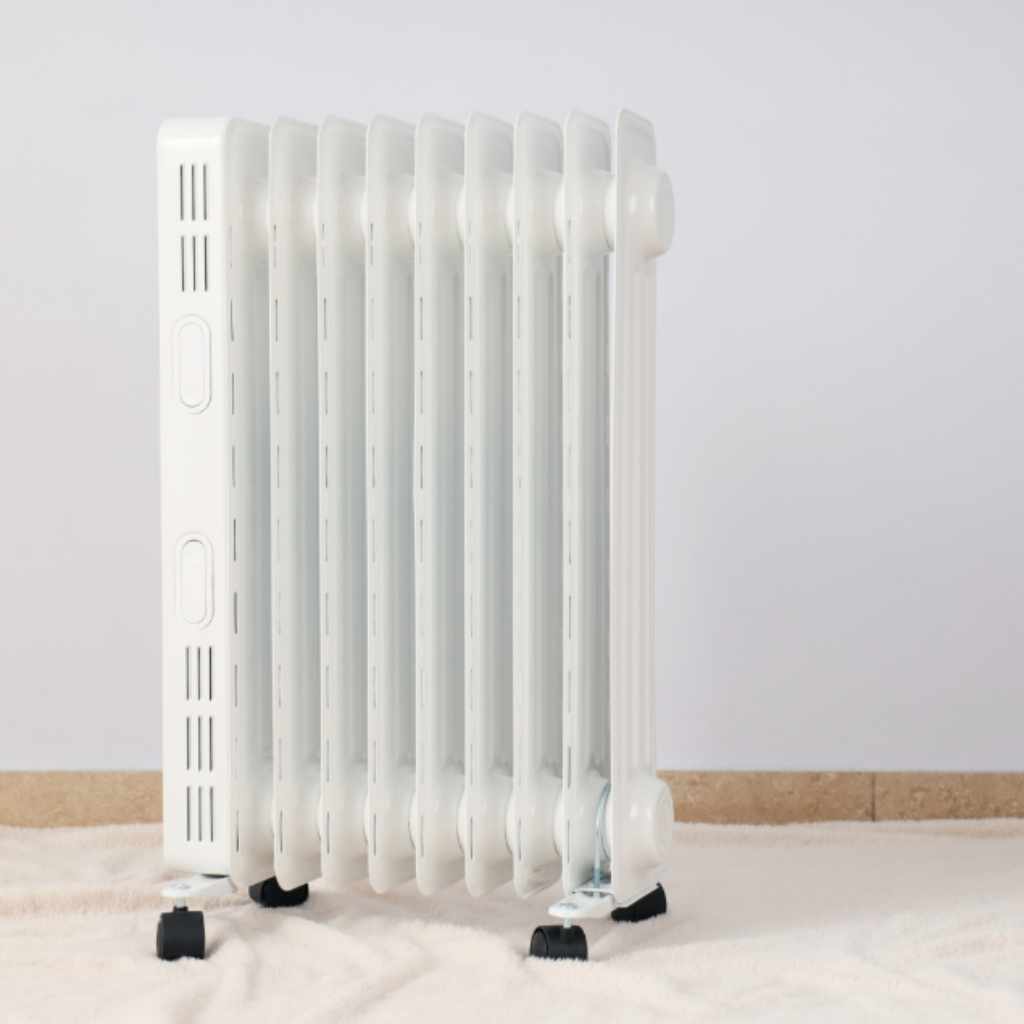
An oil-filled radiator might look like a traditional old-school radiator, but it’s powered by electricity. Inside its sealed metal fins, you’ll find a special diathermic oil. When you plug it in and turn it on, an electric element at the bottom starts heating up.
This heating element warms the oil. Because oil heats up slowly but retains heat very well, it gradually circulates throughout the radiator’s fins. These fins then radiate a gentle, steady warmth into the room. The beauty of oil-filled radiators is that even after you turn them off, the heated oil continues to release warmth for some time, acting like a thermal battery.
This slow and steady heating process is key to understanding their electricity usage. They don’t blast heat instantly; instead, they provide a consistent, comforting warmth that can make your room feel toasty for longer periods, often with fewer on-and-off cycles.
Pros of Oil-Filled Radiators:
- Provides a gentle, radiant heat that’s less drying to the air.
- Retains heat even after being turned off, offering continued warmth.
- Operates quietly, making them ideal for bedrooms or offices.
- Often have thermostats to maintain a set temperature.
- Generally safer to the touch than exposed heating elements.
Cons of Oil-Filled Radiators:
- Takes longer to heat up a room initially.
- Can be heavier and less portable than other electric heaters.
- The oil itself doesn’t need replacing, but the unit is sealed.
How Standard Electric Heaters Work: Quick Heat, But Constant Power
Standard electric heaters, often referred to as space heaters, come in various forms like ceramic heaters, fan heaters, or infrared heaters. Their common thread is how they generate heat: by passing electricity through a resistive element, which gets hot.
Ceramic heaters use a ceramic element that heats up quickly. A fan often blows air over this hot element, distributing the heat.
Fan heaters (or convection heaters) typically use a heating coil and a fan to push air across it and into the room.
Infrared heaters use radiant heat, much like the sun’s rays, to warm objects and people directly rather than just heating the air.
These heaters are designed to provide quick bursts of heat. When the room temperature drops below your set point, they kick on, heat up rapidly, and then usually shut off once the desired temperature is reached. This on-and-off cycling is a defining characteristic of their operation.
The efficiency of a standard electric heater is often measured by how much electrical energy is converted into heat. Generally, nearly 100% of the electrical energy consumed by an electric resistance heater is converted into heat. The difference lies not in how effectively they turn electricity into heat, but how long they need to run and how quickly they lose that heat once turned off.
Pros of Standard Electric Heaters:
- Heat up rooms very quickly.
- Many are lightweight and highly portable.
- Often more affordable to purchase upfront.
- Compact designs fit easily into various spaces.
Cons of Standard Electric Heaters:
- Can dry out the air more than oil-filled radiators.
- Reliance on fans can create noise.
- Heat dissipates quickly once the unit cycles off.
- Some models have exposed elements that can be a burn hazard.
Electricity Usage: The Core of the Savings Debate
This is where the “oil-filled radiator vs. electric heater electricity usage” question truly matters. Both types are essentially 100% efficient at converting electricity into heat. So, if a 1500-watt oil-filled radiator and a 1500-watt ceramic heater run for exactly one hour, they will both consume 1.5 kilowatt-hours (kWh) of electricity.
The saving potential comes from how long they need to run to keep a space comfortably warm. This is influenced by their design, heat retention, and how they release heat.
Heat Retention: The Oil-Filled Advantage
Oil-filled radiators have a significant advantage here. Once the oil is heated, it stays hot for a considerable amount of time. This means the heating element doesn’t need to turn on as frequently to maintain the desired temperature. They can continue radiating stored heat into the room even after the thermostat has switched the element off.
Contrast this with a standard electric heater. When its thermostat turns the element off, the heat source stops almost immediately. The room can begin to cool down faster, requiring the heater to cycle back on sooner to bring the temperature back up.
Heat Distribution: Gentle vs. Quick
Oil-filled radiators diffuse heat gently and evenly through radiation. This creates a more consistent temperature throughout the room and can provide a feeling of warmth even at a slight distance. This steady heat output means less fluctuation.
Standard heaters, especially fan-forced ones, often push out a blast of concentrated hot air. While quick, this can create hot spots and cold spots. Once the fan stops, the localized hot air dissipates rapidly.
Thermostats and Usage Patterns
Modern oil-filled radiators often come with efficient thermostats. Because they retain heat, their thermostats might cycle the heating element on and off less often than a standard heater, leading to less overall electricity consumption for maintaining a temperature over, say, an 8-hour period.
For example, if a room needs a consistent 70°F, a standard heater might cycle on for 10 minutes, off for 5, on for 10, off for 5. An oil-filled radiator, due to its residual heat, might cycle on for 5 minutes, off for 10, on for 5, off for 10. While both have heating elements of the same wattage, the one that runs less frequently consumes less energy overall.
Calculating Potential Usage
Let’s consider two scenarios for heating a small-to-medium-sized room for 8 hours:
Scenario 1: Maintaining a Temperature
You want the room to stay at a comfortable 70°F throughout the evening.
- Oil-Filled Radiator (1500W): Due to its heat retention, it might only need to actively heat for 40% of the time.
- Standard Electric Heater (1500W): Might need to actively heat for 60% of the time to combat quicker heat loss.
Calculation:
- Oil-Filled: 1.5 kW 8 hours 0.40 (on time) = 4.8 kWh
- Standard Heater: 1.5 kW 8 hours 0.60 (on time) = 7.2 kWh
In this scenario, the oil-filled radiator could save (7.2 – 4.8) = 2.4 kWh over 8 hours.
Scenario 2: Quick Boost Heating
You need to quickly warm up a cold room for a short period. A fan heater or ceramic heater might be more effective here, as they deliver heat much faster.
So, for initial, rapid heating, a standard heater might seem more economical because it achieves the target temperature faster. But for sustained, consistent warmth, the oil-filled radiator often wins out on overall electricity usage.
Comparing Electricity Costs: What You Might Save
To truly understand proven savings, we need to look at electricity costs. Electricity prices vary significantly by region and provider. Always check your local utility rates for the most accurate figures. A common way to express this is cents per kilowatt-hour (kWh).
Let’s use an example rate of $0.15 per kWh (this is just an example; your rate will differ). Using the scenario above where the oil-filled radiator saved 2.4 kWh over 8 hours:
Potential Savings Per 8-Hour Period: 2.4 kWh $0.15/kWh = $0.36
While $0.36 might not seem like a lot for one evening, imagine using this consistently every evening for a month (30 days):
Potential Monthly Savings: $0.36/day 30 days = $10.80
This is a simplified example, but it illustrates how consistent energy use translates into tangible savings. If you use your heater for longer periods, or if your electricity rates are higher, the savings can be even more significant.
Factors Affecting Real-World Savings:
- Room Size and Insulation: A well-insulated, smaller room will require less energy regardless of heater type.
- Outside Temperature: Colder weather means the heater will run more often.
- Thermostat Settings: Higher temperatures require more energy.
- Drafts: Gaps around windows and doors let heat escape, making any heater work harder.
- Usage Habits: How many hours a day and how consistently you run the heater.
It’s also worth noting that some modern electric heaters, including oil-filled ones, come with advanced features like programmable timers and eco modes that can further optimize energy usage.
When to Choose Which: Practical Application
Deciding which heater is right for you depends on your specific needs and priorities.
Choose an Oil-Filled Radiator if:
- You need to heat a single room consistently for extended periods (e.g., a home office, a bedroom overnight, a basement living area).
- You prefer a gentle, even, and quiet heat.
- You want to minimize on/off cycling and maintain a more stable temperature.
- You are less concerned with immediate heat and more with long-term comfort and efficiency.
- You want to benefit from residual heat after the unit turns off.
Choose a Standard Electric Heater (Ceramic, Fan, etc.) if:
- You need to heat a small area or a room very quickly (e.g., a bathroom before showering).
- Portability is a major concern, and you move the heater frequently between rooms.
- Your budget for the initial purchase is tighter.
- You only need heat for short, intermittent periods.
- Noise from a fan is not an issue for your usage.
Maximizing Savings: Tips for Both Heater Types
Regardless of the heater type you choose, there are smart ways to reduce electricity usage:
- Use Them Smartly: Don’t heat unused rooms. Focus on heating only the space you are in.
- Thermostat Control: Utilize built-in thermostats to maintain a set temperature rather than letting the room overheat. Lowering the thermostat by even a few degrees can save significant energy. The U.S. Department of Energy recommends 68°F (20°C) for living areas when you are home.
- Programmable Timers: If your heater has one, or you can use an external smart plug with timer functions, set it to turn on just before you need the space, and turn off when you leave or go to bed.
- Seal Drafts: Prevent heat from escaping by sealing leaks around windows, doors, and electrical outlets. You can use draft stoppers for doors and windows. Check out resources from Energy.gov on weatherizing your home which provides excellent tips.
- Zone Heating: Heat only the zone you occupy. This is where portable heaters excel.
- Layer Up: Wear warmer clothing indoors.
- Maintenance: Keep heaters clean. Dust can impede airflow and efficiency. For oil-filled radiators, ensure they are placed on a level surface.
- Right Size for the Space: Using a heater that’s too large for the room will consume more electricity than necessary.
Oil Filled Radiator vs Electric Heater Electricity Usage: A Comparative Table
Here’s a quick look at how they stack up:
| Feature | Oil-Filled Radiator | Standard Electric Heater (Ceramic/Fan) |
|---|---|---|
| Initial Heat-Up Speed | Slow | Fast |
| Heat Retention (After Power Off) | High (oil stays warm) | Low (heat dissipates quickly) |
| Heat Distribution | Gentle, even, radiant | Quick, direct, can be fan-forced |
| Noise Level | Very Quiet | Can be noisy (fan) |
| Electricity Usage for Sustained Heat | Generally Lower (less cycling) | Generally Higher (more frequent cycling) |
| Electricity Usage for Quick Heat | Less effective | More effective |
| Air Drying Effect | Minimal | Can be noticeable |
| Portability | Less portable (heavier) | Generally more portable |
| Best For | Long periods, consistent warmth | Short bursts, quick warming |
Frequently Asked Questions (FAQ)
Q1: Are oil-filled radiators more expensive to run than other electric heaters?
Generally, no. While both types convert nearly 100% of electricity to heat, oil-filled radiators often use less electricity over longer periods because their retained heat means they cycle on less frequently to maintain a set temperature. This can lead to lower running costs for sustained warmth.
Q2: How many watts does an oil-filled radiator use?
Oil-filled radiators, like most electric heaters, have wattage ratings that typically range from 400 watts to 1500 watts. The higher the wattage, the more heat it can produce, and the more electricity it will consume when actively heating.
Q3: Can an oil-filled radiator heat an entire house?
No, oil-filled radiators are designed for supplemental or zone heating. They are most effective for heating individual rooms or small areas. Heating an entire house with them would be impractical and very expensive.
Q4: Do oil-filled radiators use more electricity than fan heaters?
For the same amount of time running at full power, they use the same amount of electricity per watt. However, for maintaining a consistent temperature in a room, an oil-filled radiator often uses less total electricity because it needs to actively heat less often due to its heat retention. A fan heater might cycle on and off more frequently, using more total energy for sustained heating.
Q5: How long does it take for an oil-filled radiator to heat a room?
“An oil-filled radiator takes time to heat up because it must first warm the oil inside. This can take between 20 to 45 minutes, sometimes longer, before it starts radiating significant warmth. Once it’s up to temperature, it maintains that warmth effectively.”
Q6: Is it safe to leave an oil-filled radiator on all night?
Yes, most modern oil-filled radiators are designed to be safely used overnight. They typically have safety features like automatic tip-over shut-off and overheat protection. Always ensure the unit is placed on a stable, flat surface away from flammable materials and is not covered. Always follow the manufacturer’s specific safety guidelines.