
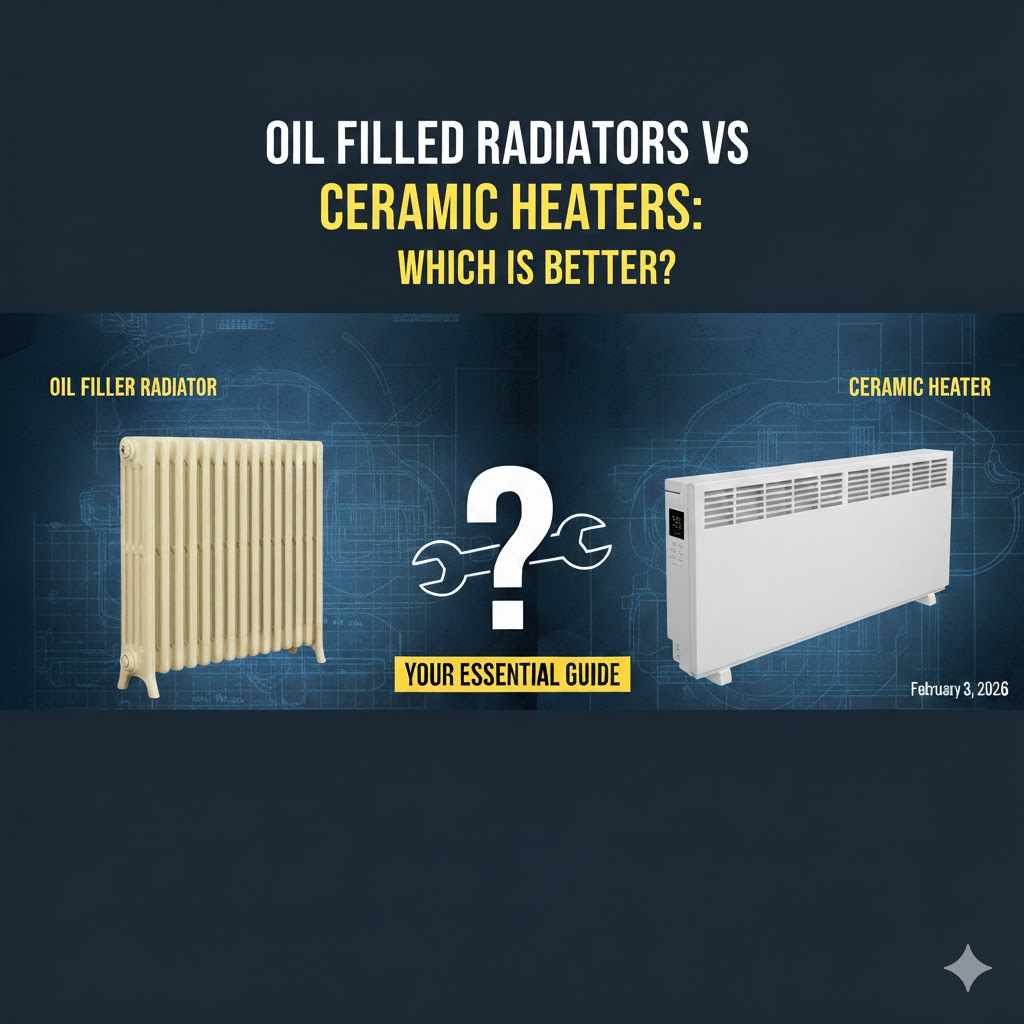
Choosing a space heater can feel tricky, especially when you’re just starting out. The differences between Oil Filled Radiators vs Ceramic Heaters: Key Differences might seem confusing at first. Don’t worry, many people feel the same! This guide makes it simple. We’ll explore these heaters, breaking down their pros and cons. Get ready for a straightforward look at how they work and which might be the best fit for your needs.
How Oil Filled Radiators Work
Oil filled radiators, despite their name, don’t actually burn oil. Instead, they use oil as a heat transfer medium. Inside the radiator’s metal fins, there’s a sealed chamber filled with oil. When you turn the heater on, electricity heats the oil. The heated oil then circulates within the radiator, warming the metal fins. The fins, in turn, radiate heat into the room. This process creates a gentle, consistent heat that lasts even after the heater is turned off because the oil retains heat for a period.
These heaters are often favored for their safety and quiet operation. They don’t have exposed heating elements, making them less of a fire hazard than some other types of space heaters. Also, because there are no fans, they operate silently, making them suitable for bedrooms or offices where noise levels need to be kept low. This section explores the mechanics of this heating approach and the advantages associated with it.
Inside the Radiator
The core of an oil filled radiator is its internal components. The heating element is the part that converts electrical energy into heat. It’s typically a sealed coil that sits inside the oil reservoir. The oil type matters too; it’s a specific kind designed to be very efficient at absorbing and transferring heat. The fins, usually made of metal, are connected to the reservoir and are designed to maximize the surface area for heat radiation. This design ensures that heat is spread evenly throughout the room. These components work in concert to deliver heat efficiently and effectively.
- Heating Element: This is a key part that heats the oil. Different models use different types of heating elements, some using more or less energy.
- Oil Type: The specific oil used is a mineral oil that’s designed to be a good heat conductor and remains stable at high temperatures, preventing it from breaking down or creating pressure inside the sealed unit.
- Fins: The fins increase the surface area of the radiator. More surface area means more heat radiated into the surrounding environment.
- Thermostat: A thermostat controls the temperature. It turns the heating element on and off to maintain a constant temperature.
Advantages of Oil Filled Radiators
Oil filled radiators present several advantages that make them a popular choice for home heating. One key advantage is their efficiency in creating and maintaining warmth. Because the oil retains heat, the radiator continues to emit warmth even after it is switched off, leading to a more consistent room temperature and saving on energy use. Their safety features and lack of noise make them ideal for sensitive environments such as children’s rooms or quiet working spaces. They are less likely to dry out the air compared to some other types of heaters.
- Gentle and Consistent Heat: They offer a more gradual and even warming. There are no sudden blasts of hot air.
- Quiet Operation: Oil filled radiators operate silently. They do not have fans that create noise.
- Safety: There are no exposed heating elements. They are less of a fire risk than some heaters.
- Energy Efficiency: They are relatively energy efficient, retaining heat longer. This means the heater cycles on and off less frequently.
Disadvantages of Oil Filled Radiators
While oil filled radiators offer many benefits, there are also some drawbacks to consider. One of the main downsides is their slower heating time. Unlike some ceramic heaters that heat up instantly, oil filled radiators take longer to warm up a room. Their weight can also be a challenge. They tend to be heavier than other types of heaters due to the oil and metal construction, making them less portable. The surface temperature of the radiator can get very hot.
- Slower Heating: It takes longer for them to heat up a room than some other types of heaters. You’ll need to be patient.
- Heavy: These heaters can be quite heavy and difficult to move around. Make sure you place them somewhere stable.
- Surface Temperature: The metal surface of the radiator can get very hot, so be careful.
- Price: Generally, oil filled radiators might be slightly more expensive upfront.
Ceramic Heaters Explained
Ceramic heaters use ceramic plates that are heated by electricity. A heating element, often a coil, heats up the ceramic. Ceramic material has a high thermal conductivity, meaning it can absorb and release heat quickly. A fan then pushes air over the hot ceramic plates, and the warmed air is blown out into the room. This makes ceramic heaters quick to heat a space. They are very effective at directing heat where it’s needed, making them good for spot heating individual areas.
They are frequently favored for their portability and speed. Many models have built-in safety features like tip-over protection and automatic shut-off. This section goes into depth about how these heaters work, with a focus on their various components, and highlights their key features and how they compare with oil filled radiators.
Components of a Ceramic Heater
The design of ceramic heaters involves a few critical components that work together to produce warmth. The most important part is the ceramic heating element itself. The heating element is the part of the heater that converts electricity into heat. The fan is another key element. It is responsible for pushing air across the heated ceramic plates, distributing the warm air throughout the room. These components together provide an efficient and portable heating solution.
- Ceramic Heating Element: The core component that absorbs and releases heat rapidly.
- Heating Coil: The coil within the ceramic element is responsible for converting electrical energy to thermal energy.
- Fan: This forces air over the hot ceramic, blowing warm air into the room.
- Safety Features: Many ceramic heaters have features like tip-over shut-off to prevent accidents.
Advantages of Ceramic Heaters
Ceramic heaters have several characteristics that make them practical for home heating. One key advantage is their rapid heating capability. They heat up quickly, providing immediate warmth. Their compact size and lightweight design make them easy to move around and position where heat is needed. They’re also often fitted with safety mechanisms like automatic shut-off in case of overheating or tipping, making them a safe choice for families with children or pets.
- Fast Heating: They heat up a room quickly, providing immediate warmth.
- Portability: Ceramic heaters are usually lightweight and easy to move around.
- Directional Heat: They often have the ability to direct the flow of warm air where it’s needed.
- Safety Features: They often have built-in safety features like tip-over protection.
Disadvantages of Ceramic Heaters
While ceramic heaters offer several advantages, they also have a few drawbacks that you should think about. One significant concern is their potential to dry out the air. The fan can sometimes make the air feel drier, especially in the winter. Another possible disadvantage is the noise level, because the fan can make some noise. The heat they provide can also be less consistent than the heat offered by an oil filled radiator. These considerations can influence how useful they are in specific situations.
- Drying Air: The fan can dry the air, which may be uncomfortable for some users.
- Noise: The fan can produce noise, which might be disruptive.
- Heat Distribution: The heat distribution might not be as uniform as with other types of heaters.
- Short Lifespan: Heating elements can burn out faster than expected.
Oil Filled Radiators vs Ceramic Heaters: Key Differences
Comparing Oil Filled Radiators vs Ceramic Heaters: Key Differences makes it easier to select the right heating solution. A key difference lies in the way they heat: oil filled radiators use oil to retain heat, resulting in a more constant warmth, whereas ceramic heaters use a fan to quickly distribute heat. Oil filled radiators are known for their quiet operation and consistent heat, but they take a longer time to warm up. Ceramic heaters, on the other hand, provide fast heating and are very portable, but they can be a bit noisy and may dry out the air. This section compares these two heaters to highlight their unique characteristics.
The differences go beyond just how they work. Consider where you plan to use the heater. For large spaces that need consistent warmth, an oil filled radiator might be best, even though it will take longer to reach the desired temperature. For smaller rooms or areas where you need instant heat, ceramic heaters are often a better choice. You should also think about safety features and if you have children or pets in the home. Budget, safety requirements and where you intend to use the heater are important considerations when deciding which heater to buy.
Heating Speed and Efficiency
One of the primary differences between oil filled radiators and ceramic heaters lies in their heating speed and efficiency. Ceramic heaters heat up rapidly. They use a fan to quickly distribute warmed air, providing immediate warmth. Oil filled radiators, however, take more time to heat up. The oil must first be heated before it begins to radiate warmth. However, once the oil filled radiator reaches its temperature, it tends to be more energy efficient at maintaining the heat. This is because the heated oil continues to release heat even after the heater is switched off.
| Feature | Oil Filled Radiator | Ceramic Heater |
|---|---|---|
| Heating Speed | Slower | Faster |
| Heat Retention | Good | Lower |
| Energy Usage | Generally more efficient to maintain heat | Can be less efficient over longer periods |
Safety and Noise Considerations
When selecting a heater, safety is an important factor. Oil filled radiators are often viewed as safer because they have no exposed heating elements and do not get quite as hot on the surface as some ceramic models. Ceramic heaters often incorporate safety features, such as automatic shut-off to prevent overheating or tipping accidents. Noise levels also vary. Oil filled radiators operate silently. Ceramic heaters, however, use a fan, which can produce a noticeable level of noise. For use in sensitive environments, the noise level is a significant factor.
- Safety Features: Both offer safety features, but construction differences influence overall safety.
- Exposed Elements: Oil filled radiators have no exposed heating elements.
- Tip-over Protection: Ceramic models often have tip-over protection, a key safety feature.
- Noise Level: Oil filled radiators are silent. Ceramic heaters may produce noise from the fan.
Portability and Price
Portability and price are also key factors when making your decision. Ceramic heaters are generally lightweight and easy to transport, making them suitable for moving from room to room. Oil filled radiators tend to be heavier and less easy to move, which may be a consideration in limited spaces. The initial cost can also vary. Ceramic heaters are often more affordable upfront. Oil filled radiators can be more expensive, though this depends on features and brand.
An average ceramic heater can cost from $20 to $100. Oil filled radiators can range from $50 to over $200. Ultimately, your choice should match your heating requirements. If you require a space heater that has portability and quick heating ability, a ceramic heater is a great choice. If you value quiet, sustained heat and are okay with slower heating, an oil filled radiator may suit you better.
Best Uses for Each Heater Type
Understanding the best uses for oil filled radiators and ceramic heaters helps you to decide which suits your needs. Oil filled radiators are excellent for spaces requiring consistent, quiet, and gradual heating. They are an ideal choice for bedrooms, offices, or other areas where a calm environment is important. Their sustained heat emission makes them good for areas that need to stay warm over time.
Ceramic heaters are better for spot heating. Their rapid heating capabilities and portability make them perfect for small spaces, like a home office. If you need warmth quickly, perhaps in a chilly bathroom, a ceramic heater will be effective. Consider where you will primarily use the heater and how quickly you need it to warm up that area. Your best choice should align with your daily heating routine.
Scenarios for Oil Filled Radiators
- A family living in a drafty home: An oil filled radiator, placed in the main living space, can help maintain an even temperature throughout the day.
- A person working from home in a quiet office: The silent operation will not disturb the concentration, offering comfortable, consistent warmth.
- A baby’s room: The oil filled radiator provides gentle heat without the drying effects of fan-based heaters.
Scenarios for Ceramic Heaters
- A quick burst of heat in a chilly bathroom: A ceramic heater provides rapid warming for a comfortable morning routine.
- Targeted warmth for a home office: This is a fast way to heat the workspace without heating the entire room.
- Temporary heat in a workshop: A portable ceramic heater can bring quick warmth.
Frequently Asked Questions
Question: Are oil filled radiators safer than ceramic heaters?
Answer: Oil filled radiators generally have a reputation for safety because they do not have exposed heating elements. Ceramic heaters also offer safety features, such as automatic shut-off, but their surfaces may become hotter.
Question: Which heater is more energy efficient?
Answer: Oil filled radiators often use energy more efficiently to maintain heat once they are warmed up, thanks to the oil’s heat retention properties.
Question: Are ceramic heaters noisy?
Answer: Yes, ceramic heaters can be a bit noisy because they use a fan to circulate the air.
Question: Do oil filled radiators dry out the air?
Answer: Oil filled radiators do not typically dry out the air as much as ceramic heaters, as they do not use a fan.
Question: Which heater is better for a large room?
Answer: For a larger room, an oil filled radiator might be better because of its ability to provide consistent heat over time.
Final Thoughts
Choosing between Oil Filled Radiators vs Ceramic Heaters: Key Differences involves weighing what matters most to you. Oil filled radiators are excellent for providing steady, quiet warmth, ideal for spaces where consistent heat is required. Although they heat up slowly, they are usually safe. Ceramic heaters excel at offering immediate, focused heat. They’re quick to heat up, portable, and a good choice when you need fast warmth in smaller areas. Both types have distinct benefits and drawbacks.
To make the best choice, consider the size of your space, your need for rapid or sustained heat, and the importance of quiet operation. Evaluate your specific needs and priorities, weighing the pros and cons of each heater type. Thinking about these considerations can help you choose the right heater to keep you comfortable. Select the one that matches your daily routine and lifestyle. You’ll soon have the perfect way to bring warmth into your life.