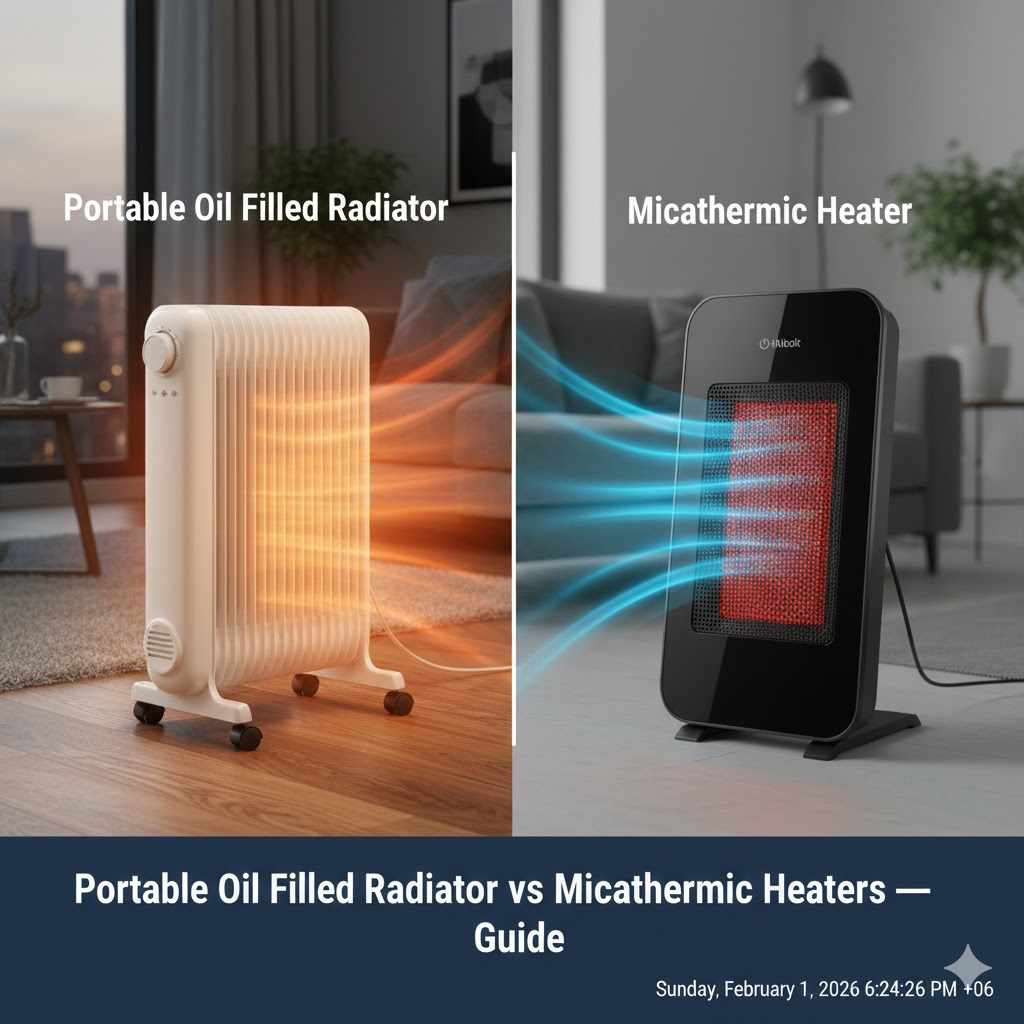
Portable Oil Filled Radiator vs Micathermic Heaters — Guide
Choosing a heater can be tough, especially with all the options out there. The topic of Portable Oil Filled Radiator vs Micathermic Heaters — Guide often confuses people. Figuring out which type is best for your needs can feel tricky. Don’t worry, though! This guide will break down the differences in simple terms. We’ll explore the pros and cons of each, making it easy for you to pick the right heater for your space. Next, we’ll compare their features and help you decide which is better for you.
What Are Portable Oil Filled Radiators?
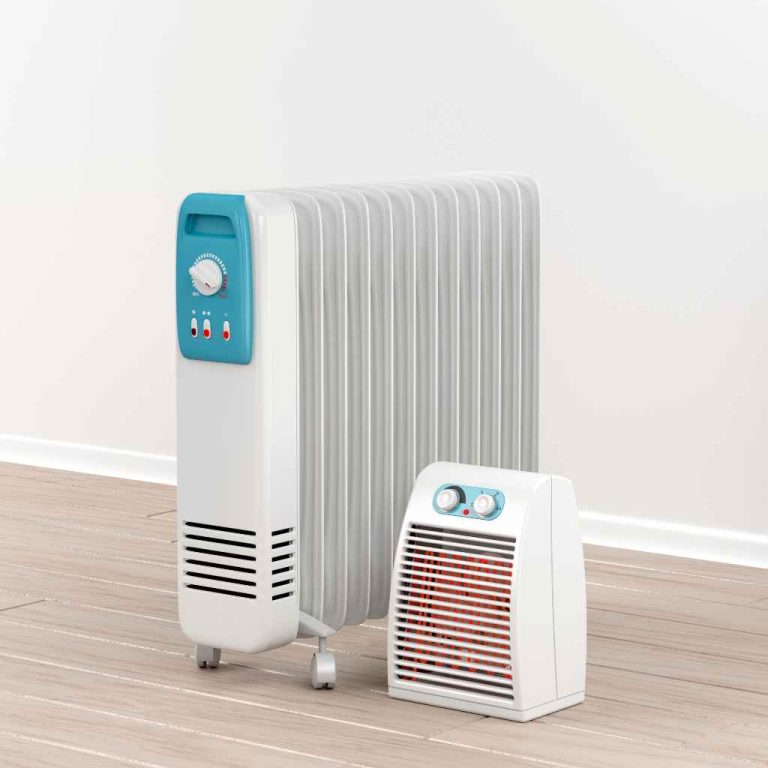
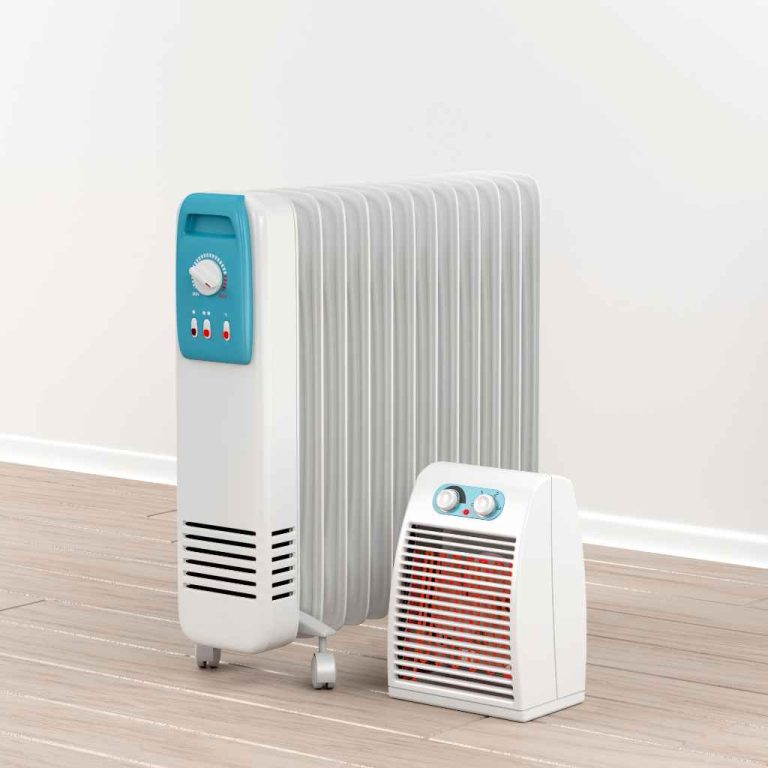
Portable oil filled radiators are a common type of space heater. They’re usually rectangular with several fins or ridges. Inside, they contain oil that’s heated by electricity. The oil then warms up the metal fins. These fins then radiate heat into the room. Because the oil retains heat well, these heaters stay warm for a while even after they’re turned off. They’re a popular choice for their safety features and gentle, consistent heat.
How Portable Oil Filled Radiators Work
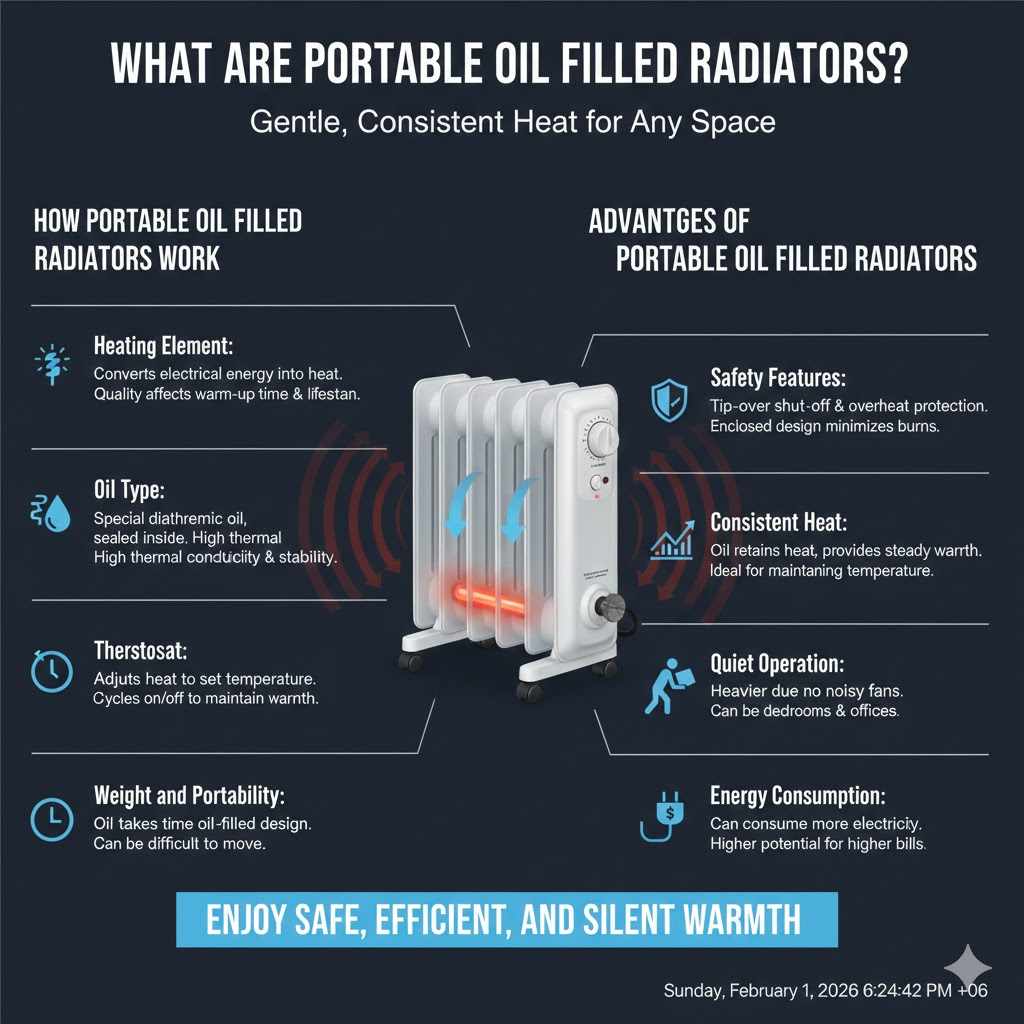
Portable oil filled radiators operate on a simple principle: heat transfer. The heart of the system is the oil, typically a diathermic oil, that’s sealed inside the radiator’s fins. When you turn on the heater, an electric current flows through a heating element. This element heats the oil. The heated oil then circulates throughout the fins, warming them up.
These fins act like a radiator, slowly releasing heat into the surrounding air. The heat warms objects and surfaces in the room, which in turn warm the air. Because the oil takes time to heat and cool, these radiators provide a steady, consistent warmth. They are known for being relatively quiet and not drying out the air.
- Heating Element: The heating element is a critical component. It converts electrical energy into heat. Different radiators have different types of heating elements. Some may use a simple coil, while others use more advanced designs for efficiency. The quality of the heating element can influence how quickly the radiator heats up and its overall lifespan.
The heating element’s power rating is an important factor to consider when choosing a portable oil filled radiator. Higher wattage models will generally heat up a room faster. However, they also consume more electricity. It is crucial to match the wattage to the room size. - Oil Type: The oil used in these radiators is specifically chosen for its high thermal conductivity and stability at high temperatures. It does not need to be refilled. This special oil can safely reach high temperatures without degrading or creating dangerous fumes.
The oil is safely sealed within the unit. The use of oil helps to distribute heat evenly. - Thermostat: Most portable oil filled radiators come with an adjustable thermostat. This allows the user to set a desired room temperature. Once the room reaches this temperature, the heater cycles off. It then restarts when the temperature drops, maintaining the set level. This feature helps to save energy and prevents overheating.
The thermostat helps manage power consumption. It keeps the room at a comfortable and consistent warmth.
Advantages of Portable Oil Filled Radiators
These heaters come with many advantages that make them a popular choice for homes and offices. They are generally considered safer than other types of heaters. They don’t have exposed heating elements that can cause burns. They also offer a more consistent warmth because of the oil’s heat-retaining properties.
This makes them good for rooms where you need a steady temperature. Their quiet operation is also a plus, allowing you to use them in bedrooms or quiet spaces without disturbance. They are usually quite reliable and require very little upkeep.
- Safety Features: Safety is a strong benefit. Most have tip-over shut-off features. If the heater is accidentally knocked over, it automatically turns off. This reduces the risk of fire. Many also have overheat protection. This feature shuts off the heater if it gets too hot, preventing potential hazards.
Safety features make them a great choice for families with children or pets. The enclosed design of the heater also minimizes the risk of accidental burns. - Consistent Heat: The oil-filled design provides steady warmth. The oil retains heat, so the heater continues to radiate warmth even after it’s turned off. This consistency is ideal for maintaining a comfortable room temperature over extended periods.
This feature avoids the rapid temperature fluctuations that some other heaters can have. This can make the room feel more comfortable. - Quiet Operation: Unlike some fan heaters, oil filled radiators operate silently. This is because they use convection to heat the room. There are no noisy fans. This makes them ideal for bedrooms or offices where quiet is necessary.
This low-noise operation is a significant benefit.
Disadvantages of Portable Oil Filled Radiators
While they have numerous benefits, they also have some drawbacks. They are slower to heat up a room compared to some other types of heaters, like those with fans. They also can be heavier due to the oil inside. This might make them less easy to move around. The initial cost can be slightly higher than other heater types. They can consume more energy, which can lead to higher electricity bills.
- Slow Heating: They heat up a room more slowly. The oil needs time to warm up before the radiator begins to radiate heat. This means you might need to turn it on earlier to get the room to a comfortable temperature.
If you need quick heat, this may not be the best choice. This can be a drawback for people who want instant warmth. - Weight and Portability: The oil-filled design makes these heaters heavy. This can make them more difficult to move around the house, especially for those with mobility issues or in multi-story homes.
The weight can be a deciding factor for some consumers. Heavier models can be cumbersome. - Energy Consumption: Because these heaters use electricity to heat the oil, they can consume more energy. This may result in higher electricity bills.
Consider your energy costs. Check the wattage of the heater. Look for models with energy-saving features.
What Are Micathermic Heaters?
Micathermic heaters are another type of space heater. They combine elements of convection and radiant heating. They use mica panels to transfer heat. They heat up quickly and provide a good balance between speed and efficiency. These heaters are often designed with a sleek and modern look. They are usually more lightweight and can be easily moved from room to room.
How Micathermic Heaters Work
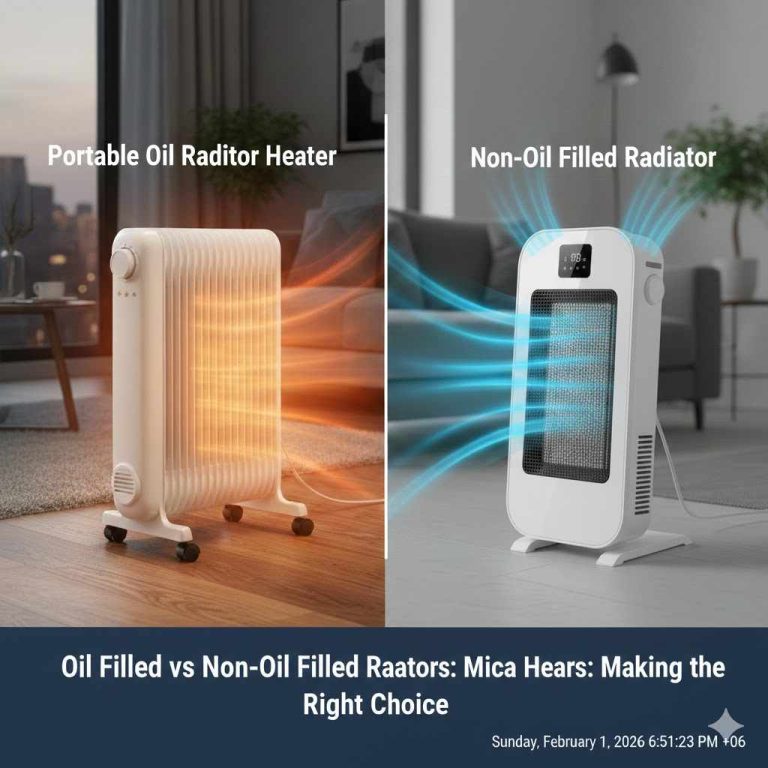
Micathermic heaters use a unique approach to heating. They use mica panels and convection to heat a space. The electricity heats the mica panels directly. These panels then radiate heat. At the same time, the heaters also create convection currents, circulating the warm air throughout the room. This combination of radiant and convection heating offers a balanced and effective way to warm a room quickly. They don’t have exposed heating elements. The design tends to be quite efficient.
- Mica Panels: The heart of a micathermic heater is the mica panel. Mica is a mineral that heats up quickly when electricity passes through it. The panels are designed to maximize the surface area exposed to the air. This enhances heat transfer.
The speed with which the mica heats up is a key feature. This allows the heater to start warming the room almost instantly. - Radiant and Convection Heating: Micathermic heaters produce both radiant and convection heat. The radiant heat warms objects directly, providing a sense of immediate warmth. The convection currents circulate the heated air, which distributes the warmth evenly. This combination means that the room warms up quickly.
The blend of radiant and convection heating provides a comfortable and uniform warmth. This provides a balance between rapid heating and sustained warmth. - Design and Efficiency: These heaters are often designed to be lightweight and portable. The sleek design of the heating surface allows for efficient heat transfer. Most models also have adjustable thermostats, which help to control the temperature and save energy.
The focus on efficiency makes them a popular choice. The ability to move them makes them versatile.
Advantages of Micathermic Heaters
They have several advantages that make them a good choice. One of the main benefits is their quick heating ability. The mica panels heat up almost instantly. They provide quick warmth. They are also usually lightweight and easy to move around. This makes them ideal for different rooms or to move from one location to another. They often have energy-efficient designs and safety features.
- Fast Heating: The main advantage of these heaters is their rapid heating. The mica panels heat up very quickly, providing almost immediate warmth. This is great for rooms that need to be warmed up fast.
The ability to provide quick warmth makes them a favorite for many users. This is important for those who do not want to wait for the room to get warm. - Portability: Micathermic heaters are generally lightweight and easy to move around. This makes them versatile. You can move them from room to room as needed, or store them away when not in use.
This design feature makes these heaters ideal for users who like to move them as required. - Energy Efficiency: Many models are designed with energy-saving features. These might include adjustable thermostats and settings that automatically shut off the heater when the desired temperature is reached.
Their design helps reduce energy consumption. These features lower electricity costs.
Disadvantages of Micathermic Heaters
Even though they are a good option, these heaters have some drawbacks. They can sometimes distribute heat less evenly than oil-filled radiators. Some users have found the surface can get very hot. The initial cost might be slightly higher than for some other types of heaters. They can also dry out the air more than oil-filled models.
- Heat Distribution: These heaters may not distribute heat as evenly as oil filled radiators. This is because they rely more on radiant heating. Some areas of the room might feel warmer than others.
The uneven heat distribution can be a disadvantage in larger rooms. The heat will focus where the heater is placed. - Surface Temperature: The surface of the heater can become hot. This means caution is needed, especially around children or pets, to avoid burns.
This is an important safety consideration. Keeping the heater out of reach is important. - Air Dryness: Compared to oil filled models, micathermic heaters can dry out the air. This can cause discomfort for some individuals, especially those with sensitive skin or respiratory issues.
Consider using a humidifier. This helps balance the effect of dry air.
Comparing the Features: Portable Oil Filled Radiator vs Micathermic Heaters
Deciding between these heaters depends on your needs. Let’s compare their key features to help you make the best choice.
| Feature | Portable Oil Filled Radiator | Micathermic Heater |
|---|---|---|
| Heating Speed | Slower; takes time to heat up. | Faster; heats up almost instantly. |
| Heat Distribution | More even due to convection. | Can be less even, relies more on radiant heat. |
| Safety | Generally safer, with tip-over and overheat protection. | Safe, but surface can become hot. |
| Portability | Heavier, less easy to move. | Lighter, more portable. |
| Noise Level | Very quiet. | Usually quiet. |
| Air Dryness | Less likely to dry out air. | More likely to dry out air. |
One of the top reasons people choose oil-filled radiators is their reputation for safety. In contrast, people often choose micathermic heaters for their rapid heating capabilities. Consider the size of the room and how quickly you need it to warm up. Your personal preferences and needs play a big part in selecting the heater.
Key Differences Between the Two
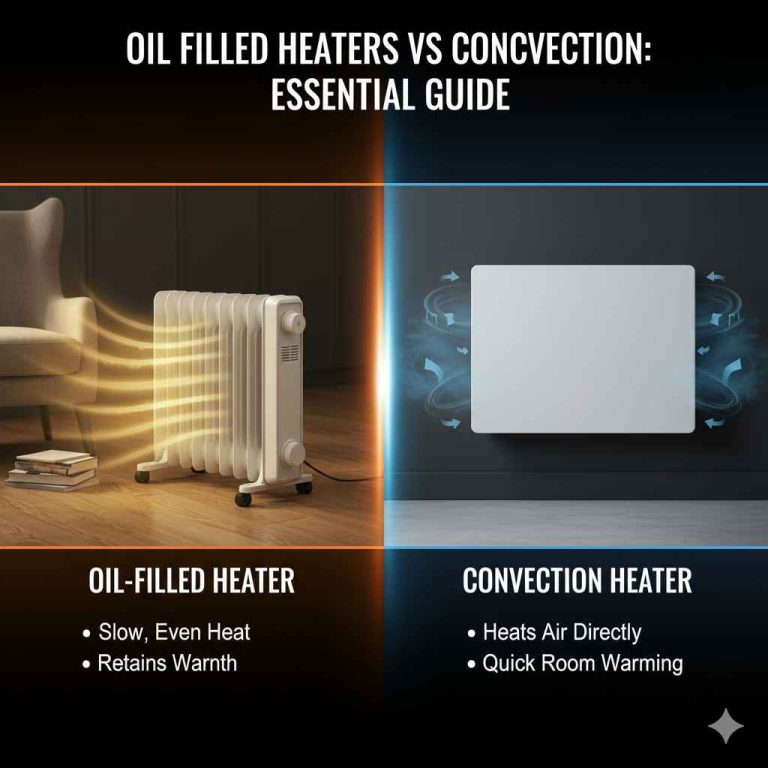
The main differences between the two heaters lie in their technology, heat distribution, and portability. The oil-filled models use heated oil to radiate heat, offering consistent warmth and a quiet operation. Micathermic heaters use mica panels to heat up quickly and combine radiant and convection heating, which means a fast initial heat up. The oil filled models are generally heavier and less portable. Micathermic heaters are usually light and easy to move around.
- Heating Mechanism: Oil-filled radiators heat oil that then radiates heat. Micathermic heaters use mica panels. This heats the room through a combination of radiant and convection.
The heating mechanism changes the experience. One offers steady, gentle heat. The other offers rapid heating. - Heating Speed: Oil-filled models heat up more slowly. Micathermic heaters start heating almost immediately.
Micathermic heaters are preferred for immediate warmth. Oil filled radiators are selected for steady, long-term heating. - Portability: Oil-filled radiators are heavier. Micathermic heaters are usually light, making them easy to move.
This difference determines which heater fits your lifestyle and your heating needs. - Heat Distribution: Oil-filled heaters tend to distribute heat evenly. Micathermic heaters might have some heat concentration around the heater.
How the heat spreads affects room comfort. Choose based on your room layout and needs. - Air Quality: Oil-filled radiators are less likely to dry out the air. Micathermic heaters can dry out the air.
If you are concerned about air dryness, this is a very important consideration.
When to Choose Each Type of Heater
The right heater depends on how you plan to use it. If you need consistent warmth and you value a quiet, safe operation, then an oil-filled radiator is a good choice. If you want quick heating and need to move the heater around, a micathermic heater may be better. The space you need to heat and the frequency of use will impact your decision.
- Scenario 1: You want to heat a bedroom for sleep. You prefer consistent warmth throughout the night. You’re okay with waiting a little bit for the room to warm up. You’ll likely prefer an oil-filled radiator. Its even heating and quiet operation will make for a comfortable sleeping environment.
- Scenario 2: You need a heater for a small office to warm up quickly. You also want the option to move the heater to another room. A micathermic heater is an excellent choice. It will provide fast warmth and the mobility you need.
- Scenario 3: You have a large living room. You are not worried about immediate heat. You want a heater that does not dry the air. An oil-filled radiator would be effective. Its even heat distribution will maintain a comfortable temperature.
Safety and Maintenance of Heaters
It is important to use these heaters safely and maintain them properly. Following these guidelines will ensure their efficiency. It also keeps your home and family safe. Regular maintenance can extend the lifespan of your heater and help prevent potential problems.
Safety Precautions for Heaters
Always place the heater on a flat, stable surface. Keep it away from flammable materials like curtains, furniture, and paper. Never cover the heater. This can cause overheating and a fire hazard. Regularly check the power cord for damage. If the cord is damaged, do not use the heater. Unplug the heater when not in use. Follow the manufacturer’s instructions. Keep them out of reach of children and pets.
- Placement: Keep heaters away from flammable materials like curtains. Always place heaters on a stable surface. Keep them away from moisture. Never put them near water sources.
Proper placement is a basic but important safety step. Keeping the heater clear of obstructions is vital. - Cord Safety: Always inspect the power cord for damage. Avoid running the cord under rugs or carpets. Never use an extension cord. This could cause the heater to malfunction.
Regularly check for wear and tear on the cord. Replace any damaged cords promptly. - Supervision: Never leave the heater unattended. Especially if children or pets are present. Educate everyone in your home about safe practices.
Supervision and awareness reduce the potential for accidents.
Maintenance Tips for Heaters
Regular maintenance will keep your heater working well. Always unplug the heater and let it cool completely before cleaning. Use a soft, dry cloth to wipe down the exterior. Avoid using harsh chemicals. For oil-filled radiators, cleaning is very simple. For micathermic heaters, you might need to clean the mica panels gently. Regularly check for any dust buildup, which can affect the heater’s performance. Clean the heater as needed.
- Cleaning: Clean your heater regularly. Remove any dust or debris from the exterior. Dust can hinder heat transfer. Follow the manufacturer’s instructions.
Regular cleaning increases efficiency and longevity. - Storage: When storing your heater for a long period, make sure it’s clean and completely dry. Cover the heater to protect it from dust. Store it in a cool, dry place.
Proper storage protects the heater. This helps to prevent damage. - Professional Service: If your heater malfunctions or has electrical issues, do not try to repair it yourself. Contact a qualified technician.
Safety is always important. Professional repairs will help avoid hazards.

Frequently Asked Questions
Question: Are oil filled radiators safe for use around children and pets?
Answer: Yes, oil filled radiators are generally safe. They have safety features like tip-over protection and stay cool to the touch. It’s always a good idea to supervise children and pets.
Question: How long does it take for a micathermic heater to heat up a room?
Answer: Micathermic heaters heat up quickly, often within minutes. This rapid heating is due to the mica panels that directly heat the air.
Question: Do oil filled radiators dry out the air?
Answer: No, oil filled radiators are less likely to dry out the air. They do not have a fan. They heat the air more gently, maintaining the room’s humidity.
Question: Can I use an extension cord with my heater?
Answer: No, it’s generally not recommended to use an extension cord with a heater. Extension cords may not handle the high power draw. Using the heater with the extension cord can pose a fire hazard.
Question: How do I choose the right size heater for my room?
Answer: The size of the heater you need depends on the size of your room. Look for heaters that specify the room size they are designed for. Always match the heater’s capacity to the room’s size for the most effective heating.
Final Thoughts
Choosing between a portable oil filled radiator and a micathermic heater comes down to your needs. Both offer efficient ways to keep your space comfortable. If you seek steady, gentle warmth and value quiet operation, the oil filled radiator might be right. If you want instant heat and the flexibility to move your heater, consider a micathermic heater. Always prioritize safety. Read the manufacturer’s instructions. Choose the heater that best fits your lifestyle.
Whichever type you pick, you’ll be one step closer to a warm, cozy home or workspace. Make a smart choice based on your specific requirements. You can make an informed decision and enjoy warmth all winter!