Portable Oil Filled Radiator Heater Versus Mica Heater Analysis
Choosing a heater can be tricky! You see so many options, like a Portable Oil Filled Radiator Heater vs Mica Heaters, and it feels like a puzzle. Beginners often get confused about how each works and which one is right for them. Don’t worry, we’re going to break it all down simply, step by step. We’ll explore the main features and help you make a smart choice for your space, no complicated jargon here! Let’s get started with a closer look at the basics.
What Are the Heating Options?
When the temperature drops, we all search for ways to stay warm. Two popular choices for heating are the Portable Oil Filled Radiator Heater vs Mica Heaters. These heaters offer different ways to bring heat into your home, each with its own advantages and disadvantages. This detailed look will explore the two types, explaining how each works and what makes them different from one another. We will explore each kind of heater to provide a good comparison.
Portable Oil Filled Radiator Heaters
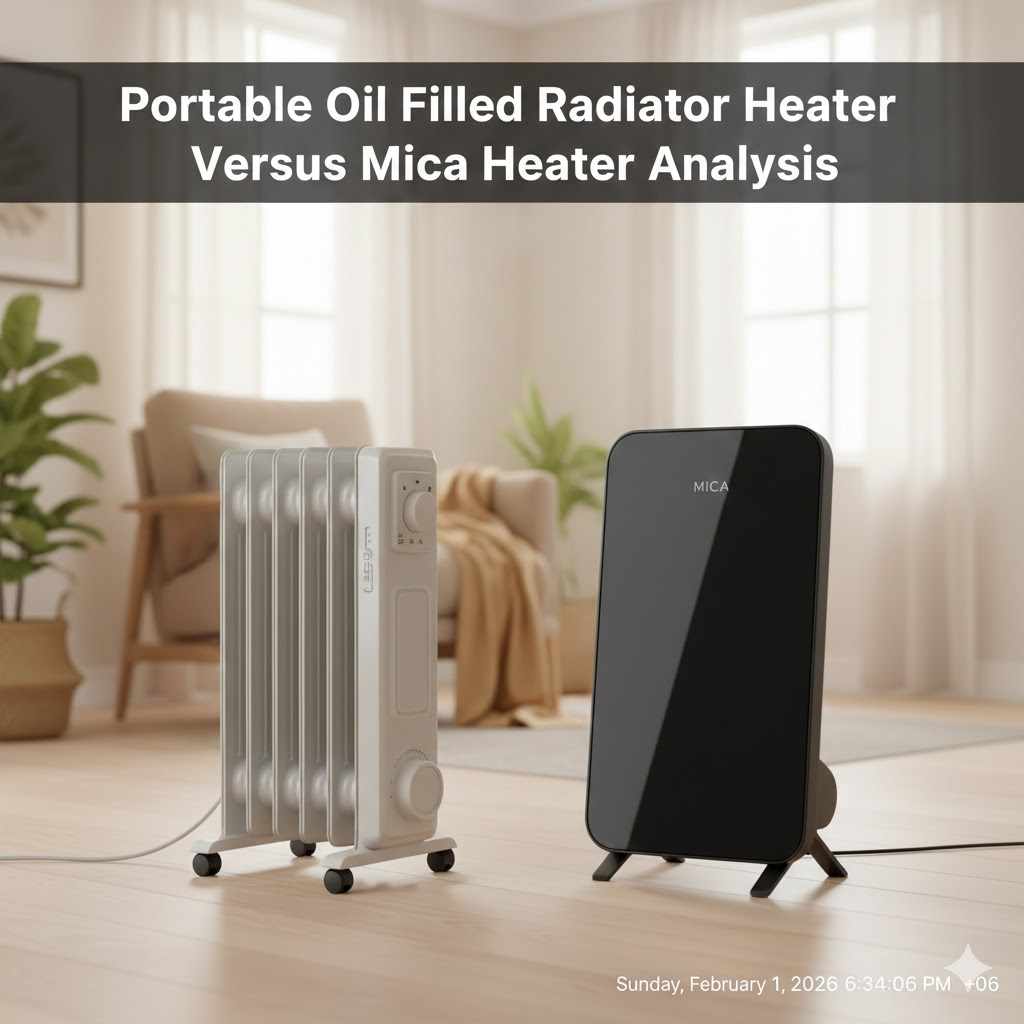
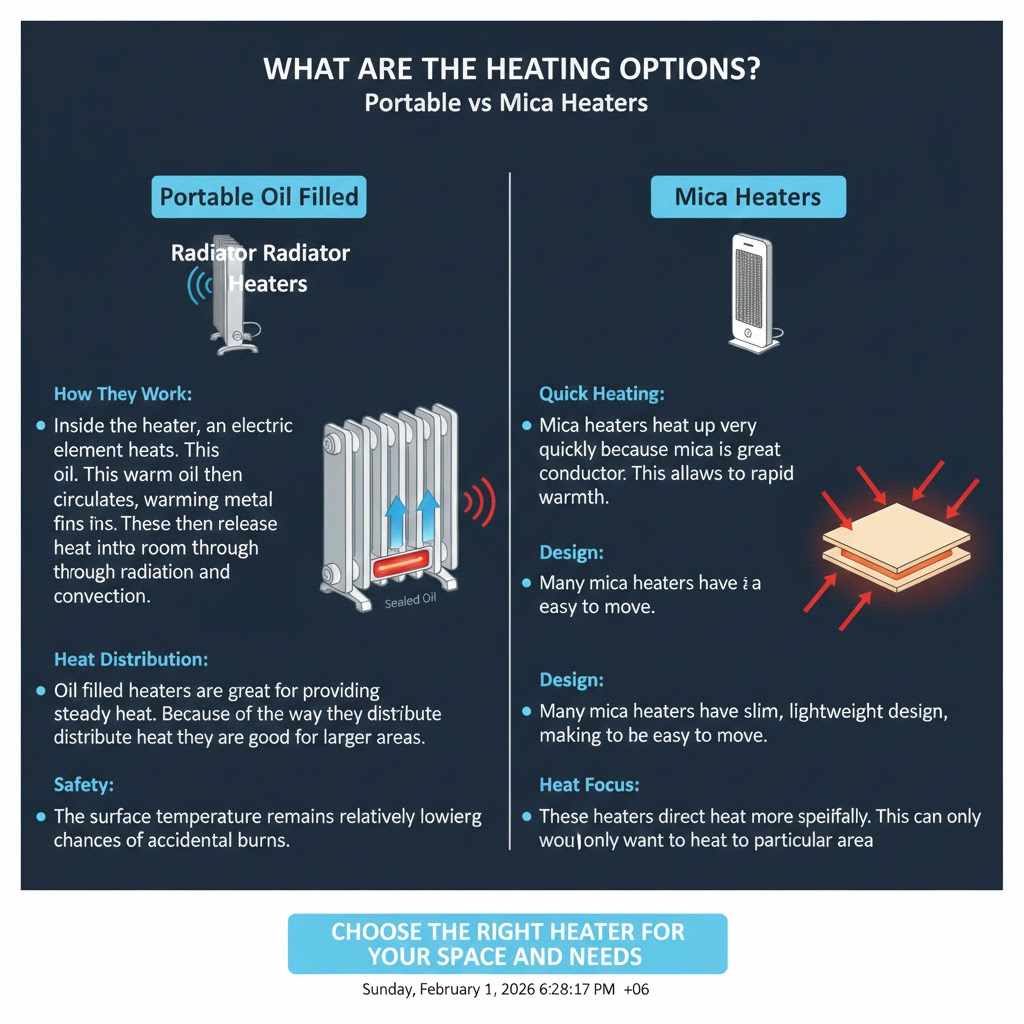
A portable oil-filled radiator heater looks like a traditional radiator, but it’s filled with oil. It works by heating this oil internally. The oil warms up, which then heats the metal fins of the radiator. These fins radiate heat into the room. Because the oil is heated internally, the exterior of the heater stays cooler to the touch compared to some other types of heaters. This makes it safer, especially for households with children or pets. Let’s explore how they work, the pros, and the cons.
- How They Work: Inside the heater, an electric element heats the oil. This warm oil then circulates, warming the metal fins. These fins then release heat into the room through radiation and convection.
- Heat Distribution: Oil filled heaters are great for providing steady heat. Because of the way they distribute heat they are good for larger areas.
- Safety: The surface temperature remains relatively low, lowering the chances of accidental burns.
The heating element inside the unit heats the oil, which is typically a special type of oil designed to retain heat well. The heated oil then warms the metal casing of the radiator. This metal casing, with its fins, is what radiates heat into the room. This process allows them to continue heating even after the heater is turned off for a short period of time. This method of heat distribution helps to heat a room evenly. However, it takes a little while to warm up.
Mica Heaters
Mica heaters use mica, a mineral known for its excellent heat-conducting properties. They have a heating element covered by mica sheets. When electricity passes through the element, the mica quickly heats up and transfers this heat to the air. Mica heaters often heat up very quickly and can be great for quick warmth in smaller spaces.
They usually have a slim design, which makes them easier to move around. However, they may not be as effective at maintaining a consistent temperature in large areas. Below, let’s learn how they work and their main strengths.
- Quick Heating: Mica heaters heat up very quickly because mica is a great conductor. This allows for rapid warmth.
- Design: Many mica heaters have a slim, lightweight design, making them easy to move.
- Heat Focus: These heaters direct heat more specifically. This can be helpful when you only want to heat a particular area.
Mica heaters function using thin mica sheets that enclose a heating element. When electricity flows through the heating element, the mica sheets heat up almost instantly. The heat then radiates into the room, warming the space around the heater. Because the heating element is near the surface, mica heaters tend to heat a room more directly than oil-filled radiators. This also means that they will cool down more quickly. Mica heaters are ideal for immediate warmth.
Comparing Heat Sources: Understanding the Main Features
When selecting between a Portable Oil Filled Radiator Heater vs Mica Heaters, several key features impact their performance and ease of use. Knowing the characteristics of each type of heater helps you choose the right one. This section will compare the different aspects, making your choice easier. Both offer their own set of pros and cons, which are explained below.
Heating Speed and Efficiency
The speed at which a heater warms a room and how well it uses energy are crucial factors. Let’s dive into these aspects of the portable oil-filled radiator and the mica heater. Both technologies have unique strengths in this area. It’s important to understand these differences to make a good choice for your home.
- Oil Filled Radiator: They heat up slower due to the oil. The oil takes time to warm and circulate. However, once heated, they retain heat longer, providing consistent warmth.
- Mica Heater: These heaters heat up very fast. Their mica elements begin heating immediately. This provides almost instant warmth. However, they tend to cool down quickly once turned off.
- Energy Use: Both types of heaters use electricity. It’s important to check the wattage to estimate the running cost. Generally, the efficiency depends on the thermostat, not the heater type.
Oil-filled radiators, because of the time it takes to heat the oil, warm up slower than mica heaters. Once the oil reaches its optimal temperature, the heater releases heat steadily. This provides a more even and sustained warmth. Mica heaters, on the other hand, quickly heat up due to the efficient heat transfer properties of the mica material. This means they are ideal for rapid warmth, but may not be as effective for maintaining consistent temperatures over long periods.
Energy efficiency is an important consideration. Both types of heaters use electricity, and their efficiency often relates to the thermostat settings and insulation of the room. Using a thermostat to set the desired temperature can prevent energy waste by switching the heater off when the room reaches the set point. Also, factors like proper insulation and the size of the room affect the overall heating cost.
Safety and Design Aspects
Safety features and design significantly affect the user experience and overall performance. A safe heater is important, especially in homes with children or pets. Design also plays a role in how well the heater fits your space. In this section, let’s look at the safety features and design elements of both types of heaters.
- Oil Filled Radiator Safety: These heaters typically have a lower surface temperature, reducing the chances of burns. Many also feature tip-over shut-off for added safety.
- Mica Heater Safety: These heaters can get quite hot to the touch. It’s important to keep them away from anything flammable. They also often include tip-over protection.
- Oil Filled Radiator Design: They often come in a radiator shape, which can take up more space.
- Mica Heater Design: Mica heaters generally have a slim and compact design. They are easier to move around.
Oil-filled radiators often have a low surface temperature, reducing the risk of accidental burns. Many models come with safety features like tip-over shut-off. This automatically turns off the heater if it is knocked over. The design of these heaters, resembling a traditional radiator, can be bulkier and may take up more floor space. However, their design makes them stable, reducing the risk of tipping.
Mica heaters can reach higher surface temperatures, requiring extra caution. They usually include safety features like tip-over protection, which cuts off the power. Their sleek and slim design allows them to be moved and placed easily. This compact size makes them very convenient for heating smaller areas.
Cost and Maintenance
Before purchasing a heater, it’s necessary to consider the initial cost, the ongoing energy costs, and the need for maintenance. Both types of heaters have their price points. Let’s delve into these aspects. This will help you make a financially sound decision.
- Initial Cost: Oil-filled radiators may have a slightly higher upfront cost. Mica heaters often have a more affordable starting price.
- Energy Costs: Both heaters consume electricity. The cost depends on the wattage and the price of electricity. Usage patterns greatly affect the overall cost.
- Maintenance: Oil-filled heaters typically need minimal maintenance. Mica heaters also require little maintenance. Wiping the surface is normally sufficient.
Oil-filled radiators can sometimes have a higher initial cost than mica heaters. This might be due to the materials used and the technology involved. However, the price also depends on the brand, features, and size of the heater. Mica heaters usually have a more budget-friendly initial price. Energy costs are an important part of owning a heater. These costs are primarily determined by the wattage of the heater and how long it is used. Higher wattage heaters consume more energy, which can result in increased electricity bills.
In terms of maintenance, both types of heaters are relatively low maintenance. Oil-filled radiators require very little upkeep. You generally don’t have to do anything except perhaps wipe down the exterior. Mica heaters are also simple to maintain. Regular cleaning of the surface with a dry cloth will help them stay efficient.
| Feature | Oil Filled Radiator | Mica Heater |
|---|---|---|
| Heating Speed | Slower to heat | Fast heating |
| Heat Retention | Good, maintains heat after turning off | Cools quickly |
| Safety | Lower surface temperature, tip-over protection | Higher surface temperature, tip-over protection |
| Design | Larger, radiator style | Slim and compact |
| Cost | Potentially higher initial cost | Generally more affordable |
| Maintenance | Low maintenance | Low maintenance |
Choosing the Right Heater for You
Deciding between a Portable Oil Filled Radiator Heater vs Mica Heaters comes down to matching your needs. Think about the space you need to heat, your safety concerns, and your budget. Here’s a plan to help you pick the perfect heater.
Assessing Your Heating Needs
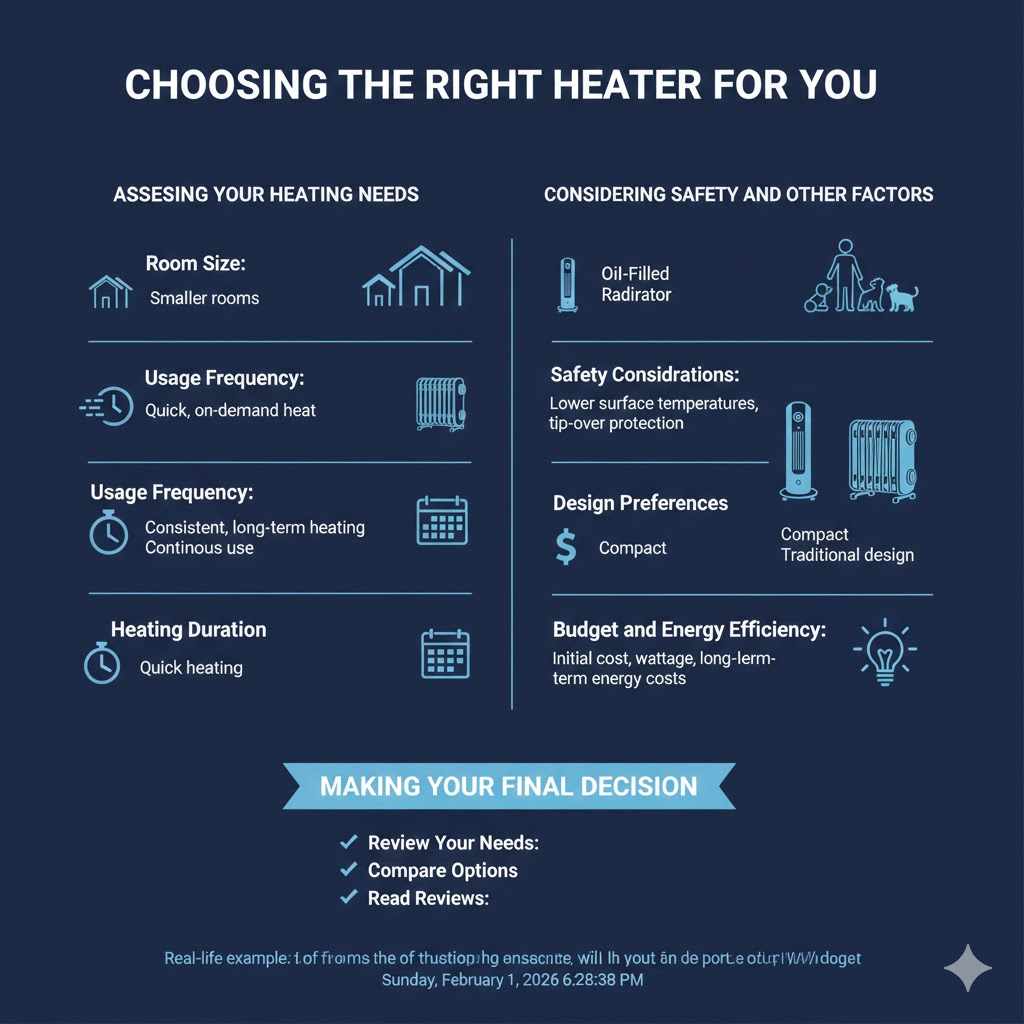
First, evaluate the space that needs heating. The size of the room is key to determining the best heater. If you have a small room, a mica heater could be enough. For larger rooms, an oil-filled radiator might be better. Another factor is how often you will use the heater. Let’s explore your heating requirements.
- Room Size: Smaller rooms are better suited for mica heaters, while larger spaces benefit from oil-filled radiators.
- Usage Frequency: If you need quick, on-demand heat, a mica heater is great. For more consistent, long-term heating, consider an oil-filled radiator.
- Heating Duration: Mica heaters are ideal for quick heating, while oil-filled radiators are good for continuous use.
The size of your space is a major factor. For example, if you want to heat a small bedroom or office, a mica heater could work great. They can heat these smaller spaces quickly. If you want to heat a living room or a larger area, an oil-filled radiator might be a better choice. They provide a more consistent warmth across a bigger space.
Next, think about how often you will use the heater. If you want a quick burst of warmth for a short time, a mica heater is perfect. However, if you want sustained, even heat for several hours, the oil-filled radiator could be better. The decision should align with your specific heating requirements.
Considering Safety and Other Factors
Apart from heating needs, safety, and personal preferences influence your decision. Think about who uses the space and any safety concerns. You’ll also want to consider the heater’s design and your personal preferences. Here are some extra things to think about.
- Safety Considerations: If you have children or pets, look for heaters with lower surface temperatures and tip-over protection.
- Design Preferences: Consider the aesthetics and space requirements. Mica heaters are compact, and oil-filled radiators often have a more traditional design.
- Budget and Energy Efficiency: Consider the initial cost, the wattage, and the long-term energy costs. Choose a heater that fits your budget.
In homes with kids or pets, safety is very important. Oil-filled radiators can offer a safer choice due to their lower surface temperatures. Look for heaters that have tip-over protection, which automatically turns them off if they fall over. Consider the look and space needs. Mica heaters have a slim, lightweight design and take up less room. The style may influence where you place them. It is important to compare the initial cost of the heater, the energy usage (wattage), and your budget.
Real-life Example: Consider a family with small children. After careful evaluation, they chose an oil-filled radiator because of its lower surface temperature and the added safety features. For a college student, portability and quick heating were essential, leading them to select a mica heater, which fit the needs of their dorm room. Another example of proper evaluation would be looking at the size of the room, usage, and safety needs.
Making Your Final Decision
After assessing all factors, it’s time to make a decision. Weigh the pros and cons to see which heater better fits your needs. You can choose the heater that offers the best blend of safety, efficiency, and cost-effectiveness. Here’s a brief recap.
- Review Your Needs: Make sure you know the space you need to heat, how often you will use it, and what features are important.
- Compare Options: Take another look at the key differences between the oil-filled radiator and mica heater based on your individual requirements.
- Read Reviews: Read what other customers say to get more detailed information about how each heater performs in the real world.
Reviewing your personal heating requirements is important. Make a list of everything you need. Note the size of the room, how long you need the heater, and any safety or design preferences. Compare the key differences between the oil-filled radiator and the mica heater, considering your priorities. Reading what other users say can give you more details about each heater’s performance. By reviewing your needs, comparing features, and reviewing feedback, you will be able to make a well-informed decision.
Frequently Asked Questions
Question: Are oil-filled heaters safer than mica heaters?
Answer: Both types of heaters have safety features. Oil-filled radiators usually have a lower surface temperature, while mica heaters can get hotter. Both often include tip-over protection to shut off the heater if it falls.
Question: Which heater is more energy-efficient?
Answer: Both types consume electricity. Energy efficiency primarily depends on the wattage and your usage, not the heater type. Thermostats help save energy by controlling the heat.
Question: How quickly do these heaters warm up a room?
Answer: Mica heaters heat up very rapidly due to the mica element. Oil-filled radiators heat more gradually as the oil heats up and circulates.
Question: What’s the main difference in design between the two?
Answer: Mica heaters usually have a slim and compact design. Oil-filled radiators typically have a larger, more traditional radiator shape.
Question: Which heater is better for a large room?
Answer: Oil-filled radiators are generally more effective at heating larger areas. Mica heaters are better for smaller spaces where quick heating is required.
Final Thoughts
Deciding between a Portable Oil Filled Radiator Heater vs Mica Heaters comes down to what you need and how you live. Oil-filled radiators are great for consistent warmth and often safer for homes with kids. Mica heaters are great for fast heat. When choosing, consider how big your room is, how often you’ll use the heater, and safety issues. Think about your budget and design preferences too. Both types have their own set of pros and cons.
Understanding these points helps you to make the right choice. Take some time to think about your specific needs. Research different models and read reviews. By doing this, you can make a smart choice for a warmer, cozier home. You are ready to choose the right heater for your home.