Vented vs Unvented Heater: Which Works Better in Homes?
For most homes, a vented heater works better when the room is occupied often, the space is tight or airtight, or local code is strict; an unvented heater fits only where the room can supply enough combustion air and the product is allowed. Choosing the wrong one can mean moisture, carbon monoxide risk, nuisance shutdowns, or a failed inspection. This guide compares both types by room fit, safety, efficiency, and code.
| Decision factor | Vented | unvented heater | Winner |
|---|---|---|---|
| Indoor air quality | Exhausts combustion gases outdoors through a flue, chimney, or vent pipe | Releases combustion byproducts into the room | Vented |
| Ventilation demand | Needs venting path, but does not depend on room air for exhaust dilution | Needs room air, outside air supply, and enough air changes per hour | Vented |
| Code and permit friction | Usually a more standard path for fixed home heating systems | Often more restricted by building code, local rules, and manufacturer limits | Vented |
| Fuel use and delivered heat | Can lose some heat up the flue, though AFUE can be high on modern gas furnaces and boilers | Kept in the room, so more of the combustion heat stays indoors | unvented heater |
| Best fit for primary heat | Well suited to whole-home, long-run heating | Poor fit for whole-home primary heat in most houses | Vented |
Vented heater: the core trade-off
A vented heater sends combustion gases outside, so it is the cleaner choice for occupied homes and fixed heating systems. The trade-off is simple: some heat leaves with the exhaust, so the unit must be sized and vented as a proper appliance, not treated like a basic room heater.
How vented heaters send exhaust outdoors
Vented systems use a flue, chimney, or vent pipe to move carbon monoxide, nitrogen dioxide, and water vapor outdoors. That keeps indoor air cleaner than an appliance that releases those byproducts into the room.
How unvented heaters release heat into the room
An unvented heater keeps combustion heat indoors, which can feel quick and direct. The same process also puts combustion byproducts into the room, so moisture, oxygen depletion risk, and pollutant control matter much more.
Why home fit matters more than a simple efficiency label
Efficiency alone does not answer the question. A vented system can fit better in a bedroom, a basement, or a sealed house because the air stays cleaner and drier, while an unvented unit can work only when room size, fuel type, and code rules all line up.
Vented and unvented heater comparison
The main difference is where the combustion gases go. A vented appliance sends them outside; an unvented one leaves them in the room, which changes ventilation needs, code friction, and indoor air quality. (PNNL)
Safety and indoor air quality
Vented heaters are safer for indoor air because combustion byproducts leave the home. Unvented heaters can raise carbon monoxide, nitrogen dioxide, and humidity, especially if the room is small, occupied for long periods, or poorly supplied with outside air.
Ventilation needs and code friction
Unvented heaters depend on room volume and occupancy, and the listing or manufacturer instructions usually spell out the required room size and combustion-air conditions. Many jurisdictions ban or heavily restrict vent-free heaters in bedrooms, bathrooms, and sometimes homes entirely, and local building code or fuel-burning appliance rules may restrict where they can be installed, or ban them in certain rooms.
Heat output, comfort, and fuel use
Both types are sold by BTU or kW output, so the right size still matters. An unvented unit can feel warmer faster because more heat stays in the room, but that does not make it the right choice if the room cannot handle the byproducts or the code will not allow it.
Installation, upkeep, and operating cost
Vented systems usually cost more to install because they need venting hardware and a proper exhaust path. On the operating side, a gas furnace or boiler is often judged by AFUE, which measures how much fuel becomes useful heat; higher AFUE means less fuel wasted up the flue, though the system still needs the right venting and sizing.
What changes indoors with unvented heat?
Unvented heat changes the room air itself. Carbon monoxide and nitrogen dioxide can build if combustion is incomplete or the air supply is poor, and water vapor can drive up humidity enough to cause condensation on cold surfaces in tight homes.
Carbon monoxide and nitrogen dioxide exposure
Any fuel-burning appliance can create carbon monoxide, but an unvented one puts that risk in the occupied space. Nitrogen dioxide is another concern because it can irritate lungs and worsen indoor air quality, especially in sleeping rooms and small enclosed spaces.
Water vapor, condensation, and mold risk
Combustion also produces water vapor. In a well-insulated house with limited leakage, that extra moisture can show up on windows, exterior corners, and basement walls, then feed condensation problems or mold if the space stays damp.
Say your 900-square-foot condo has tight windows and a single closed bedroom. An unvented heater may make the room feel warm quickly, but the added moisture can fog glass and leave damp patches on cooler walls long before the space feels comfortably dry.
Why sealed homes are less forgiving
Tight homes have fewer random air leaks, so they do not dilute combustion byproducts as easily. That makes vented equipment the safer default in modern construction, while unvented products become much less forgiving as insulation, air sealing, and occupancy go up.
Does a vented heater waste more heat?
Sometimes, but the answer depends on the system, not just the vent. A vented heater can lose some heat through the flue, yet a modern high-AFUE gas furnace or boiler may still be the right choice because it keeps the room air cleaner and the installation code-compliant.
AFUE and what it measures
AFUE applies to gas furnaces and boilers. It measures how much fuel energy becomes useful heat over a season, so a higher number means less fuel wasted in exhaust losses, startup losses, and standby losses. (Wikipedia)
Flue losses versus room heat retention
An unvented heater keeps nearly all of its heat in the room, but that does not make it automatically superior. If the room then needs more ventilation to stay safe, some of that heat leaves with the extra outside air, and the comfort gain can shrink.
Why higher efficiency does not always mean a better fit
For a whole-house heating system, a vented unit with the right AFUE may beat an unvented option on practical comfort, safety, and compliance. That is why the better choice is usually the one that matches the room and the code, not the one with the simplest efficiency headline.
Vented vs unvented heater decision table
| Home scenario | Safety risk | Ventilation need | Likely code friction | Comfort | Recommended choice |
|---|---|---|---|---|---|
| Sealed modern home | Higher with unvented heater because byproducts stay indoors | High for unvented heater; vented still needs proper venting path | High for unvented heater | Vented gives steadier, drier indoor air | Vented |
| Drafty old home | Moderate either way, but unvented heater still adds indoor pollutants | Lower natural leakage, yet room size still matters | Medium, especially with older retrofits | Unvented heater may feel fast, but can be uneven | Vented |
| Bedroom | High with unvented heater because people sleep there for long periods | High if fuel-burning; bedroom air volume is limited | Often high | Vented is the safer overnight choice | Vented |
| Bathroom | High with unvented heater because humidity is already elevated | Very high | Often high | Vented handles moisture much better | Vented |
| Basement | Higher with unvented heater because airflow can be limited | High unless the space is large and supplied with outside air | Medium to high | Vented is steadier for damp, cooler spaces | Vented |
| Rental | Higher with unvented heater because tenant use and inspection issues stack up | Depends on unit size and room layout | High | Vented is easier to standardize and inspect | Vented |
| Off-grid cabin | Depends on ventilation and fuel storage; unvented heater can be risky in a small shell | Often high unless the cabin is large and drafty | Medium | Unvented heater may work for short occupancy if allowed | Vented |
| Whole-home primary heat | Lower with vented equipment | Built into the system | Lower for standard vented systems | Vented gives the more stable long-run result | Vented |
Sealed modern home
Vented is the safer default in a tightly insulated home. An unvented heater in a sealed shell can push humidity and combustion byproducts up faster than many owners expect, so it is a poor match unless the product and room are specifically allowed.
Drafty old home
A drafty house can dilute indoor pollutants more easily, but that does not make an unvented heater the best answer. A vented heater still fits better for regular use because the older house may already have uneven temperatures, older finishes, and less predictable airflow.
A common first-timer mistake is to put a fuel-burning space heater in a 10-by-12 bedroom and assume the small room will warm up cleanly. The room may heat quickly, but if the appliance is unvented, the air can feel stale and the window may start collecting moisture.
Bedroom and bathroom use
For bedrooms and bathrooms, vented is the clear practical choice. Those rooms already have limited or variable ventilation, and bathrooms already generate moisture, so an unvented combustion heater adds the wrong kind of load.
Basement, rental, off-grid cabin, and whole-home primary heat
Basements often need dry, reliable heat, which favors vented equipment. Rentals also favor vented units because inspections, code compliance, and tenant safety are easier to manage, while whole-home primary heat almost always points to a vented system. Off-grid cabins are the one case where an unvented heater can appear tempting, but only if the cabin is large enough, the product is allowed, and the occupancy pattern is short and cautious.
Choose Vented if… / Choose unvented heater if…
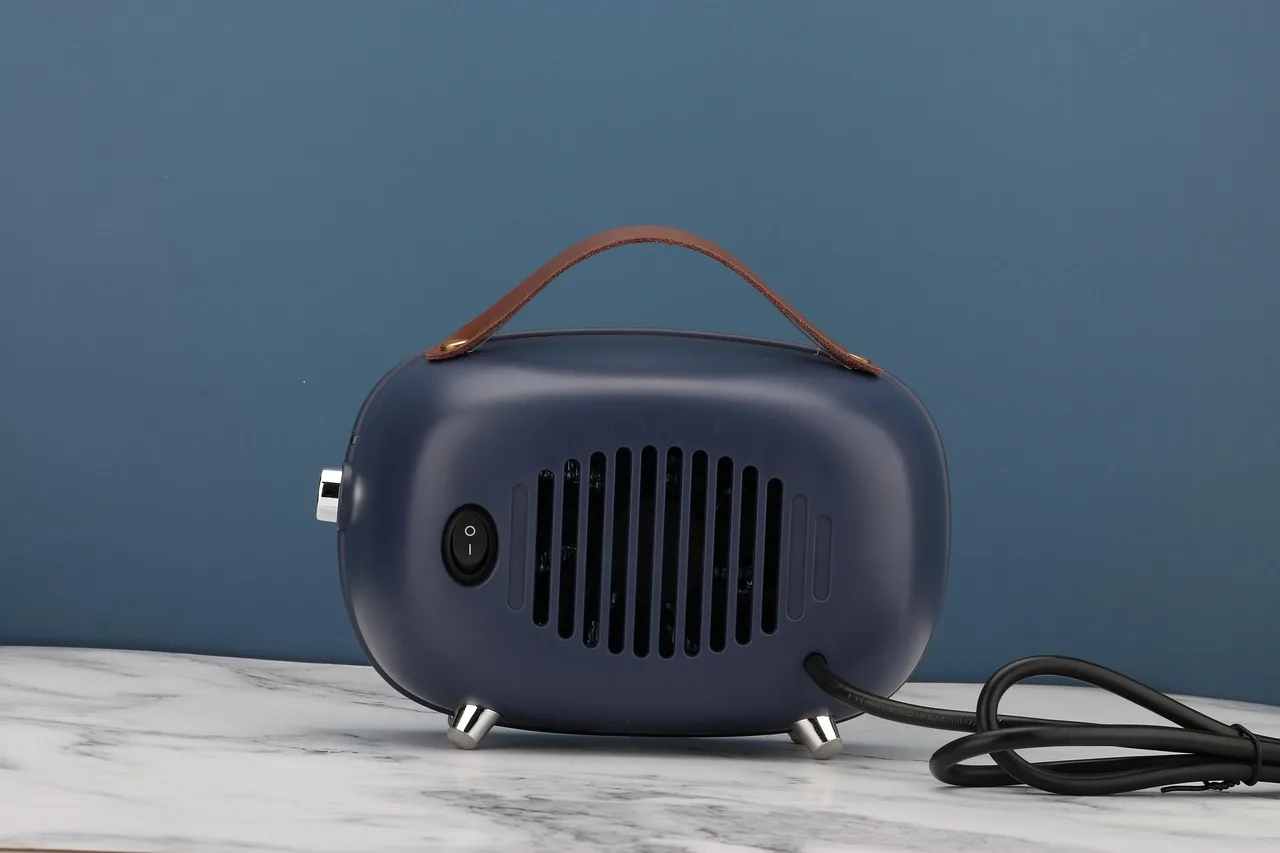
Choose Vented if the room is used often, the home is tight, the space is a bedroom or bathroom, or the heater will handle primary heat. Choose unvented heater only when the room is large enough for the appliance, outside air is available, local rules allow it, and you accept the indoor moisture and pollutant load.
Choose Vented if…
- You need a heater for a bedroom, living room, basement, or whole-home system.
- Your home is modern, air-sealed, or otherwise low-leakage.
- You want the simpler path for code, permit, and inspection approval.
- You want combustion byproducts exhausted outdoors rather than diluted indoors.
Choose unvented heater if…
- The product is allowed by your local code and the manufacturer instructions.
- The room is large enough to supply combustion air and outside air.
- The heater is for limited, careful use in a space that can tolerate added humidity.
- You are not using it as a default answer for sleeping rooms or moisture-prone rooms.
When electric resistance fits better
Electric resistance heaters are technically unvented, but they do not create combustion byproducts. If you want a room heater for a bedroom, nursery, or another enclosed space, electric heat often fits better than either combustion option because it avoids carbon monoxide, nitrogen dioxide, and water vapor from burning fuel.
Do you need ventilation and a carbon monoxide detector?
Yes. Any fuel-burning appliance should have a carbon monoxide detector nearby, and an unvented heater needs combustion air and enough room volume to keep combustion byproducts from building up. If the manufacturer instructions are stricter than the local label, the stricter rule should guide the installation.
Outside air supply and room size limits
For unvented combustion heaters, room size, occupancy, and the manufacturer’s listed combustion-air method all matter. A small, busy room is a poor place for fuel burning because the air can be depleted faster, and the humidity load can build before comfort improves.
Where CO detectors belong
Use an audible carbon monoxide detector near sleeping areas and on each level where fuel-burning equipment operates, following the detector instructions and local code. Battery or hardwired versions both exist, and the important point is placement and working alarms, not the power source alone.
When local code or the manufacturer is stricter than the label
Local code, fuel-burning appliance rules, permit requirements, and manufacturer installation instructions all matter. If any of them prohibit a certain room, venting method, or fuel type, that restriction controls the installation even if the heater itself seems acceptable on paper.
Frequently asked questions
Is a vented heater better than an unvented heater for home use?
For most homes, yes. A vented heater is usually the safer, more code-friendly choice because it sends combustion gases outdoors. An unvented heater only makes sense when the room can supply enough air, the product is allowed, and moisture and pollutant control are acceptable.
Can you use an unvented heater indoors safely?
Only in limited conditions. You need enough room volume, combustion air, and compliance with local code and the manufacturer instructions. Even then, the heater still adds carbon monoxide, nitrogen dioxide, and water vapor to the room, so it is not a default choice for tight or occupied spaces.
What is the difference between vented and unvented heaters?
A vented heater exhausts combustion gases outdoors through a flue, chimney, or vent pipe. An unvented heater releases combustion byproducts into the room, so it depends on room air and ventilation to manage humidity, oxygen levels, and indoor pollutant exposure.
Do unvented heaters make a room warmer faster?
They often can feel faster because more of the heat stays in the room instead of leaving through a vent. That speed is not the whole story, though, because the room also gains moisture and combustion byproducts, which can make the result less comfortable or less safe.
Which heater is cheaper to run in a house?
That depends on the fuel type, installation, and duty cycle. An unvented heater can keep more heat in the room, but a vented gas furnace or boiler with good AFUE may still be the better operating choice for whole-house heating because the system is built for the job.
Which is better for old homes, vented or unvented heating?
Old homes usually do better with vented heating, especially if the space is used every day. Older houses can be drafty, but they can also have odd airflow patterns, so a vented system is easier to keep safe, dry, and consistent than an unvented combustion heater.