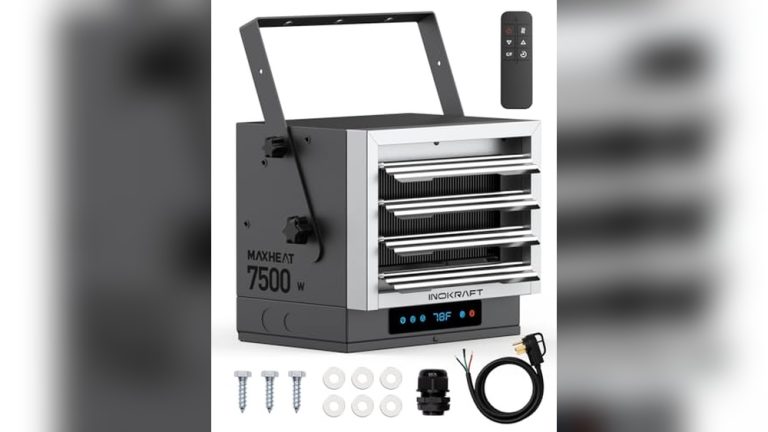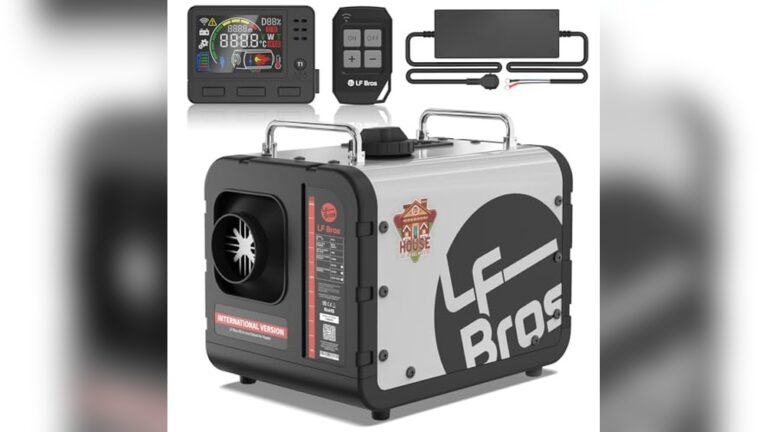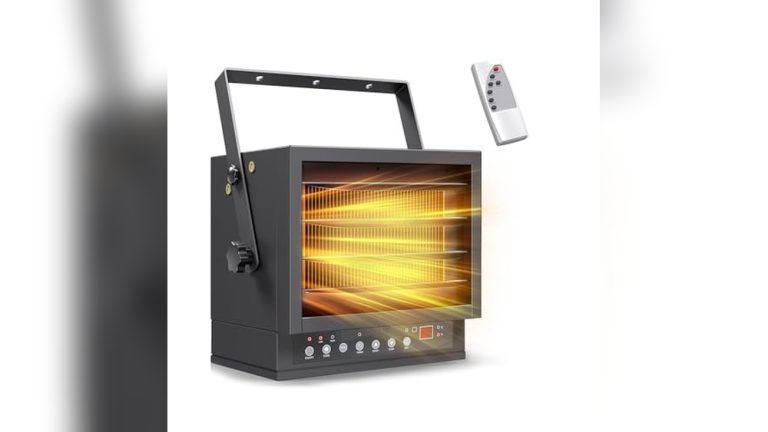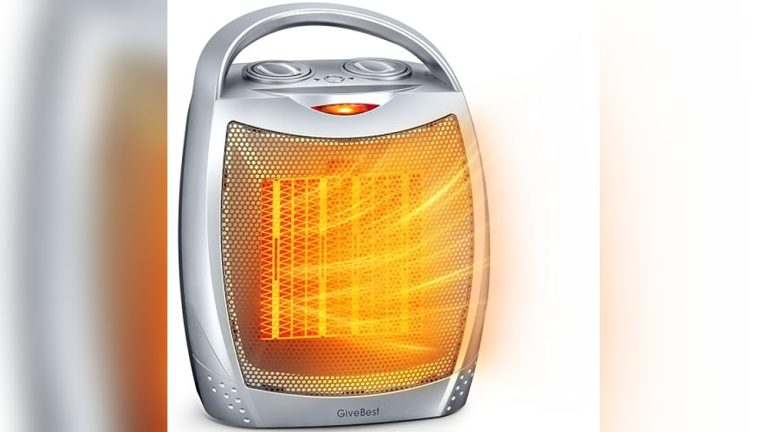
Heater Efficiency and Safety: What to Balance
Choose the heater that warms your room at the lowest practical wattage or BTU for that space, with built-in tip-over and overheat shutoff. A high label can still be the wrong choice if the unit runs too hard, sits too hot, or pulls more current than the room should carry. Poor matches waste energy, leave rooms cold, and raise burn, fire, or tripping risk. Electric resistance heaters are often close to point-of-use efficient because the electrical energy is converted to heat in the room, but total running cost still depends on runtime, thermostat cycling, insulation, and utility rates (DOE Energy Saver). This guide compares heater types, room size, running cost, and safety features so you can pick the right balance.
Heater safety decision matrix


This matrix puts the tradeoff in one place. Lower wattage can mean slower warmup, while higher output can mean faster comfort and higher circuit demand. Fuel-burning heaters change the picture again, because combustion safety, ventilation, and carbon monoxide risk matter more than electric dry-air concerns. For fire risk, portable heaters are a persistent concern: NFPA reports that space heaters are involved in a large share of home heating fires and many heating-fire deaths (NFPA). For carbon monoxide, OSHA and EPA/NIOSH guidance emphasizes that CO can build up in enclosed spaces from combustion appliances and requires ventilation and alarms rather than guesswork (OSHA, EPA/NIOSH).
| Heater type | Typical wattage or fuel | Warmup speed | Ongoing energy use | Approx. cost-per-hour at common wattages/fuels | Room-size fit | Surface temperature/contact risk | Circuit-load concern | Suitable for sleeping areas? | Dry-air or noise risk | Tip-over risk | Carbon monoxide risk | Best room use case |
|---|---|---|---|---|---|---|---|---|---|---|---|---|
| Space heater | Commonly 1500W | Fast | High if run long and on high | At 1500W, about 1.5 kWh per hour; cost equals 1.5 × your electric rate | Small rooms, spot heating, short runtime | Can run hot at the grille and housing | High on a shared branch circuit | Only if the model is designed for bedroom use and placed safely | Dry-air risk can be noticeable; fan models can be noisy | Moderate; needs stable placement and shutoff | None for electric models | Bedrooms, offices, small rooms |
| PTC heater | Self-regulating electric heat; often in the same portable heater range as other room heaters | Fast to moderate | Can reduce power use after target temperature is reached | Often similar to other plug-in heaters at startup; then output tapers as the element self-limits | Small rooms, desks, bedside use where self-regulation helps | Still warm enough to need clearance from fabrics and skin contact | Moderate to high depending on wattage | Can be suitable if the product is rated for indoor/bedroom use and used with clearances | Fan noise may still be present | Moderate; still needs a flat surface | None for electric models | Small rooms where steadier output helps |
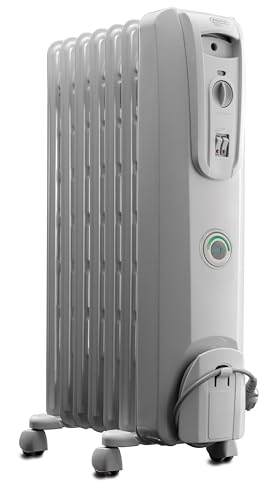
| Oil-filled radiator | Often 700W to 1500W | Slower | Moderate, with steadier heat delivery | At 700W, about 0.7 kWh per hour; at 1500W, about 1.5 kWh per hour | Bedrooms, closed rooms, longer run times | External surfaces can get hot, but often less exposed flame-like contact risk than open-element heaters | Moderate; lower settings are easier on circuits | Often suitable for sleeping areas because heat is steady and quiet | Quiet operation; low fan noise | Moderate; heavy unit but still needs clearance | None for electric models | Bedrooms, quiet offices, longer run times |
| Combustion heater | Fuel-burning | Fast | Depends on fuel use and runtime | Cost depends on fuel price and consumption rate, not electric wattage | Only where the product is rated for the space and ventilation is controlled | Can have very hot surfaces and open-flame or exhaust-adjacent hazards | Usually not the main issue; ventilation and fuel safety are | Generally not preferred for sleeping areas unless specifically listed and used per instructions | No electric fan issue, but indoor air quality risk is the bigger concern | Varies by design | Present; ventilation and alarms matter | Only where the product is rated for the space and ventilation is controlled |
That table is the core comparison. It shows why a lower-wattage unit is not always the best answer, and why the safest choice changes between a bedroom, a garage, and a workshop.
How efficient are storage heaters?
Storage heaters can be efficient in the narrow sense of shifting heat use to off-peak electricity, but their real-world value depends heavily on tariff structure, insulation, and how well the stored heat matches the room’s demand. They warm a storage core during cheaper hours, then release that heat later. That makes them different from portable electric heaters, which deliver heat on demand and give tighter control over when energy is used. If your tariff rewards off-peak charging, storage heaters can lower cost per delivered heat compared with daytime resistance heating. If your tariff does not, the savings may shrink or disappear.
Compared with portable electric heaters, storage heaters are usually less responsive. They hold heat well, but that also means they are less controllable if the room gets warmer than expected or the weather changes. Portable heaters are better when you need immediate adjustment, a bedroom that can be warmed only when occupied, or a small room that benefits from short runtime. Storage heaters are often better for predictable overnight or all-day background warmth, especially where bedroom comfort matters more than quick bursts of heat.
In practice, storage heaters fit best in rooms where heat retention is useful and the charging schedule matches the household tariff. Portable electric heaters fit better when you want local heat, faster control, and the ability to shut the heater down the moment the room is comfortable. For sleeping areas, the quieter, steadier release from a storage heater can be appealing, but the unit still needs correct placement and safe clearances, and it should be chosen only if its output matches the room.
How do you balance efficiency and safety when choosing a heater?

Start with room size and how long the heater will run. Then match output to the circuit, the space, and the hazard level in that room. A heater that is “efficient” on paper can still be a poor fit if it needs to run constantly, sits too close to fabrics, or exceeds what the circuit should carry.
Start with room size and run time
A small room used for short bursts can often do well with lower wattage. A larger room, or one that needs heat for hours, usually needs more output or a design that holds warmth more steadily. That is where oil-filled radiators often make sense, even though they warm more slowly. For bedroom heater sizing and safety, a useful companion rule is to pick the lowest wattage that still reaches comfort without forcing the unit to run flat-out for long stretches.
Suppose a roughly 100-square-foot office needs warmth for part of an afternoon. A 700W unit may be enough if the room is already insulated and the door stays closed. If the same heater has to cover a drafty basement room for most of the day, it may run flat-out and lose the cost advantage. A heater that cycles on and off can also cost less than one that runs continuously, even when both have the same label wattage, because the thermostat limits runtime (DOE Energy Saver).
Match heater output to the circuit and space
Wattage is the spec that tells you how much electrical input the heater needs. A common consumer heater size shown is 1500W. Other listings may show 400W, 700W, or 800W. Higher wattage usually means faster heat, but it also means more demand on the circuit and more heat concentrated in one area. At 120V, a 1500W heater draws about 12.5 amps, which is why it can be a meaningful load on a shared branch circuit.
BTU often appears on product pages alongside watts, especially in comparisons that mix heater styles. It is a useful output label, but read it with room size, runtime, and power source in mind. A high BTU number does not remove the need to match the heater to the room and outlet. For quick conversion, 1 watt equals 3.41 BTU per hour, so 1500W is about 5,115 BTU/hr at the input-to-heat conversion level.
Pick the lowest-risk heat source for the room
For bedrooms, nurseries, and small offices, electric heaters are usually the simpler indoor choice because they avoid combustion exhaust. Within that group, the lower-risk option is the one with tip-over protection, overheat protection, and automatic shutoff, plus enough clearance from furniture and curtains. The CPSC’s space-heater guidance emphasizes these protections and safe placement because most heater incidents come from misuse, obstruction, or contact with nearby combustibles.
For garages or bathrooms, the decision changes. Moisture, traffic, and placement hazards matter more. A heater that is fine in a quiet bedroom may be a poor fit in a busy garage where cords, doors, and stored materials create extra risk.
What heater specs matter most?
Wattage tells you how hard the heater pulls from the circuit. BTU helps compare heat output across product pages. Self-regulating output changes the safety picture because the heater can reduce power as it approaches its target temperature, which lowers overheating risk but does not remove the need for spacing and proper placement. Manufacturer documentation for PTC ceramic heaters describes the element as self-regulating: as temperature rises, resistance rises and current draw falls, which is why these units can settle back from peak draw after warmup.
Wattage and what it signals
Wattage is the clearest clue for electric room heaters. The tradeoff is that more wattage can mean more operating cost if the heater runs a long time.
BTU and how it appears in comparisons
BTU is a heating capacity label, not a room-size promise. It helps compare output on product pages when the models are not identical. Use it with room size, insulation, and runtime. A heater that looks powerful on paper can still be undersized for a cold, open room.
Why self-regulating output changes the safety picture
PTC heaters use positive temperature coefficient materials that limit power as temperature rises. That self-regulating behavior reduces overheating risk and can lower power use once the heater reaches target temperature. It still needs clear space, stable placement, and the same electrical caution as any other plug-in heater.
Which heater types are safest for bedrooms and small rooms?
For bedrooms and small rooms, the safest electric choices are usually space heaters with tip-over and overheat shutoff, self-regulating PTC heaters, or oil-filled radiators. The best fit depends on whether you want fast heat, quieter operation, or steadier warmth. The room’s layout matters as much as the heater label, and the CPSC’s space-heater guidance is especially relevant here because sleeping areas are where people may be less able to notice an overheating unit quickly.
Space heaters with overheat and tip-over shutoff
A standard portable space heater is common in bedrooms, offices, and small rooms. Look for overheat protection, tip-over protection, and automatic shutoff. Those features do not make the unit risk-free, but they reduce the chance of runaway heat if the heater is knocked over or blocked.
PTC heaters and self-regulating heat
PTC heaters are a good fit when you want faster warmup with less power spiking after the room approaches comfort level. They are not a free pass. They still need spacing from curtains and bedding, and the cord still needs a safe route that keeps it out of foot traffic.
Oil-filled radiators for quiet, steady warmth
Oil-filled radiators are often the quietest practical option. They are slower to heat than fan-driven models, but they give steadier warmth and avoid the fan noise that can bother light sleepers or people working at a desk. Listings commonly show 700W to 1500W for this type.
Electric heaters vs fuel-burning heaters
Electric heaters and fuel-burning heaters should not be judged by the same safety standard. Electric models mainly raise concerns about overheating, tipping, cord placement, and surface contact. Fuel-burning heaters add combustion risks, including carbon monoxide and ventilation failure, so the room and alarm setup matter much more.
Electric heaters and common indoor risks
Electric heaters are easy to use for indoor heating, but they still create burn and fire hazards if placed near curtains, furniture, or flammables. The CPSC warns against leaving portable heaters unattended, using them near combustibles, or relying on a shutoff feature as a substitute for safe placement. NFPA also notes that portable heaters are a recurring source of home heating fires, which is why clearance and supervision matter so much.
A common first-timer mistake is putting a 1500W space heater under a desk with papers nearby. The room may warm quickly, but the placement risk goes up, the surface can get hot, and the cord can become a trip hazard if it crosses a walkway.
Fuel-burning heaters and carbon monoxide risk
Carbon monoxide risk is the major safety issue with fuel-burning heaters. It is tied to incomplete combustion and vent failures, not to electric resistance heat. OSHA’s CO exposure limit is 50 ppm as an 8-hour average, and EPA/NIOSH guidance treats elevated indoor CO as a serious exposure concern. That is why ventilation and alarms are part of the decision, not an optional extra.
When ventilation and alarms matter
If a heater burns fuel indoors, ventilation must be treated as a requirement, not a preference. You also need carbon monoxide alarm awareness in the spaces where the heater runs. A fuel-burning unit may feel powerful, but no amount of efficiency talk cancels the air-safety issue.
How do wattage, BTU, and room size fit together?

Wattage and BTU are only useful when you read them against the room and the circuit. A higher input usually means faster heat, but it also means more electrical load and, often, more risk if the heater is oversized for the room. Matching output to the room keeps the heater from running harder than necessary.
Common wattage examples
- 400W: useful for very small personal heating needs
- 700W: common on some oil-filled radiators and lower-output room heaters
- 800W: a middle-ground size for a personal ceramic space heater
- 1500W: a common consumer heater size for room heating
Those numbers are not automatic room-size rules. They are input levels. Room insulation, ceiling height, drafts, and runtime change the result. A 400W heater can be sensible for a small desk area, while a 1500W model may be better for a larger room that needs quicker recovery after doors open.
Why higher input usually means faster heat
More input power usually means a heater can raise the room temperature faster. That is useful when you want quick comfort after entering a cold room. It is less useful if the heater will run for hours in a small space, because the extra output may turn into extra operating cost and more heat stress on the room.
How to avoid overloading the space
- Check the heater wattage before you buy.
- Compare it with the room size and how long you expect to run it.
- Keep the heater off the same outlet path as other heavy loads when possible.
- Use the lowest output that still warms the room in a reasonable time.
- Keep curtains, furniture, bedding, and cords away from the heater body.
That checklist protects both efficiency and safety. It also keeps the choice grounded in the actual room, not in a label alone.
What safety features should you not skip?
Do not skip overheat protection, tip-over protection, and automatic shutoff. Those features are common on consumer electric heaters for a reason. They help reduce runaway heat, but they work best when the heater is placed correctly and used in the room it was meant for. CPSC guidance highlights these protections because they reduce hazard severity, not because they eliminate the need for caution.
Overheat protection
Overheat protection is a thermal safety shutoff. If the internal temperature climbs too far, the heater should cut power. One electric heater listing includes overheat protection, and another highlights automatic shutoff. Those features are helpful, but they should never be treated as permission to ignore clearance or placement rules.
Tip-over protection
Tip-over protection matters most in bedrooms and other high-traffic areas. If the unit gets knocked over, it cuts power. That does not stop every hazard, but it reduces the chance that a heater keeps running in the wrong position.
Automatic shutoff
Automatic shutoff is useful when the heater reaches its set condition or when a safety fault occurs. It is especially important for portable heaters used in small rooms. Even so, the unit still needs a stable surface, enough open space, and a cord route that avoids walking paths.
Placement rules near curtains, furniture, and cords
Do not place heaters near curtains, furniture, bedding, or flammables. Keep the unit on a stable, level surface. Keep cords out of walking paths and away from heat exposure. Those are not optional details. They are part of the safety system, whether the heater is 400W or 1500W.
Frequently asked questions
Which heater types are safest for bedrooms or small rooms?
For bedrooms and small rooms, electric heaters with overheat and tip-over shutoff are usually the safer starting point. PTC heaters can reduce power as they warm up, and oil-filled radiators give quiet, steady heat. The right pick still depends on the room’s size, layout, and traffic.
Do more efficient heaters always cost less to run?
No. A heater can be efficient in design and still cost more to run if it heats a larger room, runs longer, or uses a higher wattage setting. Room size, runtime, insulation, and electricity or fuel price all affect the total cost far more than the label alone.
What safety risks matter most with space heaters?
For electric space heaters, the main risks are overheating, tipping, burn contact, and fire from poor placement. For fan-driven models, dry air and noise can also matter. The biggest rule is simple: keep the heater clear of curtains, furniture, bedding, and cords.
How do I compare heater wattage, BTU, and room size?
Use wattage to understand electrical demand and BTU to compare output across product pages. Then match both to the room’s size and expected runtime. Common wattage examples often include roughly 400W, 700W, 800W, and 1500W. Higher numbers usually heat faster, but they also draw more power. A useful shortcut is that 1 watt equals 3.41 BTU/hr, which helps translate a heater’s input into output terms.
Are self-regulating heaters safer than standard electric heaters?
They can be safer in one respect because they reduce power as temperature rises, which helps limit overheating. They are not risk-free. A self-regulating heater still needs clearance, stable placement, and the correct circuit. It also does not remove the normal fire and burn concerns of any portable heater.