Deciding Between AC Units and Electric Heaters: A Cost Guide
I remember shivering in my chilly bedroom last winter, wondering if my old electric heater was the best way to stay warm. That got me curious about AC units vs electric heaters cost. This article will explain both options in simple words. I’ll share what they are, how much they cost to run, and tips to save money. Whether you’re new to this or a home heating pro, you’ll find easy ideas to stay cozy without breaking the bank.
What Are AC Units and Electric Heaters?
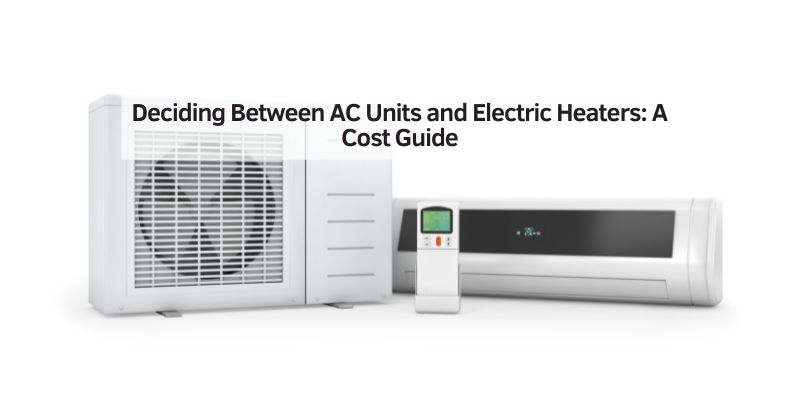
AC units and electric heaters warm your home, but they work differently. An AC unit, often called a reverse cycle air conditioner, can heat and cool. Electric heaters only heat, using a hot element to warm the air.
AC Units Explained
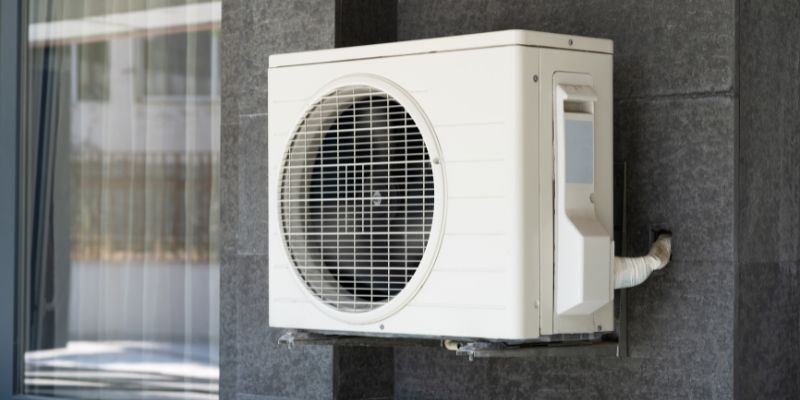
A reverse cycle AC pulls heat from outside air, even in cold weather. It pumps this heat inside to warm your room. It’s like magic, but it’s really just science!
Electric Heaters Explained
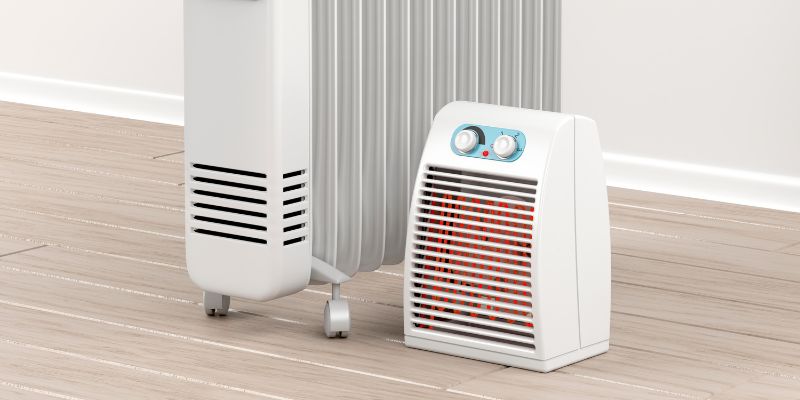
Electric heaters are simple. They use electricity to heat a coil or oil inside, which warms the air. You plug them in, and they start heating right away.
Why Costs Matter
Heating your home can get pricey. Knowing AC units vs electric heaters cost helps you pick the cheaper option. Costs depend on electricity prices, room size, and how long you use the device.
Comparing Costs: AC Units vs Electric Heaters
Let’s break down the costs. I’ll use simple examples to show how much you might spend. Electricity costs about 16 cents per kilowatt-hour (kWh) in the USA, based on average rates.
Running Costs for Electric Heaters
Electric heaters use a lot of power. A typical 1500-watt heater runs at 1.5 kWh per hour. If you use it for 6 hours daily, that’s 9 kWh. At 16 cents per kWh, it costs $1.44 per day or $43.20 per month.
Running Costs for AC Units
Reverse cycle AC units are more efficient. A small unit might use 0.5 kWh per hour to produce the same heat. For 6 hours, that’s 3 kWh, costing $0.48 per day or $14.40 per month. That’s a big saving!
Table 1: Cost Comparison for a Small Room (150 sq ft)
| Device | Power (kWh/hour) | Daily Cost (6 hours) | Monthly Cost (30 days) |
|---|---|---|---|
| Electric Heater | 1.5 | $1.44 | $43.20 |
| AC Unit | 0.5 | $0.48 | $14.40 |
Caption: Costs based on 16 cents/kWh for heating a small room.
Factors That Affect Costs
Several things change how much you’ll spend. Here are the big ones.
Room Size
Bigger rooms need more power to heat. A 1500-watt heater works for a small bedroom (150 sq ft). For a 300 sq ft living room, you might need a 3000-watt heater or a bigger AC unit.
Electricity Prices
Prices vary across the USA. In California, electricity might cost 20 cents/kWh, making heaters more expensive. Check your electric bill to know your rate.
Usage Time
Using a heater or AC for fewer hours saves money. Try heating only when you’re in the room.
Pros and Cons of Each Option
Both options have good and bad points. Let’s look at them.
Electric Heaters: Pros and Cons
- Pros: Cheap to buy ($20–$100). Easy to move. Quick to heat small spaces.
- Cons: High running costs. Less efficient. Can dry out the air.
AC Units: Pros and Cons
- Pros: Lower running costs. Can cool in summer. Even heat distribution.
- Cons: Expensive to buy ($500–$5000). Needs installation for some models.
Tips to Save Money
Here are easy ways to cut costs, based on my own experiments at home.
- Use a thermostat: Set it to 68°F to avoid wasting heat.
- Heat one room: Close doors to keep warmth where you need it.
- Add insulation: Seal windows and doors to trap heat.
- Use timers: Turn off heaters or AC when you’re asleep.
Common Mistakes to Avoid
I’ve made some of these mistakes myself. Don’t repeat them!
- Buying a cheap heater: Low-cost models often use more power.
- Ignoring room size: A small heater won’t warm a big room.
- Leaving it on all day: This racks up your bill fast.
Alternatives to Consider
There are other ways to heat your home. Here are two options.
Heat Pumps
Heat pumps are like super-efficient AC units. They can be 3–4 times cheaper to run than electric heaters. They cost more upfront ($3000–$7000) but save money over time. Learn more at Energy.gov.
Gas Heaters
Gas heaters use natural gas, which can be cheaper than electricity in some areas. They cost $1500–$3500 to install. Check gas prices in your area first.
Table 2: Comparing Heating Options
| Option | Upfront Cost | Annual Running Cost | Best For |
|---|---|---|---|
| Electric Heater | $20–$100 | $300–$600 | Small rooms |
| AC Unit (Reverse Cycle) | $500–$5000 | $100–$900 | Whole house |
| Heat Pump | $3000–$7000 | $150–$600 | Long-term savings |
Caption: Costs vary by home size and usage (based on 500 hours/year at 16 cents/kWh).
Visual Ideas for Better Understanding
These visuals could help explain the topic, though I haven’t included them.
- Room size chart: Shows which heater or AC fits different room sizes.
- Cost comparison graph: Plots daily costs for heaters vs AC units.
- Energy efficiency diagram: Explains how reverse cycle ACs move heat.
My Personal Experience
Last year, I bought a $50 electric heater for my home office. It worked fast but doubled my electric bill! Then I tried a reverse cycle AC unit. It cost $800 to install, but my bill dropped by half. Now I use the AC for heating and cooling, saving money all year.
How to Choose the Right Option
Here’s a simple guide to pick the best choice.
- Check your budget: Can you spend more upfront for an AC?
- Measure your room: Small spaces suit heaters; bigger ones need ACs.
- Look at your bill: High electricity rates make ACs a better pick.
- Think long-term: ACs save more over time.
Frequently Asked Questions
What’s Cheaper to Run, an AC Unit or Electric Heater?
AC units are usually cheaper. They use less power to heat the same space. For example, a heater might cost $1.44 daily, while an AC costs $0.48. Over a month, that’s a big difference! Check your electricity rate to be sure.
Can I Use an AC Unit for Heating All Year?
Yes! Reverse cycle AC units heat in winter and cool in summer. They’re efficient and keep your home comfy. Just make sure the unit is sized right for your room to save the most money.
Are Electric Heaters Safe to Use?
Most electric heaters are safe if used correctly. Don’t leave them on unattended, and keep them away from curtains or blankets. I always unplug mine at night to be extra safe.
How Do I Know What Size Heater or AC I Need?
Measure your room’s square feet. A 1500-watt heater works for 150 sq ft. For ACs, check the BTU rating (e.g., 5000 BTU for small rooms). Ask a pro at Home Depot for help.
Do Electric Heaters Use More Electricity Than ACs?
Yes, heaters use more power. A typical heater uses 1.5 kWh per hour, while an AC might use 0.5 kWh for the same heat. This makes ACs cheaper for long-term use.
Can I Save Money with a Heater and AC Together?
Yes! Use a heater for quick warmth in small spaces and an AC for bigger rooms or longer use. This mix saves money. I use a heater in my bathroom and AC in my living room.
Are There Cheaper Alternatives to Both?
Heat pumps are a great option. They’re super efficient and can cut costs by 50% compared to heaters. Gas heaters might also be cheaper if gas is affordable in your area. Check Consumer Reports for reviews.
Conclusion
Choosing between AC units vs electric heaters cost depends on your needs. Electric heaters are cheap to buy but costly to run. AC units cost more upfront but save money over time. Try measuring your room and checking your electric bill to decide. Pick one tip from this article, like using a thermostat, and test it this winter. Share your results with friends to help them stay warm too!