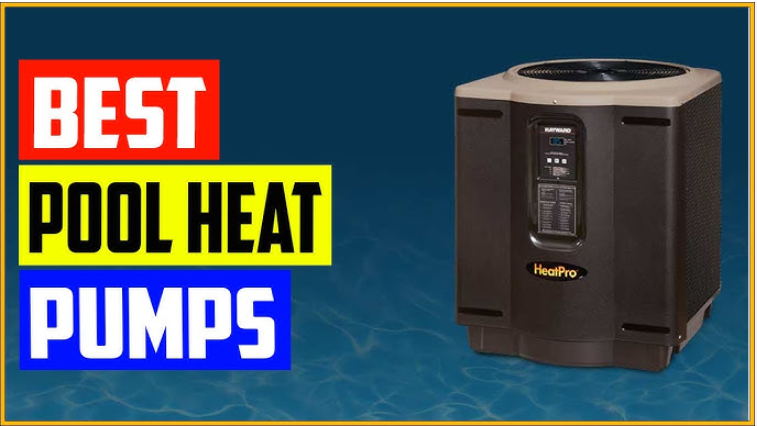
Above Ground Pool Heaters Electric VS Gas: Which Wins?
Are you ready to transform your swimming experience? If you’ve got an above-ground pool, you know that the right heater can make all the difference.
Choosing between electric and gas heaters might seem like a daunting task, but it doesn’t have to be. Imagine jumping into your pool anytime you want, regardless of the season. Picture the convenience and comfort of swimming in perfectly heated water.
This article will guide you through the key differences between electric and gas pool heaters, helping you decide which option suits your lifestyle and budget. Dive in to discover how you can maximize your pool’s potential and ensure endless enjoyment.
Types Of Above Ground Pool Heaters
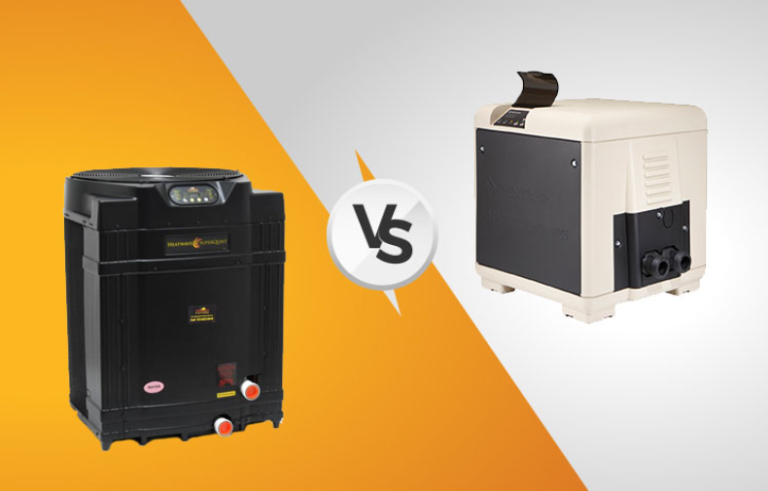
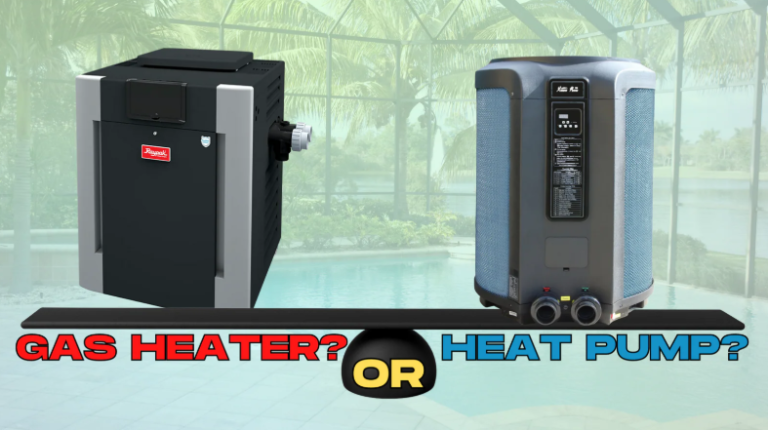
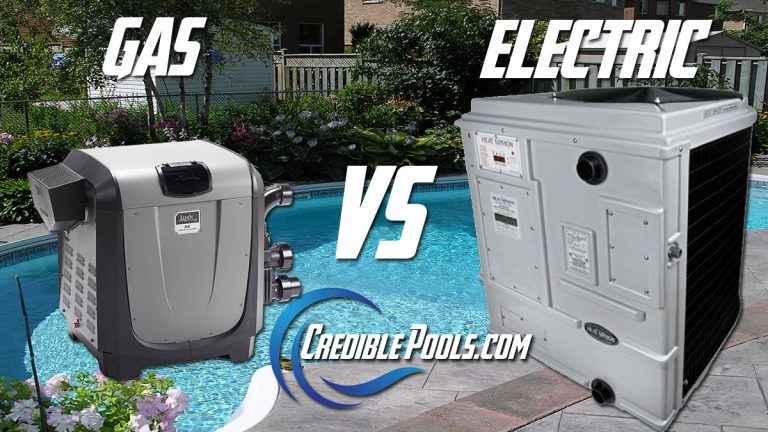
Electric pool heaters are easy to use. They are compact and quiet. These heaters use electricity to warm the water. They are energy-efficient and do not produce smoke. This makes them environmentally friendly. You can control them with a simple thermostat. They work well for small pools. Cold climates may need more power. Maintenance is easy and affordable. But they can be slower to heat water.
Gas pool heaters use natural gas or propane. They are powerful and fast. Great for large pools and quick heating. They work well in any weather. Installation can be complex. They need regular maintenance. Gas heaters can be noisy. They might produce emissions. Gas costs can vary. They need a gas line. Safety is important when using gas.
Cost Considerations
The initial cost for electric heaters is often lower. Gas heaters might need more money to start. Electric options are usually easier to install. No need for gas lines. This saves on setup costs.
Electric heaters can cost more to run over time. Electricity prices might be higher. Gas heaters heat water fast. This can save on monthly bills. But, gas prices can change.
Electric heaters need less upkeep. Fewer moving parts. This means less can break. Gas heaters need more care. They have burners and vents. These need regular checks. Maintenance can add up over time.
Efficiency And Performance
Gas heaters warm up pools fast. Very fast. Electric heaters take longer. Much longer. Gas heaters are great for quick dips. Electric heaters need more time.
Electric heaters are precise. You can set the exact temperature. Gas heaters are less precise. They might heat too much or too little. Electric is good for control. Gas is good for speed.
Electric heaters use less energy. They save power. Gas heaters use more energy. They work hard but cost more. Electric is better for saving energy.
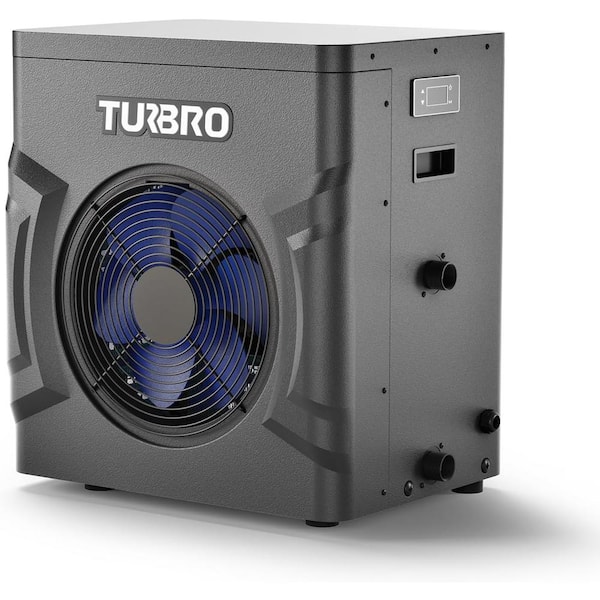
Credit: www.homedepot.com
Environmental Impact
Electric pool heaters use less energy. They have a smaller carbon footprint. Gas heaters burn fossil fuels. This releases more carbon dioxide. Too much carbon dioxide hurts the planet.
Electric heaters can use renewable energy. This makes them more sustainable. Solar and wind power are clean. They do not harm the Earth. Gas heaters rely on non-renewable resources. These can run out one day. Choosing electric helps the Earth stay healthy.
Installation And Setup
Choosing between electric and gas heaters for above ground pools involves understanding installation and setup. Electric heaters are generally easier to install, requiring a nearby power source. Gas heaters need a connection to a gas line, which might involve more work.
Both options have their own benefits.
Ease Of Installation
Electric pool heaters are easy to install. They need basic wiring. No need for gas lines. Less hassle. Quick setup is possible.
Gas heaters require more work. They need gas lines. It might take time. Professionals might be needed. They can be tricky.
Space Requirements
Electric heaters are compact. They fit in small spaces. Easy to manage. Perfect for tight areas.
Gas heaters need more room. They are bigger. More space is required. Plan carefully. Ensure space for installation.

Credit: www.amazon.com
Durability And Lifespan
The material quality greatly affects how long a pool heater lasts. Electric heaters often use high-grade stainless steel, which resists rust. Gas heaters might use cast iron or aluminum. These materials are strong but may rust over time.
Warranty options also matter. Electric pool heaters usually come with longer warranties. This shows confidence in their durability. Gas heaters sometimes have shorter warranties. This might mean they need more care.
Choosing the right heater depends on how long you want it to last. Better materials and warranties can save money. They mean fewer repairs and less worry.
User Experience
Electric pool heaters are easy to use. They have simple controls. Just plug them in and set the temperature. Gas pool heaters need more steps. Turn on the gas and adjust the settings. They might need more help to start. Choose electric for simple use. Choose gas if you are used to it.
Electric heaters have many safety features. They shut off if there’s a problem. This keeps you safe. Gas heaters also have safety features. They need proper ventilation to prevent gas leaks. It’s important to check them often. Both types keep you safe. But follow all instructions carefully.

Credit: collegeofems.com
Choosing The Right Heater
In colder places, a gas heater is very helpful. It heats the pool fast. Electric heaters work well in warm areas. They use the sun’s heat. This is called a heat pump. They save energy and money. Think about your weather before buying.
Use your pool often? A gas heater is quick and efficient. Electric heaters are good for longer use. They keep the water warm all day. Family gatherings and pool parties need steady warmth. Choose based on your swimming habits.
Gas heaters cost more to run. They use natural gas or propane. Electric heaters cost less over time. They need less fuel. Initial costs can be higher. Think about long-term savings. Choose what fits your budget.
Frequently Asked Questions
Are Electric Pool Heaters Energy-efficient?
Electric pool heaters are generally energy-efficient for small pools. They maintain consistent temperatures and are easy to install. However, they may have higher operational costs over time, especially for larger pools. Consider your pool size and climate before choosing an electric heater for energy savings.
Do Gas Heaters Warm Pools Faster?
Yes, gas heaters warm pools faster than electric ones. They are ideal for quick heating and larger pools. Gas heaters can reach desired temperatures swiftly, making them suitable for cold climates. However, they may have higher maintenance costs compared to electric heaters.
Which Heater Is Cheaper To Run?
Electric heaters are often cheaper to run for small pools. They have lower initial costs and minimal maintenance requirements. Gas heaters, while faster, may have higher fuel costs. Consider your pool size and usage frequency to determine the most cost-effective option.
Are Gas Heaters Suitable For All Climates?
Gas heaters are suitable for colder climates due to their rapid heating capabilities. They can efficiently raise pool temperatures in chilly environments. However, they may not be as cost-effective in warmer climates where electric heaters suffice. Choose based on your regional climate needs.
Conclusion
Choosing between electric and gas heaters depends on your needs. Electric heaters suit those seeking simplicity and low maintenance. They offer consistent heating without complex installation. Gas heaters provide quick warmth and better performance in colder climates. They are ideal for users wanting efficiency and speed.
Consider your budget, climate, and pool usage. Each type has unique benefits. Evaluate your pool size and heating needs. This ensures you make a fitting choice. Both options improve pool comfort. Your family will enjoy extended swimming seasons. Prioritize safety and efficiency in your decision.
Happy swimming!