Flued Vs Unflued Gas Heaters: Ultimate Comparison Guide
Are you in the market for a new gas heater but feeling overwhelmed by the choices? You’re not alone.
Deciding between flued and unflued gas heaters can be confusing, especially when you’re trying to ensure safety and efficiency in your home. The right choice can keep your family warm during chilly nights while saving you money on energy bills.
But how do you know which type of heater is best for your needs? We’ll break down the key differences between flued and unflued gas heaters, helping you make an informed decision that suits your lifestyle and budget. Keep reading to discover which option is the perfect fit for your home.
Flued Gas Heaters
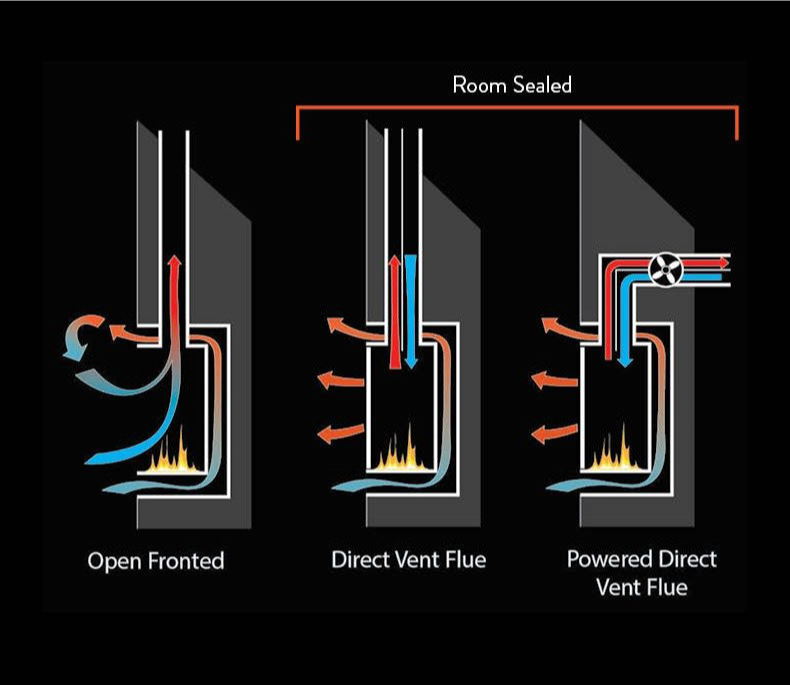
Flued gas heaters need a vent to remove gases. Installing the vent is important. It connects the heater to the outside. This process needs a professional. A wrong install can be dangerous. Correct installation ensures safe use.
Flued heaters can be very efficient. They keep the home warm. They remove moisture from the air. This makes them perform well. The heat is steady and even. They use gas smartly. Energy is not wasted.
Safety is a big concern with gas heaters. Flued heaters are safer. They have vents. These vents remove harmful gases. Carbon monoxide is dangerous. The vent keeps the air clean. Regular checks are important. Safety checks keep everyone safe.
Flued heaters can be costly. The installation adds to the cost. Professional help is needed for install. They are more expensive than unflued ones. The long-term savings can be good. They use gas wisely. Energy bills may be lower.

Credit: www.heroplumbing.com.au
Unflued Gas Heaters
Unflued gas heaters are simple to install. They do not need a chimney. Place them in a room with fresh air. Follow the manual for setup steps. Plug them into a gas outlet. Ensure the room has good ventilation. This prevents harmful gas build-up. Always check connections for leaks. Use soap water to find leaks. If bubbles appear, fix it.
Unflued heaters warm rooms fast. They use gas directly for heat. No heat is lost through a chimney. This makes them energy-efficient. They work well in small spaces. Large rooms need bigger heaters. Keep doors closed for best heat. Check gas levels often. Refill gas when needed.
Safety is crucial with unflued heaters. They release gases like carbon monoxide. Ensure rooms are airy. Install a carbon monoxide alarm. Test the alarm often. Keep heaters away from curtains and furniture. Never leave them unattended. Turn off before sleeping.
Unflued heaters are affordable. They cost less than flued heaters. No need for chimney installation. This saves money. Gas usage can be costly. Check gas prices in your area. Factor in maintenance costs. Regular checks keep heaters working well.
Environmental Impact
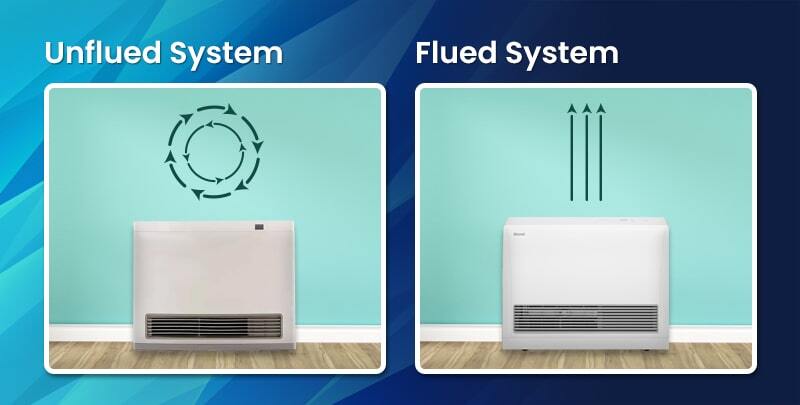
Flued gas heaters release emissions outside. This helps keep indoor air clean. Unflued gas heaters release gases inside the home. They can affect air quality. These gases can include carbon monoxide and nitrogen dioxide. It is important to ventilate rooms when using unflued heaters. Proper ventilation helps reduce indoor pollution. Always check the heater’s safety features.
Flued heaters often use more energy. This is because they lose some heat outside. Unflued heaters are more energy-efficient. They keep most heat indoors. This can save on energy bills. But remember the impact on air quality. Balance efficiency with safety. Choose the heater that fits your needs best.
Credit: www.escea.com
Health Considerations
Flued gas heaters send gases outside. This keeps indoor air cleaner. Unflued heaters send gases into the room. They can make air dusty and smelly. People can breathe these gases. This may cause health problems.
Unflued heaters can harm breathing. They may cause a cough or sneezing. Flued heaters are safer for lungs. They keep the air fresh. Good air helps people breathe well.
Cost Analysis
Flued gas heaters often cost more. They require installation. Unflued heaters are cheaper upfront. They do not need venting. Installation adds extra cost to flued heaters. Many people choose unflued heaters. They save money at the start. A flued heater can be a big expense. Think about your budget. Do you want to pay more now or later?
Flued heaters need regular checks. They have venting systems. These systems can break. Repair costs can be high. Unflued heaters have fewer parts. They are simpler. Maintenance costs are lower. Flued heaters can be costly over time. Unflued heaters are easier to keep. They save money in the long run. Plan for regular checks. It keeps heaters safe and working well.
User Experience
Flued gas heaters are easy to use. They often have simple controls. Just turn a knob or press a button. Unflued gas heaters can be moved around. This makes them flexible. But they might need more care. Make sure to keep the room airy. Both types are user-friendly. Yet, unflued heaters need more attention.
Flued heaters warm rooms evenly. They keep the air fresh and clean. This makes people feel comfy. Unflued heaters can make a room warm fast. But they might cause stuffy air. It’s important to open a window. This keeps the air nice and fresh. Both heaters give warmth. But flued ones offer better air quality.
Suitability For Different Spaces
Flued gas heaters are great for homes. They have a pipe to send out bad air. This makes them safe for bedrooms and living rooms. Unflued heaters are good for small rooms. They need open windows for fresh air. Flued heaters cost more to set up. But they are safer and cleaner. Unflued heaters are cheaper but need more care. Always keep a window open with them. Both heaters give warmth to your home. Choosing the right one is important for your family.
Flued heaters fit well in large spaces like offices. They keep the air clean and safe. Unflued heaters work in places with good air flow. They are not for closed spaces. Flued heaters are better for health. They are costlier but offer safe warmth. Unflued heaters are cheaper to buy. They need careful use. Always ensure a vent is open. Both types can keep a space warm. Pick wisely based on your space needs.
Regulatory Standards
Gas heatersmust meet specific rules. Safety is very important. Flued heaters send gases outside. Unflued heaters keep gases inside. They need proper ventilation.
Both types have strict checks. Experts inspect them. Proper installationis required. Users must follow guidelines. Safety checks happen often. They ensure safe use.
Different places have unique rules. Some regions prefer flued heaters. Others allow unflued heaters. Climate affects choice. Cold areas use flued heaters more.
Regulations can change. Local laws are important. Consumers need to know them. Heater typesvary by region. Safety standards vary too.
Pros And Cons Summary
Flued heaters keep indoor air clean. They send gas fumes outside. Safety is higher with flued heaters. They reduce moisture in the air. Energy efficiency is often better. They work well in larger spaces.
Flued heaters are more expensive to install. They need a chimney or vent. Installation can be complex. They are less portable. Moving them is hard. They may not fit all rooms.
Unflued heaters are easy to install. They are portable and fit anywhere. These heaters are cheaper than flued ones. They heat rooms quickly. No chimney needed. They are ideal for small spaces.
Unflued heaters can pollute indoor air. Gas fumes stay inside. They increase moisture levels. Safety is lower without vents. They may cause allergies. Not suitable for long use. Ventilation is a must.
Choosing The Right Heater
Selecting a heater depends on several key factors. Safety is the most important factor. Flued heaters release gases outside. This makes them safer indoors. Cost is also crucial. Flued heaters are often more expensive. Installation can be tricky with flued heaters. They need a chimney or vent. Efficiency matters too. Flued heaters may lose some heat through the vent. Unflued heaters are usually more efficient. They keep all heat inside.
Personal taste plays a big role. Some people like the look of flued heaters. They give a cozy feel. Others prefer unflued heaters. They are sleek and modern. Space is another concern. Unflued heaters take up less room. They are good for small spaces. Ease of use is important too. Unflued heaters are often simpler. No need for vents or chimneys. Choose what fits your style and space.
Credit: www.metropolitanairconditioning.com.au
Frequently Asked Questions
What Is A Flued Gas Heater?
A flued gas heater vents combustion gases outside through a chimney or flue. This prevents indoor air pollution and ensures safety. Flued heaters are ideal for large spaces. They provide consistent heating without compromising air quality. Installation requires professional expertise due to the need for a flue system.
Are Unflued Gas Heaters Safe Indoors?
Unflued gas heaters can emit harmful gases indoors, posing health risks. They require adequate ventilation to ensure safety. It’s crucial to follow manufacturer guidelines to minimize exposure. Regular maintenance and carbon monoxide detectors enhance safety. They are best suited for well-ventilated areas or occasional use.
How Does Flued Heating Affect Indoor Air Quality?
Flued heaters vent gases outside, preserving indoor air quality. This prevents accumulation of pollutants like carbon monoxide. They ensure a healthier environment by removing combustion by-products. Flued systems are ideal for those with respiratory concerns. Proper installation and maintenance further enhance air quality benefits.
What Are The Cost Differences In Installation?
Flued heaters typically have higher installation costs due to the need for a flue. Unflued heaters are cheaper to install as they lack complex venting. Long-term, flued heaters might offer savings through improved efficiency. Consider both upfront and operational costs when choosing a heater.
Conclusion
Choosing between flued and unflued gas heaters can be tricky. Consider safety first. Flued heaters help keep indoor air clean. They are great for long-term use. Unflued heaters are more portable and cheaper. But they may affect indoor air quality.
Think about your space and budget needs. Also, check local regulations before buying. Both types have benefits and drawbacks. Make a wise choice for comfort and safety. Always prioritize health and efficiency in your decision.