Are Pentair Pool Heaters Good for Your Pool?
Yes, Pentair pool heaters are generally considered excellent. They are known for their reliability, energy efficiency, and advanced features, making them a top choice for extending your swimming season and enjoying your pool comfortably.
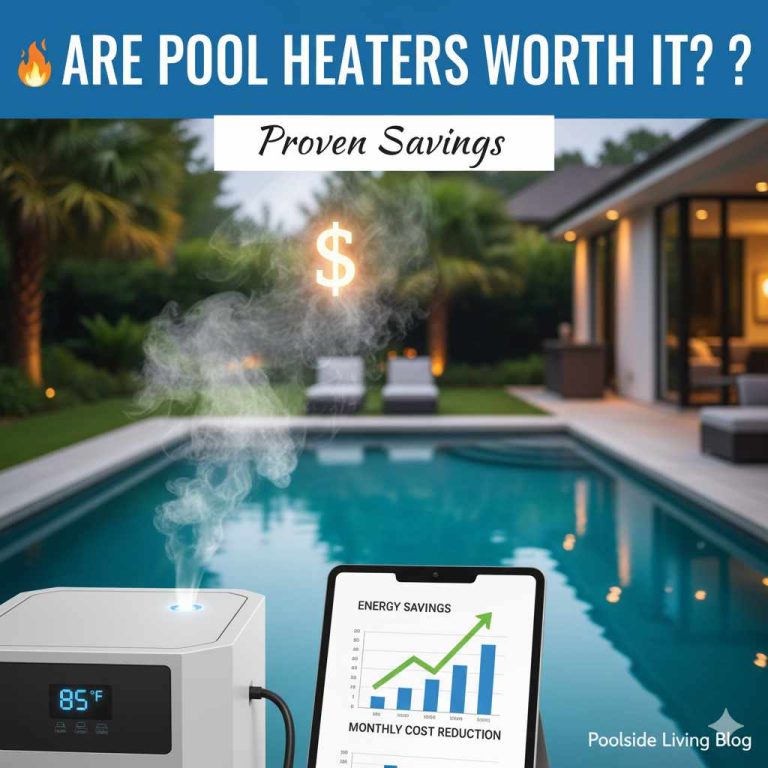
Are you dreaming of a perfectly warm pool, even when the weather outside is cool? Many pool owners wonder if a pool heater is a good investment and, if so, which brand to trust. It can feel a little overwhelming trying to figure out the best option for your backyard oasis. Don’t worry, I’m here to help! We’ll dive into why Pentair stands out and what makes their pool heaters a fantastic choice for keeping your water inviting all year round.
In this guide, we’ll explore the proven benefits of Pentair pool heaters, from keeping your energy bills in check to ensuring effortless operation. By the end, you’ll feel confident in understanding what makes these heaters a popular and reliable choice. Let’s get started on making your pool the warmest spot on the block!
Are Pentair Pool Heaters Good? The Trusted Choice for Warm Water
When it comes to maintaining a comfortable swimming temperature, one of the biggest decisions you’ll make is choosing the right heater. Many homeowners ask, “Are Pentair pool heaters good?” The short answer is a resounding yes! Pentair has built a strong reputation in the pool and spa industry for creating high-quality, durable, and efficient equipment. Their pool heaters are no exception.
These heaters are designed with the homeowner in mind, aiming to provide consistent warmth without excessive energy consumption. They use advanced technology to deliver reliable performance, season after season. Whether you have a small above-ground pool or a large, in-ground oasis, Pentair likely has a model that fits your needs, helping you maximize your pool enjoyment.
Why Choose a Pentair Pool Heater? Proven Benefits Explained
Pentair pool heaters offer a blend of innovation and practicality that makes them a favored option for many pool owners. They focus on key areas that matter most: efficiency, durability, user-friendliness, and smart technology. Let’s break down the benefits that make Pentair a solid investment for your pool.
1. Exceptional Energy Efficiency
One of the most significant advantages of Pentair pool heaters is their commitment to energy efficiency. With rising energy costs, nobody wants a pool heater that drains their wallet. Pentair achieves this efficiency through several design elements:
- Advanced Burner Technology (for gas heaters): Pentair’s gas pool heaters utilize highly efficient burners that ensure maximum heat transfer from the fuel to the water. This means less wasted energy and more effective heating.
- Heat Pump Technology: For their heat pump models, Pentair offers industry-leading efficiency. Pool heat pumps work by extracting heat from the surrounding air, which is a much more energy-efficient process than generating heat directly through combustion. Technologies like dual compressors and variable-speed fans optimize this heat transfer, leading to significantly lower operating costs compared to gas heaters, especially in warmer climates. You can explore general information about heat pump efficiency on resources like the U.S. Department of Energy’s website.
- Smart Controls: Many Pentair models come with intelligent control systems that allow for precise temperature settings and scheduling, preventing unnecessary heating and further reducing energy waste.
2. Durability and Longevity
A pool heater is an investment, and you want it to last. Pentair heaters are built with robust materials and designed for long-term performance.
- Corrosion-Resistant Components: Pool environments can be harsh, with chlorine and water exposure. Pentair uses materials like cupro-nickel or titanium heat exchangers in many of their models, which are highly resistant to corrosion, ensuring the heater can withstand these conditions for years.
- Solid Construction: The physical build of Pentair heaters is designed to endure various weather conditions and the rigors of constant operation. This robust construction means fewer premature failures and a more reliable heating experience.
3. User-Friendly Operation and Controls
You don’t need to be a tech wizard to operate a Pentair pool heater. They are designed for ease of use, making it simple to enjoy your warm pool.
- Intuitive Digital Displays: Most Pentair heaters feature clear, easy-to-read digital displays that allow you to set your desired temperature and monitor the heater’s status with just a few button presses.
- Smart Connectivity: Many newer models offer advanced features like Wi-Fi connectivity. This allows you to monitor and control your pool temperature remotely from a smartphone or tablet using the Pentair Home app. Imagine adjusting the temperature on your way home from work so your pool is perfect the moment you arrive!
- Troubleshooting Features: Built-in diagnostic capabilities can simplify troubleshooting, often providing error codes or messages that can help you or a technician quickly identify any issues.
4. Advanced Safety Features
Safety is always a top priority, and Pentair incorporates several safety mechanisms into their heaters.
- High-Limit Protection: Prevents the heater from overheating.
- Pressure and Flow Switches: Ensure the heater only operates when water is flowing correctly, preventing damage and potential hazards.
- Flame Sensors (for gas heaters): Monitor the flame ignition to ensure safe operation.
- Ground Fault Circuit Interrupters (GFCIs): Protect against electrical shock.
5. Quiet Operation
Especially for heat pump models, Pentair strives to design units that operate relatively quietly. While any mechanical equipment will produce some sound, modern Pentair heat pumps are engineered to minimize noise disruption in your backyard oasis, allowing you to relax without distraction.
6. Versatile Range of Models
Pentair offers a diverse line of pool heaters to suit different needs and budgets:
- IntelliFlo® Variable Speed Pool Pumps are often paired with heaters, contributing to overall system efficiency.
- Mastertemp® Pool & Spa Heaters (Gas): Known for their speed in heating and efficient performance.
- Pentair UltraTemp® Pool Heat Pumps: Highly energy-efficient options that leverage ambient air temperature.
- Sta-Rite® Series 5000 Pool Heaters: Another line offering reliable heating solutions. (Note: Sta-Rite is a Pentair brand.)
This variety ensures that whether your priority is the fastest heat-up time (gas) or the lowest running cost (heat pump), Pentair has a solution for you. They are designed to integrate seamlessly with other Pentair pool equipment, creating a comprehensive and efficient system.

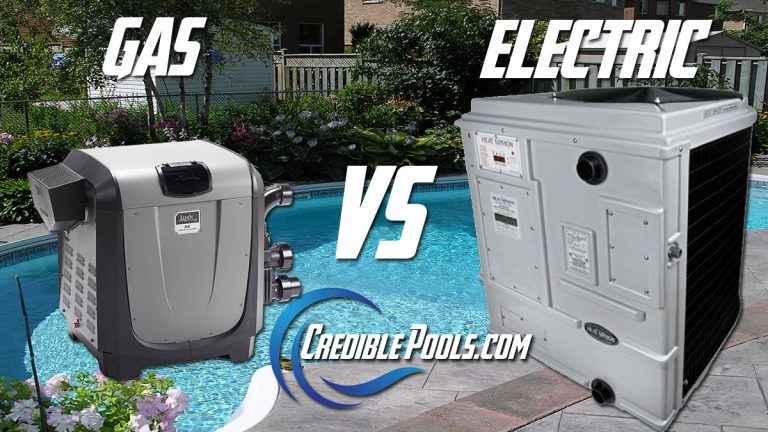
Pentair Pool Heater Types: A Quick Look
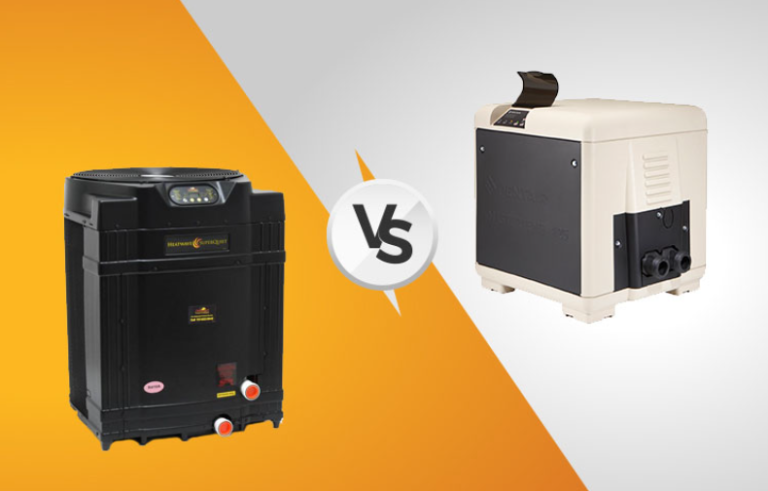
Pentair offers two primary types of pool heaters, each with its own advantages. Understanding these can help you decide which is best for your situation.
Gas Pool Heaters (e.g., Pentair Mastertemp®)
These heaters use natural gas or propane to heat the water directly. They are known for their rapid heating capabilities, making them ideal if you want to heat your pool quickly or if you have an often-used pool that needs frequent heating.
Pros:
- Fastest way to heat a pool.
- Consistent heating regardless of air temperature.
- Generally lower upfront cost compared to heat pumps.
Cons:
- Higher operating costs due to fuel consumption.
- Emits greenhouse gases.
- Requires a gas line connection.
Pool Heat Pumps (e.g., Pentair UltraTemp®)
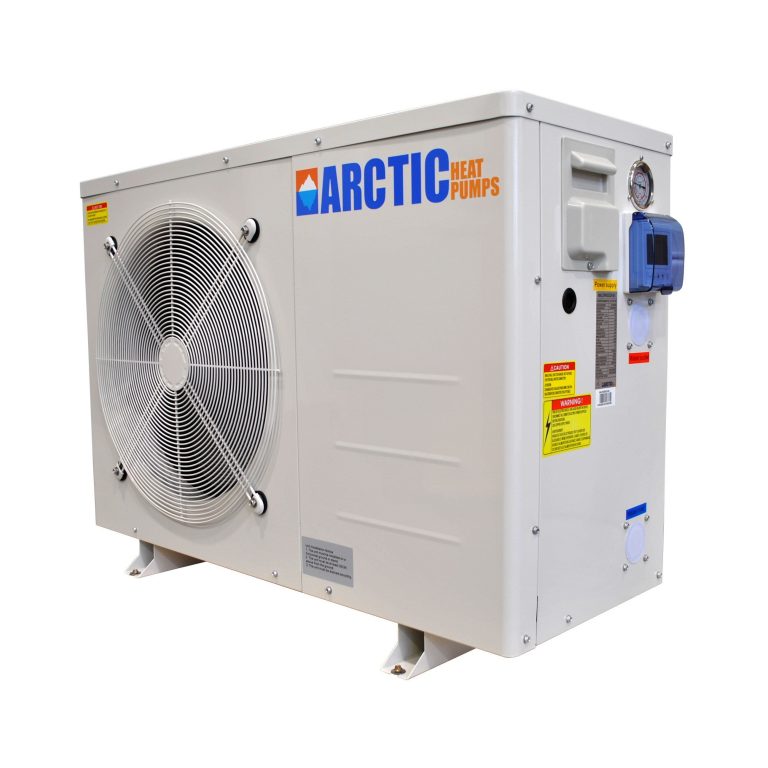
Heat pumps work by pulling heat from the surrounding air and transferring it to the pool water. They are a very energy-efficient option, especially in moderate to warm climates.
Pros:
- Much lower operating costs than gas heaters, especially in milder temperatures.
- Environmentally friendlier.
- Can also provide a cooling function in some models.
Cons:
- Heating speed is slower than gas heaters.
- Efficiency decreases significantly in very cold air temperatures.
- Higher initial purchase price.
The choice between gas and heat pump often comes down to your local climate, budget, and how quickly you need the water heated. For detailed environmental considerations of different heating technologies, resources from organizations like the Environmental Protection Agency (EPA) can offer further insights.
Comparing Pentair Heater Models: Key Features at a Glance
To give you a clearer picture, here’s a simplified comparison of common Pentair heater series. Keep in mind that specific features can vary by model and year.
| Feature/Model Series | MasterTemp® (Gas) | UltraTemp® (Heat Pump) |
|---|---|---|
| Primary Heating Method | Combustion (Natural Gas or Propane) | Air-Source Heat Pump |
| Heating Speed | Very Fast | Slow to Moderate |
| Energy Efficiency (Operating Cost) | Lower (higher fuel costs) | Higher (lower electricity costs, especially in moderate climates) |
| Ideal Climate | All Climates | Mild to Warm Climates (above 40-50°F / 5-10°C for optimal efficiency) |
| Upfront Cost | Moderate | Higher Initial Cost |
| Environmental Impact | Higher (emissions) | Lower (uses renewable ambient heat) |
| Noise Level | Moderate | Quieter than gas heaters, but fan noise is present |
| Common Features | Fast heating; Durable construction; Digital controls; Buil-in diagnostics | High energy efficiency; Eco-friendly; Remote control options; Auto-defrost feature |
When selecting a model, always consider the BTU (British Thermal Unit) output required for your specific pool size and climate. A qualified pool professional can help you determine the right size to ensure efficient and effective heating.
Maximizing Your Pentair Pool Heater’s Performance and Lifespan
To ensure your Pentair pool heater provides excellent service for years to come, a little consistent care goes a long way. Think of it like regular maintenance for your car – it keeps everything running smoothly and prevents bigger issues down the road.
Regular Professional Inspections
It’s a good idea to have your pool heater inspected by a qualified pool technician annually, or at least every other year. They can:
- Check for proper operation and safety compliance.
- Clean the burners and heat exchanger (for gas heaters).
- Inspect electrical connections and components.
- Ensure the unit is properly vented.
- Check refrigerant levels and diagnose any issues with heat pumps.
This proactive approach helps catch small problems before they become major, costly repairs and ensures your heater is always running at its best.
Keep the Area Around the Heater Clear
Ensure there’s adequate airflow around your heater. For gas heaters, proper ventilation is critical for safe and efficient combustion. For heat pumps, unobstructed airflow is essential for them to efficiently draw heat from the air. Clear away any brush, debris, or structures that might impede ventilation.
Winterization and Spring Startup
If you live in a climate where freezing temperatures occur, proper winterization is crucial. This typically involves:
- Fully draining the heater to prevent water from freezing and cracking components.
- Disconnecting water and gas lines.
- Following the manufacturer’s specific winterization instructions.
During the spring startup, a technician should perform a thorough inspection and ensure all connections are secure and the unit is ready for the season.
Use a Pool Cover
This is one of the simplest yet most effective ways to reduce heat loss and improve heater efficiency. A good pool cover can significantly reduce the amount of heat that evaporates from the surface of your pool water, meaning your heater will need to run less often to maintain your desired temperature. Covering your pool at night and when it’s not in use can save substantially on energy costs. The U.S. Department of Energy provides excellent tips on reducing pool heating costs, with covering being a prime recommendation.
Proper Water Chemistry
Maintaining balanced pool water chemistry is vital for protecting your heater’s components, especially the heat exchanger. If your water is too acidic (low pH) or contains excessive levels of certain chemicals, it can accelerate corrosion. Regularly test your water and keep it within the recommended ranges for sanitizers, pH, alkalinity, and calcium hardness. This not only protects your heater but also your entire pool system and surfaces.

Frequently Asked Questions About Pentair Pool Heaters
Is a Pentair pool heater worth the cost?
Yes, for most homeowners, a Pentair pool heater is a worthwhile investment. They are built for durability and efficiency, leading to lower operating costs over time compared to generic brands. The extended swimming season and enhanced comfort they provide add significant value to your pool ownership experience.
How long does a Pentair pool heater typically last?
With proper maintenance and professional servicing, a Pentair pool heater can last anywhere from 10 to 20 years. Gas heaters may have slightly shorter lifespans than heat pumps due to the higher temperatures and combustion processes involved. Regular inspections and timely repairs are key to maximizing longevity.
Should I get a gas heater or a heat pump?
If you prioritize fast heating and live in a climate with colder winters, a gas heater like the Pentair Mastertemp® is often a good choice. If energy efficiency and lower operating costs are your main concerns, and you’re in a milder climate, a Pentair UltraTemp® heat pump is likely the better option. Consider your local average temperatures and how quickly you want your pool to heat up.
Are Pentair UltraTemp heat pumps noisy?
Pentair UltraTemp heat pumps are designed for relatively quiet operation, especially compared to older models or some competitor units. However, they do have a fan and compressor, so some level of operational noise is expected. For many users, the sound is not intrusive and blends into the ambient backyard noise.
What is the average cost to run a Pentair pool heater?
The running cost varies significantly based on the type of heater (gas vs. heat pump), your local utility rates, pool size, desired temperature, insulation (pool cover), and ambient weather. Generally, heat pumps are significantly cheaper to operate per hour than gas heaters, often by 50-70%, especially in favorable temperatures. For example, heating a 15,000-gallon pool in a 70°F ambient temperature might cost $1-2 per hour with a heat pump but $3-5+ per hour with a gas heater.
How do I choose the right size Pentair pool heater for my pool?
Sizing depends on your pool’s volume (gallons), your average wind conditions, and how quickly you want to heat the pool (heat recovery rate). Pentair and qualified pool professionals use specific charts and calculators. For gas heaters, a common rule of thumb is 100,000 BTU per 10,000 gallons for a 5-10°F rise, but this can vary. For heat pumps, the size (in BTU) is critical for efficiency and performance, especially in cooler weather.
Do Pentair pool heaters come with a warranty?
Yes, Pentair pool heaters come with manufacturer warranties. The length and terms of the warranty can vary depending on the specific model and whether it was installed by a certified Pentair dealer. It’s essential to keep your proof of purchase and installation records. Always check the product documentation for the most accurate warranty information.
Conclusion: Smart Choice for a Warmer Pool
So, are Pentair pool heaters good? Absolutely. They consistently earn high marks for their robust construction, advanced energy-saving technologies, user-friendly controls, and reliable performance. Whether you’re drawn to the rapid heating of their gas models or the exceptional efficiency of their heat pumps, Pentair offers a solution designed to enhance your swimming experience.
By choosing Pentair, you’re investing in a system that balances comfort with cost-effectiveness. Remember that proper installation, regular maintenance, and smart usage habits, like using a pool cover, will ensure your Pentair heater continues to deliver warmth and enjoyment for many swimming seasons to come. Making the informed choice today means more wonderful days spent in your perfectly heated pool tomorrow.