Electric Pool Heater Vs Gas: Ultimate Heating Showdown
Choosing the right pool heater can feel like a daunting task. You’re probably wondering whether an electric or gas pool heater is the better option for your swimming paradise.
Each type has its own set of perks and pitfalls, and your decision could mean the difference between a pool that’s always ready for a dip and one that requires constant maintenance. In this post, we’ll dive into the key differences between electric and gas pool heaters.
You’ll discover which option aligns best with your needs, budget, and eco-friendly values. Stick around because understanding these differences will help you make an informed choice that could save you time, money, and energy in the long run. Plus, knowing you’ve made the right decision will give you peace of mind every time you take a swim.
Types Of Pool Heaters
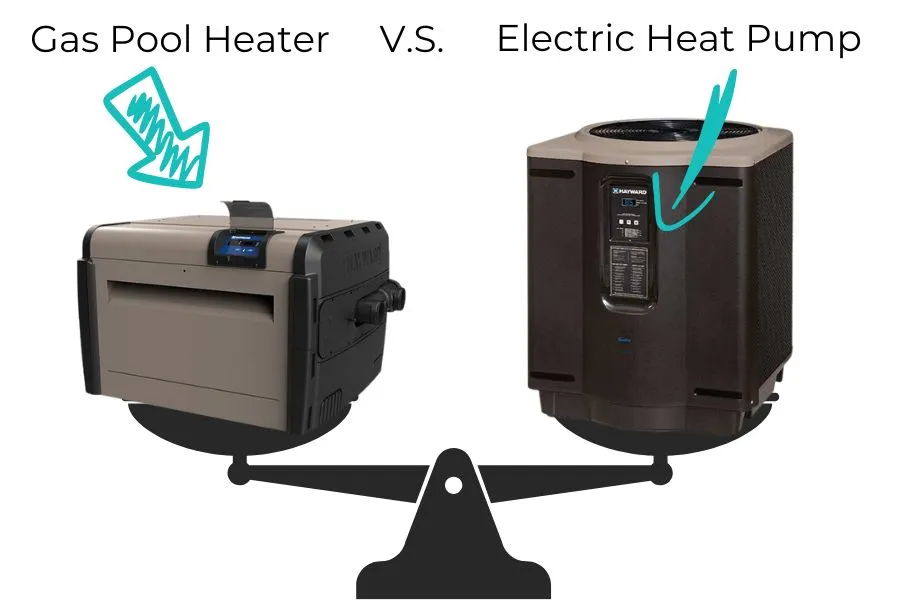
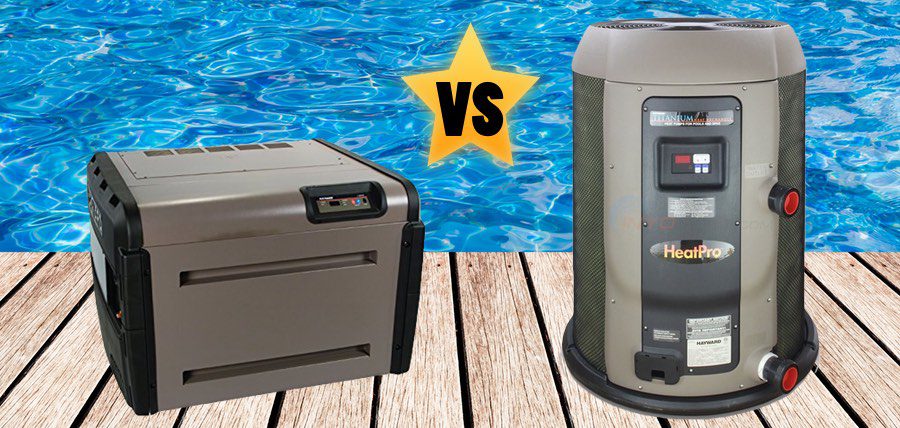
Electric pool heaters use electricity to warm water. They are quiet and efficient. Installation is simple and safe. Maintenance is easy too. They are environmentally friendly. Electric heaters are best for small pools. They work well in mild climates. Initial cost can be higher than gas heaters. But operating cost is usually lower. They heat water slowly but steadily. They are good for year-round use.
Gas pool heaters use natural gas or propane. They heat water quickly. Perfect for large pools or cold climates. Installation can be complex. Maintenance may need professional help. Initial cost is often lower. But fuel cost can be high. Gas heaters are great for fast heating. They are ideal for occasional use. Best for people who swim less often. Efficiency can vary with weather. Not as eco-friendly as electric heaters.
Performance And Efficiency
Gas heaterswarm up pools fast. They use flames to heat the water. Most pools get warm in a few hours. Electric heaterstake longer. They use coils to heat water. It might take a full day for some pools. Choose gas if you need quick warmth. Electric heaters are slower but steady.
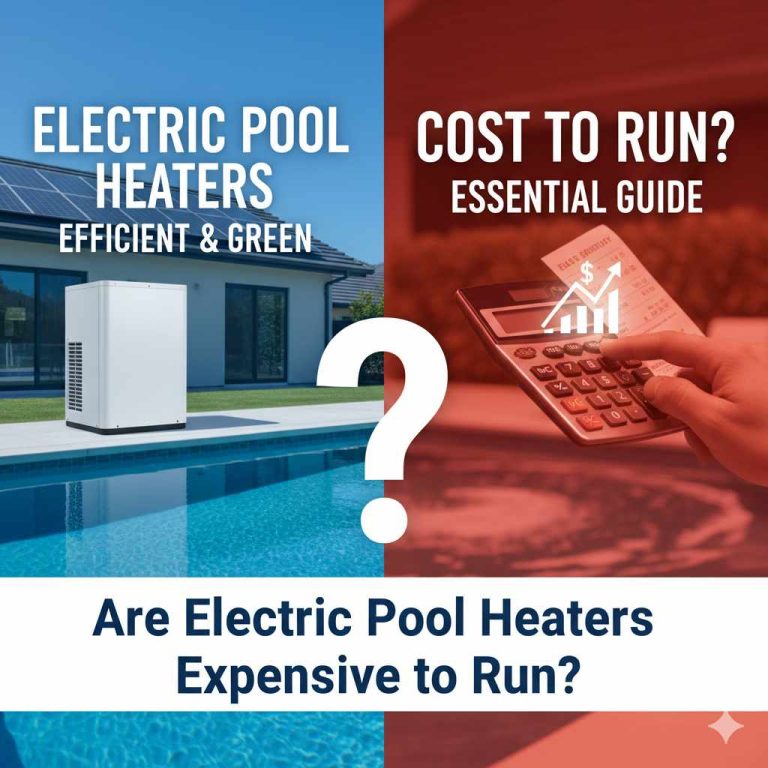
Gas heatersuse a lot of fuel. This means higher costs and more emissions. They need constant gas supply. Electric heatersuse electricity. They are more energy-efficient. Costs are lower over time. Electric heaters are better for the environment. Gas might be better for quick, short use. Electric suits long-term use.
Installation And Maintenance
Electric pool heaters need a strong electrical connection. They must be near a power source. Gas heaters need a gas line connection. They also need proper ventilation. Space is needed for both heaters. Make sure there is enough room. Check local codes before installing.
Electric heaters need less maintenance. Regular checks on wires are important. Clean the unit to keep it working. Gas heaters need more care. Check gas lines often. Clean the burners to avoid dirt buildup. Both types need annual professional checks. Keep them in good shape for long life.
Credit: romanellipools.com
Cost Considerations
Electric pool heaters often have lower upfront costs. They are usually cheaper to buy. Gas heaters can be more expensive initially. Installation costs vary by location. Electric heaters are easier to set up. Gas heaters need special pipes. This can increase costs. Consider your budget before deciding.
Electric heaters are more efficient. They have lower running costs. Gas heaters heat faster but use more energy. This can lead to higher bills. Electric heaters may save money over time. Maintenance is also cheaper. Gas heaters need regular checks. This can add extra costs. Think about future expenses carefully.
Environmental Impact
Electric pool heaters often have a smaller carbon footprint. They use electricity which can come from cleaner sources. Gas heaters burn fossil fuels. This releases more carbon dioxide into the air. More carbon dioxide can harm the environment. Choosing electric can be better for the planet.
Electric heaters can use renewable energy. Solar panels or wind turbines can power them. This makes them eco-friendly. Gas heaters rely on natural gas. Natural gas is not renewable. Using renewable energy helps keep the Earth clean. It is better for the future.
User Experience
Electric pool heaters offer easy control. Users can adjust temperature with a simple button. Gas heaters might need more steps. Electric heaterscan be set to a timer. This helps in planning ahead. Gas heaters often need manual checks.
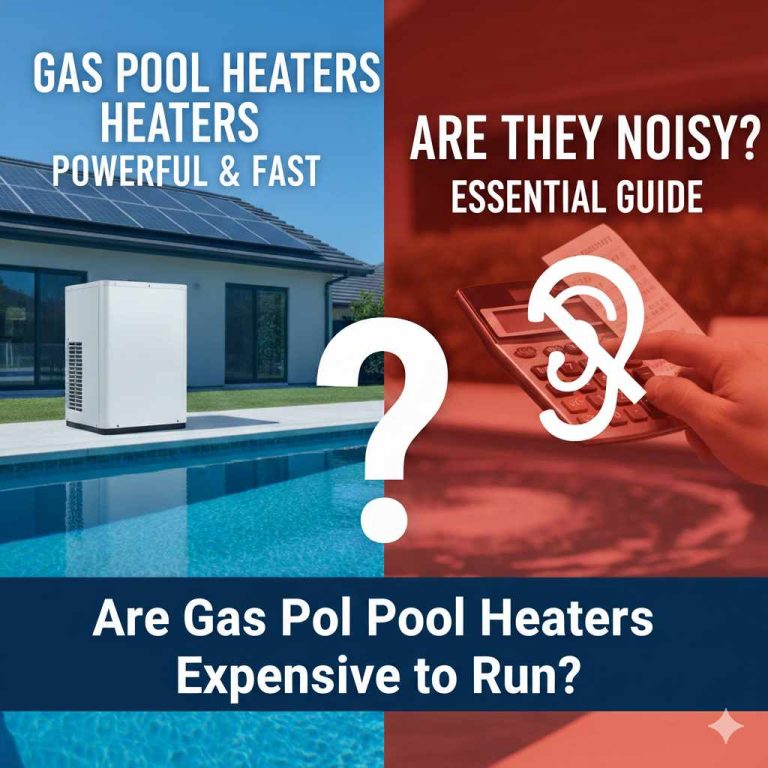
Noise levels differ between these heaters. Electric heaters are quieter. They hum softly. Gas heaters can be louder. They may rumble. Noise can be a concern for some users. Quiet operation is good for relaxing. Electric heaterswin in this area.
Suitability For Different Climates
Electric pool heaters work well in mild climates, maintaining a steady temperature. Gas heaters are ideal for colder regions, heating water quickly. Choose based on your local weather conditions for optimal performance.
Cold Climates
Electric pool heaters work well in cold climates. They use electricity to warm the water. They are efficient and quiet. Gas heaters also perform well in cold areas. They heat water quickly. They are ideal for large pools. Gas heaters can operate in all weather. Electric heaters may struggle in freezing temperatures. Choosing depends on pool size and local power cost.
Warm Climates
In warm climates, electric pool heaters are suitable. They maintain the temperature easily. They are cost-effective over time. Gas heaters can still be used. They provide rapid heating. Electric heaters can be more eco-friendly. They use less energy in warm areas. Both options can keep pools warm. Consider energy costs and pool size.
Popular Models And Brands
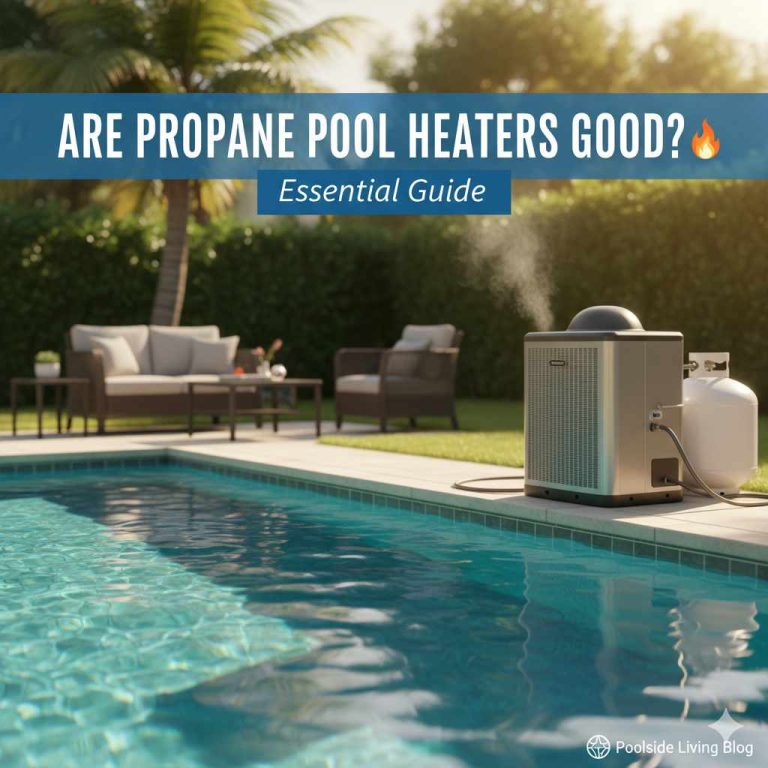
Electric pool heaters are very popular. They are easy to use. Some top brands include Pentair and Hayward. These brands are known for quality and efficiency. Electric heaters are good for small pools. They work well in warm climates. They use electricity to heat the water. This makes them simple to operate. They are also quieter than gas heaters. Electric heaters need less maintenance. They are a good choice for many pool owners.
Gas heaters are powerful. They heat pools fast. Raypak and Jandy are leading brands. They are known for durability. Gas heaters are great for big pools. They work well in cold areas. They use natural gas or propane. This makes them very effective. Gas heaters are more expensive to run. They need more maintenance. But, they are very reliable. Many people trust gas heaters for their pools.
Credit: skovishpools.com
Frequently Asked Questions
Which Is More Cost-effective: Electric Or Gas Pool Heater?
Electric pool heaters are generally cheaper to install and maintain, but gas heaters heat water faster. Gas heaters may have higher initial costs and fuel expenses, but they can be more efficient for large pools or cold climates. Consider your pool size, climate, and budget when deciding.
What Is The Lifespan Of Electric Vs Gas Pool Heaters?
Electric pool heaters typically last around 10-15 years with regular maintenance. Gas pool heaters have a shorter lifespan, usually around 5-10 years, due to combustion-related wear. Proper maintenance, such as regular cleaning and servicing, can help extend the lifespan of both types.
Are Electric Pool Heaters Eco-friendly?
Electric pool heaters are more eco-friendly than gas heaters. They don’t produce emissions during operation, making them a cleaner choice. However, their environmental impact depends on the electricity source. Using renewable energy to power electric heaters can further reduce your carbon footprint.
How Fast Do Gas Pool Heaters Work?
Gas pool heaters heat water quickly, often within hours. They are ideal for large pools or colder climates where rapid heating is needed. Electric heaters take longer, sometimes days, to reach desired temperatures. Choose a heater based on your heating speed requirements and pool size.
Conclusion
Choosing between an electric and gas pool heater depends on needs. Electric heaters are eco-friendly and quiet. They work well for small pools. Gas heaters heat up quickly and handle larger pools easily. They might cost more to operate. Consider budget, pool size, and environmental impact.
Think about long-term costs. Both options have pros and cons. Understanding these can guide your decision. Choose the heater that fits your lifestyle and budget best. Enjoy a warm pool year-round.