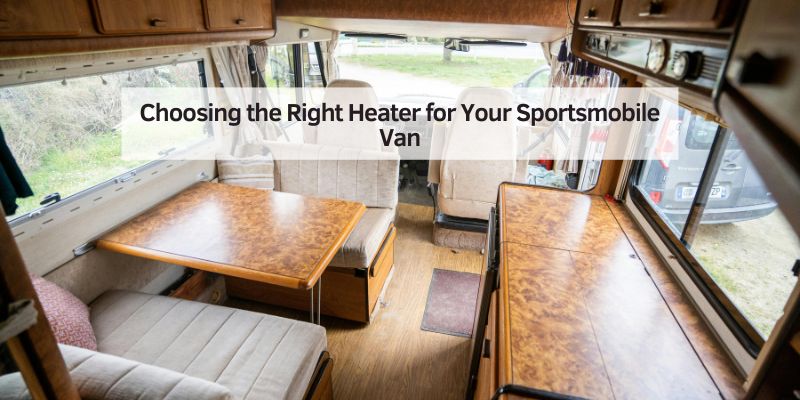
Choosing the Right Heater for Your Sportsmobile Van
I’ll never forget my first cold night in my Sportsmobile van. I was camping in the mountains, and the chill crept in fast. I needed a heater to stay cozy. That’s when I started exploring Airtronic vs Hydronic heaters Sportsmobile options. This article will help you pick the best heater for your van. I’ll explain what these heaters are, compare them, share tips, and answer common questions. Whether you’re new to vanlife or a seasoned camper, you’ll find simple advice to keep warm.
What Are Airtronic and Hydronic Heaters?
Airtronic and Hydronic heaters are diesel-powered systems made by brands like Espar and Webasto. They keep your Sportsmobile van warm during cold trips. Airtronic heaters blow hot air directly into the cabin. Hydronic heaters warm liquid (coolant) that heats the air or water. Both are great for van camping, but they work differently. Let’s break it down.
Airtronic Heaters: Quick and Simple
Airtronic heaters, like the Espar D2, pull air from outside, heat it, and blow it into your van. They’re compact and easy to install. I love how fast they warm up my Sportsmobile’s cabin. They use little fuel and power, making them great for short trips.
Hydronic Heaters: Multi-Purpose Warmth
Hydronic heaters, like the Espar D5, heat coolant that flows through pipes. This can warm your cabin, water, or even your engine. They’re more complex but versatile. I’ve seen them in Sportsmobiles with showers, as they can heat water, too. They use more power, though.
Comparing Airtronic vs Hydronic Heaters Sportsmobile
Choosing between Airtronic and Hydronic heaters depends on your needs. I’ve used both in my Sportsmobile, and each has strengths. Here’s a simple comparison to help you decide.
| Feature | Airtronic | Hydronic |
|---|---|---|
| Heating Method | Blows hot air | Heats coolant for air/water |
| Power Use | Low (1–3 amps) | Higher (5–10 amps) |
| Noise Level | Quiet (like a soft fan) | Louder (like a small pump) |
| Cost | $1,000–$1,500 | $2,000–$3,500 |
| Best For | Quick cabin heat | Cabin, water, engine heating |
| Table 1: Airtronic vs Hydronic Heaters Comparison |
Key Differences
- Speed: Airtronic heats the cabin faster. Hydronic takes time to warm coolant.
- Versatility: Hydronic can heat water or your engine, great for showers or cold starts.
- Noise: Airtronic is quieter, ideal for sleeping. Hydronic’s pump can be loud.
- Power: Airtronic uses less battery power, perfect for off-grid camping.
Why Sportsmobile Owners Need Heaters
Sportsmobile vans are built for adventure. Whether you’re skiing in Colorado or camping in Oregon, cold nights are common. A good heater keeps you cozy and saves fuel compared to idling your engine. I learned this after shivering through a night in my van without one! Heaters also prevent pipes from freezing in winter.
Step-by-Step Guide: Choosing Your Heater
Picking the right heater feels tricky, but it’s simple if you follow these steps. Here’s how I decided for my Sportsmobile.
- Check Your Needs: Do you just need cabin heat? Go Airtronic. Want hot water or engine pre-heating? Choose Hydronic.
- Measure Space: Airtronic fits under seats. Hydronic needs room for pipes and a pump.
- Check Power: Ensure your battery (like two 4D AGMs) can handle Hydronic’s higher draw.
- Set a Budget: Airtronic is cheaper upfront. Hydronic costs more but does more.
- Plan Installation: Airtronic is easier to install. Hydronic may need a pro.
Tip: Always install a carbon monoxide detector with any heater for safety.
Tools and Materials Needed
You don’t need much to install a heater, but here’s what I used:
- Heater Kit: Espar Airtronic D2 ($1,200) or Hydronic D5 ($2,500).
- Tools: Screwdriver, drill, wrench, and wire cutters.
- Extras: Ducting (for Airtronic), coolant hoses (for Hydronic), and a muffler for quiet operation.
- Battery: At least 200 amp-hours for Hydronic; 100 for Airtronic.
| Item | Airtronic Cost | Hydronic Cost |
|---|---|---|
| Heater Kit | $1,200 | $2,500 |
| Installation Tools | $50–$100 | $100–$200 |
| Battery Upgrade | $200–$400 | $400–$600 |
| Professional Install | $300–$500 | $500–$1,000 |
| Table 2: Estimated Costs for Heater Installation |
Benefits and Drawbacks
Both heaters have pros and cons. Here’s what I’ve learned from using them.
Airtronic Benefits
- Fast heating for quick warmth.
- Quiet operation for peaceful nights.
- Low power use, great for small batteries.
Airtronic Drawbacks
- Only heats the cabin, not water.
- Less effective for large vans.
Hydronic Benefits
- Heats cabin, water, and engine.
- Great for long trips or showers.
- Can integrate with van’s coolant system.
Hydronic Drawbacks
- Louder pump noise.
- Higher power and fuel use.
- More complex to install.
Alternative Heating Options
Not sure about diesel heaters? Here are other options I’ve tried:
- Propane Heaters: Cheaper ($500–$1,000) but need a tank and ventilation. They’re quiet but less safe.
- Electric Heaters: Great if you have shore power, but they drain batteries fast.
- Wood Stoves: Cozy for big vans, but heavy and hard to install.
| Heater Type | Cost | Pros | Cons |
|---|---|---|---|
| Airtronic | $1,000–$1,500 | Quiet, efficient | Cabin-only heating |
| Hydronic | $2,000–$3,500 | Multi-purpose | Loud, complex |
| Propane | $500–$1,000 | Cheap, quiet | Ventilation needed |
| Table 3: Heater Options for Sportsmobile Vans |

My Top Tips for Sportsmobile Heating
After years of van camping, here’s what I recommend:
- Start Small: Try an Airtronic D2 for easy setup and low cost.
- Add a Muffler: It cuts noise, especially for Hydronic heaters.
- Test Your Battery: Ensure it can handle your heater’s power draw.
- Insulate Your Van: It keeps heat in, saving fuel. I use foam panels.
Visual Idea: A diagram showing where to place an Airtronic heater under a Sportsmobile seat or a Hydronic system near the engine. Another idea is a simple van interior layout with heater ducts or pipes.
Common Mistakes to Avoid
I’ve made mistakes with heaters. Don’t repeat these!
- Skipping a Muffler: Hydronic heaters get loud without one.
- Ignoring Power Needs: Hydronic drained my battery once. Check your amps.
- DIY Overconfidence: Hire a pro for Hydronic installs to avoid leaks.
Conclusion
Airtronic and Hydronic heaters make Sportsmobile vanlife cozy and fun. Airtronic is simple and quiet, perfect for quick cabin heat. Hydronic is versatile, heating water and engines, but it’s louder and pricier. Think about your needs, budget, and power setup to choose. I love my Airtronic for weekend trips, but Hydronic shines for long adventures. Try one out, and share your van heating tips with friends! Stay warm and hit the road!
Frequently Asked Questions
What’s the Main Difference Between Airtronic and Hydronic Heaters?
Airtronic heaters blow hot air to warm your Sportsmobile’s cabin fast. Hydronic heaters warm coolant to heat air, water, or your engine. Airtronic is simpler and quieter. Hydronic is versatile but louder and uses more power. Choose based on whether you need just cabin heat or extra features like hot water.
Are Airtronic Heaters Quieter Than Hydronic?
Yes, Airtronic heaters are quieter. They sound like a soft fan, great for sleeping. Hydronic heaters have a pump that makes more noise, like a small engine. A muffler helps, but Airtronic is better for quiet nights. I sleep better with my Airtronic D2.
Can Hydronic Heaters Warm My Shower Water?
Yes, Hydronic heaters can heat water for showers. They use coolant to warm a heat exchanger, providing hot water. This is great for Sportsmobile vans with showers. Airtronic can’t do this. Check out Espar’s Hydronic kits for details.
How Much Power Do These Heaters Use?
Airtronic heaters use 1–3 amps, perfect for small batteries. Hydronic heaters use 5–10 amps, needing bigger batteries like two 4D AGMs (200–400 amp-hours). I always check my battery capacity before long trips to avoid power issues.
Are Diesel Heaters Safe for Sportsmobile Vans?
Yes, both are safe with proper installation. They burn diesel in a sealed chamber, keeping fumes outside. Install a carbon monoxide detector for extra safety. I always test mine before camping. Follow Espar’s safety tips for peace of mind.
Which Heater Is Cheaper to Install?
Airtronic heaters cost $1,000–$1,500 and are easier to install, saving $300–$500 on labor. Hydronic heaters cost $2,000–$3,500 and need pro installation, adding $500–$1,000. I saved money by installing my Airtronic myself with basic tools.
Can I Use Both Heaters in My Sportsmobile?
Yes, some owners use both for flexibility. An Airtronic heats the cabin fast, while a Hydronic warms water or the engine. It’s pricey ($3,000–$5,000 total) and needs space, but it’s great for long trips. I’ve seen this setup in big Sportsmobiles.