Buddy Heater vs Big Buddy: Essential Choice
Choosing between a Buddy Heater and a Big Buddy depends on your heating needs. The Buddy Heater is great for single rooms or small spaces, while the Big Buddy is ideal for larger areas or multiple rooms, offering more heat output but using more fuel. Both are safe and efficient for supplemental heating.
Buddy Heater vs Big Buddy: Your Essential Choice for Cozy Comfort
Feeling a chill around the house? It’s a common problem, especially when you want to stay warm without cranking up your main heating system. Many homeowners look to portable heaters for quick, targeted warmth. But with popular options like Buddy Heaters and Big Buddy Heaters, figuring out which one is right for you can feel a bit confusing. Don’t worry! I’m Tanim, your friendly guide to home heating, and I’m here to break it down simply. We’ll explore what makes each heater unique, their best uses, and what to consider for a safe and cozy experience. By the end, you’ll know exactly which Buddy is your perfect match!
Understanding Portable Propane Heaters
Buddy Heaters, and their larger counterparts like the Big Buddy, are a type of indoor-safe infrared heater that uses propane. They work by emitting radiant heat, much like the sun, directly warming objects and people in front of them. This makes them incredibly efficient for localized heating. Unlike convection heaters that warm the air, these heaters provide a more immediate sense of warmth without needing to heat an entire volume of air first.
How They Work
These heaters typically use a catalytic converter or a ceramic burner to burn propane cleanly. The heat generated is then radiated outwards. They are designed with safety features in mind, which we’ll discuss more, but understanding this basic function helps appreciate their design.
Why Choose a Portable Heater?
Portable propane heaters offer several advantages:
- Targeted Warmth: Heat only the space you’re using, saving energy.
- Energy Efficiency: Use less energy than central heating for small areas.
- Portability: Easily move them from room to room as needed.
- Backup Heat: Excellent during power outages to provide essential warmth.
- Quick Comfort: They start warming you up almost instantly.
Introducing the Buddy Heater Family
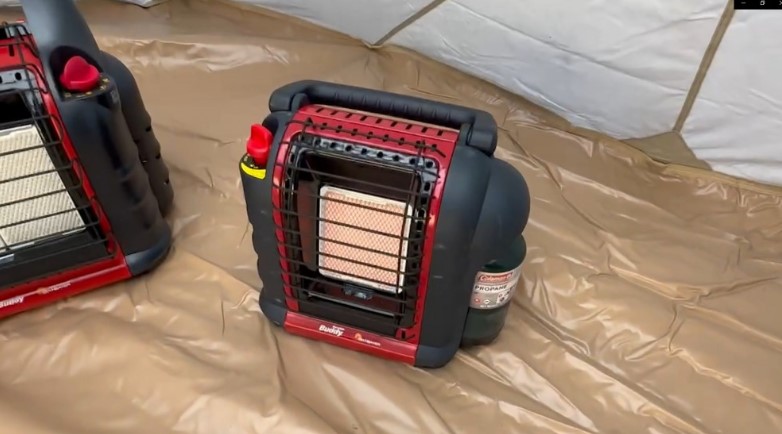
Mr. Heater’s Buddy series is renowned for its reliability and ease of use. They are designed for various indoor environments, from workshops to living spaces, provided they have adequate ventilation. The core concept remains the same: safe, portable, propane-powered heat.
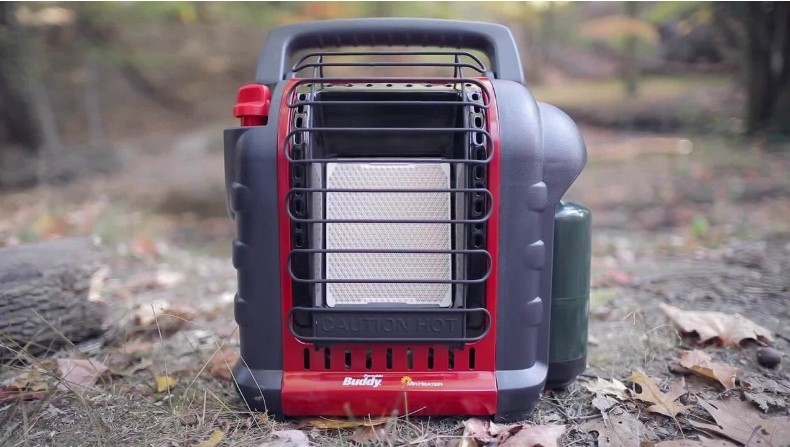
The Classic Buddy Heater (e.g., Buddy Heater 9,000 BTU)
The original Buddy Heater is a compact and powerful unit. It’s often the go-to for many looking for supplemental heat.
Key Features of the Classic Buddy Heater:
- Heat Output: Typically around 9,000 BTUs per hour. BTU stands for British Thermal Unit, a standard measure of heat energy.
- Fuel Source: Runs on a standard 1lb disposable propane cylinder.
- Coverage Area: Best suited for spaces up to 200-250 square feet, such as garages, workshops, smaller living areas, or tents.
- Safety Features: Generally includes a low-oxygen sensor shut-off (LO/SD) and an accidental tip-over safety shut-off.
- Ignition: Piezo-electric ignition for easy starting.
The 9,000 BTU model is a fantastic option for a single room or a confined space like a shed or a small garage. It provides instant warmth and is very user-friendly. For anyone new to portable heating, this is often a great starting point.
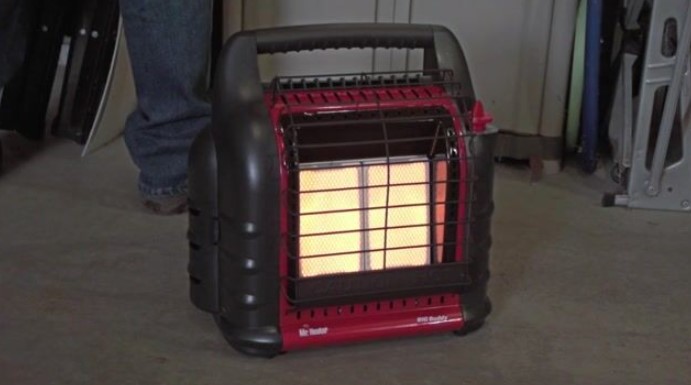
The Big Buddy Heater (e.g., Big Buddy Heater 18,000 BTU)
As the name suggests, the Big Buddy is an upsized version of the classic. It’s built to handle larger spaces or provide more robust heating.
Key Features of the Big Buddy Heater:
- Heat Output: Offers higher BTU output, often in two settings, such as 9,000 BTU and 18,000 BTU.
- Fuel Source: Can use two 1lb disposable propane cylinders simultaneously, or can be connected to a larger 20lb propane tank with an optional hose kit.
- Coverage Area: Effective in areas up to 400-500 square feet, making it suitable for larger rooms, basements, or even multiple smaller connected spaces.
- Safety Features: Also equipped with the low-oxygen sensor shut-off (LO/SD) and tip-over safety shut-off for enhanced safety. Some models may also have a high-temperature wire guard.
- Ignition: Piezo-electric ignition.
The ability to run on two small propane tanks or a larger one gives the Big Buddy more versality and longer run times compared to the single-tank Buddy Heater. This makes it a more robust solution for larger heating needs.

Buddy Heater vs Big Buddy: A Direct Comparison
To make your decision clearer, let’s look at the key differences side-by-side. Understanding these differences will help you pick the heater that best fits your lifestyle and heating requirements.
| Feature | Buddy Heater (e.g., 9,000 BTU) | Big Buddy Heater (e.g., 18,000 BTU) |
|---|---|---|
| Maximum Heat Output | 9,000 BTU/hour | 18,000 BTU/hour (often with a 9,000 BTU setting) |
| Recommended Coverage Area | 200-250 sq ft | 400-500 sq ft |
| Propane Cylinder Usage | Single 1lb disposable propane cylinder | Two 1lb disposable propane cylinders or one 20lb tank (with adapter) |
| Run Time (on High) | Approx. 3-4 hours (on 1lb cylinder) | Approx. 4-6 hours (on two 1lb cylinders) |
| Portability & Size | More compact, lighter | Larger, heavier, but still portable |
| Ideal Use Cases | Single rooms, small workshops, cabins, tents | Larger rooms, garages, basements, RVs, longer run times |
| Price Point | Generally lower | Generally higher |
What Does BTU Mean for You?
BTU is crucial. A higher BTU means more heat. If you have a small, drafty shed, 9,000 BTUs might be perfect. But if you’re trying to keep a larger workshop or a semi-finished basement warm, 18,000 BTUs will make a significant difference. Think about the square footage of the space you want to heat and how well it’s insulated. For a more precise calculation of how much heat you need, resources like those from the U.S. Department of Energy can be helpful in understanding home heating requirements, though they are typically for whole-home systems.
Choosing the Right Heater for Your Needs: A Practical Guide
Selecting the correct heater isn’t just about power; it’s about matching the appliance to your specific situation to ensure safety, efficiency, and comfort.
Consider Your Space
The size of the area you need to heat is the most significant factor. Measure your typical space. Is it a small office area (200 sq ft or less), a medium-sized garage (300 sq ft), or a larger basement (400 sq ft or more)?
- For small, single rooms: A standard Buddy Heater (like the 9,000 BTU model) is often adequate and more economical.
- For larger spaces or if you need more robust heating: The Big Buddy (18,000 BTU) is the better choice.
Evaluate Your Heating Goals
Are you using the heater for occasional comfort, or do you rely on it for extended periods?
- Occasional use: The 1lb propane cylinders on either model are convenient.
- Extended use: The Big Buddy’s ability to connect to a larger 20lb tank (with a separately purchased hose and filter) offers much longer run times, making it ideal for continuous heating in a workshop or during an extended power outage.
Propane Usage and Availability
Think about how you’ll source your propane. 1lb cylinders are readily available but can be expensive and create more waste. If you plan to use your heater frequently, investing in the adapter hose kit for a 20lb or larger propane tank offers significant cost savings and convenience.
Safety First: Understanding the Features
Both Buddy heaters and Big Buddy heaters come with vital safety features. It’s absolutely crucial to understand and respect them.
Essential Safety Features to Look For:
- Low-Oxygen Sensor (LO/SD): This crucial safety feature automatically shuts off the heater if the oxygen level in the room drops below a safe threshold. This indicates insufficient ventilation and a potential buildup of carbon monoxide.
- Tip-Over Safety Shut-Off: If the heater is accidentally knocked over, this mechanism will automatically shut down the flame.
- High-Temperature Wire Guard: This protects the hot surfaces from accidental contact, reducing the risk of burns.
When operating any propane heater indoors, please ensure you follow the manufacturer’s instructions for ventilation. Adequate air circulation is paramount for safe operation. According to the Centers for Disease Control and Prevention (CDC), carbon monoxide is an odorless, colorless gas that is a dangerous byproduct of incomplete combustion, highlighting the need for both ventilation and CO detectors.
Installation and Setup: What You Need
Setting up your Buddy Heater is straightforward, and it’s important to have the right accessories.
What You’ll Need:
- The Heater: Your chosen Buddy or Big Buddy.
- Propane Cylinders: 1lb disposable propane cylinders (marked for fuel use!) or a large propane tank with the correct adapter hose.
- Patience: Read the manual!
Basic Setup Steps (Always refer to your specific model’s manual):
- Choose a Safe Location: Place the heater on a stable, level surface, at least a few feet away from flammable materials (curtains, papers, furniture, walls). Ensure good ventilation.
- Connect the Propane: For a 1lb cylinder, screw it into the heater’s regulator connection untiltight. For a larger tank, connect the approved adapter hose to both the tank and the heater, ensuring all connections are snug.
- Turn on Propane (Slowly): Open the propane valve on the tank or a 1lb cylinder slowly. Listen for any hissing sounds that might indicate a leak.
- Ignite the Heater: Follow the manufacturer’s instructions, which usually involve pressing and holding the igniter button while turning the gas control knob.
- Adjust to L: Once the pilot lights, turn the gas control knob to the “L” (Low) or a similar setting. Let the burner warm up for a few minutes.
- Increase Heat (if applicable): To increase heat, slowly turn the knob to “H” (High).
When to Use a Buddy Heater or Big Buddy
These heaters are incredibly versatile. Here are some common scenarios where they truly shine:
For Garages and Workshops
If you spend time working on cars, woodworking, or any hobby in an unheated garage or workshop, these heaters are a lifesaver. The Buddy Heater is great for a single-car garage, while the Big Buddy can manage a larger two-car space or a workshop with more open areas.
For Camping and RVs
Many campers and RV owners rely on Buddy heaters to take the chill off their living spaces. The Big Buddy is particularly popular for RVs, providing substantial warmth without draining the RV’s electrical system. Always ensure proper ventilation in enclosed RV spaces, as detailed in RV safety guidelines from organizations like the RV Industry Association.
For Backup Heat During Power Outages
During a power outage, your furnace or electric heater won’t work. A portable propane heater can provide crucial warmth to a room or a main living area, ensuring your comfort and safety while the power is out. The Big Buddy is better suited for keeping a larger section of your house warm.
For Seasonal Cabins or Hunting Blinds
If you have a small seasonal cabin or a hunting blind that isn’t regularly heated, these portable units offer an efficient way to warm it up before you use it or maintain a comfortable temperature.
For Emergency Situations
In any situation requiring temporary or emergency heating, these heaters can be a vital resource. Their self-sufficiency means they don’t rely on grid power.
Maximizing Efficiency and Safety for Your Heater
To get the most out of your Buddy Heater and ensure it runs safely, follow these tips:
Tips for Efficient Heating:
- Insulate: Close doors, windows, and vents in the area you want to heat.
- Zone Heating: Only heat the rooms you are actively using.
- Use Propane Wisely: Start on a lower setting and increase only as needed. The Big Buddy’s dual-fuel capability with larger tanks is more economical for extended use.
- Placement Matters: Position the heater to directly warm your seating or working area.
Key Safety Practices:
- Always ventilate: Even with safety features, ensure some fresh air circulation. Open a window a crack or ensure a vent isn’t completely sealed.
- Never leave unattended: While safe, it’s wise to keep an eye on any active heating source, especially around children or pets.
- Keep combustibles away: Maintain a safe distance (typically 3 feet) from anything that can burn.
- Check for leaks: Periodically check connections for propane leaks using soapy water. If you see bubbles, tighten the connection or replace the seal.
- Install CO detectors: Have working carbon monoxide detectors on every level of your home, especially near sleeping areas.
- Store propane properly: Store cylinders upright in a well-ventilated area, away from heat sources.
Frequently Asked Questions About Buddy Heaters
Q1: Can I use a Buddy Heater in my bedroom while I sleep?
It is generally not recommended to use any portable propane heater overnight in a bedroom, even with safety features. While the low-oxygen sensor is designed to shut off if oxygen levels drop, adequate ventilation is still critical. For sleeping, a safer alternative is a bed warmer or an electric heater designed for continuous unattended use, provided you have power.
Q2: How long does a 1lb propane cylinder last on a Big Buddy heater?
On the ‘Low’ setting (9,000 BTU), a 1lb propane cylinder will last roughly 4-6 hours. On the ‘High’ setting (18,000 BTU), it will last approximately 2-3 hours.
Q3: Is it safe to use a Buddy Heater in an RV?
Yes, Buddy heaters are very popular for RVs, but safety is paramount. Always ensure adequate ventilation as per the manufacturer’s instructions and RV safety guidelines. Never use them in a fully sealed RV, and always operate with the low-oxygen sensor functioning correctly. Also, crack a window or vent slightly.
Q4: What is the difference between a Buddy Heater and a Big Buddy in terms of fuel consumption?
The Big Buddy consumes propane at roughly double the rate of a standard Buddy Heater when running on its highest setting (18,000 BTU vs. 9,000 BTU). This is because it’s designed to produce more heat.
Q5: Do Buddy Heaters produce carbon monoxide?
Yes, all propane heaters produce carbon monoxide as a byproduct of combustion. This is why proper ventilation and having working carbon monoxide detectors are absolutely essential for safe operation. The low-oxygen sensor helps mitigate risk by shutting off the unit if oxygen levels become critically low.
Q6: Can I use a Buddy Heater in a basement?
Yes, Buddy heaters can be used in basements, provided the basement has