Choosing the Right Heat for Your Home
I remember my first winter in a new house. It was freezing, and I had to decide between electric heaters and gas ducted heating. The amount of installed electric heaters vs gas ducted heating confused me at first. I wanted a warm home without huge bills. This article will help you understand both options. I’ll share simple tips, costs, and examples to make your choice easy. Whether you’re a beginner or a heating enthusiast, you’ll find clear answers here.
What Are Electric Heaters and Gas Ducted Heating?
Electric heaters and gas ducted heating warm your home differently. Let’s break it down simply.
Electric Heaters Explained
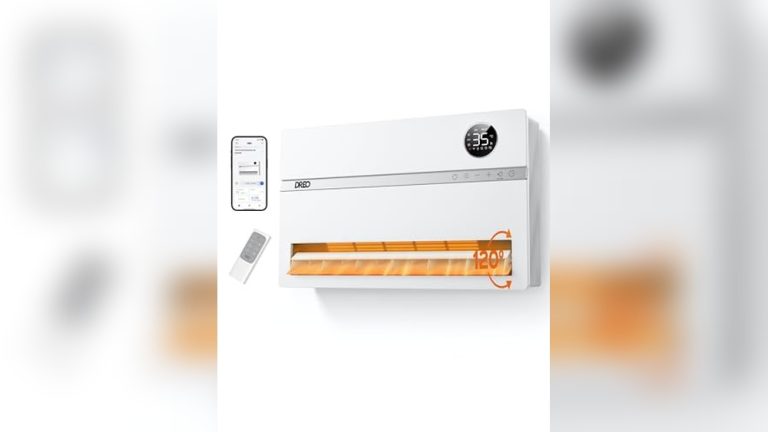
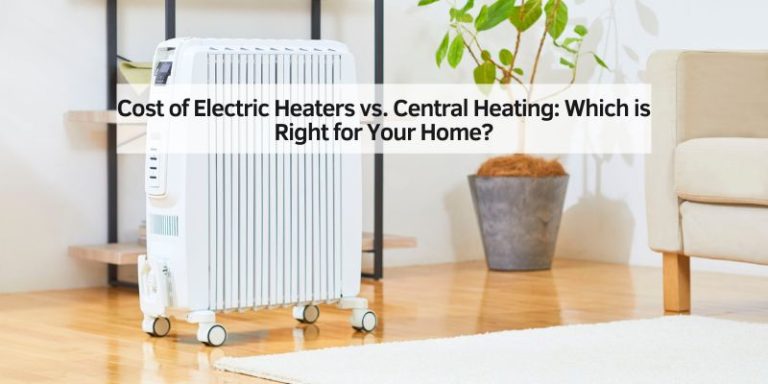
Electric heaters use electricity to make heat. They come in many types, like portable fan heaters or wall-mounted panels. You plug them in, and they warm up a room fast. They’re great for small spaces, like a bedroom or office.
Gas Ducted Heating Explained
Gas ducted heating uses natural gas to heat air. A central unit pushes warm air through ducts in your ceiling or floor. It heats your whole house evenly. It’s common in bigger homes with multiple rooms.
Why Compare Them?
The amount of installed electric heaters vs gas ducted heating matters because it affects your comfort and wallet. Electric heaters are easy to install, but gas ducted systems heat larger spaces better. Choosing the right one saves money and keeps you cozy.
Why Does This Choice Matter?
Picking the right heating system impacts your energy bills and home comfort. Electric heaters are cheaper to buy but can cost more to run. Gas ducted heating costs more upfront but may save money over time. Your home size and budget guide your decision.

Comparing Costs: Electric vs. Gas
Let’s understand the costs of both systems. I’ve learned from installing heaters in my home and helping friends choose.
Upfront Costs
Electric heaters are affordable to buy. A good portable heater costs $50–$200. Wall-mounted units might cost $300–$600. Gas ducted heating needs professional installation, costing $3,000–$7,000, depending on your home size.
Running Costs
Running costs depend on energy prices and home size. Electric heaters use electricity, which can be pricey. Gas ducted heating often uses cheaper natural gas. Here’s a simple comparison based on a medium-sized home in the USA:
| Heating Type | Annual Cost (Medium Home) | Notes |
|---|---|---|
| Electric Heaters | $500–$1,200 | Depends on usage and electricity rates |
| Gas Ducted Heating | $800–$1,500 | Cheaper with high-efficiency systems |
Table 1: Comparing annual heating costs for a medium-sized home (based on energy.gov estimates).
Long-Term Savings
Gas ducted heating can save money over time, especially in cold climates. If you have solar panels, electric heaters might be cheaper. Check your local energy rates to decide.
Benefits of Electric Heaters
Electric heaters have some big advantages. Here’s why I love them for small spaces:
- Easy to Install: Plug them in, and they’re ready. No need for ducts or pipes.
- Low Upfront Cost: You can buy one for under $100.
- Portable: Move them to any room you need.
I once used a small electric heater in my home office. It kept me warm while working, and I didn’t heat the whole house.
Drawbacks of Electric Heaters
Electric heaters aren’t perfect. They can be expensive to run for long periods. They’re also less effective for big homes. If you overuse them, your electricity bill might shock you!
Benefits of Gas Ducted Heating
Gas ducted heating shines in larger homes. Here are its top perks:
- Whole-Home Heating: Warms every room evenly through ducts.
- Energy Efficiency: Modern systems have high star ratings, saving energy.
- Fast Heating: You feel warmth quickly, even in big spaces.
When I visited a friend’s house with gas ducted heating, every room felt cozy. It was perfect for their big family.
Drawbacks of Gas Ducted Heating
Gas ducted systems have downsides. They’re expensive to install and need regular maintenance. If your ducts leak, you lose heat and money. Also, gas isn’t as eco-friendly as electric systems with solar power.
How to Choose the Right System
Choosing between electric heaters and gas ducted heating depends on your needs. Here’s a simple guide to help you decide:
- Check Your Home Size: Small homes or apartments suit electric heaters. Big homes need gas ducted systems.
- Look at Your Budget: Electric heaters are cheaper upfront. Gas systems cost more but may save money later.
- Consider Energy Sources: If you have solar panels, electric heaters are greener. If gas is cheap in your area, ducted heating might be better.
I helped my neighbor pick a gas ducted system for their three-bedroom house. It was pricier upfront but kept their bills low.
Tools and Materials Needed
You don’t need much to get started with either system. Here’s what you’ll need:
| System | Tools/Materials | Cost Estimate |
|---|---|---|
| Electric Heaters | Heater, power outlet, extension cord | $50–$600 |
| Gas Ducted Heating | Central unit, ducts, professional installer | $3,000–$7,000 |
Table 2: Tools and materials for heating systems.
For electric heaters, I recommend brands like DeLonghi or Vornado. For gas ducted systems, look into Carrier or Lennox for reliable units.
Safety Tips for Both Systems
Safety is key when heating your home. Here are my top tips:
- Electric Heaters: Keep them away from curtains or furniture. Never leave them on unattended.
- Gas Ducted Heating: Check for gas leaks yearly. Clean ducts to avoid dust buildup.
- Both Systems: Install carbon monoxide detectors. They save lives!
I once forgot to move a blanket near my electric heater. It got too hot, and I learned to always check for flammable items.
Common Mistakes to Avoid
Don’t make these mistakes when choosing a heating system:
- Ignoring Home Size: Electric heaters won’t warm a big house well.
- Skipping Maintenance: Gas systems need yearly checks to stay safe.
- Not Checking Energy Rates: Compare gas and electricity prices before buying.
I made the mistake of buying a cheap electric heater once. It broke after a month, and I wished I’d spent a bit more.
Alternatives to Consider
If neither option feels right, try these alternatives:
- Reverse Cycle Air Conditioners: These heat and cool using electricity. They’re efficient and great for all seasons.
- Hydronic Heating: Uses hot water to warm your home. It’s eco-friendly but costly to install.
- Wood Heaters: Good for rural areas but need ventilation to avoid smoke issues.
A friend switched to a reverse cycle system and loves it. It heats and cools their home year-round.
Visual Ideas for Better Understanding
To make this topic clearer, I suggest these visuals (not included):
- Diagram of a Gas Ducted System: Show ducts running through a house to vents.
- Cost Comparison Chart: Graph electric vs. gas costs over five years.
- Electric Heater Types: Images of portable vs. wall-mounted heaters.
These visuals would help you see how each system works in a home.
My Personal Tips from Experience
After years of using both systems, here’s what I’ve learned:
- For electric heaters, choose one with a thermostat. It saves energy by turning off when warm.
- For gas ducted heating, get a high star rating (5 or 6). It lowers bills and emissions.
- Always compare local energy prices. Gas was cheaper in my area, but electricity suits solar-powered homes.
When I moved to a bigger house, I chose gas ducted heating. It was worth the cost for cozy winters.
Comparing Efficiency: Electric vs. Gas
Efficiency matters for your bills and the planet. Here’s a quick look:
| Feature | Electric Heaters | Gas Ducted Heating |
|---|---|---|
| Energy Efficiency | 100% (all energy becomes heat) | Up to 90% (some heat lost) |
| Eco-Friendly | Greener with solar power | Higher emissions |
| Best for | Small spaces | Large homes |
Table 3: Efficiency comparison of electric and gas systems (based on energy.gov.au data).
Electric heaters are 100% efficient but can be costly. Gas systems lose some heat but are great for big homes.

Conclusion
Choosing between electric heaters and gas ducted heating is a big decision. Electric heaters are cheap and easy for small spaces. Gas ducted heating warms big homes fast and saves money over time. Think about your home size, budget, and energy sources. Try comparing costs with your local rates. You’ll find the perfect system to stay cozy. Share your heating choice in the comments—I’d love to hear about it! Stay warm and have fun picking your system!
Frequently Asked Questions
What Is the Amount of Installed Electric Heaters vs Gas Ducted Heating?
The phrase compares how many electric heaters are used versus gas ducted systems in homes. Electric heaters are common in small spaces like apartments. Gas ducted heating is popular in larger homes. The choice depends on your home size and energy costs. Check local data to see which is more common in your area.
Are Electric Heaters Cheaper Than Gas Ducted Heating?
Electric heaters cost less to buy ($50–$600) but can be pricier to run ($500–$1,200 yearly). Gas ducted systems cost $3,000–$7,000 to install but may have lower running costs ($800–$1,500 yearly). Compare your local gas and electricity prices to decide. Solar panels can make electric heaters cheaper.
Which Is Better for a Small Apartment?
Electric heaters are best for small apartments. They’re affordable, portable, and easy to install. You can move them to any room. Gas ducted heating is too expensive and complex for small spaces. I used a small electric heater in my old apartment, and it worked great.
Is Gas Ducted Heating Safe?
Gas ducted heating is safe if maintained properly. Get yearly checks for gas leaks and clean ducts to avoid dust fires. Install carbon monoxide detectors for extra safety. I always schedule a professional check before winter to keep my gas system safe.
Can I Use Electric Heaters With Solar Power?
Yes, electric heaters work great with solar power. Solar panels lower electricity costs, making heaters eco-friendly and cheap to run. Check if your solar system can handle the heater’s power needs. A friend with solar panels loves their electric heater’s low bills.
How Do I Maintain a Gas Ducted System?
Clean ducts yearly to remove dust. Have a professional check the gas burner and heat exchanger annually. This keeps the system efficient and safe. I learned this after my system started blowing cold air—it just needed a quick clean
Which System Is More Eco-Friendly?
Electric heaters are more eco-friendly if powered by solar or renewable energy. Gas ducted heating produces more emissions. Choose a high-efficiency gas system (5–6 stars) to reduce impact. Check your energy source to make the greenest choice for your home.