Kerosene Heater vs Electric Heater: A Comprehensive Guide for Homeowners
Hey there! If you’re like me, winter’s chill has you thinking about the best way to keep your home warm and cozy without breaking the bank. I’ve spent countless hours researching and even testing both kerosene and electric heaters to figure out which one suits my needs—and yours—best. The choice between a kerosene heater and an electric heater can feel overwhelming, especially with so many factors to consider, like cost, safety, efficiency, and convenience.
In this article, I’m going to walk you through everything I’ve learned, breaking it down in a way that’s easy to understand. Whether you’re preparing for a power outage or just looking to heat a single room, I’ve got you covered with all the details to help you make an informed decision.
Let’s dive into the world of kerosene and electric heaters, exploring their pros, cons, and everything in between. By the end, you’ll have a clear picture of which heater is right for your home.
What Are Kerosene and Electric Heaters?
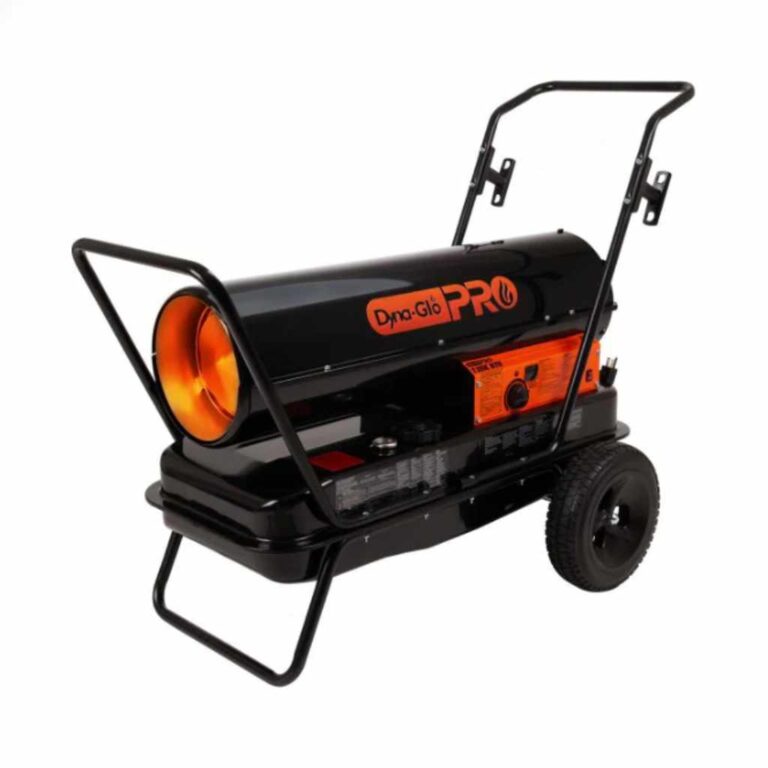
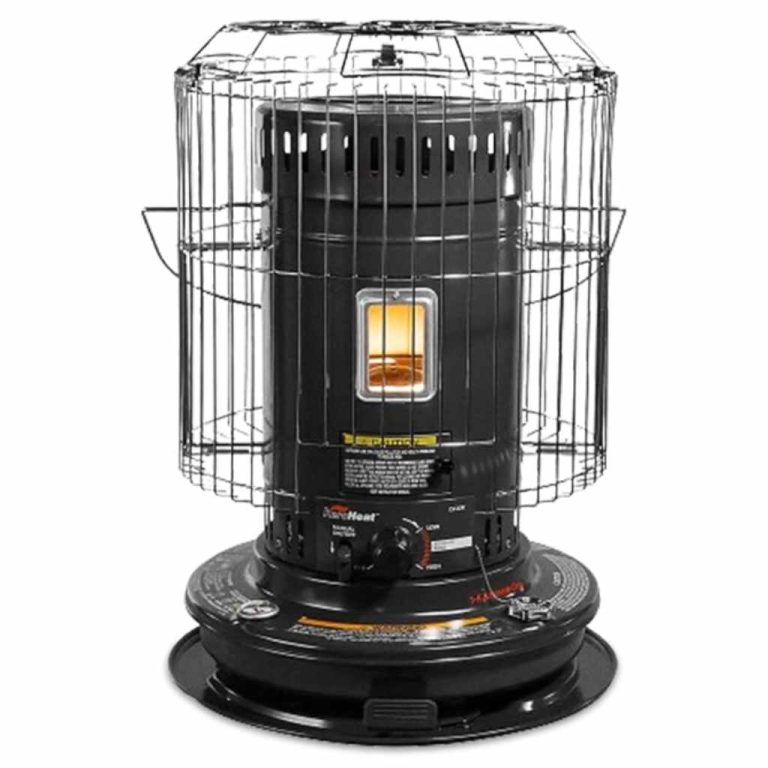
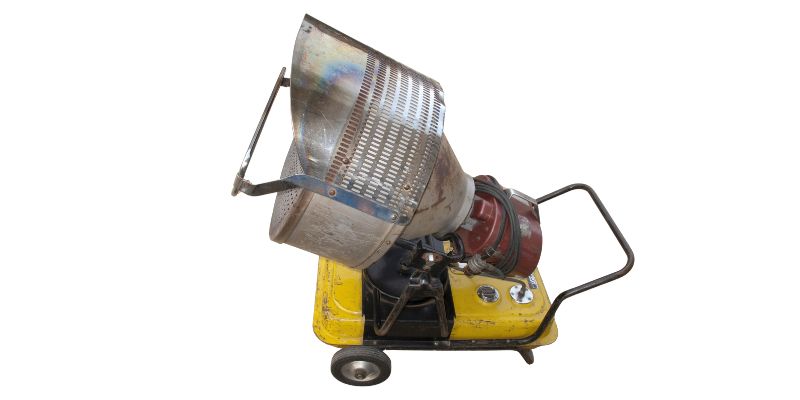
Let’s start with the basics. A kerosene heater is a portable device that burns kerosene, a liquid fuel, to produce heat. It’s like a giant lantern, with a wick that soaks up the fuel and burns to warm the air or objects around it. These heaters come in two main types: convective, which spread heat in all directions, and radiant, which focus heat toward specific objects or people. They’re often used in places where electricity isn’t reliable, like during power outages or in rural areas.
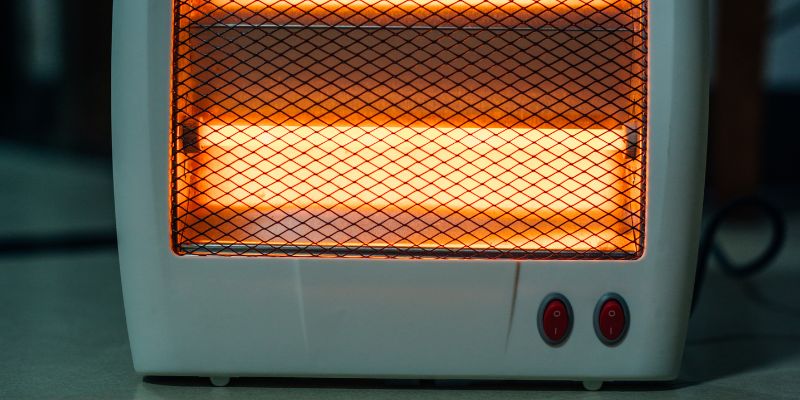
Electric heaters, on the other hand, use electricity to generate heat. They come in various forms, like ceramic, oil-filled, or infrared models. Some use fans to blow warm air, while others radiate heat to warm nearby objects. Electric heaters are super common in homes because they’re easy to use—just plug them in, and you’re good to go.
I remember the first time I used a kerosene heater in my garage during a winter storm. The power was out, and that little heater kept the space surprisingly toasty. But I’ve also relied on electric heaters in my living room for quick, hassle-free warmth. Both have their place, but they’re very different beasts. Let’s break down the key differences to help you decide which one fits your lifestyle.
How Do They Work?
Understanding how these heaters work can help you picture how they’ll fit into your home. Kerosene heaters operate by burning fuel. A wick, usually made of fiberglass or cotton, draws kerosene from a tank through capillary action. When you light the wick, it heats the kerosene, turning it into a gas that burns to produce heat. Convective kerosene heaters spread warm air in all directions, while radiant ones use a reflector to direct heat forward. Some modern kerosene heaters even have electric fans or thermostats, but most don’t need electricity to run, which is a big plus during outages.
Electric heaters work by converting electrical energy into heat. For example, ceramic heaters use a heating element that warms up when electricity flows through it, and a fan blows the warm air into the room. Oil-filled heaters warm up oil inside the unit, which then radiates heat. Infrared heaters emit rays that heat objects directly, kind of like how the sun warms your skin. All electric heaters need a power source, so they’re useless if the grid goes down.
I’ve always found the simplicity of electric heaters appealing—just plug and play. But there’s something rugged and reliable about a kerosene heater, especially when you’re off the grid. Knowing how they work helps you see why each has its strengths and weaknesses, which we’ll explore next.
Efficiency and Cost Comparison
When I first started comparing these heaters, cost was a big concern. Let’s talk about efficiency and how much you’ll spend to keep warm.
Kerosene heaters are incredibly efficient at producing heat. They can churn out anywhere from 11,000 to 23,000 BTUs per hour, enough to heat a large room or even multiple rooms. Kerosene is a dense fuel, packing a lot of energy—about 131,000 BTUs per gallon. At $4.50 per gallon, that translates to roughly $0.12 per kilowatt-hour of heat. Compare that to electric rates, which can range from $0.10 to $0.30 per kilowatt-hour depending on where you live. In my area, kerosene often comes out cheaper, especially for heating large spaces.
However, kerosene heaters have upfront costs. A good unit costs $100 to $350, and vented models for whole-house heating can hit $850 or more. You’ll also need to buy kerosene, which means trips to the store or arranging deliveries. I’ve lugged those five-gallon cans home, and trust me, it’s not fun in a snowstorm. Plus, you need to factor in maintenance, like replacing wicks every season, which costs $10 to $20.
Electric heaters are less efficient in terms of raw heat output. Most portable models produce 5,000 to 15,000 BTUs, suitable for small to medium rooms. They’re 100% efficient at converting electricity to heat, but electricity is pricier than kerosene in many areas. A typical 1,500-watt electric heater costs about $0.15 to $0.45 per hour to run, depending on your electric rates. The heaters themselves are cheaper, though—$30 to $150 for most models. There’s no fuel to buy or wicks to replace, so maintenance is minimal.
Here’s a quick comparison table to make sense of the costs:
| Feature | Kerosene Heater | Electric Heater |
|---|---|---|
| Initial Cost | $100–$350 (up to $850 for vented models) | $30–$150 |
| Fuel Cost | $4.50/gallon (approx. $0.12/kWh) | $0.10–$0.30/kWh |
| BTU Output | 11,000–23,000 | 5,000–15,000 |
| Maintenance | Wicks ($10–$20/season), cleaning | Minimal |
| Operating Cost (1 hr) | $0.50–$1.00 (1–2 gallons/day) | $0.15–$0.45 (1,500 watts) |
I’ve found that kerosene heaters save money when heating larger spaces or during long power outages. But for small rooms or daily use, electric heaters are often more practical because you don’t have to deal with fuel storage or refilling.
Safety Considerations
Safety is where things get serious. I’ve used both types of heaters, and I can’t stress enough how important it is to follow safety guidelines.
Kerosene heaters have a reputation for being risky, and they’re not wrong if you’re careless. They produce an open flame, so fire hazards are a big concern. I’ve seen how quickly a curtain can catch fire if it’s too close to the heater. You need to keep them at least three feet from furniture, curtains, or anything flammable. Refueling is another danger—never fill a hot heater, and always do it outside to avoid spills igniting. Kerosene heaters also emit carbon monoxide, nitrogen dioxide, and other pollutants, which can be deadly in poorly ventilated spaces. I always crack a window and keep a carbon monoxide detector nearby when using one.
Another thing to watch is fuel quality. Only use 1-K kerosene, which is refined to burn cleanly. I once made the mistake of using lower-grade fuel, and the smell was awful. Mixing kerosene with gasoline is a disaster waiting to happen, so store it in clearly marked containers. Modern kerosene heaters have safety features like tip-over shutoffs and automatic ignition, but you still need to stay vigilant. I never leave mine on overnight or unattended.
Electric heaters are generally safer but not risk-free. They don’t produce carbon monoxide, so you don’t have to worry about ventilation. But they can still cause fires if placed near flammable materials or if they tip over. I always choose models with tip-over switches and overheat protection for peace of mind. You also need to plug them directly into a wall outlet—extension cords can overheat and start a fire. I learned this the hard way when an old extension cord got dangerously hot.
One big downside of electric heaters is their reliance on power. If the grid goes down, they’re useless. Kerosene heaters shine in these situations, but you need to weigh the safety trade-offs. For me, electric heaters feel safer for everyday use, especially in homes with kids or pets.
Portability and Ease of Use
I love how portable both types of heaters can be, but they cater to different needs. Kerosene heaters are standalone units, often with handles for easy carrying. Radiant models with removable fuel tanks are especially convenient—you just take the tank outside to refill. Convective models, though, can be bulkier, and you have to move the whole unit for refueling. I’ve hauled a convective kerosene heater to my workshop, and it’s not too heavy, but it’s a chore compared to a lightweight electric heater.
Electric heaters are super easy to move around. Most are compact, and some even have wheels. I have a small ceramic heater that I carry from my office to my bedroom with no hassle. Plugging it in takes seconds, and there’s no mess or fuel to deal with. But you’re tethered to an outlet, which limits where you can place it. Kerosene heaters give you more freedom since they don’t need electricity, making them ideal for garages, barns, or outdoor spaces.
Ease of use is where electric heaters win for me. There’s no learning curve—just flip a switch. Kerosene heaters require more effort. You have to fill the tank, soak the wick for an hour before the first use, and adjust the wick height to avoid smoke or odors. Cleaning the wick or replacing it every season is another task. I don’t mind the maintenance, but it’s not as simple as an electric heater.
Environmental Impact
Let’s talk about the environment, because it’s something I think about when choosing a heater. Kerosene heaters burn fossil fuel, which means they release carbon dioxide, carbon monoxide, and other pollutants into the air. If you’re using one indoors, ventilation is critical to avoid indoor air pollution. I always feel a bit guilty using kerosene because it’s not the greenest option, and the faint odor, even with 1-K kerosene, can linger.
Electric heaters are cleaner in terms of indoor air quality since they don’t emit pollutants. But their environmental impact depends on how your electricity is generated. If your power comes from coal or gas plants, you’re still contributing to carbon emissions indirectly. In areas with renewable energy sources, like wind or solar, electric heaters are much more eco-friendly. I live in a region with a mix of energy sources, so I try to balance my heater use with energy-saving habits, like turning down the thermostat.
For me, electric heaters feel like the better choice for the environment, especially if you’re conscious about your carbon footprint. But if you’re in a rural area with frequent outages, kerosene might be your only practical option.
Best Use Cases
So, when should you choose one over the other? I’ve found that kerosene heaters are fantastic for specific situations. They’re a lifesaver during power outages, especially in cold climates. I used one during a three-day blackout, and it kept my family warm when our electric furnace was useless. They’re also great for heating large spaces like garages, workshops, or barns, where running an electric heater would be too expensive or impractical. If you live off-grid or in a remote area, kerosene heaters are a reliable backup.
Electric heaters are my go-to for everyday use in small to medium rooms. They’re perfect for topping up heat in a chilly bedroom or office. I love using my ceramic heater when I’m working from home—it warms up my space quickly without cranking the central heating. They’re also ideal for urban homes where electricity is reliable, and you don’t want to deal with fuel storage.
Here’s a quick guide to help you decide:
- Choose a Kerosene Heater If: You need a heater for power outages, large spaces, or off-grid living. You’re comfortable with maintenance and safety precautions.
- Choose an Electric Heater If: You want convenience, safety, and clean operation for small to medium rooms. You have reliable electricity and prefer minimal upkeep.
Maintenance and Longevity
Maintenance is a big factor for me because I don’t want a heater that’s a hassle to keep running. Kerosene heaters need regular care. You have to check the wick weekly during heavy use. If it’s dirty, you clean it by running the heater dry (for fiberglass wicks) or trimming it (for cotton wicks). Replacing a wick costs $10 to $20 and is recommended every season. You also need to wipe up fuel spills immediately and store kerosene properly in a cool, dry place. I’ve learned to keep my kerosene in a clearly marked blue container to avoid mix-ups.
Electric heaters are low-maintenance. There’s no fuel to manage, no wicks to replace. You might need to dust the unit occasionally to keep it running smoothly, but that’s it. I’ve had an electric heater for years, and it still works like new with zero upkeep.
In terms of longevity, both can last for years if cared for properly. Kerosene heaters might need more frequent part replacements, like wicks or igniters, but a well-made unit can last a decade or more. Electric heaters are durable too, especially ceramic or oil-filled models, which don’t have many moving parts to wear out.
My Personal Experience
I’ve used both types of heaters in different situations, and they each have their charm. My kerosene heater was a game-changer during a winter storm when the power went out for days. It kept my garage warm enough to work in, and I even used it to thaw frozen pipes. But I had to be careful—ventilating the space, checking the wick, and refueling outside were non-negotiable.
My electric heater, a small ceramic model, is my daily driver. I love how I can plug it in, set the thermostat, and forget about it. It’s perfect for my home office, where I just need a quick burst of warmth. But when the power flickered last winter, I was glad I had that kerosene heater as a backup.
Both have their place, but your choice depends on your needs, lifestyle, and how much effort you’re willing to put in.
Conclusion
After diving deep into the world of kerosene and electric heaters, I hope you feel more confident about choosing the right one for your home. Kerosene heaters are powerful, cost-effective for large spaces, and a lifesaver during power outages, but they come with safety risks and maintenance demands. Electric heaters are safe, convenient, and perfect for small rooms, but they rely on electricity and can be pricier to run. For me, it’s not about one being better than the other—it’s about what fits your life. If you’re in a city apartment with reliable power, an electric heater is probably your best bet. If you’re in a rural area or preparing for emergencies, a kerosene heater could be your go-to.
Think about your space, budget, and how you’ll use the heater. Weigh the pros and cons, and don’t skimp on safety features like tip-over switches or carbon monoxide detectors. Whatever you choose, a good heater can make those chilly winter days feel a lot more bearable. Stay warm, and happy heating!
FAQs
Is It Safe to Use a Kerosene Heater Indoors?
Kerosene heaters can be safe indoors if you follow strict guidelines. Always use 1-K kerosene, keep the heater three feet from flammable materials, and ensure proper ventilation by cracking a window. Install a carbon monoxide detector, and never leave the heater unattended or running overnight. I always refuel mine outside and check the wick regularly to avoid issues.
How Much Does It Cost to Run a Kerosene Heater vs. an Electric Heater?
Kerosene heaters typically cost $0.50 to $1.00 per hour, depending on fuel prices and usage. Electric heaters cost $0.15 to $0.45 per hour, based on a 1,500-watt unit and local electric rates. Kerosene is often cheaper for large spaces, but electric heaters are more cost-effective for small rooms.
Can I Use an Electric Heater During a Power Outage?
No, electric heaters need electricity to work, so they’re useless during a power outage. That’s where kerosene heaters shine—they don’t rely on the grid, making them ideal for emergencies.
How Often Do I Need to Maintain a Kerosene Heater?
You should check the wick weekly during heavy use and clean or replace it as needed, usually once a season. Wipe up fuel spills immediately, and store kerosene in a proper container. Electric heaters need minimal maintenance—just occasional dusting.
Which Heater Is Better for a Small Apartment?
For a small apartment, I’d recommend an electric heater. They’re safer, easier to use, and don’t require ventilation or fuel storage. A ceramic or infrared model works great for small spaces, and you won’t have to deal with kerosene odors or maintenance.