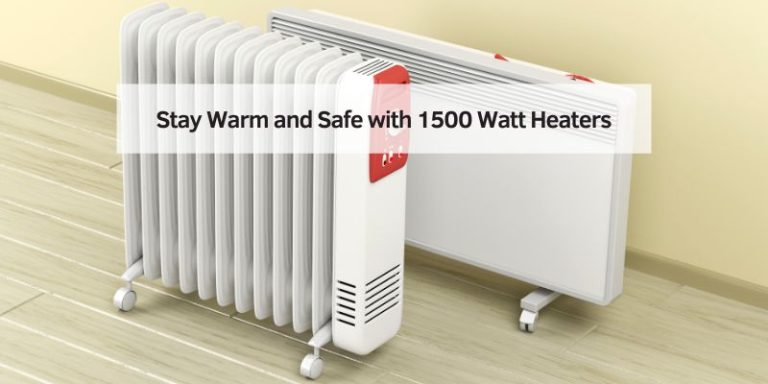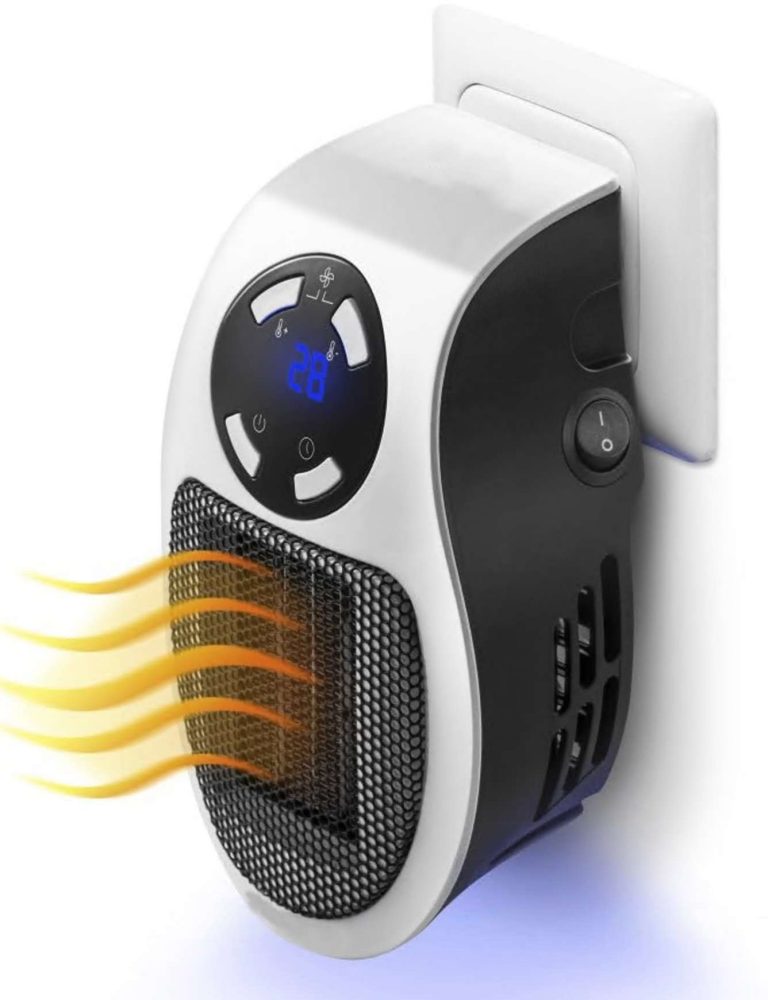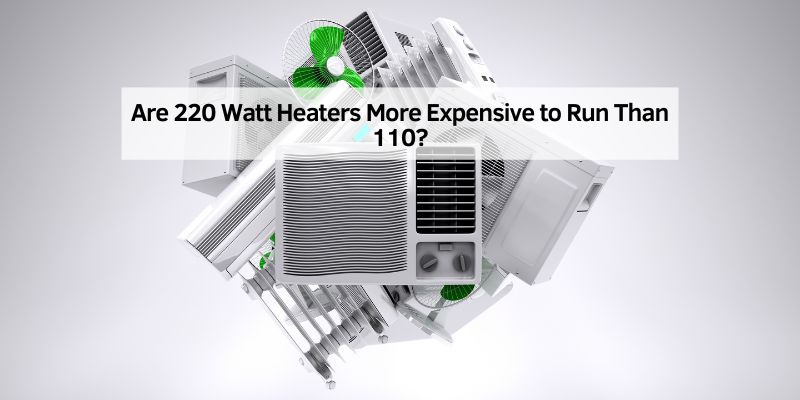
Are 220 Watt Heaters More Expensive to Run Than 110?
Have you ever found yourself wondering about the cost of running different types of heaters in your home? Specifically, are 220-watt heaters more expensive to operate than their 110-watt counterparts?
The answer might surprise you and could potentially save you money on your energy bills. By understanding the nuances of how these heaters work, you can make more informed choices about your home’s heating solutions. Imagine the comfort of a warm home without the stress of soaring electricity bills.
Intrigued? Let’s dive into the details and uncover the truth about these two heating options, empowering you to make smarter decisions for your wallet and your comfort.

Credit: en.wikipedia.org
Energy Consumption Basics
Understanding energy consumption is essential for managing your electricity bills. Many wonder if a 220-watt heater costs more to run than a 110-watt heater. Different factors contribute to energy costs. Let’s explore the basics of energy consumption to clarify this.
Wattage And Power
Wattage measures the power a device uses. A 220-watt heater uses more power than a 110-watt heater. More power means more electricity consumption. This directly affects your energy bills. The higher the wattage, the higher the power consumption.
Voltage Differences
Voltage impacts how heaters operate. A 220-volt heater typically runs on higher voltage. This can affect efficiency and energy consumption. Higher voltage heaters might distribute heat more effectively. But, they can also use more energy. Comparing the voltage helps understand cost differences.
Cost Of Running 220 Watt Heaters
Understanding the cost of running a 220-watt heater is important. It helps you manage your expenses effectively. These heaters can be efficient for small spaces. But how do their costs compare to other options? Let’s explore the factors that influence their running costs.
Electricity Usage Calculation
Calculating electricity usage is simple. First, check your electricity rate per kilowatt-hour (kWh). Multiply the heater’s wattage by the hours used daily. Divide by 1,000 to convert watts to kilowatts. Multiply by the kWh rate. This gives the daily cost. For example, a 220-watt heater used for 5 hours daily costs differently. It depends on the kWh rate.
Factors Affecting Costs
Several factors affect the running costs of a 220-watt heater. Room insulation plays a key role. Poor insulation increases energy use. The ambient temperature also impacts costs. Colder environments require more heating. The heater’s efficiency affects how much energy it uses. A more efficient heater consumes less power. Finally, consider the duration of use. Longer use increases the cost. Understand these factors for better cost management.
Cost Of Running 110 Watt Heaters
Understanding the cost of running a 110 watt heater is vital for budgeting. These heaters are often favored for small spaces. Their lower power makes them seem cost-effective. But, how does their electricity usage translate to actual costs? Let’s explore this further.
Electricity Usage Calculation
To calculate electricity use, know the heater’s wattage and runtime. A 110 watt heater uses 0.11 kilowatts per hour. Multiply this by the hours used daily. Then, multiply by your local electricity rate. This gives the daily cost of operating the heater.
Factors Affecting Costs
Several factors influence the cost of running a heater. The local electricity rate is crucial. Prices vary by region. Usage habits also impact costs. Running the heater continuously increases expenses. Seasonal changes affect heater use. Colder months may see higher usage. Insulation quality in your space can also play a role. Better insulation means less heater use.
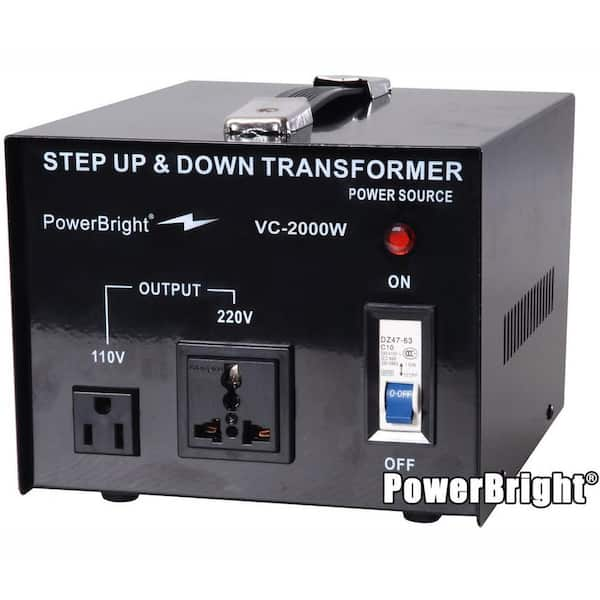
Credit: www.homedepot.com
Comparative Analysis
Choosing between a 220-watt and a 110-watt heater can be puzzling. Many wonder about the cost and efficiency of each. This analysis breaks down the differences. Understand the unique features of both heater types. Make an informed decision for your home or office needs.
Efficiency And Performance
A 220-watt heater typically operates more efficiently. It heats spaces faster than a 110-watt heater. This means less time is needed to reach the desired temperature. Faster heating can result in less energy being used overall. This efficiency can lead to savings in some cases.
On the other hand, a 110-watt heater may take longer to heat a room. This extended time can sometimes increase energy consumption. The performance of each heater depends on space size and insulation.
Cost Implications
Running costs differ based on wattage and usage duration. A 220-watt heater can be cheaper to run due to its efficiency. It heats quickly, reducing the time needed to operate. Lower operation time can mean lower energy bills.
Conversely, a 110-watt heater might seem cheaper initially. But, longer operating times can increase costs. Understanding your specific heating needs helps determine the best option. Consider both efficiency and cost when choosing a heater.
Influence Of Local Electricity Rates
Electricity rates vary from place to place. This affects the cost of running heaters. Local electricity rates play a big role in your electricity bill. A 220-watt heater and a 110-watt heater may cost differently. The cost depends on where you live.
Understanding local electricity rates can help you save money. It’s important to know how these rates work. Let’s explore the factors that influence these rates.
Geographical Variations
Electricity rates differ across regions. Some areas have higher rates due to local demand. Other factors include the source of electricity and the state laws. For instance, urban areas may have higher costs compared to rural areas. Always check your local rates. This helps you understand the true cost of running your heater.
Peak And Off-peak Rates
Many regions have peak and off-peak rates. Peak times usually occur during busy hours. Electricity costs more during these times. Off-peak rates apply during less busy hours. Running your heater during off-peak times can save money. Be mindful of the peak hours in your region. This can help lower your electricity bill.
Impact Of Heater Design
Heating costs vary with design and voltage. A 220-watt heater might consume more energy than a 110-watt one. This can lead to higher running costs.
The design of a heater significantly affects its efficiency and operational costs. Whether you’re choosing between a 220-watt or 110-watt heater, understanding the impact of its design can help you make a cost-effective decision. By examining the heater’s technology, material, and energy-saving features, you can determine which option suits your needs and budget best.
Technology And Material
The technology and materials used in a heater play a crucial role in its performance. Modern heaters might use ceramic elements that heat up quickly and retain heat longer. This means less energy is needed to maintain warmth, potentially reducing your electricity bill. Imagine a heater with advanced thermostat technology that adjusts the heat output automatically. This feature can prevent energy wastage by maintaining an optimal temperature. Consider what materials are used in the construction of the heater, as quality materials can enhance longevity and efficiency.
Energy Saving Features
Energy-saving features can make a significant difference in your electricity consumption. Look for heaters with programmable timers that allow you to set heating periods according to your schedule. This ensures the heater is only running when you need it, cutting down unnecessary energy use. Some heaters come with eco-modes that adjust the power usage based on the room’s temperature. This smart feature can help you save money without sacrificing comfort. When evaluating heaters, think about how these features align with your usage patterns.
Have you ever considered how a heater’s design might affect your energy bill? By focusing on technology, materials, and energy-saving features, you can choose a heater that keeps you warm without burning through your budget.
Tips For Cost-effective Heating
Heating your home efficiently is crucial, especially when considering the cost implications of using 220-watt heaters versus 110-watt ones. While the wattage difference is significant, how you use and manage your heaters plays a vital role in determining your energy bills. Let’s explore some practical tips for cost-effective heating that can help you stay warm without breaking the bank.
Energy Efficiency Strategies
Investing in energy-efficient heaters can make a big difference. Look for models with adjustable thermostats and timers. These features allow you to control the heat output precisely, reducing unnecessary energy use. A friend once shared how their energy bill halved after switching to a heater with a programmable timer. Such savings make the initial cost worthwhile.
Consider the insulation of your home as well. Proper insulation keeps the heat inside, reducing the need for constant heating. Simple actions like sealing window gaps or adding draft stoppers can significantly improve your home’s energy efficiency. You might be surprised at how much warmth you retain just by blocking those sneaky drafts!
Smart Usage Practices
Think about how you use your heaters daily. Do you leave them on when you’re not home? Adjusting your usage habits can lead to substantial savings. Turn off heaters when you leave the house or use smart plugs to automate this process. A colleague of mine started doing this and noticed a drop in their monthly energy costs.
Zone heating is another effective practice. Focus on heating the rooms you use most often rather than the entire house. If you spend most of your time in the living room, prioritize heating there. This approach ensures you’re not wasting energy on unused spaces, directly impacting your energy bill.
Have you ever considered the placement of your heaters? Place them strategically to maximize their effectiveness. Avoid putting them near windows or doors where heat can easily escape. Instead, position them where heat can circulate effectively throughout the room. It’s a small change but can lead to big savings.
As you evaluate your heating habits, ask yourself: Are there small changes you can make today that lead to long-term savings? Implementing these strategies not only saves money but also contributes to a more sustainable lifestyle.
Credit: www.nature.com
Frequently Asked Questions
Are 220 Watt Heaters More Energy-efficient?
220 watt heaters can be more energy-efficient due to higher voltage. They often offer better heat distribution and reduced energy loss. However, efficiency also depends on the heater’s design and usage. Always compare specific models for the best results. Proper insulation and maintenance also enhance efficiency.
Does Voltage Affect Heater Running Costs?
Yes, voltage affects running costs of heaters. Higher voltage heaters can be more efficient, often reducing electricity consumption. However, efficiency varies by model and design. It’s important to compare energy ratings and usage patterns. Proper usage and insulation can further reduce costs.
Which Is Cheaper: 220 Or 110 Watt Heater?
220 watt heaters can be cheaper to run than 110 watt ones. They often have higher efficiency, reducing energy consumption. However, actual costs depend on usage, heater design, and local electricity rates. Always check energy ratings and calculate costs based on your usage habits.
Do 220 Watt Heaters Heat Rooms Faster?
Yes, 220 watt heaters often heat rooms faster. They provide more efficient heat distribution due to higher voltage. This can lead to quicker warming times, especially in larger spaces. However, effectiveness depends on the heater’s design and room insulation. Always consider these factors for optimal performance.
Conclusion
Both 220 watt and 110 watt heaters have their costs. Running costs depend on usage and electricity rates. A 220 watt heater may use more energy but heats faster. A 110 watt heater uses less energy but may take longer.
Choose based on your needs and energy prices. Consider room size and insulation. Efficient use saves money. Always compare your options carefully. Energy efficiency matters. Understand your heater’s energy needs. Make informed decisions. Save on energy bills by using heaters wisely.