Are 1500 Watt Heaters More Efficient?
When the temperature drops, I’m always on the hunt for ways to keep my home cozy without my energy bill skyrocketing. 1500 watt heaters are a popular choice in the USA because they’re powerful, portable, and widely available. But are they really more efficient than other options? Efficiency isn’t just about how much heat a heater pumps out—it’s about how much energy it uses to do so and whether it fits your specific needs. Let’s dive into what makes these heaters tick and how they stack up.
What Does Efficiency Mean for Heaters?
Efficiency, in the world of heaters, is all about getting the most heat for the least amount of energy. For electric heaters like the 1500 watt models, efficiency is measured by how well they convert electricity into heat. Spoiler alert: most electric heaters are nearly 100% efficient at turning electricity into heat because there’s no energy lost in combustion, unlike gas heaters. But there’s a catch—efficiency also depends on how the heater distributes heat, how much energy it consumes, and whether it’s the right size for your space.
I’ve used 1500 watt heaters in my living room and garage, and I’ve noticed they work great for smaller spaces but can struggle in larger, drafty rooms. If you’re wondering whether they’re more efficient than other heaters, it comes down to factors like insulation, room size, and the type of heater you’re comparing them to. Let’s break it down.
Why Are 1500 Watt Heaters So Popular?
I see 1500 watt heaters everywhere—big box stores, online retailers, you name it. There’s a reason for that. Most 1500 watt heaters are designed to plug into a standard 120-volt outlet, which is what you’ll find in most American homes. They draw about 12.5 amps of electricity, which is just below the limit for a typical household circuit. This makes them super convenient because you don’t need special wiring or a dedicated circuit.
In my experience, these heaters are also portable, lightweight, and come in different styles—ceramic, oil-filled, infrared, you name it. Whether I’m warming up my home office or keeping my toes toasty in the bedroom, a 1500 watt heater is easy to move around. But popularity doesn’t always mean efficiency, so let’s dig deeper.
How Do 1500 Watt Heaters Work?
To understand efficiency, I think it’s helpful to know how these heaters actually work. A 1500 watt heater uses electricity to generate heat, typically through a heating element. The wattage—1500 watts—tells you how much power it consumes per hour. To put it simply, running a 1500 watt heater for one hour uses 1.5 kilowatt-hours (kWh) of electricity. If your electricity rate is, say, 15 cents per kWh, that’s about 22.5 cents per hour to run.
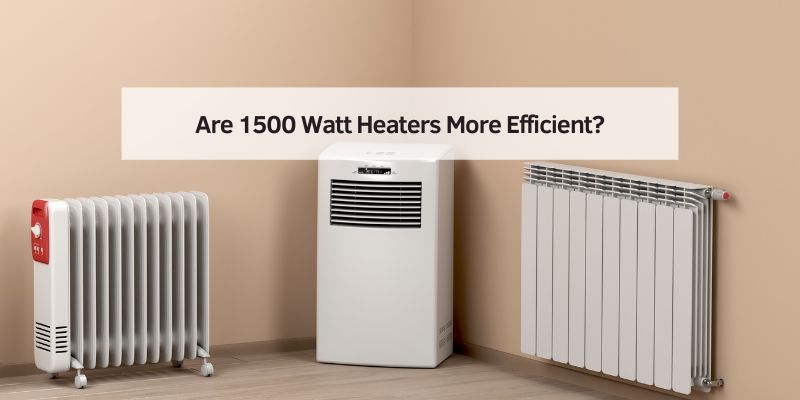
Different types of 1500 watt heaters distribute heat in unique ways:
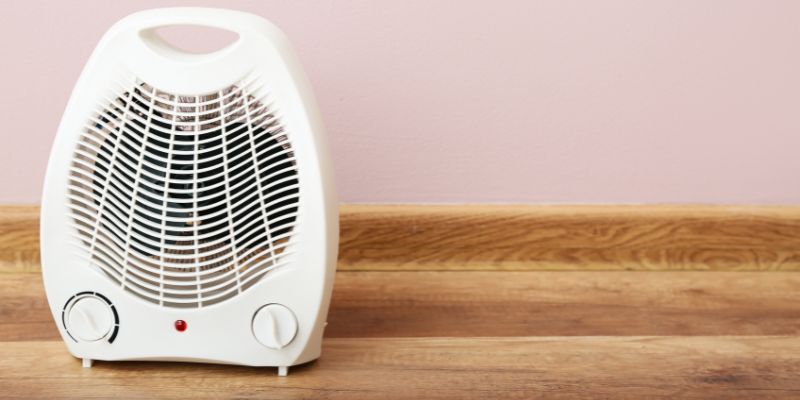
- Ceramic heaters: These use a ceramic element to heat up quickly and push warm air out with a fan. I love how fast they warm up my small office.
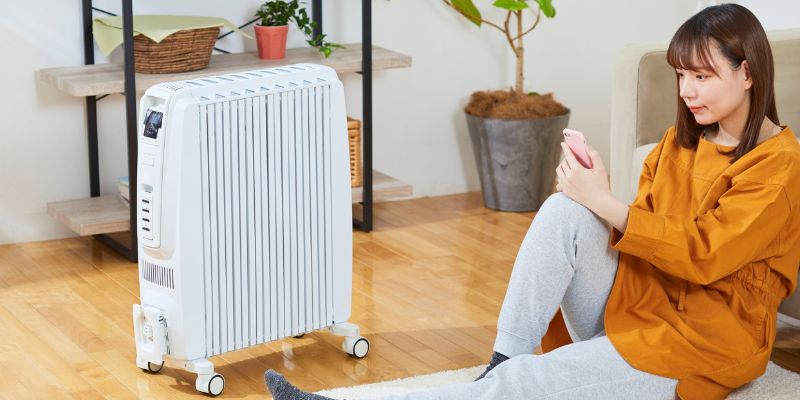
- Oil-filled radiators: These heat oil inside a metal casing, radiating steady heat. They’re great for keeping a room warm for hours.
- Infrared heaters: These heat objects directly, like the sun. I’ve used one in my garage, and it feels warm instantly, but it’s less effective for large spaces.
Each type has its strengths, but efficiency depends on how well the heater matches your room’s size and insulation.
Are 1500 Watt Heaters More Efficient Than Other Wattages?
Here’s where things get interesting. I’ve compared 1500 watt heaters to lower-wattage models (like 750 watts) and higher-wattage ones (like 2000 watts or more). The efficiency of a heater doesn’t change much with wattage because, as I mentioned, electric heaters are nearly 100% efficient at converting electricity to heat. But here’s the thing: a 1500 watt heater might not be the most cost-effective for every situation.
For example, in a small bedroom (100-200 square feet), a 1500 watt heater can feel like overkill, wasting energy if you don’t need all that heat. A 750-watt heater might do the job just fine and cost less to run. On the other hand, in a larger living room (300-400 square feet), a 750-watt heater might struggle, running constantly and using more energy over time. I’ve found that 1500 watt heaters hit a sweet spot for medium-sized rooms, balancing power and energy use.
To give you a clearer picture, here’s a table comparing different wattages for room sizes:
| Room Size (Square Feet) | Recommended Wattage | Approx. Cost per Hour (15 cents/kWh) |
|---|---|---|
| 100-150 | 750 watts | 11.25 cents |
| 150-300 | 1500 watts | 22.5 cents |
| 300-500 | 2000 watts | 30 cents |
This table assumes good insulation. If your room is drafty, you might need more power.
Factors That Affect Heater Efficiency
I’ve learned that efficiency isn’t just about the heater itself—it’s about how you use it. Here are some key factors that impact how efficient a 1500 watt heater is in real life:
Room Insulation
If your home is poorly insulated, even the best 1500 watt heater will struggle. I noticed this in my old apartment, where heat seemed to vanish through the windows. Adding weatherstripping and heavy curtains made a huge difference in how well my heater performed.
Thermostat and Controls
Many 1500 watt heaters come with thermostats or timers, which I’ve found super helpful. A thermostat lets the heater turn off once the room reaches your desired temperature, saving energy. I always look for models with precise controls to avoid wasting electricity.
Placement
Where you put your heater matters. I made the mistake of placing one near a drafty window, and it ran non-stop. Positioning your heater in the center of the room or near where you spend the most time ensures even heat distribution.
Usage Habits
I’ll admit, I used to leave my heater on all day, thinking it would keep my place warm. Big mistake. Turning it off when I’m not in the room or using a timer to control it has saved me a lot on my bill.
Comparing 1500 Watt Heaters to Other Heating Options
To really answer whether 1500 watt heaters are more efficient, I’ve compared them to other heating systems. Here’s what I found:
Central Heating
Central heating systems, like gas furnaces, are great for whole-house heating. They’re often more cost-effective for large homes because they distribute heat evenly. However, for a single room, a 1500 watt heater is usually cheaper to run since you’re only heating the space you’re using.
Space Heaters with Different Wattages
As I mentioned earlier, lower-wattage heaters (like 750 watts) can be more efficient for tiny spaces, while higher-wattage ones (2000 watts or more) are better for larger areas. A 1500 watt heater is a good middle ground, but it’s not always the most efficient choice.
Heat Pumps
Heat pumps are incredibly efficient because they move heat rather than generate it. I’ve seen friends use mini-split heat pumps in their homes, and they swear by the low energy costs. However, they’re expensive to install, so a 1500 watt heater is a more budget-friendly option for occasional use.
Tips to Maximize Efficiency of a 1500 Watt Heater
I’ve picked up some tricks over the years to make my 1500 watt heater work smarter, not harder. Here’s what I recommend:
- Insulate your space: Seal windows, doors, and gaps to keep heat in.
- Use a thermostat: Choose a heater with a reliable thermostat to avoid overheating.
- Heat only what you need: Use your heater in the room you’re in instead of warming the whole house.
- Maintain your heater: Clean dust off the heating element to keep it running efficiently.
- Layer up: I’ve found that wearing a sweater lets me lower the thermostat a bit, saving energy.
By following these tips, I’ve cut down my energy costs while keeping my home comfortable.
Are There More Efficient Alternatives?
While 1500 watt heaters are solid, there are times when other options might be better. For example, I’ve tried infrared heaters for spot heating, and they’re great for warming just me and my desk instead of the whole room. Heat pumps, as I mentioned, are super efficient but pricey. If you’re in a small space, a 750-watt heater might save you money. It all depends on your needs and budget.
My Personal Experience with 1500 Watt Heaters
I’ve used a few 1500 watt heaters over the years, and I’ve got some favorites. My ceramic heater is a champ for quick warmth in my office, but I lean on my oil-filled radiator for my bedroom because it keeps the heat steady overnight. One thing I’ve learned is that no single heater is perfect for every situation. If your room is too big or poorly insulated, even a 1500 watt heater will feel inefficient because it’s working overtime.
Conclusion
After exploring the ins and outs of 1500 watt heaters, I can say they’re a fantastic choice for many homes, especially for medium-sized rooms. They’re not inherently more efficient than other electric heaters in terms of energy conversion, but their versatility and power make them a go-to for targeted heating. By choosing the right type of heater, insulating your space, and using smart controls, you can make a 1500 watt heater work efficiently and keep your energy bills in check. For me, it’s about finding that balance between comfort and cost, and a 1500 watt heater often hits the mark.
FAQs
Are 1500 watt heaters safe to use overnight?
Yes, many 1500 watt heaters are safe for overnight use, especially models with safety features like tip-over protection and automatic shut-off. I always double-check that my heater is on a flat surface and away from flammable materials before leaving it on.
How much does it cost to run a 1500 watt heater?
It depends on your electricity rate, but at 15 cents per kWh, a 1500 watt heater costs about 22.5 cents per hour. I’ve found that using a timer or thermostat helps keep costs down.
Can a 1500 watt heater heat a large room?
For rooms up to 300 square feet, a 1500 watt heater works well if the space is insulated. For larger or drafty rooms, I’d recommend a higher-wattage heater or multiple heaters.
Are ceramic heaters more efficient than oil-filled 1500 watt heaters?
Both are nearly 100% efficient at converting electricity to heat, but ceramic heaters heat up faster, while oil-filled ones provide steadier warmth. I choose based on whether I need quick heat or long-lasting comfort.
Do 1500 watt heaters use a lot of electricity?
They use 1.5 kWh per hour, which is moderate for electric heaters. Compared to central heating, they’re often cheaper for heating a single room, but I always monitor my usage to avoid surprises on my bill.