Are 50-Gallon Water Heaters Discontinued? A Deep Dive into the Truth
Hey there! If you’re wondering whether 50-gallon water heaters are discontinued, you’re not alone. I’ve heard this question pop up a lot lately, especially from homeowners like you who are trying to keep their homes running smoothly. As someone who’s spent time digging into this topic—researching manufacturers, checking industry trends, and even chatting with plumbers—I’m excited to share what I’ve learned. The short answer? No, 50-gallon water heaters are not discontinued. But there’s a lot more to this story, and I’m here to break it all down for you. Let’s dive in and explore everything you need to know about these trusty appliances, from their availability to their place in today’s market.
Why the Question About Discontinuation?
I first heard whispers about 50-gallon water heaters being discontinued when a friend mentioned they couldn’t find one at their local hardware store. It got me curious. Why would such a popular size vanish? The truth is, it hasn’t. The confusion comes from a mix of market trends, new regulations, and the rise of alternative water heating options. Some folks think 50-gallon models are being phased out because stores are pushing newer technologies like tankless or hybrid heaters. Others worry that stricter energy standards might make traditional models harder to find. But don’t worry—I’ve done the legwork, and 50-gallon water heaters are still very much alive. Let’s unpack the reasons behind the rumor and what’s really going on.
The Popularity of 50-Gallon Water Heaters
Let’s start with why 50-gallon water heaters are so popular. If you’ve got a family of three to five people, this size is often the sweet spot. It’s big enough to handle daily tasks like showers, laundry, and dishwashing without running out of hot water too quickly. When I was shopping for a water heater for my own home, I found that 50-gallon models strike a great balance between capacity and cost. They’re not as bulky as 80-gallon tanks, which can be overkill for smaller households, but they offer more hot water than a 40-gallon tank, which might leave you shivering during a long shower.
These heaters come in electric, gas, and hybrid versions, so there’s something for every home. For example, my neighbor swears by his gas-powered 50-gallon heater because it heats water faster than electric models. Meanwhile, I went with an electric one to avoid dealing with gas lines. The point is, 50-gallon water heaters are versatile, and manufacturers know they’re a staple for American households. That’s why companies like A.O. Smith, Rheem, and Bradford White keep producing them.

Are 50-Gallon Water Heaters Being Phased Out?
So, are these heaters being discontinued? Not at all. I checked with major retailers like Home Depot, Lowe’s, and Sears, and 50-gallon water heaters are still widely available. You can find them in stock online and in stores, with plenty of options to choose from. For instance, A.O. Smith’s Signature 50-Gallon Natural Gas Heater is a top seller at Lowe’s, and Rheem’s Performance Platinum 50-Gallon model is popular at Home Depot. These are not old, dusty units sitting on a shelf—they’re modern, energy-efficient models designed for today’s homes.
The rumor about discontinuation likely stems from a few changes in the industry. First, there’s been a big push toward tankless water heaters, which heat water on demand and don’t need a large tank. I’ll admit, tankless models are tempting because they save space and can cut energy bills. But they’re not always practical for larger families who need a steady supply of hot water. Second, new energy efficiency regulations from the Department of Energy have some folks thinking older, less efficient 50-gallon models might be phased out. While it’s true that manufacturers are focusing on high-efficiency models, they’re still making 50-gallon tanks that meet these standards.
Energy Efficiency Regulations and Their Impact
Let’s talk about those regulations for a minute. The Department of Energy has been tightening energy standards for water heaters to reduce energy waste. I remember reading about this a while back and wondering how it would affect my options. The rules, set under the Energy Policy and Conservation Act, push for higher Uniform Energy Factor (UEF) ratings, which measure how efficiently a water heater uses energy. For 50-gallon models, this means newer units often include features like better insulation, advanced heating elements, or even heat pump technology.
Some older 50-gallon water heaters, especially electric ones with lower UEF ratings, are being replaced by more efficient models. This doesn’t mean the 50-gallon size is discontinued—just that the technology inside is evolving. For example, hybrid electric water heaters, which use a heat pump to save energy, are gaining traction. I looked into one of these for my home, and while they cost more upfront (around $1,500–$3,000), they can save you hundreds on energy bills over time. If you’re worried about finding a traditional electric or gas 50-gallon heater, don’t be—they’re still out there, just with better tech.
Types of 50-Gallon Water Heaters Available
When I started researching 50-gallon water heaters, I was surprised by how many options there are. Let’s break down the main types so you can figure out what’s best for your home.
Electric Water Heaters
Electric 50-gallon water heaters are super common, especially in homes without gas lines. They’re usually cheaper to buy, ranging from $300 to $1,000, and they’re easier to install if you’re replacing an existing electric model. I went with an electric one because my house didn’t have a gas hookup, and it’s been reliable for years. The downside? They can be pricier to run than gas models, especially if electricity costs are high in your area.
Gas Water Heaters
Gas-powered 50-gallon heaters are a favorite for folks who want faster heating. They typically cost $500 to $1,200 and have lower operating costs because natural gas is often cheaper than electricity. My cousin installed a gas model, and he loves how quickly it recovers after a big hot water demand, like when his kids take back-to-back showers. Just keep in mind that gas heaters need proper ventilation and professional installation, which can add to the cost.
Hybrid Water Heaters
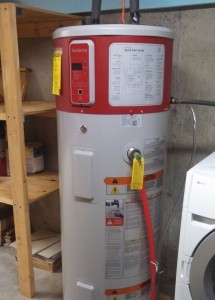
Hybrid models are the new kids on the block. They use a heat pump to pull warmth from the air, making them incredibly energy-efficient. I was tempted by a hybrid when I saw it could save up to $300 a year on energy bills. But they’re pricier—$1,500 to $3,000—and need more space for installation. If you’re eco-conscious or live in a warm climate, these are worth considering.
Here’s a quick comparison of the three types:
| Type | Price Range | Pros | Cons |
|---|---|---|---|
| Electric | $300–$1,000 | Affordable, easy to install | Higher operating costs |
| Gas | $500–$1,200 | Faster heating, lower operating costs | Requires ventilation, professional install |
| Hybrid | $1,500–$3,000 | Very energy-efficient | Expensive upfront, needs more space |
Why Choose a 50-Gallon Water Heater?
You might be wondering if a 50-gallon water heater is right for you. In my experience, it’s ideal for most medium-sized households. If you’ve got two to three bathrooms and a family of three to five, this size can handle your daily hot water needs. For example, a 50-gallon heater can provide enough hot water for one bath, two 25-minute showers, or about 10 five-minute showers. That’s plenty for most families, unless you’ve got teenagers who take marathon showers (I’ve been there!).
Another reason to choose a 50-gallon model is its balance of size and efficiency. It’s not so big that it takes up tons of space, but it’s large enough to keep everyone happy. Plus, modern 50-gallon heaters come with features like leak detection, Wi-Fi connectivity, and longer warranties (some up to 12 years). When I replaced my old water heater, I was amazed at how much smarter the new models were.
Alternatives to 50-Gallon Water Heaters
Even though 50-gallon water heaters are still available, it’s worth looking at alternatives to see if they fit your needs better. I explored a few options when I was upgrading, and here’s what I found.
Tankless Water Heaters
Tankless water heaters are super popular right now. They heat water on demand, so you never run out, and they take up less space. I considered a tankless model for my home, but the upfront cost (around $1,000–$3,000) and the need for multiple units for a big family made me stick with a tank. They’re great for smaller households or if you want to save on energy bills long-term, but they can struggle with simultaneous hot water demands.
Smaller or Larger Tanks
If a 50-gallon tank feels too big or small, you’ve got options. A 40-gallon tank might work for a couple or small family, but I found it cuts it close if you run the dishwasher and shower at the same time. On the other hand, 80-gallon tanks are great for large families but can be overkill and take up more space. I stuck with 50 gallons because it felt just right for my family of four.
Solar Water Heaters
Solar water heaters are another option, especially if you’re in a sunny area. They use solar panels to heat water, which can slash your energy bills. I looked into these but decided against it because the installation costs were high, and I wasn’t sure about the payback in my cloudy region. Still, they’re worth considering if you’re committed to going green.
How to Choose the Right 50-Gallon Water Heater
Picking the right 50-gallon water heater can feel overwhelming, but I’ve got some tips to make it easier. Here’s what I learned when I was shopping around:
- Check the UEF Rating: Look for a model with a high Uniform Energy Factor to save on energy bills. Anything above 0.9 is solid.
- Consider Fuel Type: Gas heats faster but needs ventilation. Electric is simpler to install but might cost more to run. Hybrids are efficient but pricier.
- Look at Features: Modern heaters have cool extras like Wi-Fi monitoring or leak detection. My new heater has a leak sensor that alerts my phone—total peace of mind!
- Check the Warranty: Most 50-gallon heaters come with 6- to 12-year warranties. Longer is better, especially if you’re investing in a hybrid.
- Think About Space: Measure your installation area. Hybrids need more room, while gas models need ventilation space.
I also recommend talking to a plumber or checking reviews online. When I was choosing mine, I read tons of customer reviews to see which brands held up over time. A.O. Smith and Rheem consistently got high marks for reliability.
Where to Buy 50-Gallon Water Heaters
If you’re ready to buy, you’ve got plenty of options. I checked out a few places when I was shopping, and here’s what I found:
- Home Depot and Lowe’s: Both carry a wide range of 50-gallon heaters, from budget-friendly to high-end models. You can order online or pick up in-store.
- Sears Home Services: They offer professional installation and a good selection of 50-gallon models, including hybrids.
- Online Retailers: Sites like Amazon and Wayfair have competitive prices, but make sure to check shipping costs and warranty details.
- Local Plumbing Suppliers: These often have great deals and can recommend models that suit your area’s water quality or climate.
When I bought mine, I went with Home Depot because they had a sale, and I could get it delivered the next day. Just make sure to compare prices and check for rebates—some energy-efficient models qualify for tax credits.
The Future of 50-Gallon Water Heaters
Looking ahead, I don’t see 50-gallon water heaters going anywhere. Manufacturers are investing in smarter, more efficient designs to meet new regulations and consumer demands. For example, A.O. Smith’s newer models have Wi-Fi connectivity and leak detection, which I think is a game-changer. The push for energy efficiency will likely mean more hybrid and high-efficiency gas models, but traditional electric and gas 50-gallon tanks will stick around for those who need them.
That said, tankless and solar options are gaining ground, especially in eco-conscious areas. I’ve noticed more neighbors asking about tankless heaters, but for now, 50-gallon tanks remain the go-to for most families. They’re reliable, affordable, and widely available, which is why I’m confident they’ll stay in production for years to come.

Conclusion
So, there you have it—50-gallon water heaters are definitely not discontinued. They’re still a fantastic choice for medium-sized households, offering a great balance of capacity, cost, and efficiency. Whether you go with electric, gas, or hybrid, there’s a model out there to fit your needs. I had a blast diving into this topic, and I hope I’ve answered all your questions. If you’re in the market for a new water heater, don’t let the rumors scare you—50-gallon tanks are here to stay, and they’re better than ever. Ready to upgrade? Check out your local retailer or talk to a plumber to find the perfect fit for your home. Happy hot showers!
Frequently Asked Questions
Are 50-gallon water heaters still being made?
Yes, they’re still being made! Major brands like A.O. Smith, Rheem, and Bradford White produce a wide range of 50-gallon water heaters, including electric, gas, and hybrid models. You can find them at stores like Home Depot, Lowe’s, and online.
Why do some people think 50-gallon water heaters are discontinued?
The rumor comes from the rise of tankless heaters and stricter energy efficiency rules. Some older, less efficient models are being phased out, but 50-gallon tanks are still widely available with updated technology.
Is a 50-gallon water heater big enough for my family?
For a family of three to five, a 50-gallon heater is usually perfect. It can handle multiple showers, laundry, and dishwashing without running out. If you have a larger household or high hot water demands, you might consider a bigger tank or tankless model.
Are 50-gallon hybrid water heaters worth the cost?
Hybrids are pricier upfront ($1,500–$3,000), but they can save you up to $300 a year on energy bills. They’re a great choice if you want to save money long-term and live in a warm climate where heat pumps work best.
Where can I buy a 50-gallon water heater?
You can find them at Home Depot, Lowe’s, Sears, Amazon, or local plumbing suppliers. Compare prices and check for rebates, as some energy-efficient models qualify for tax credits.
How long do 50-gallon water heaters last?
Most last 8 to 12 years, depending on the brand and maintenance. Models with features like anode rods and tank liners tend to last longer. Always check the warranty—some go up to 12 years.