Water Heater Maintenance for Gas Odor Concerns
If you smell gas near a water heater, treat it as an emergency: shut off the gas, leave the area, and call the gas utility or 911 before any maintenance; only after the area is cleared should you inspect the unit. Ignoring that rule can mean fire, carbon monoxide, or a leak that worsens quietly. This guide shows the maintenance checks that help rule out burner, venting, ignition, sediment, and corrosion problems.
Why gas odor near a water heater matters
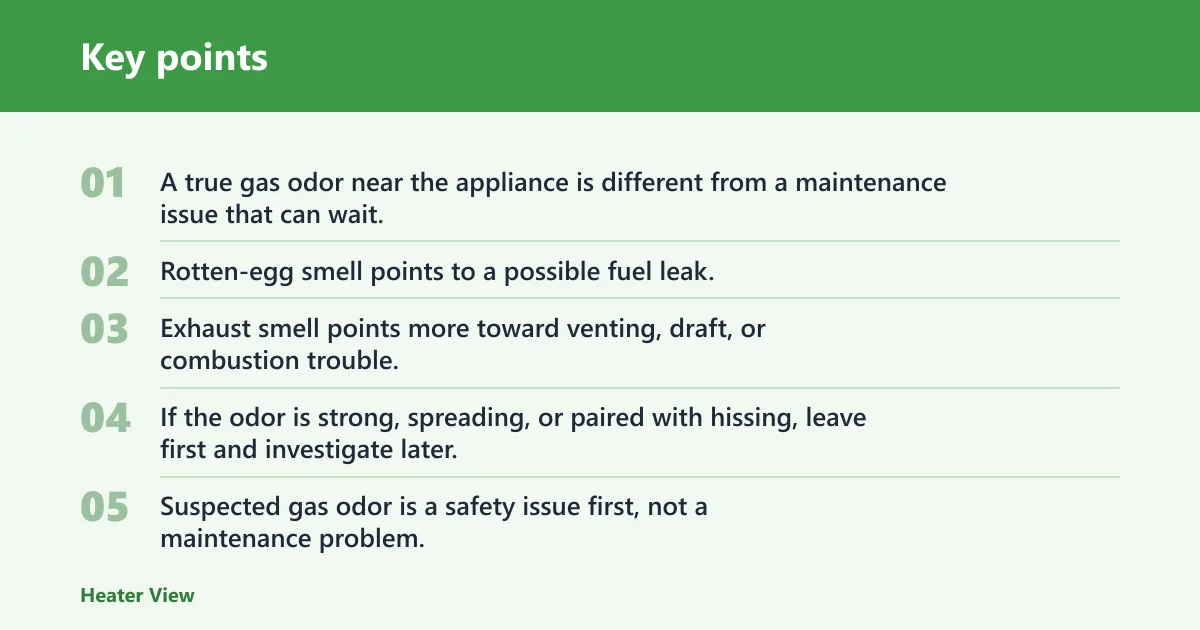


A true gas odor near the appliance is different from a maintenance issue that can wait. Rotten-egg smell points to a possible fuel leak. Exhaust smell points more toward venting, draft, or combustion trouble. If the odor is strong, spreading, or paired with hissing, leave first and investigate later.
Odor triage checklist
| Symptom | Likely cause | Immediate action | Who to call |
|---|---|---|---|
| Rotten-egg smell near the tank or piping | Possible gas leak at the supply valve, connection, or control area | Shut off the gas if you can do so safely, leave the area, avoid switches and flames | Gas utility or 911 |
| Exhaust smell or hot combustion odor | Venting problem, weak draft, or backdrafting | Stop using the water heater and leave the area; do not treat ventilation as the fix | Licensed technician or gas utility if the smell is strong |
| Intermittent pilot issues | Pilot, igniter, or flame-sensing problem | Do not relight repeatedly if odor is present; isolate the unit | Licensed technician |
| Burner soot or yellow flame signs | Burner wear, dirt, poor combustion air, or vent restriction | Shut the unit down and keep clear until inspected | Licensed technician |
| After-service odor persistence | Loose connection, incomplete purge, or lingering venting fault | Stop using the appliance if the odor returns after the area clears | Service company and gas utility if the smell resembles gas |
Suspected gas odor is a safety issue first, not a maintenance problem. The right response is to isolate the appliance, leave the area, and call for help if the smell is strong or keeps returning. Routine service comes later, after the source has been cleared and the area is safe to enter again.
What should you check first when you smell gas?
Start with isolation and leaving the area. If the odor is strong, shut off the gas supply valve only if you can reach it safely, then leave. Do not light matches, flip switches, or try to “air it out” as a fix. If the smell persists outside or returns quickly, call the gas company first.
Gas supply valve and safe isolation
- Find the shutoff. Locate the gas supply valve on the line leading to the water heater before an emergency happens, so you are not searching for it during a smell event. The handle should be easy to reach without leaning over the burner area.
- Shut it off if safe. Turn the valve to the closed position only if you can do it without entering a heavy odor cloud. This step isolates the appliance and can reduce the amount of gas entering the room.
- Leave and report. Move out of the space and call the gas utility or emergency services if the odor is strong or growing. Do not restart the heater until the source is identified and cleared.
Ventilation can help reduce buildup while people leave, but it is not the remedy for a possible leak. Opening a closet door or window does not make the appliance safe. The priority is to stop exposure, leave the space, and get the proper responder involved before any inspection or restart.
Suppose a utility closet may hold a 40-gallon gas water heater and the smell appears only when the burner fires. That pattern may still be a leak, but it can also point to ignition or venting trouble. The first move stays the same: shut down, clear the area, and call for help if the odor is gas-like.
What do burner, pilot, and ignition problems look like?
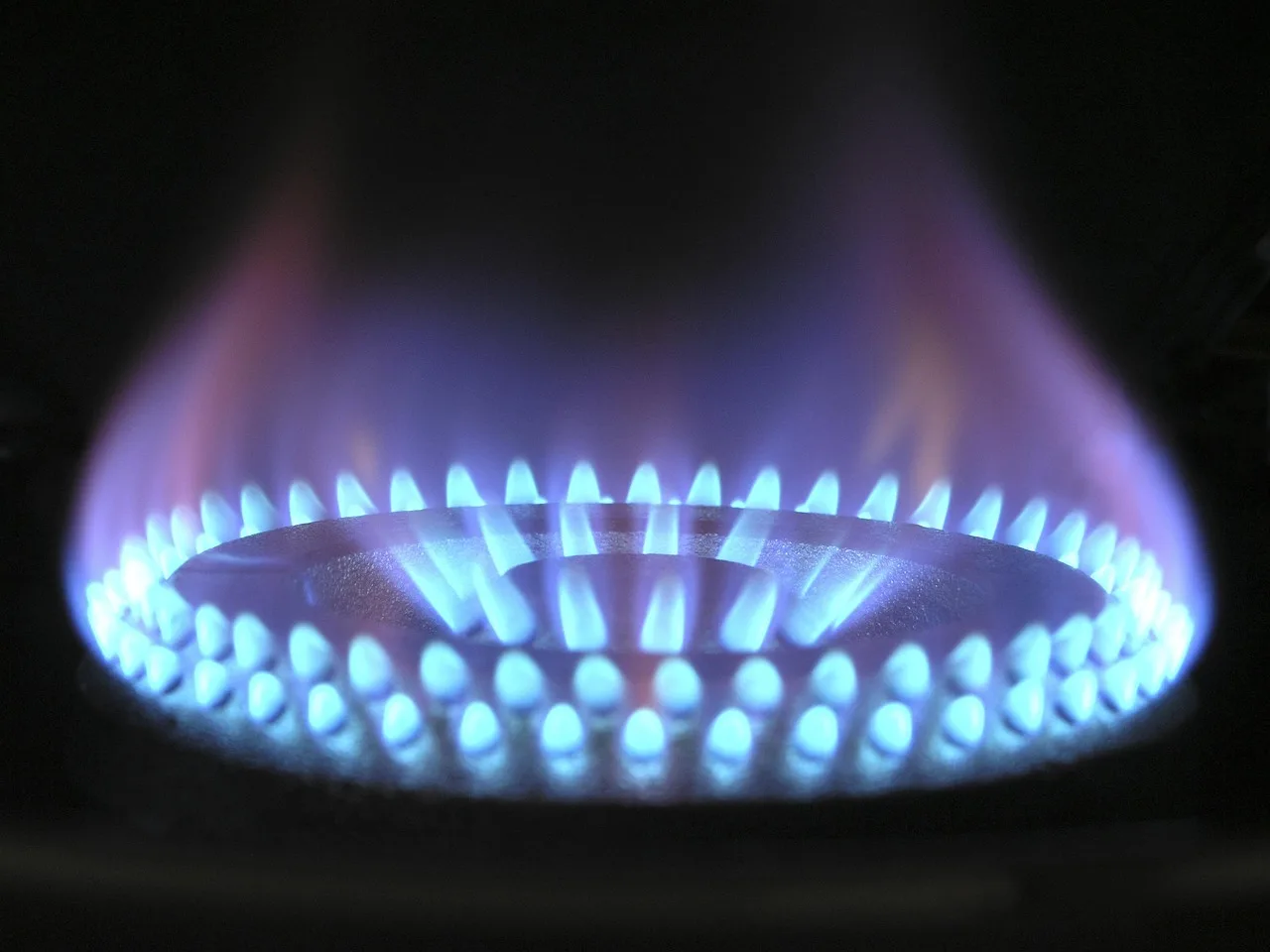
The burner and ignition system can create odor signals that feel like a gas leak, even when the root problem is combustion quality. A dirty burner, weak flame, failed ignition, or poor air supply can leave unburned gas, soot, or exhaust smells. Those are service issues, but they still need prompt attention after the area is safe.
Gas water heater burner condition and flame stability
A healthy burner should light cleanly and burn steadily. Signs of wear include uneven flame, delayed ignition, soot, or a flame that lifts, flickers, or goes out. Dirty burner ports and weak ignition can hurt efficiency and increase odor complaints because combustion becomes less complete.
Burner cleanliness matters more than many homeowners expect. When debris or rust alters the flame pattern, the unit can waste fuel and create odor that smells stale or smoky rather than like a raw leak. That is a maintenance problem, but it still needs professional correction if the burner area is involved.
- Look for uneven flame, lifting, flickering, or delayed lighting.
- Watch for soot or dark residue around the burner compartment.
- Note recurring odor only during firing, which can indicate combustion trouble.
Pilot light or ignition system problems
An unlit pilot or an ignition system that cycles on and off can leave a brief gas odor near the appliance. If that odor happens during repeated restart attempts, stop trying to relight it. Intermittent operation is a clue that the system needs inspection, not repeated ignition attempts.
Combustion air intake clearance
The burner needs combustion air. If stored items, dust, a louvered door, or a blocked intake restrict airflow, the heater may struggle to ignite cleanly and may smell off during firing. Clearance around the appliance helps the burner mix gas and air in the right proportion.
- Keep the lower grille and intake area clear of boxes, dust, and storage.
- Check for doors or panels that block airflow to the burner compartment.
- Look for odor that appears during burner cycles rather than continuously.
Picture a water heater in a tight closet with boxes pushed against the lower grille. The flame may still light, but the smell after each cycle can point to restricted air intake or poor draft. Clearing the intake does not repair a gas leak, yet it can remove one common service fault.
How do venting and carbon monoxide problems show up?
Vent problems need a safety inspection because exhaust smell, poor draft, or backdrafting can carry carbon monoxide risk. If the heater smells like hot combustion gases rather than raw fuel, focus on airflow and vent condition. Do not assume the odor is harmless because the unit still makes hot water.
Proper airflow and draft performance
The venting system should move exhaust out of the home. Good draft pulls combustion byproducts away from the appliance and into the vent path. If draft is weak, interrupted, or reversed, the room can pick up a burnt smell, and the heater may run less efficiently.
- Check whether the smell appears when the burner runs and fades when it stops.
- Watch for a smoky, hot, or exhaust-like odor instead of a raw gas smell.
- Treat weak draft or backdrafting as a safety concern, not a ventilation problem to work around.
Blockage risks in the venting system
Blockage can come from loose joints, corrosion, bird nests, debris, or a damaged flue. Any restriction can hold exhaust in the appliance area instead of carrying it outside. That is why vent inspection belongs early in odor troubleshooting, especially if the smell appears while the burner is running.
Why vent issues need a safety inspection
Vent faults are not the same as routine cleaning. They can create carbon monoxide concerns, so they deserve a safety-focused inspection rather than a casual look. If the heater is older, the vent run is long, or the smell returns after service, the vent path should be checked by a qualified technician.
- Inspect for loose vent joints or damaged flue sections after the area is cleared.
- Check for nests, debris, or corrosion inside the vent path.
- Stop using the heater if exhaust odor or backdrafting returns.
What tank, valve, and sediment checks matter after the area is safe?
Once the area is safe and venting concerns are not immediate, maintenance items inside the tank can explain noise, efficiency loss, or recurring service complaints. These checks do not replace leak testing. They help separate wear-related issues from a true gas odor emergency.
Sediment buildup and drain-and-flush relevance
Sediment can settle in the bottom of the tank and cause popping or rumbling sounds. It can quietly reduce efficiency and raise costs, and the drain-and-flush step removes that buildup from the tank bottom. This service also helps reduce tank stress from overheating at the bottom of the vessel.
- Listen for tank noise. Rumbling, crackling, or popping during recovery often points to sediment. Those sounds matter because they can come before bigger efficiency loss.
- Schedule a flush. A drain-and-flush service removes settled debris from the tank bottom. This is maintenance, not a fix for a gas leak, but it can stop noise and reduce strain on the heater.
- Check the water quality pattern. Hard-water homes often see sediment faster, so recurring flush needs are common in those areas. The point is not to guess; it is to match the service interval to the water conditions.
Temperature-pressure relief valve function
The temperature-pressure relief valve is a safety device that opens if pressure or temperature rises too far, then releases water to protect the tank. A maintenance checklist may call for shutting off gas before inspecting the valve, and a valve that does not open when it should should be replaced rather than coaxed back into service.
Trip testing should be handled carefully and only when the appliance instructions allow it. If the valve sticks, leaks after reset, or fails to open when tested, replacement is the safer path. A bad valve is a safety issue, not a nuisance drip.
- Look for dripping, sticking, or signs the valve does not return properly.
- Do not use a failing T&P valve as if it were a normal drain point.
- Replace a valve that leaks after reset or does not operate correctly.
Anode rod inspection and corrosion signs
The anode rod protects the tank from corrosion by sacrificing itself first. Its lifespan can range from 3 to 5 years, though water quality can shorten that. Look for pitting, heavy wear, or a rod that is mostly consumed when the heater is opened for service.
Technicians also check the anode rod, T&P valve, thermostat, and connections on tank units. That is the right scope for service because corrosion and failing protection can shorten the life of the heater, and neglect can shorten a water heater’s lifespan to only a few years.
- Inspect for visible corrosion around fittings and top connections.
- Note whether the rod is heavily worn when the tank is opened for service.
- Treat repeated corrosion as a reason for deeper inspection, not a cosmetic issue.
Can maintenance fix the odor?
Sometimes, yes. Maintenance can resolve odor tied to sediment, a dirty burner, weak ignition, blocked intake air, or a venting fault that has not damaged the appliance. It can also clear after-service odors that come from disturbed dust or a brief purge, as long as the smell does not return or turn into a raw gas odor.
Recurring odor points to a leak or vent fault when the smell is unmistakably gas-like, when it returns after the area is cleared, or when it appears with soot, rust, hissing, or a failed pilot. In that case, maintenance alone is not enough. The priority is diagnosis by the gas utility or a licensed technician.
Annual service is a common recommendation, and a full maintenance visit can take about 60 to 90 minutes. That timing fits a thorough inspection of burners, vents, valves, sediment, and safety parts, but it should not be used to delay an odor response.
Do maintenance tasks differ by unit type?
Yes. Tank units usually call for flushing, component inspection, and checks of the anode rod, T&P valve, thermostat, and connections. Tankless units need descaling plus checks of ignition and sensors. The central idea stays the same: service the parts that affect safe combustion and heat transfer.
Frequently asked questions
Why does my gas water heater smell like gas?
It may smell like gas because of a leak at the supply valve, connection, or control area. It can also smell odd from ignition trouble, burner issues, or venting faults. The key is to separate a raw rotten-egg odor from exhaust or smoky combustion smell before you continue any checks.
Is a gas smell from a water heater dangerous?
Yes. A strong gas smell can mean a leak, and that creates fire risk. Even when the odor is more like exhaust, venting problems can raise carbon monoxide concern. If the smell is strong or persistent, leave the area and call the gas utility or 911 first.
What parts are inspected during gas water heater maintenance?
Common checks include the burner, venting system, gas supply valve, temperature-pressure relief valve, sediment buildup, anode rod, thermostat, and ignition or pilot parts. The technician also looks at connections and signs of corrosion. Those items help separate normal wear from a safety issue.
How often should a gas water heater be serviced?
Annual service is a common recommendation, and one guide describes regular maintenance as yearly. Homes with hard water, older units, or recurring odor complaints may need attention sooner. If the heater makes rumbling noises, smells unusual, or shows soot, do not wait for the next routine visit.
Can sediment or burner issues cause a gas smell?
Yes, but the smell may not be a true gas leak. Sediment can cause popping and efficiency loss, while a dirty or unstable burner can create soot, delayed ignition, or a smoky odor. If the smell is clearly rotten-egg gas, treat it as a leak first, not a maintenance issue.
Do I need a plumber or gas company for a water heater odor?
Call the gas company first if the odor is strong, spreading, or clearly like natural gas. Call a plumber or licensed technician for burner, vent, ignition, sediment, or corrosion problems after the area is safe. If you are unsure, start with the gas utility and follow their direction.