Are All Block Heaters the Same Size? Exploring the Truth Behind Engine Warmers
Hey there! If you’re wondering, “Are all block heaters the same size?” you’re not alone. I’ve asked this myself while digging into ways to keep my car’s engine warm during those brutal winter mornings. The short answer? No, block heaters aren’t all the same size. They vary based on your vehicle’s engine, make, and model. Let me share what I’ve learned from my deep dive into engine block heaters, so you can pick the right one for your ride.
If running cost or sizing is part of the decision, Do Block Heaters Make Noise While Running explains the numbers from a related angle.
Understanding What a Block Heater Is
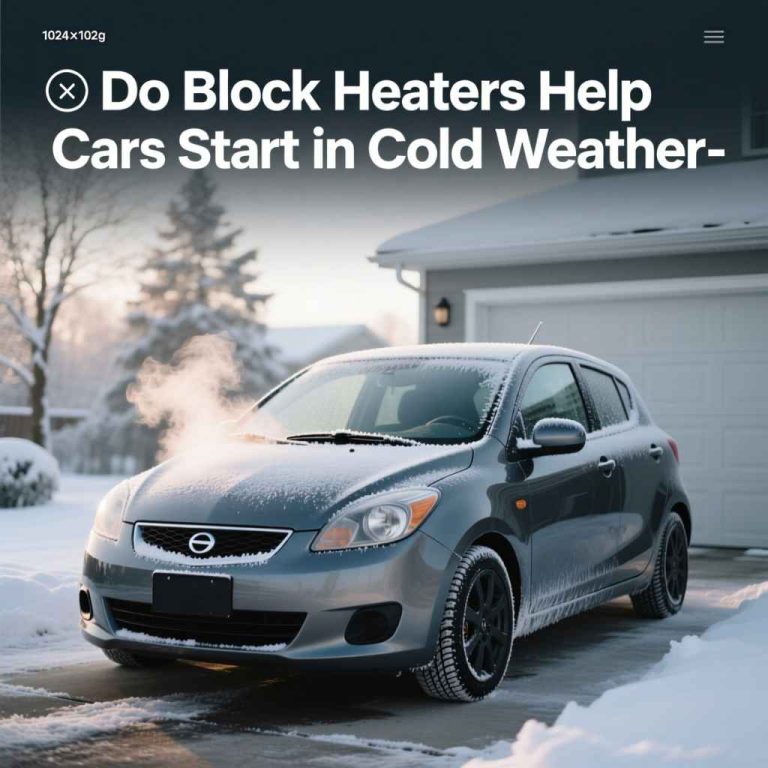
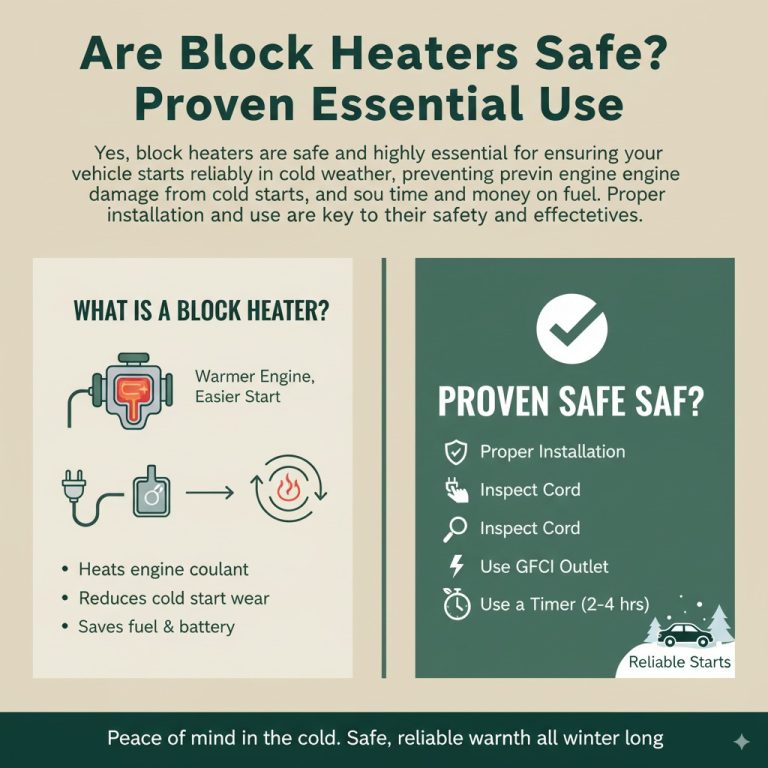
Let’s start with the basics. A block heater is a small device that warms up your car’s engine in cold weather. It’s a lifesaver in places like Minnesota or Michigan, where temperatures drop below freezing. When I first moved to a colder state, my car struggled to start on icy mornings. That’s when I discovered the magic of engine block heaters.
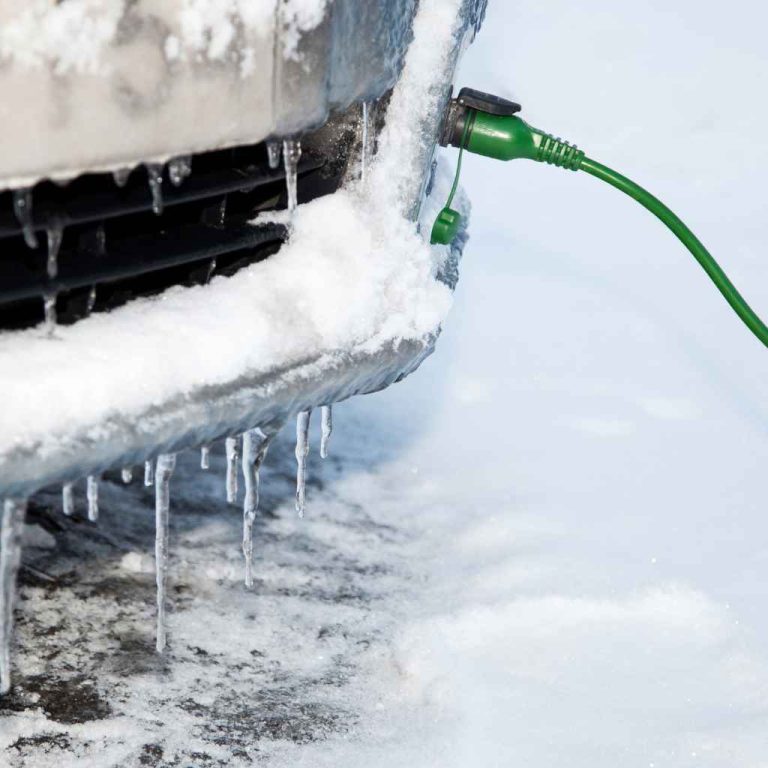
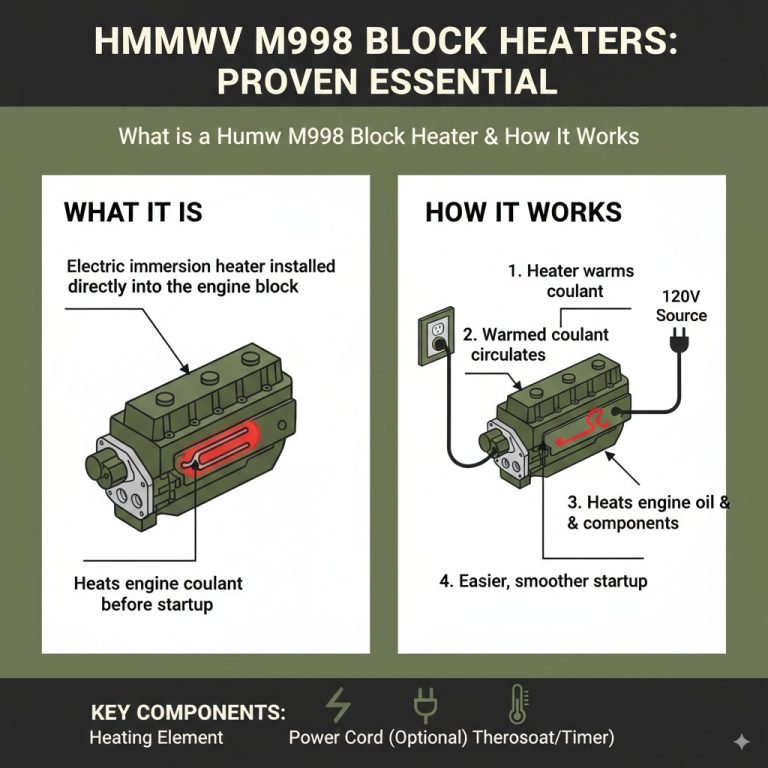
These devices plug into a power outlet and heat the coolant in your engine. Warm coolant means your engine starts easier, runs smoother, and warms up faster. Plus, it reduces wear and tear on your engine. But here’s the thing: not every car heater is designed the same way. They come in different types, sizes, and shapes to fit specific engines.
Why Block Heater Sizes Vary
I used to think one block heater could fit any car. Boy, was I wrong! After researching and chatting with mechanics, I learned that block heater sizes depend on several factors. Your engine’s design plays a big role. For example, a compact sedan like a Honda Civic has a smaller engine than a heavy-duty truck like a Ford F-250. Naturally, their engine block heaters are different.
Manufacturers design block heaters to fit specific engine blocks. The engine block is the metal housing that holds your engine’s components. Each car model has a unique engine block, so the heater’s size, shape, and installation method vary. I’ve seen block heaters as small as a few inches for compact cars and larger ones for diesel trucks.
Another factor is the type of block heater. Some are installed in the freeze plug (a small plug in the engine block), while others are external or inline heaters. Each type has its own size and shape to match the engine’s setup.
Types of Block Heaters and Their Sizes
When I started exploring block heaters, I was surprised by how many types exist. Each type has a different size and purpose. Let me break it down for you:
- Freeze Plug Heaters: These are the most common. They replace a freeze plug in the engine block. Their size depends on the freeze plug’s diameter, which varies by engine. For example, a 4-cylinder engine might need a 1.5-inch heater, while a V8 might need a 2-inch one.
- Inline Coolant Heaters: These attach to the coolant hoses. They’re usually bigger because they need to heat the coolant as it flows. I’ve seen inline heaters ranging from 6 to 12 inches long, depending on the vehicle.
- External Pad Heaters: These stick to the outside of the engine or oil pan. They’re flat and compact, often 4×6 inches or smaller. I like these because they’re easier to install, but they’re not as common for larger engines.
- Circulating Tank Heaters: These are bulkier and used in big diesel engines, like those in trucks or heavy machinery. They can be as large as a small shoebox to handle the extra coolant volume.
Here’s a quick table to show how sizes differ:
| Block Heater Type | Typical Size | Best For |
|---|---|---|
| Freeze Plug Heater | 1-2 inches in diameter | Most cars and light trucks |
| Inline Coolant Heater | 6-12 inches long | Mid-size vehicles, SUVs |
| External Pad Heater | 4×6 inches or smaller | Smaller engines, easy installs |
| Circulating Tank Heater | 8-12 inches (box-like) | Diesel trucks, heavy machinery |
This table helped me visualize why one block heater won’t fit every vehicle. It’s all about matching the heater to your engine’s specs.
How to Find the Right Size Block Heater for Your Vehicle
When I needed a block heater for my old Subaru, I was overwhelmed by the options. Here’s what I learned about picking the right size. First, check your vehicle’s make, model, and year. This is crucial because even the same car model can have different engines across years. For example, a 2015 Ford F-150 might have a 3.5L V6 or a 5.0L V8, and each needs a different engine block heater.
Next, look at your engine type—gasoline or diesel. Diesel engines often need larger heaters because they have bigger engine blocks and more coolant. I once helped a friend with a diesel Ram truck, and its block heater was twice the size of the one in my sedan.
You can find the right size by checking your owner’s manual or contacting your car’s manufacturer. I also recommend visiting an auto parts store or checking online retailers like Amazon or AutoZone. They often have compatibility charts. For example, when I searched for a car heater for my Subaru, I found a specific model number (like Kat’s 1160) that fit my 2.5L engine perfectly.
Pro tip: If you’re unsure, ask a mechanic. I took my car to a local shop, and they confirmed the exact size and type in minutes. It saved me from buying the wrong one.
Common Misconceptions About Block Heater Sizes
I’ve heard plenty of myths about block heaters over the years. Let’s clear up a few. Some folks think all block heaters are universal. Nope! As I mentioned, they’re designed for specific engines. Buying a one-size-fits-all heater is a recipe for trouble—it might not fit or heat effectively.
Another misconception is that size doesn’t matter as long as the heater works. Wrong again. A heater that’s too small won’t warm the engine enough, and one that’s too big won’t fit properly. I learned this the hard way when I tried installing a mismatched engine block heater on an old Jeep. It was a headache to return.
Lastly, some people believe only diesel vehicles need block heaters. While diesels benefit a lot, gasoline engines in cold climates also perform better with a car heater. I’ve used one on my gas-powered Subaru for years, and it’s made winter mornings so much easier.
Installation and Size Considerations
Installing a block heater can be tricky, and size plays a big role. When I installed one on my car, I had to make sure it matched the freeze plug’s size exactly. If it’s too big or small, it won’t seal properly, and you’ll get leaks. Trust me, coolant leaks in winter are no fun.
Freeze plug heaters require removing a plug from the engine block, which can be a tight fit. I needed a wrench and some patience to get it right. Inline heaters are easier since they connect to hoses, but their size means you need enough space under the hood. External pad heaters are the simplest—just stick them on—but they’re less effective for larger engines.
If you’re not handy with tools, I’d suggest getting a professional to install it. My local mechanic charged about $100, and it was worth every penny for a perfect fit.
Benefits of Using the Right Size Block Heater
Using the correct block heater size makes a huge difference. Here’s why I’m such a fan. First, it ensures efficient heating. A properly sized heater warms the coolant evenly, so your engine starts smoothly. I noticed my car’s heater kicked in faster after I got the right size.
Second, it saves energy. A heater that’s too big uses more electricity than needed, and one that’s too small works overtime without doing the job. My electric bill stayed reasonable with a well-fitted engine block heater.
Finally, it protects your engine. Cold starts can wear out your engine over time. A correctly sized car heater reduces that stress, so your vehicle lasts longer. My Subaru’s still running strong after five winters with a block heater.
Where to Buy the Right Block Heater
Finding the right block heater took me some trial and error. I started with online stores like Amazon, where you can filter by vehicle make and model. Brands like Kat’s and Zerostart are popular and reliable. I ended up buying a Kat’s freeze plug heater for about $40, and it’s been great.
Auto parts stores like AutoZone or NAPA are also good options. They often have staff who can help you find the right size. If you prefer shopping locally, check with your dealership. I visited my Subaru dealer, and they had OEM block heaters designed specifically for my car.
Maintenance Tips for Your Block Heater
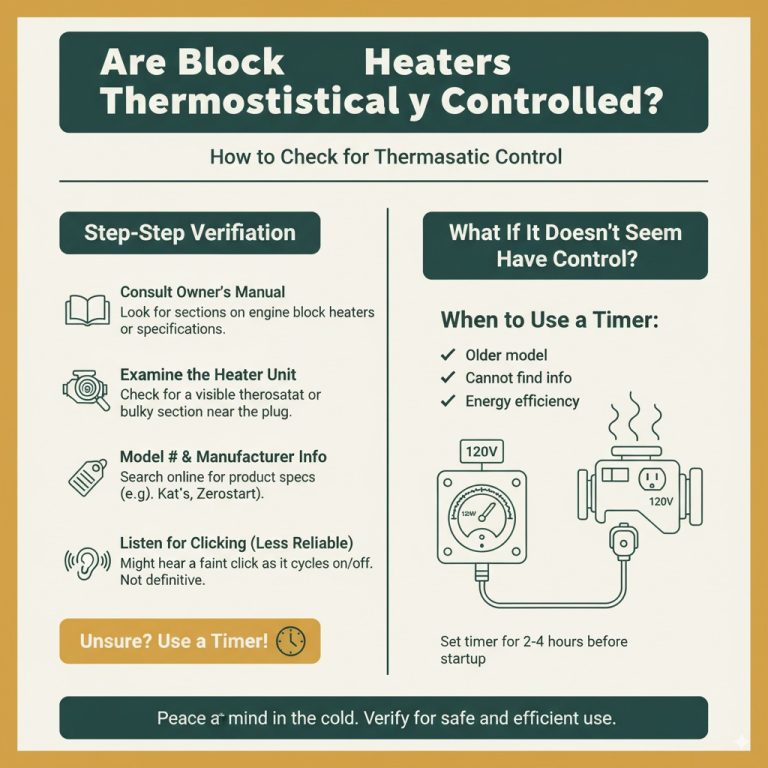
Once you’ve got the right block heater, taking care of it is easy. I check my heater’s cord every fall for cracks or fraying. A damaged cord can be dangerous, so I replace it if it looks worn. Also, make sure the plug is clean and dry before plugging it in.
For freeze plug heaters, I occasionally check for coolant leaks around the installation point. Inline heaters need a quick look at the hose connections. I also unplug my heater when it’s not in use to save electricity and prevent wear.
Conclusion
So, are all block heaters the same size? Definitely not! After exploring this topic, I’ve learned that engine block heaters come in various sizes and types to suit specific vehicles. From freeze plug heaters to external pads, each has a unique role in keeping your engine warm. Picking the right size is key to efficient heating, energy savings, and engine protection. Whether you drive a compact car or a diesel truck, there’s a car heater out there for you. I hope my journey through the world of block heaters helps you find the perfect one for your vehicle. Stay warm out there!
FAQs
Are block heaters only for diesel engines?
No, block heaters work for both diesel and gasoline engines. I use one on my gas-powered Subaru, and it helps a ton in cold weather. Diesel engines benefit more because they’re harder to start in the cold, but any vehicle in a freezing climate can use one.
Can I install a block heater myself?
Yes, you can, but it depends on your skills. I installed a freeze plug heater on my car, and it took some effort. If you’re not comfortable with tools, a mechanic can do it for about $100. It’s worth it for a proper fit.
How do I know what size block heater I need?
Check your vehicle’s make, model, year, and engine type. Your owner’s manual or a quick chat with a mechanic can help. I also use online compatibility charts from retailers like Amazon or AutoZone to find the right block heater size.
Do block heaters use a lot of electricity?
Not really. Most block heaters use 400-1500 watts, depending on the size. I plug mine in for a few hours before starting my car, and it doesn’t spike my electric bill much. A properly sized heater is more efficient, too.
Can a wrong-sized block heater damage my engine?
Yes, it can. A heater that’s too small won’t warm the engine enough, and one that’s too big might not fit right, causing leaks. I learned this when I tried a mismatched heater—stick to the right size for safety.