Can You Leave an Engine Block Heater Plugged in Overnight: Safety Tips
Have you ever wondered if it’s safe to leave your engine block heater plugged in overnight? You’re not alone.
For the safety side of the same topic, Can You Use a Torpedo Heater Indoors? Essential Safety Guide gives readers a useful next check before they use the heater.
For the safety side of the same topic, Is Deerborn Heaters Legal in Texas? Exploring Mr. Heater MH12B Safety gives readers a useful next check before they use the heater.
Many drivers ask this question, especially during cold months when keeping your engine warm feels necessary. But is it really okay to keep it on all night? Could it waste electricity or even cause damage? You’ll get clear answers to these common concerns.
By the end, you’ll know exactly how to use your engine block heater safely and efficiently, saving you money and giving you peace of mind. Keep reading to find out what experts recommend and why it matters for your car and your wallet.
Engine Block Heater Basics
Engine block heaters help cars start easier in cold weather. They keep the engine warm before you start the car. This saves battery power and reduces engine wear. Understanding how these heaters work can help you use them better.
Below are the basics of engine block heaters. Learn what they do and how they operate.
What It Does
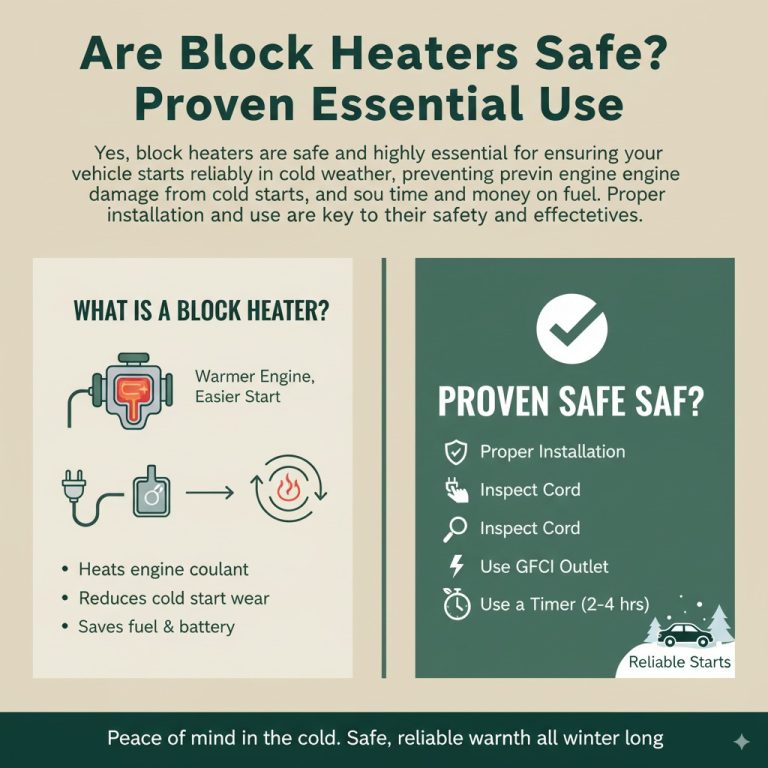
An engine block heater warms the engine coolant or oil. This raises the engine temperature before starting. Warm engines start faster and run smoother. It also reduces fuel use and emissions in cold weather. The heater helps protect engine parts from cold damage.
How It Works
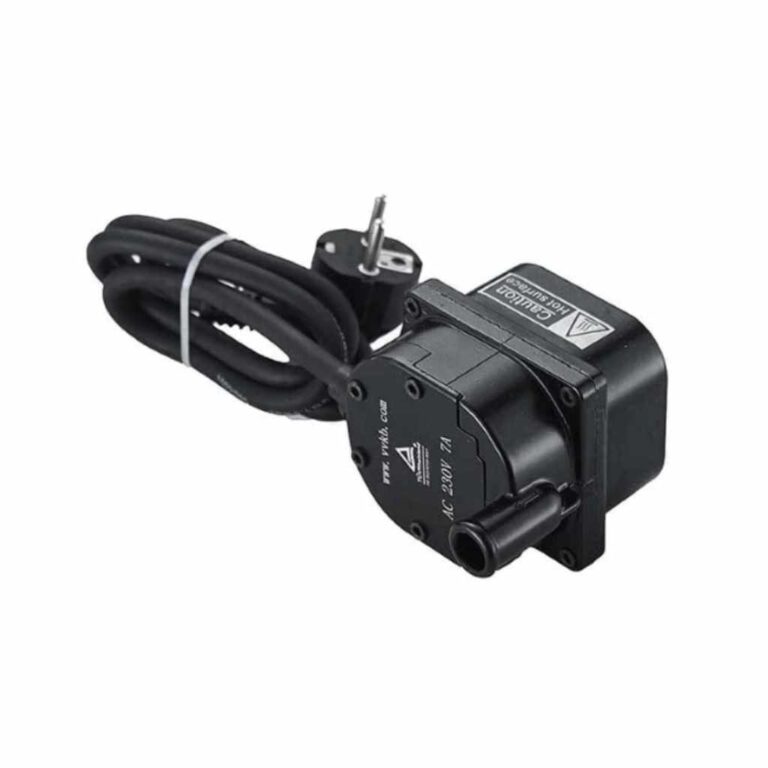
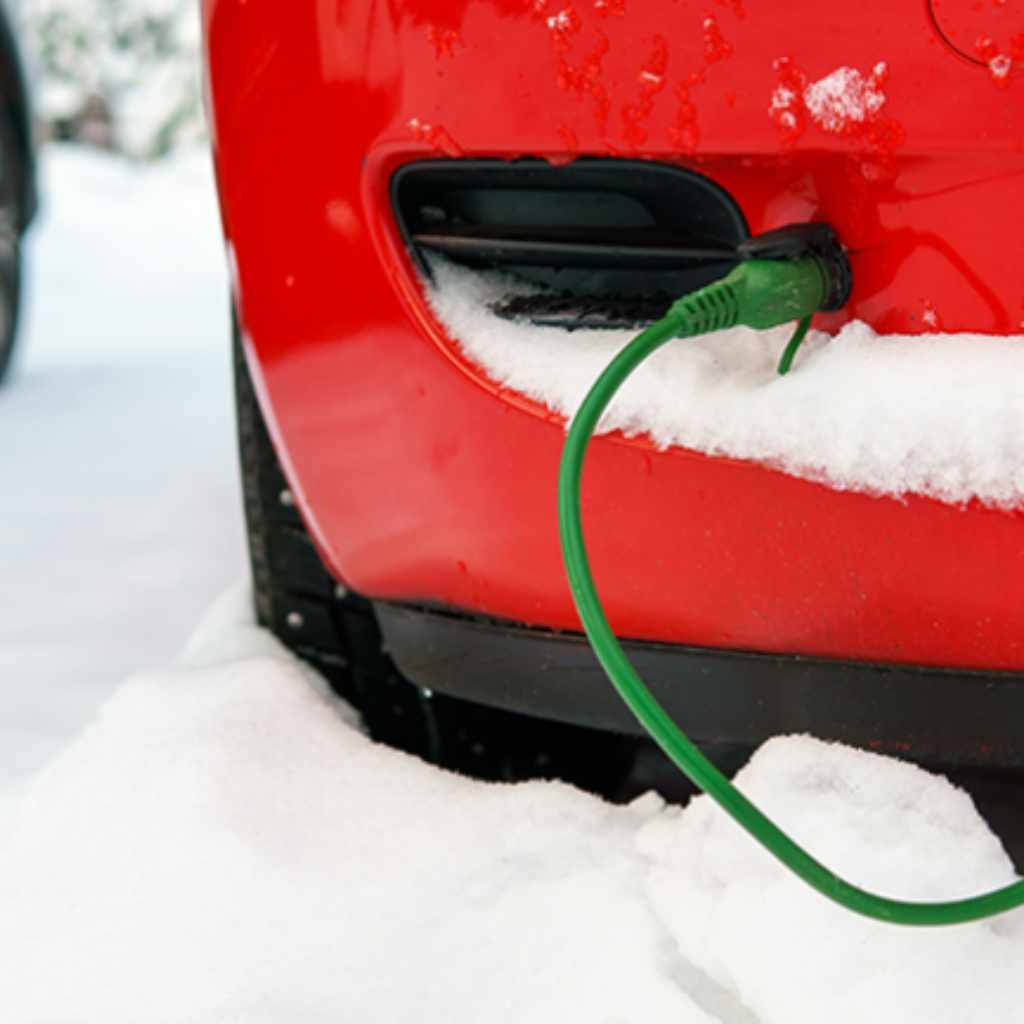
The heater plugs into a power source, usually a wall outlet. It uses electricity to heat a small element inside the engine block. The heat spreads to the engine coolant or oil. This keeps the engine warm even in freezing temperatures. Some models use a heating pad under the engine.
Overnight Use Risks
Leaving an engine block heater plugged in overnight is a common practice, especially in cold climates. Many drivers want their engines to start smoothly in the morning. Still, this habit carries some risks worth knowing. Understanding these risks helps make safer and smarter choices.
Potential Safety Hazards
Engine block heaters use electricity to warm the engine. Leaving them plugged in too long can cause overheating. Overheating may damage the heater or the engine parts. Faulty cords or plugs increase fire risks. Old or worn heaters are more dangerous. Always check your equipment before use. Never ignore signs of damage or unusual heat.
Energy Consumption Concerns
Keeping the heater on all night wastes electricity. This increases your energy bill without extra benefits. Most heaters only need a few hours to warm the engine. Running them too long uses more power than needed. Using a timer can save energy and money. Efficient use protects the environment and lowers costs.

Manufacturer Guidelines
Manufacturer guidelines provide key advice on using an engine block heater safely. These instructions help protect your vehicle and the heater itself. Following the guidelines ensures the heater works well without causing damage.
Each brand may have specific rules about usage time and safety. Reading the manual is important before plugging in the heater overnight. The guidelines also explain how long the heater can stay connected.
Recommended Usage Times
Most manufacturers suggest using the heater for 2 to 4 hours before starting the engine. Leaving it on longer is usually unnecessary. Some heaters allow overnight use, but only if the manual says so.
Using the heater beyond the recommended time can waste electricity. It might also wear out the heater faster. Shorter, timed use keeps your engine warm and saves energy.
Warranty Implications
Ignoring manufacturer instructions may void your warranty. Manufacturers need proof the heater was used correctly. Overuse or improper use can cause damage not covered by warranty.
Always follow the manual to protect your warranty rights. If unsure, contact the manufacturer for advice. Proper use ensures your heater remains effective and your warranty valid.
Safe Usage Practices
Using an engine block heater safely helps protect your engine and saves energy. Knowing the right steps keeps your heater working well and avoids damage. Follow these simple practices for safe use.
Proper Installation
Install the engine block heater according to the manufacturer’s instructions. Use a grounded outlet to prevent electrical hazards. Check the cord and plug for damage before use. Avoid using extension cords unless they are heavy-duty and rated for outdoor use. Secure the cord to prevent tripping or pulling. A properly installed heater runs efficiently and safely.
Timer And Thermostat Use
Use a timer to control how long the heater runs. Set the timer to turn on a few hours before you start the car. This saves electricity and prevents overheating. A thermostat can stop the heater once the engine reaches the right temperature. It protects the engine and reduces power use. Timers and thermostats add safety and save money.
Energy Efficiency Tips
Keeping your engine block heater plugged in overnight can waste energy. Simple steps help save power and reduce costs. These energy efficiency tips ensure your vehicle stays warm without using too much electricity. Small changes make a big difference in energy use and your electric bill.
Using Timers
Timers control when your engine block heater turns on and off. Set the timer to start heating a few hours before you need to drive. This avoids running the heater all night. Timers save electricity by limiting heater use to necessary times. They are affordable and easy to install. Using a timer helps balance warmth and energy savings effectively.
Alternative Heating Methods
Besides block heaters, other methods warm your engine. Engine blankets trap heat and keep the engine warm longer. Parking your car in a garage reduces heat loss. Battery-powered heater pads offer portable warmth without constant power. These options lower energy use and still protect your engine. Mixing methods can improve efficiency and reduce electricity bills.
Environmental Impact
Using an engine block heater affects the environment in small but important ways. These devices use electricity to keep an engine warm during cold weather. Leaving the heater plugged in overnight can increase energy use. This extra energy often comes from power plants that release carbon emissions. Understanding the environmental impact helps us make smarter choices.
Reducing Carbon Footprint
Using an engine block heater wisely lowers carbon emissions. Unplugging it once the engine is warm saves electricity. Less electricity means fewer fossil fuels burned. This action reduces air pollution and greenhouse gases. Simple habits like timing the heater use can help protect the planet.
Benefits Of Efficient Use
Efficient use of engine block heaters saves energy and money. Plugging the heater in only two to three hours before starting is enough. This short use reduces wasteful energy consumption. Efficient use decreases strain on power grids. It also supports a cleaner environment for everyone.
Frequently Asked Questions
Can I Leave My Engine Block Heater Plugged In Overnight?
Yes, most engine block heaters are designed for overnight use. Leaving it plugged in helps keep the engine warm. This reduces cold starts and engine wear in winter. However, always check your heater’s manual for specific safety guidelines.
Does Leaving A Block Heater Plugged In Waste Electricity?
Block heaters use minimal electricity, usually around 300 watts. Overnight use results in low energy consumption. This small amount is generally cost-effective compared to engine damage from cold starts. Using a timer can further reduce electricity use if desired.
Is It Safe To Leave The Block Heater Connected All Winter?
Generally, yes, if the heater is in good condition and properly installed. Using a timer or thermostat can prevent overheating. Regularly inspect the cord and plug for damage. Always follow the manufacturer’s safety instructions to avoid electrical hazards.
How Long Should I Leave The Block Heater On Before Driving?
Typically, 2-4 hours before driving is enough to warm the engine. Leaving it on overnight is safe but may not be necessary. The ideal time varies with temperature and heater type. Consult your vehicle’s manual for best practices.
Conclusion
Leaving an engine block heater plugged in overnight is usually safe. Most heaters have built-in safety features to prevent problems. Still, unplugging it when not needed saves energy and money. Always check your heater’s instructions for best advice. Using the heater properly helps your engine start easier in cold weather.
Simple steps keep your car and home safe. In the end, a little caution goes a long way. Stay warm and drive safely this winter.