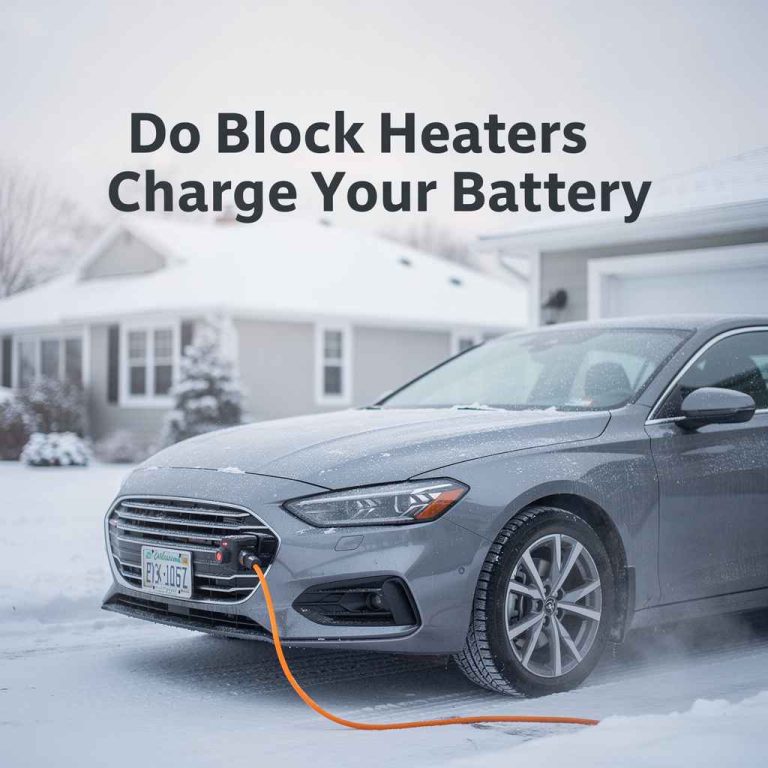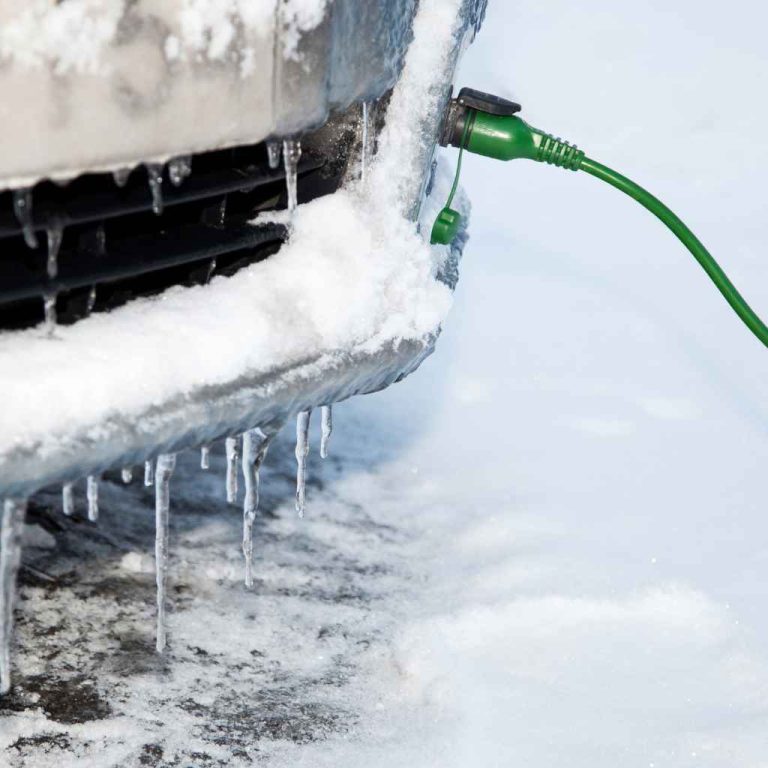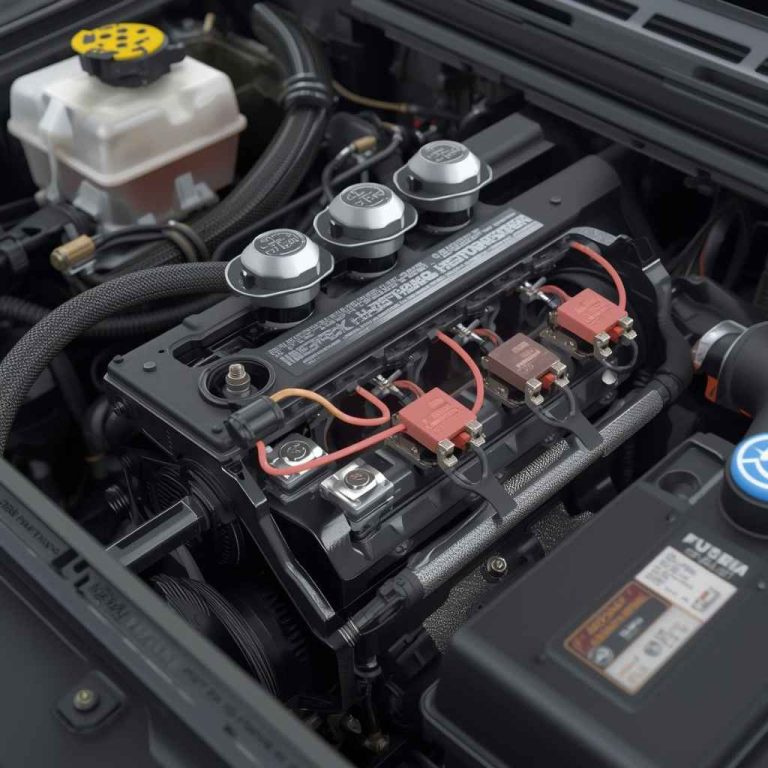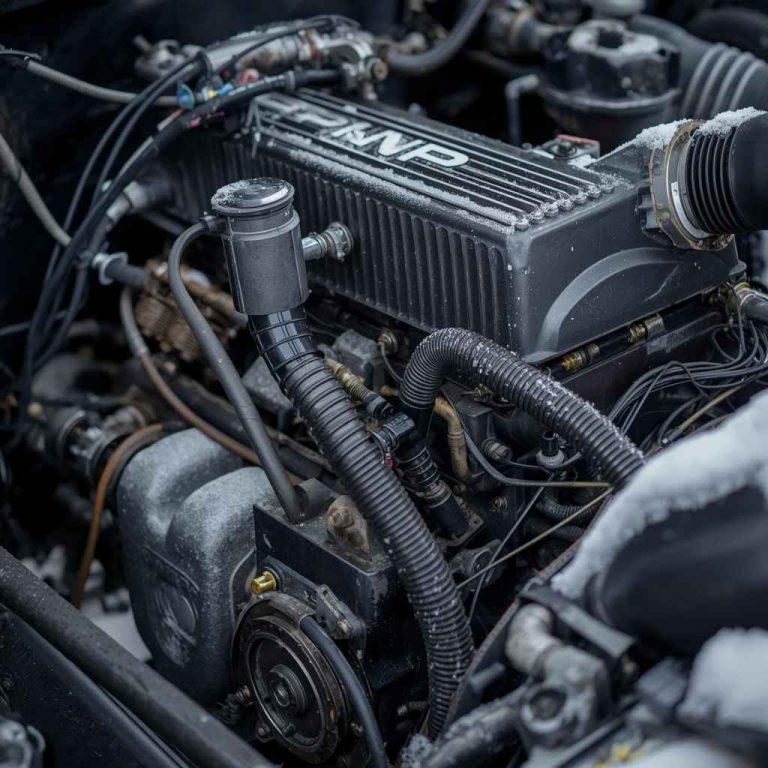
Are Block Heaters Universal? Proven Essential
Block heaters are not universally interchangeable. While many share similar principles, their compatibility depends on specific engine block designs, mounting points, and power requirements. Choosing the correct block heater ensures efficient engine warming and prevents damage, making it an essential winter tool for any vehicle owner.
Cold mornings can really be a pain, can’t they? You step outside, ready to start your day, only to find your car’s engine is as frigid as the air around it. That’s where a block heater comes in, a true hero on frosty days. But a common question pops up: are block heaters universal? Could you just grab any old one from the parts bin and plug it in? It’s a question many of us ponder, especially when the temperature plummets and we’re eager for a warm start. Many people worry about ordering the wrong part, wasting money, or worse, causing damage to their vehicle. Don’t you worry! I’m here to guide you through the often-confusing world of block heaters. We’ll break down exactly what makes them different and why choosing the right one is so crucial for keeping your engine happy and your mornings smooth. Get ready to become a block heater pro!
Understanding Your Vehicle’s Winter Needs
Before we dive deep into the nitty-gritty of block heater compatibility, let’s talk about why these devices are so important, especially if you live in a region with cold winters. Think of your engine like a person; it doesn’t love being plunged into icy temperatures without any preparation. When an engine sits exposed to freezing conditions, several things happen:
- Thicker Oil: Engine oil becomes much thicker, almost like syrup. This makes it harder for the oil pump to circulate it effectively, leading to increased wear on moving parts during startup.
- Moisture Buildup: Cold temperatures can cause condensation to form inside the engine, contaminating the oil and potentially leading to sludge.
- Battery Strain: A cold engine requires more power to crank from the battery. On top of that, batteries perform less efficiently in cold weather. This combination can severely strain your battery and lead to starting failures.
- Material Contraction: Metal parts contract in the cold, which can temporarily affect tolerances and seals.
A block heater gently warms the engine’s coolant and, by extension, the engine block itself. This not only makes starting easier but also reduces strain on the battery and lubrication system. It’s like giving your car a warm blanket and a cup of hot cocoa before a cold night!
The Role of Coolant in Engine Heating
Most common block heaters work by heating the engine’s coolant. These are often called “immersion heaters” or “circulation heaters.” Here’s how they integrate into your car’s cooling system:
- Heating Element: The heater itself is typically a metal element submerged directly into the engine’s coolant.
- Thermosiphon Effect: As the coolant near the heating element warms, it becomes less dense and rises. Cooler coolant from higher up in the engine block then sinks to take its place, creating a natural circulation. This thermosiphon effect, driven by natural convection, helps distribute the warmth throughout the coolant, gradually warming the entire engine block.
- External Circulation Pumps: Some more advanced systems may utilize small electric pumps to actively circulate the coolant, providing a more uniform and faster distribution of heat.
This circulating warmth is key to the effectiveness of a block heater. It ensures that not just one part of the engine is warm, but the whole system benefits, leading to easier starts and reduced wear.
Are Block Heaters Universal? Demystifying Compatibility
Now, let’s get to the big question: are block heaters universal? The short answer is a resounding no. While the basic concept of heating coolant is shared, block heaters are designed with specific engine configurations in mind. Here’s why universal applicability is rare:
Engine Block Design and Shape
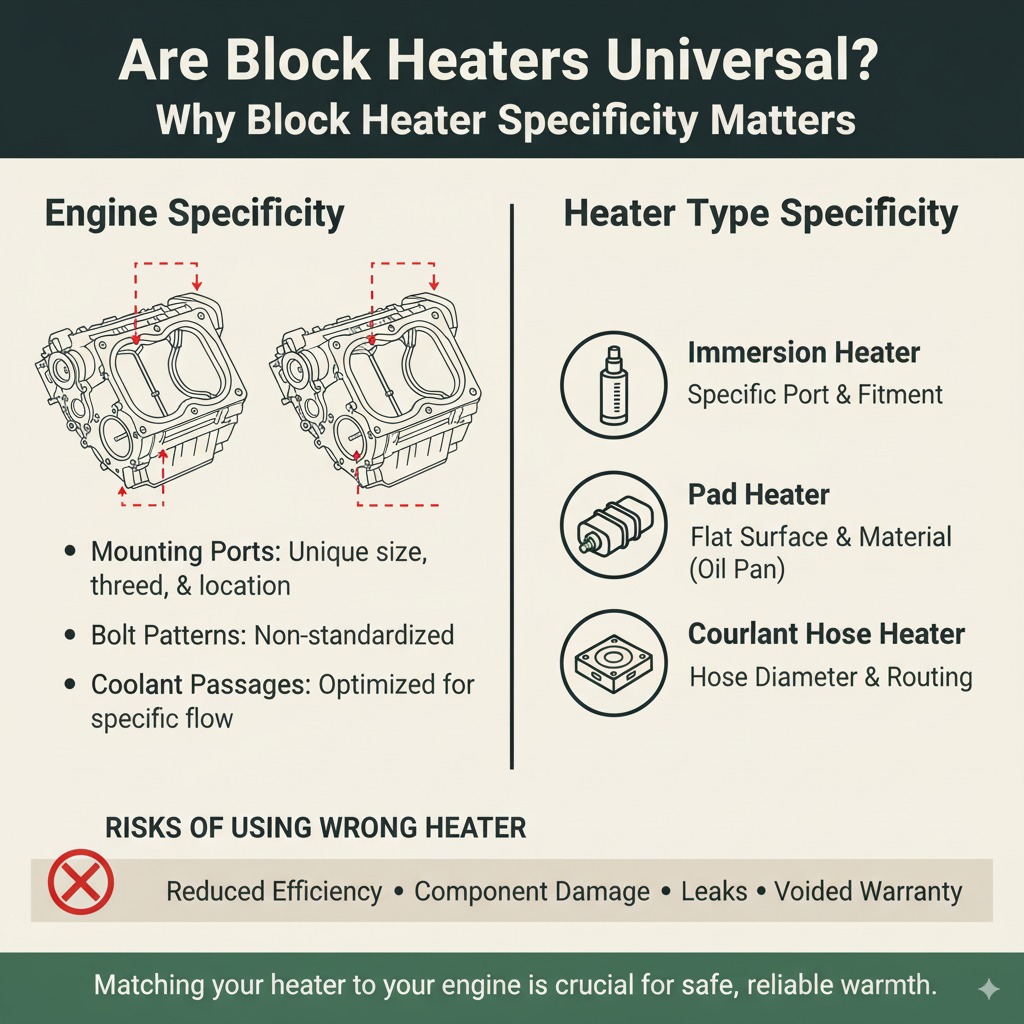
Every engine is a unique piece of engineering. The design of the engine block, including the size, shape, and location of internal coolant passages, varies significantly between different manufacturers and even different models from the same manufacturer. A block heater needs to be positioned correctly within the block to effectively heat the coolant and transfer that heat to the engine components. This often involves specific mounting ports or pockets designed into the block itself.
A heater that’s too large might not fit into the designated port. If it’s too small, it might not make proper contact with the coolant or could even become dislodged, posing a significant risk. The depth and angle of the mounting hole are also critical factors.
Mounting Ports and Bolt Patterns
The point where a block heater attaches to the engine is called a mounting port. These ports are threaded holes designed to accept the heater’s fitting. The size, thread pitch, and location of these ports are specific to the engine model.
More crucially, some heaters require bolts to secure them, and the associated bolt patterns on the engine block are not standardized. A heater designed for a Ford F-150 might have a completely different bolt pattern than one for a Honda Civic, even if both are used to heat a roughly similar-sized engine.
Coolant Passage Optimization
For immersion heaters to work efficiently, their heating element must be surrounded by coolant. The internal coolant passages within an engine block are precisely engineered to facilitate this circulation. The placement of a block heater directly impacts how well it can heat the coolant. A heater that’s installed in a location with poor coolant flow will be less effective.
Manufacturers often design specific immersion heater models for particular engine families because they know exactly where the optimal warming occurs based on these internal coolant passages. They might, for instance, recess the heating element to ensure maximum immersion in the coolant flow.
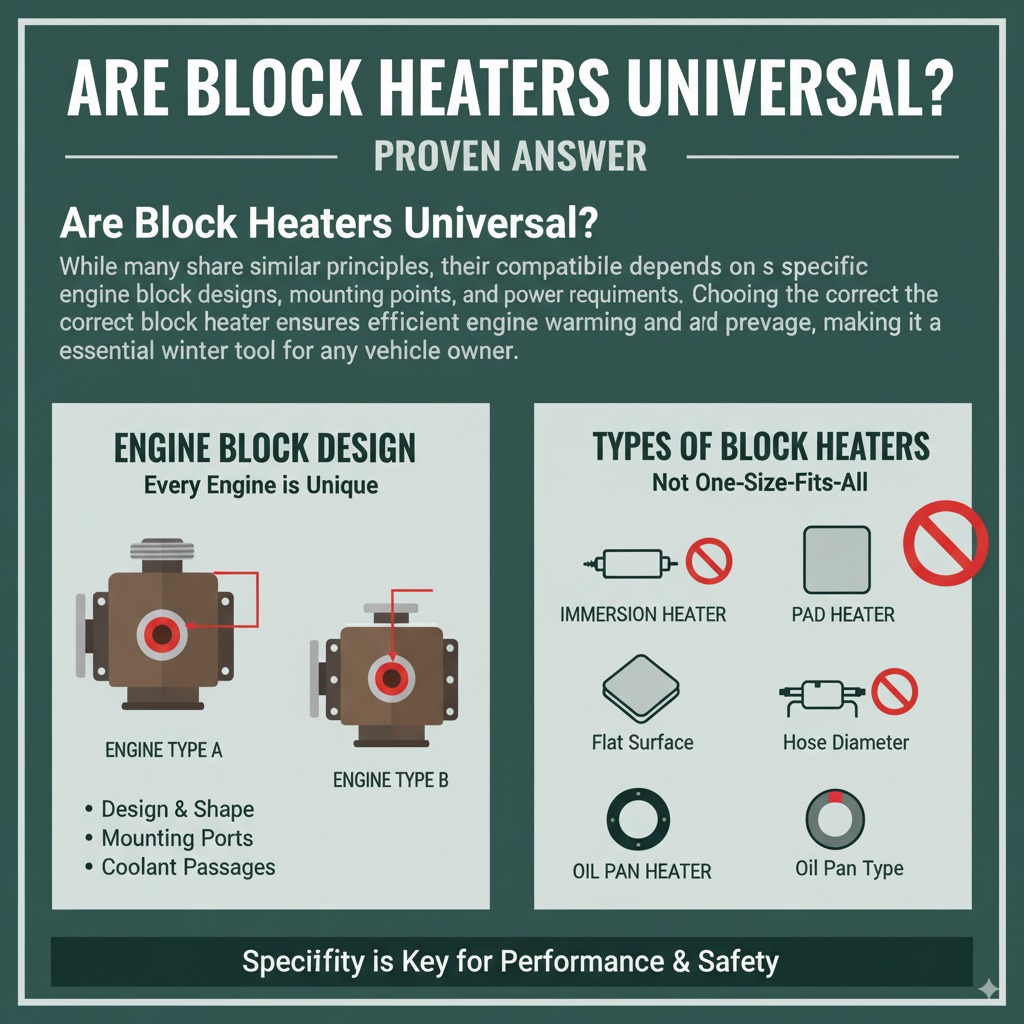
Types of Block Heaters and Their Specificity
The concept that block heaters aren’t universal is further reinforced when you look at the different types. Each has its own installation requirements and thus, its own degree of specificity.
1. Immersion (Circulation) Heaters
These are the most common type and what many people think of when they hear “block heater.” They are metal tubes, usually containing a heating element, that screw or bolt directly into a threaded port in the engine block or cylinder head.
- Pros: Most effective at warming the entire engine and coolant, leading to better-simulated conditions for cold starts.
- Cons: Require a specific threaded port for installation, which isn’t available on all engines, especially smaller or more compact ones. Installation can sometimes require draining the cooling system.
- Specificity: Highly specific to engine block design, port location, and thread type.
For example, a “frost plug” type immersion heater is designed to replace a freeze plug in the engine block. These are very specific to the size and diameter of the freeze plug it’s meant to replace, and the port location is fixed by the engine design. A quick search on a vehicle parts website will show many different part numbers for immersion heaters, even within the same brand, highlighting this specificity.
2. Pad (Circulating) Heaters
These heaters are flat, adhesive pads that are attached to the outside of the oil pan or the engine block itself. They heat the engine oil or the surrounding block material through conduction.
- Pros: Can be installed on many engines that don’t have a suitable threaded port for immersion heaters. Generally simpler installation as no internal components are disturbed.
- Cons: Less efficient at warming the entire engine and coolant compared to immersion heaters. Primarily heats the oil in the pan.
- Specificity: Less specific in terms of engine block ports but still dependent on having a clean, flat surface of sufficient size on the engine block or oil pan for good adhesion.
These can be a good option for vehicles that lack dedicated immersion heater ports. However, their effectiveness is generally lower than immersion types. For instance, brands like Zerostart offer pad heaters that specify the amount of surface area required for proper function, indirectly showing how they aren’t universally applicable but depend on the physical layout of the engine components.
3. Coolant Heaters (Inline)
These heaters are installed inline with heater hoses. They heat the coolant as it passes through them, using the vehicle’s own water pump or relying on engine operation to circulate the coolant.
- Pros: Can be a viable option when internal engine ports are unavailable. They directly warm the coolant.
- Cons: Relies on engine operation or a dedicated pump to circulate the warmed coolant. Can be less effective than immersion heaters if natural circulation is poor. Installation involves cutting into heater hoses, which requires careful fitting.
- Specificity: Specificity comes from the hose diameter and the heater’s ability to fit within the available space without kinking hoses or creating flow restrictions.
Companies like Kat’s introduce inline heaters that need to be selected based on the diameter of your vehicle’s coolant hoses. This means you can’t just pick any inline heater; it must match your specific hose sizes for a secure and effective connection.
4. Oil Pan Heaters
Similar to pad heaters, these are typically adhesive pads or magnetic heaters that attach directly to the oil pan. Their primary function is to warm the engine oil, making it less viscous.
- Pros: Simple installation and effective at reducing oil viscosity for easier starting.
- Cons: Minimal warming of the engine block or coolant.
- Specificity: Depends on the oil pan material (ferrous metals for magnetic types) and sufficient surface area for adhesion.
While they aid in starting, they don’t provide the comprehensive engine heating that immersion heaters do. Their “universality” is limited to engines with metal oil pans of suitable size and shape.
Finding the Right Block Heater for Your Vehicle
Since block heaters aren’t universal, how do you ensure you get the right one? It’s all about targeted research and knowing your vehicle.
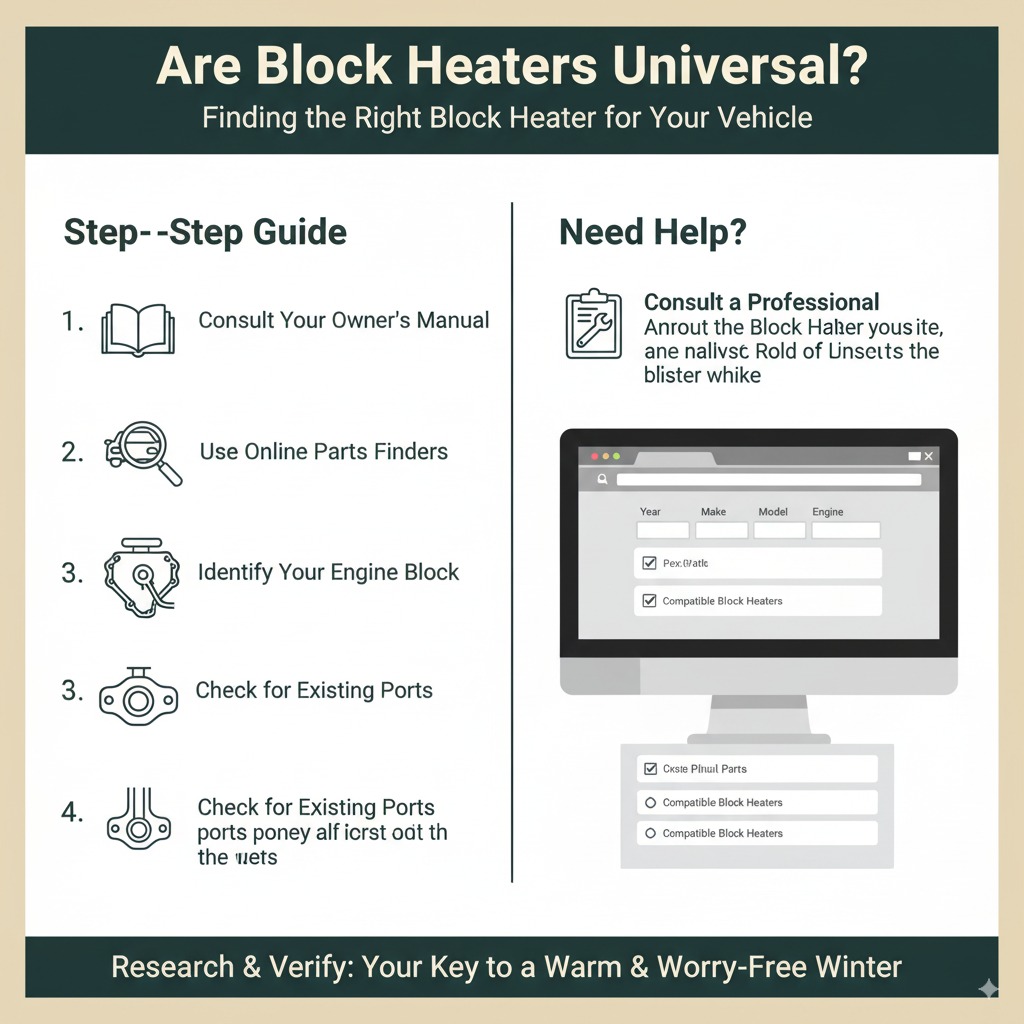
1. Consult Your Owner’s Manual
Your vehicle’s owner’s manual is the first and best resource. Look in the index for “Engine Heater,” “Block Heater,” or “Cold Weather Operation.” It might tell you if your vehicle is factory-equipped or designed for a specific type of heater, and sometimes, it will even recommend specific part numbers or types. You can often download your owner’s manual from the manufacturer’s official website if you don’t have the physical copy.
2. Use Online Parts Finders
Most reputable auto parts retailers (both online and brick-and-mortar) have excellent online tools. You simply enter your vehicle’s year, make, model, and engine size, and the system will show you compatible block heaters.
For example, when you visit a site like Pep Boys or AutoZone and use their parts lookup, you’ll see a list that’s narrowed down specifically for your car. This is a critical step to avoid ordering the wrong part. These databases are meticulously maintained and cross-referenced with manufacturer specifications.
3. Identify Your Engine Block
If you’re comfortable getting a little hands-on, identifying the specific engine in your vehicle can be very helpful. Look for an engine identification number (EIN) or a manufacturer’s plate. Knowing your engine’s exact designation (e.g., “2.0L Turbocharged Inline-4” for a particular model) allows you to research block heaters targeted to that specific engine family. This is particularly useful if your vehicle is a special edition or has had an engine swap.
4. Check for Existing Ports
Many vehicles designed for cold climates come with a factory-installed threaded port for an immersion heater, often covered by a small cap. This port is usually located on the side of the engine block. If you find one, take note of its size and thread type (if possible, though a parts finder will usually list this). This makes selecting the correct immersion heater much simpler.
5. Consult a Professional Mechanic
If you’re unsure about anything, the safest bet is to consult a qualified mechanic. They have access to comprehensive parts catalogs and extensive experience with different vehicle makes and models. They can identify the correct type and size of block heater and even offer professional installation services.
Installation Considerations
Once you’ve chosen the right block heater, installation is the next hurdle. While some are straightforward, others require more care. Understanding these differences is key.
1. Draining the Cooling System (Immersion Heaters)
When installing an immersion heater, you’ll typically need to drain at least a portion of your engine’s coolant to prevent spillage and ensure the heater is installed in an empty port. This means you’ll need:
- A suitable drain pan
- Fresh coolant (the correct type for your vehicle)
- A wrench for the drain plug
- Possibly a new gasket or sealant for the drain plug
Dispose of old coolant responsibly, as it is toxic.
2. Securing the Heater
Improper installation of an immersion heater can be dangerous. It must be screwed in tightly to create a watertight seal. If your heater uses bolts, ensure they are torqued to the manufacturer’s specifications. A leak could damage the engine and leave you stranded. Some installers use high-temperature thread sealant on the heater’s fitting, though many are designed to seal on their own through tight fitment and O-rings.
The National Highway Traffic Safety Administration (NHTSA) provides guidance on vehicle safety components, which indirectly includes ensuring that any installed devices like block heaters are secured properly to prevent detachment and potential hazards. Always follow the manufacturer’s instructions meticulously. For proper torquing, a torque wrench is often necessary.
3. Routing and Securing the Cord
The power cord for your block heater needs to be routed safely away from moving engine parts (like belts and fans) and hot exhaust components. Many kits come with grommets and clips to help secure the cord to the chassis or firewall. A common practice is to route it towards the front of the vehicle, allowing for easy access to an electrical outlet without needing to open the hood.
It’s also important to ensure the cord isn’t left dragging on the ground where it could be damaged by road debris or ice. Proper routing contributes significantly to the longevity and safety of the system.
4. Testing for Leaks
After installation and refilling the cooling system, it’s crucial to run the engine and check for any coolant leaks around the block heater fitting. Also, check other drained areas of the cooling system. Allow the engine to reach operating temperature and then shut it off. Keep an eye on the fitting area for several hours, or at least until the engine has cooled down again, as pressure changes can reveal slow leaks.
The Proven Essential: Benefits of Using a Block Heater
So, now that we’ve established they aren’t universal but specific, let’s reiterate why having the correct block heater is an undeniably essential part of winter vehicle maintenance. The benefits extend beyond just a warmer cabin.
Table: Block Heater Usage Benefits vs. Cold Starts
| Benefit | With Block Heater (Pre-warmed Engine) | Without Block Heater (Cold Engine) |
|---|---|---|
| Engine Wear | Significantly reduced. Oil circulates easily, lubricating parts immediately. | Increased. Thick oil struggles to reach critical components, causing wear. |
| Fuel Efficiency | Better. A warm engine burns fuel more efficiently from start-up. | Worse. Cold engines are notoriously inefficient until they warm up. |
| Battery Life | Less strain. Easier engine cranking reduces battery load. | Increased strain. Extended cranking in frigid conditions depletes battery power faster. |
| Emissions | Lower. A warm engine produces fewer pollutants during the initial startup phase. | Higher. Cold engines emit more unburned hydrocarbons and CO during startup. |
| Cabin Heat | Faster. The heater core warms up more quickly, providing interior warmth sooner. | Slower. It takes longer for the engine coolant to heat up enough to provide cabin heat. |
| Starting Reliability | Excellent. Reliable starts even in extreme cold. | Potentially poor. Risk of slow cranking or no start in very low temperatures. |
The data speaks for itself. While the upfront cost and installation might seem like an extra burden, the long-term savings in reduced engine wear, improved fuel economy, and enhanced reliability make a compatible block heater a truly essential investment for anyone living in or frequently visiting cold climates.
Frequently Asked Questions (FAQ)
Q1: Can I use a block heater from a different car if it looks similar?
A1: No, it’s highly unlikely to be compatible.