Are Democrats Trying to Ban Gas Heaters?
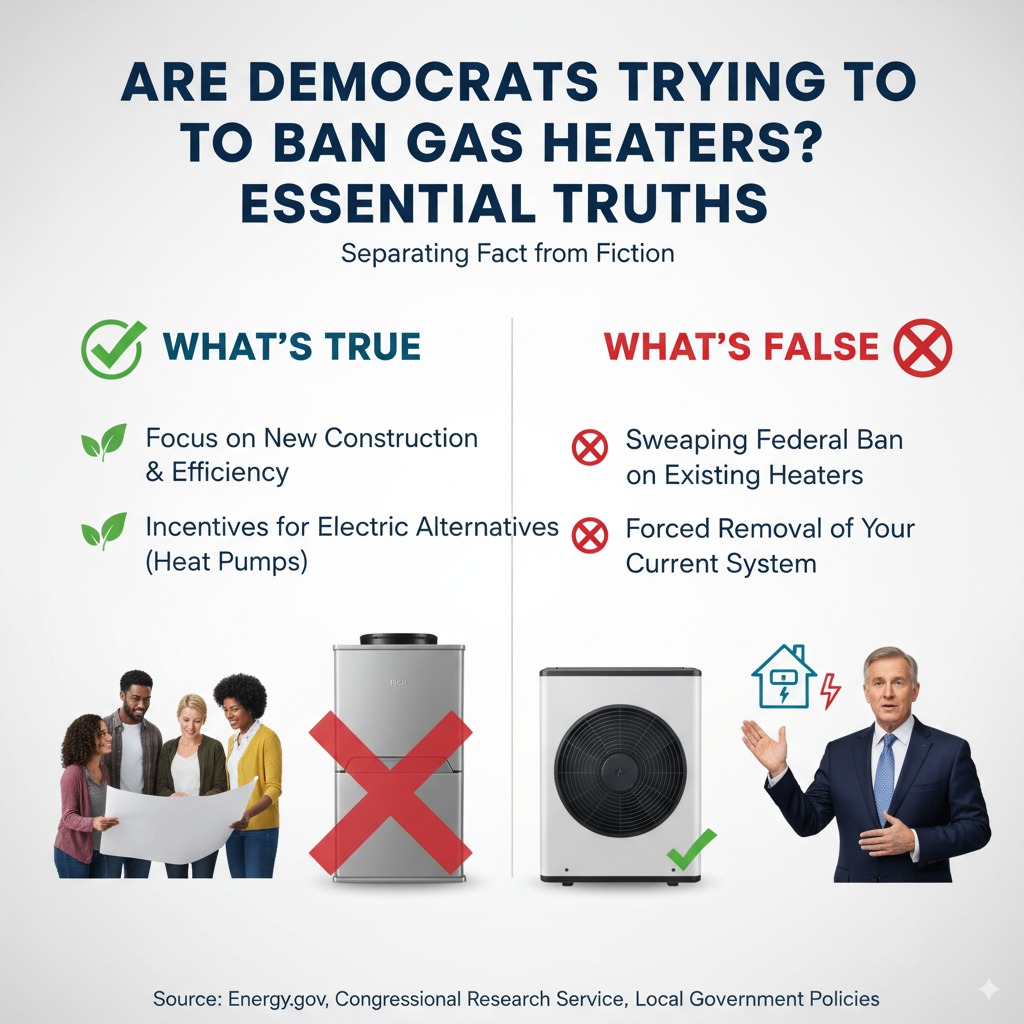
No, there is no federal effort by Democrats to outright ban gas heaters for all homes. While there are discussions about reducing natural gas use for environmental reasons and promoting cleaner alternatives, this doesn’t equate to a ban on existing or new gas heating systems. Regulations are evolving, focusing on increasing efficiency and encouraging newer technologies.
Hello there! Deciding how to keep your home warm is a big deal, and sometimes, information out there can feel a bit confusing. You might have heard whispers or seen headlines about banning gas heaters, and it can make you wonder what that really means for your cozy home. Are powerful forces at play trying to take away your comfortable heat? It’s totally natural to feel a bit uncertain when you hear things like this. I’m here to walk you through exactly what’s happening, in simple terms. We’ll break down the facts, clear up the confusion, and help you feel confident about your heating choices. Let’s start by looking at what’s really behind these conversations and what it means for you and your home. We’ll explore the real goals and what you can expect, step by step.
Understanding the Conversation Around Gas Heaters
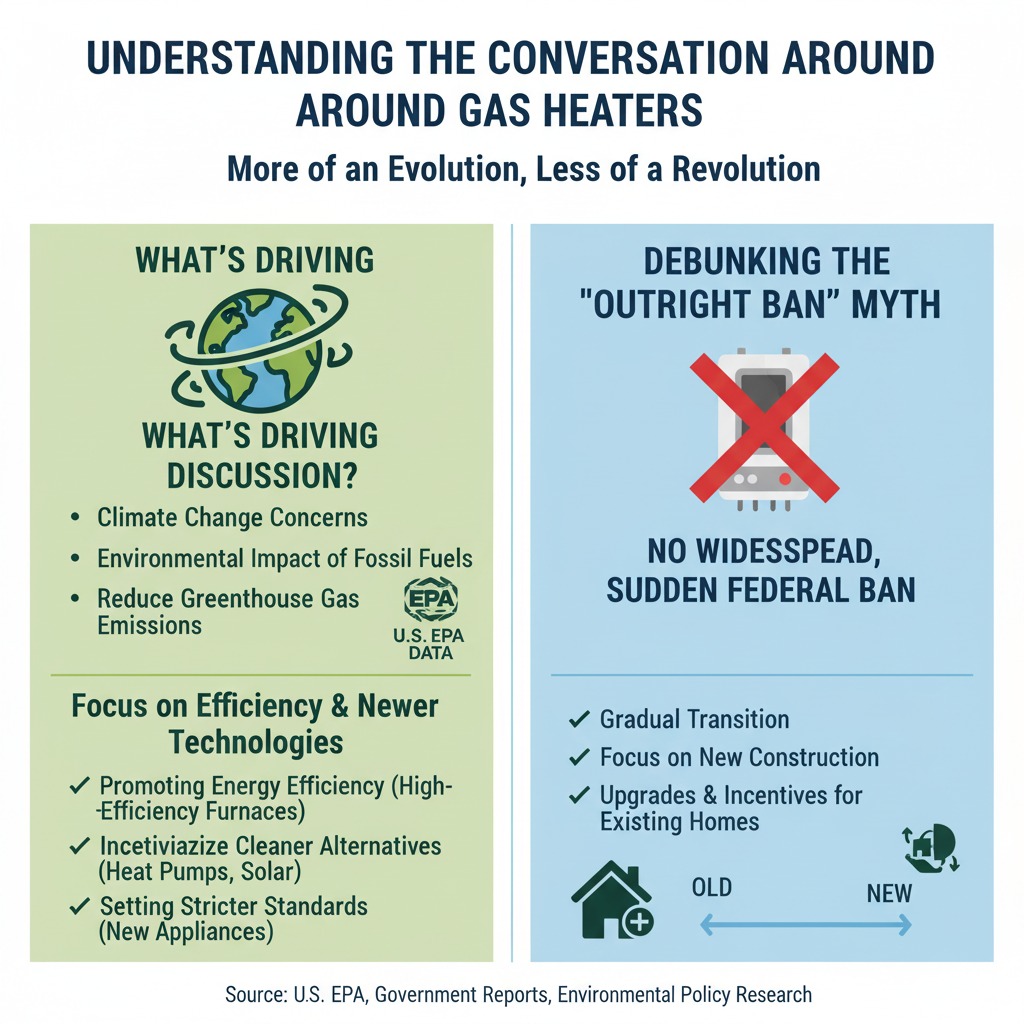
The idea of “banning gas heaters” has become a hot topic, often appearing in discussions about energy policy and environmental concerns. It’s important to understand that this conversation isn’t about a sudden, widespread ban that will leave homes cold. Instead, it’s a more nuanced discussion about the future of energy and how we can transition towards cleaner, more sustainable options. Think of it less like a ban and more like an invitation to explore newer, greener ways to heat our homes.
What’s Driving the Discussion?
The primary force behind these discussions is the growing awareness and concern about climate change and the environmental impact of fossil fuels, including natural gas. Natural gas, while often considered a cleaner option than coal or oil, is still a fossil fuel. When burned, it releases greenhouse gases like carbon dioxide, which contribute to global warming. Many scientific bodies and government agencies are highlighting the need to reduce these emissions to meet climate goals.
For example, the U.S. Environmental Protection Agency (EPA) provides extensive data on greenhouse gas emissions, showing the significant role of the energy sector. This data informs policies aimed at shifting away from fossil fuels.
Focus on Efficiency and Newer Technologies
When politicians and environmental groups discuss reducing natural gas use, the focus is often on:
- Promoting Energy Efficiency: Encouraging the use of more efficient appliances, including higher-efficiency gas furnaces and boilers, can significantly reduce natural gas consumption and emissions.
- Incentivizing Cleaner Alternatives: There’s a push to make alternatives like electric heat pumps and solar heating more accessible and affordable, especially for new construction. This doesn’t necessarily mean removing existing gas systems but rather making the transition easier over time.
- Setting Standards: Sometimes, this involves setting stricter energy efficiency standards for new appliances, which may phase out the least efficient models over time.
These initiatives aim to gradually steer the market towards cleaner energy sources without sudden disruption to homeowners.
Debunking the “Outright Ban” Myth
It’s crucial to differentiate between a gradual transition or new standards and an outright ban. Currently, there is no federal law or widespread policy proposed by Democrats that would force homeowners to rip out and replace their existing gas heaters. The conversation is more about future energy infrastructure and encouraging new home builders to consider electric options from the start. For existing homes, the emphasis is on upgrades and making the switch to alternatives more appealing when the time is right (like when your current heater needs replacing).
Examining Proposed Policies and Regulations
While the idea of a universal ban is largely a mischaracterization, there are indeed specific policies and regulations being proposed or enacted that affect natural gas appliances. These often come in the form of incentives, efficiency standards, or targeted regulations for certain regions or new constructions.
Federal Level Initiatives (or lack thereof nationwide)
At the federal level, there isn’t a unified, comprehensive bill from the Democratic party aiming to ban all gas heaters nationwide. Federal actions tend to be more cautious and involve promoting different energy pathways. For instance, the Inflation Reduction Act (IRA) includes significant tax credits and rebates for energy-efficient home improvements, including electric heat pumps and other clean energy technologies.
These incentives are designed to make adopting cleaner heating and cooling systems more affordable for homeowners, encouraging a voluntary shift over time. They are not mandates for removal.
State and Local Actions
The real action and stricter regulations are often happening at the state and local levels. Some municipalities and states, particularly those with strong environmental goals or concerns about non-renewable resources, have taken steps:
- New Construction Bans: A few cities and states (like various examples can be found via the Department of Energy’s resources on building codes) have implemented or are considering rules that prohibit the installation of natural gas lines or appliances in newly constructed buildings. The idea here is to build future homes with energy-efficient electric systems from the ground up, rather than installing gas infrastructure that would be in place for decades.
- Appliance Efficiency Standards: Some states are adopting stricter minimum efficiency standards for furnaces and other appliances. This typically means that while gas furnaces can still be sold, the older, less efficient models might be phased out over time, encouraging consumers to buy newer, more efficient gas or electric models when they need a replacement.
These localized efforts reflect regional energy policies and environmental priorities rather than a unified national “ban.”
The Role of the Department of Energy (DOE)
The DOE plays a significant role in setting energy efficiency standards for appliances sold in the U.S. Periodically, the DOE reviews and updates these standards. For furnaces, for example, updated standards aim to increase the minimum seasonal efficiency ratio (SEER) or annual fuel utilization efficiency (AFUE) rating, making them perform better and use less energy. This process indirectly encourages consumers to choose more efficient models, whether they are gas or electric.
A proposed rule from the DOE for consumer furnaces, for example, aims to improve efficiency. While this impacts the market, it still allows for gas furnaces that meet the new, higher standards, rather than banning them outright.
Key Takeaway for Homeowners
For homeowners with existing gas heaters, the most important takeaway is that a sweeping, immediate ban is not on the horizon. The changes being discussed are generally gradual, focus on future construction and efficiency, and are often driven by state or local policies rather than a federal mandate against your current setup.
Comparing Heating System Options
Understanding the landscape of heating options helps clarify why there’s a push towards alternatives and what advantages they offer. When we talk about moving away from gas, it’s often to embrace technologies that are cleaner, more energy-efficient, or offer different benefits. Let’s look at gas heaters versus some of their main alternatives.
Gas Heaters (Furnaces and Boilers)
Gas heaters have been a staple in homes for decades. They work by burning natural gas to generate heat. This heat is then distributed throughout the home, typically via ductwork (furnaces) or radiators (boilers).
Pros:
- Affordable Fuel: Natural gas is often one of the cheapest fuel sources available.
- Reliable Heat: They generally provide strong, consistent heat, even in very cold temperatures.
- Fast Heating: Gas furnaces tend to heat up a home relatively quickly.
- Established Infrastructure: Most homes in many areas are already equipped with natural gas lines.
Cons:
- Fossil Fuel Dependency: Burning natural gas releases greenhouse gases.
- Indoor Air Quality: Inefficient or poorly maintained units can produce carbon monoxide. Regular maintenance is crucial.
- Requires Gas Line: Installation in a home not already connected to a gas line can be costly.
- Fuel Price Fluctuations: Like any commodity, gas prices can change.
Electric Heat Pumps
Heat pumps are becoming increasingly popular, especially in milder climates or as part of dual-fuel systems. They don’t generate heat by burning fuel; instead, they move heat from one place to another. In the winter, they extract heat from the outside air (even cold air) and transfer it inside. In the summer, they reverse the process, moving heat from inside to outside.
Pros:
- Energy Efficient: They can be highly efficient, especially in moderate temperatures, as they move heat rather than creating it from scratch.
- Lower Emissions: When powered by electricity from renewable sources, they have a very low carbon footprint.
- Dual Functionality: They provide both heating and cooling in one unit.
- Safer: No combustion means no risk of carbon monoxide produced on-site.
Cons:
- Performance in Extreme Cold: Traditional heat pump efficiency can decrease significantly in very cold climates, though modern “cold-climate” heat pumps are much better.
- Higher Upfront Cost: The initial purchase and installation can be more expensive than a gas furnace.
- Electricity Reliance: Your heating cost is tied to electricity prices, and power outages will affect heating.
Electric Resistance Heaters (e.g., Baseboard Heaters, Electric Furnaces)
These systems use electricity to heat a resistive element, which then radiates heat. Electric furnaces use this principal to heat air distributed through ducts.
Pros:
- Lower Upfront Cost: Often cheaper to purchase and install than heat pumps or gas furnaces.
- Simple Operation: Easy to install and use.
- No Combustion: Safe in terms of carbon monoxide.
Cons:
- Very High Running Costs: Electricity is often more expensive per unit of heat produced than natural gas, making them the most expensive heating option to run for whole-house comfort.
- Less Efficient for Whole Home Heating: While simple, they convert electricity to heat at a 1:1 ratio; they are not “heat movers” like heat pumps.
Things to Consider When Choosing
Several factors influence which heating system is best for your home:
| Factor | Gas Heater | Heat Pump | Electric Resistance |
|---|---|---|---|
| Upfront Cost | Moderate | High | Low |
| Running Cost | Low to Moderate | Low to Moderate (depends on electricity rates & climate) | High |
| Environmental Impact | Moderate to High (fossil fuel) | Low to Moderate (depends on electricity source) | Moderate to High (depends on electricity source) |
| Zone Heating Capability | Usually Whole Home | Can be Whole Home or Zoned (with ductless mini-splits) | Often Individual Units or Whole Home with Electric Furnace |
| Cold Climate Performance | Excellent | Moderate to Excellent (modern cold-climate models) | Excellent (but expensive to run) |
By comparing these options, you can see why there’s interest in alternatives. Many people are looking for ways to reduce their environmental footprint while also controlling energy costs. However, the transition is often about finding the most suitable and efficient system for your specific needs and climate.
What You Can Do as a Homeowner
Feeling informed is the best defense against confusing headlines. As a homeowner, you have several choices and actions you can take to prepare for evolving energy landscapes and ensure your home remains comfortable and efficient.
1. Maintain Your Current System
First and foremost, if you have a gas heater, ensuring it’s well-maintained is key. A properly serviced and cleaned gas furnace or boiler is:
- Safer: Reduces the risk of carbon monoxide leaks.
- More Efficient: Runs better and uses less fuel.
- More Reliable: Less likely to break down when you need it most.
Schedule annual check-ups with a qualified HVAC technician. Don’t hesitate to ask them about its efficiency and any potential issues.
2. Educate Yourself on New Technologies
As you’ve learned from this article, heat pumps are a leading alternative. Do some research on modern heat pumps, especially those designed for colder climates. Many government programs and utility companies offer rebates and tax credits that can significantly offset the cost of these upgrades, making them more accessible. The USA.gov website is a good starting point for finding federal energy incentives.
3. Consider Efficiency Upgrades
Beyond your heating system, improving your home’s overall energy efficiency can make a big difference:
- Insulation: Ensure your attic, walls, and crawl spaces are properly insulated.
- Air Sealing: Seal up gaps and cracks around windows, doors, and other openings to prevent heat loss.
- Smart Thermostat: Install a programmable or smart thermostat to manage your heating schedule effectively and avoid wasting energy when you’re away or asleep.
4. Evaluate When Replacement is Necessary
Heating systems have a lifespan of about 15-20 years. When your current gas heater reaches the end of its life, that’s the opportune moment to seriously consider your options. By then, incentives and technology for alternatives might be even better. You’ll have time to research, get quotes, and choose what’s best for your budget and comfort.
5. Stay Informed About Local Regulations
Keep an eye on any new building codes or appliance regulations proposed by your local city council or state government. These localized changes are more likely to affect new constructions or major renovations rather than existing systems. Understanding these can help you plan for future home projects.
6. Participate in Public Discourse (If You Wish)
If you have strong feelings about energy policy, your voice matters. You can contact your local and state representatives to share your opinions and concerns about energy regulations and incentives. Understanding policy debates means you can engage in them constructively.
By taking these proactive steps, you can feel confident that you are making informed decisions that will keep your home warm, safe, and energy-efficient, regardless of evolving energy policies.

Frequently Asked Questions (FAQs)
Q1: Will my gas heater be illegal to use if Democrats ban gas heaters?
A1: There is no federal law or widespread proposal to ban the use of existing gas heaters. The conversation centers on transitioning to cleaner energy sources, primarily for new construction and encouraging upgrades over time through incentives, not forcing homeowners to remove functioning units.
Q2: If I have a gas furnace now, do I need to replace it immediately?
A2: No, not at all. Your current gas furnace is perfectly legal to use. Regulations are focused on future installations and efficiency improvements, not on forcing people to replace working appliances. Focus on maintaining your current system for safety and efficiency.
Q3: Are only Democrats pushing for cleaner heating options?
A3: While Democrats have often been prominent in advocating for climate-focused policies and clean energy investments, concerns about energy efficiency, air quality, and reducing emissions are shared across the political spectrum and by various energy organizations and forward-thinking businesses.
Q4: Are heat pumps good for very cold climates like Minnesota or Maine?
A4: Yes, modern “cold-climate” heat pumps are significantly more effective in low temperatures than older models. They can provide efficient heating even when outdoor temperatures drop well below freezing, though they may work best in conjunction with a supplemental heat source in the absolute coldest regions.
Q5: Will switching to electric heating from gas save me money?
A5: It depends on several factors: the upfront cost of the new system, local electricity and natural gas prices, your home’s insulation, and how you use the system. While fuel might be more expensive than gas in some areas, the increased efficiency of heat pumps and available tax credits or rebates can make them cost-effective over the long term.
Q6: What is the biggest environmental concern with natural gas heating?
A6: The primary environmental concern is that natural gas is a fossil fuel, and its combustion releases greenhouse gases (like carbon dioxide) into the atmosphere, contributing to climate change. There are also concerns about methane leaks throughout the natural gas supply chain.