Are Democrats Trying to Ban Gas Heaters? Fact Check
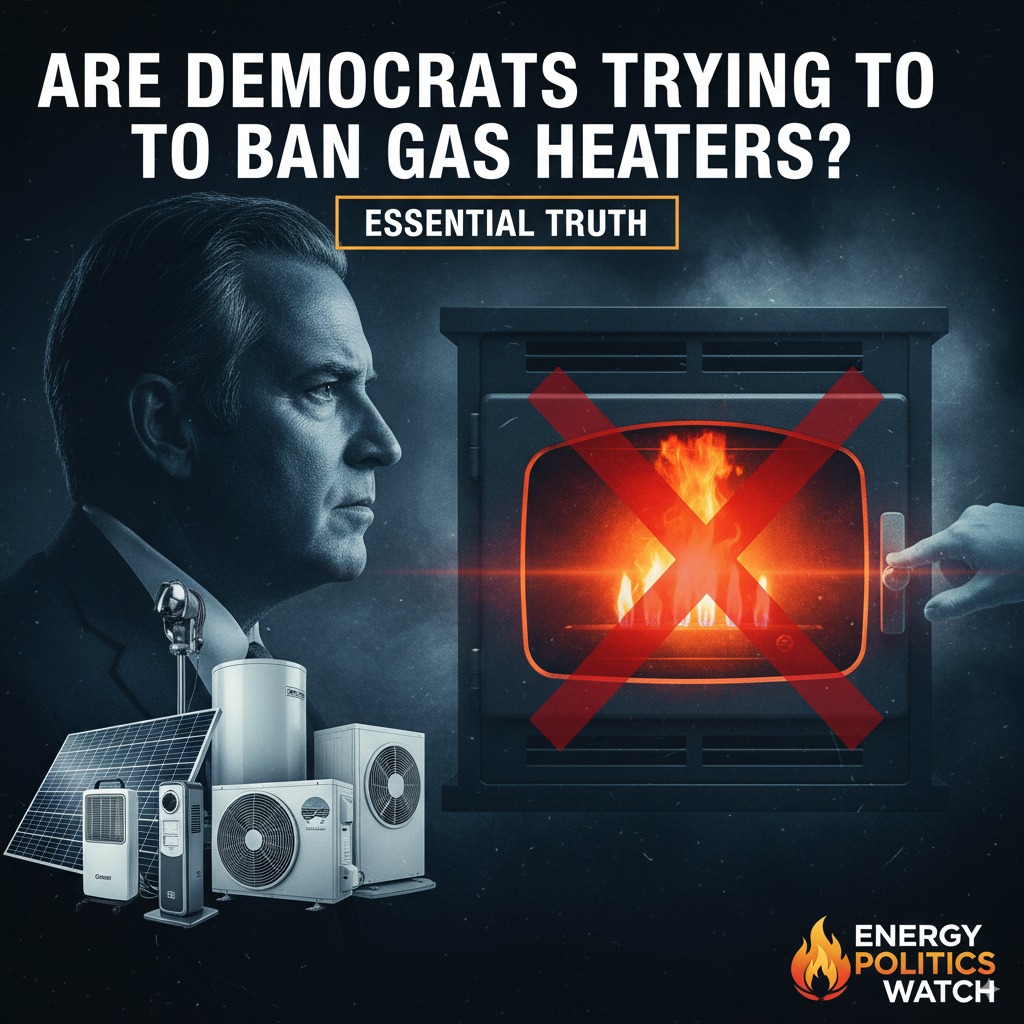
No, there isn’t a federal law or widespread effort from Democrats specifically aiming to ban all gas heaters nationwide. While there are ongoing discussions and proposed regulations focused on improving energy efficiency and reducing building emissions, these generally target new construction and do not outright ban existing gas heating systems.
Feeling a little uneasy about your home heating this season? You’re not alone! Many homeowners are hearing whispers about potential bans on gas heaters and aren’t quite sure what it all means for their cozy homes. It’s easy to get confused by headlines. This article is here to clear the air and give you the simple, straightforward truth about gas heaters and proposed changes.
We’ll break down what’s really happening, what it might mean for you, and importantly, how you can keep your home warm and safe, no matter what. Let’s dive in!
Understanding Gas Heaters and Energy Policies
Gas heaters have been a staple in American homes for decades, providing reliable warmth. They work by burning natural gas to produce heat, which is then distributed throughout your home, typically via ducts or radiators. Many of us grew up with them, and they’re known for being powerful and often budget-friendly to fuel.
However, in recent years, there’s been a growing focus on how buildings impact our environment. Energy policies are evolving to encourage cleaner energy sources and reduce greenhouse gas emissions. This has led to discussions and some local actions concerning gas appliances, including heating systems.
What Democrats Are (and Aren’t) Doing Regarding Gas Heaters
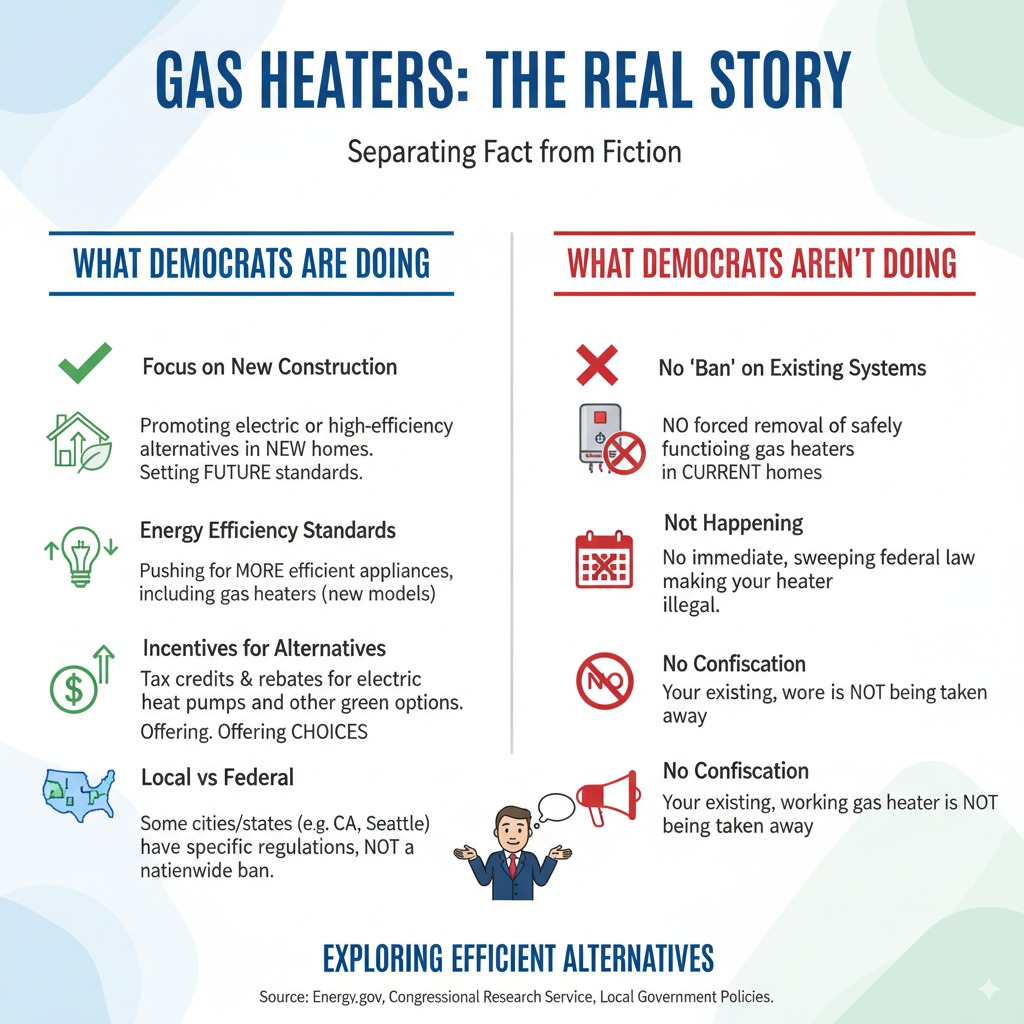
Let’s get straight to the point: Politicians from all parties are looking at ways to address climate change and energy use, but there is no current, sweeping federal effort by Democrats to ban all gas heaters in existing homes. The conversation is more nuanced and often focuses on future trends and new buildings.
Here’s a breakdown of what’s actually happening:
- Focus on New Construction: Many discussions and some local building codes are looking at phasing out gas hookups or requiring high-efficiency electric alternatives in new homes being built. This is about setting future standards, not removing working systems from current homes.
- Energy Efficiency Standards: There’s a push to make all appliances, including gas heaters, more energy-efficient. This means older models might eventually have to meet new efficiency requirements if they are being sold as new products. It doesn’t mean your current heater will be illegal overnight.
- Incentives for Alternatives: Policies often include incentives, like tax credits, to encourage homeowners to switch to more energy-efficient heating systems, such as electric heat pumps. This is about offering choices and making greener options more affordable, rather than forcing a change.
- Local vs. Federal: Some cities and states are moving faster than the federal government. You might have heard about regulations in places like California or cities like Seattle. These are usually specific to those areas and don’t represent a nationwide ban.
- No “Ban” on Existing Systems: The vast majority of proposed and enacted policies do not force homeowners to remove or stop using their existing, safely functioning gas heating systems. The emphasis is on future installations and promoting cleaner technologies over time.
The Truth About Proposed Regulations
When people talk about “bans,” it often stems from specific proposals or understanding of evolving energy regulations. It’s important to look at the details:
- The ENERGY STAR Program: The U.S. Environmental Protection Agency (EPA) sets energy efficiency standards through programs like ENERGY STAR. While these standards are updated, they aim to improve the efficiency of appliances sold, not to ban older ones in use. In 2023, the EPA announced proposed energy conservation standards for new residential central air conditioners and heat pumps, which often involve electric heating technologies as an alternative. You can find more information on the EPA’s site regarding appliance standards.
- Building Codes: Some local governments are updating their building codes to promote electrification in new buildings. For example, the International Energy Conservation Code (IECC) has seen discussions and adoption variations at state and local levels regarding the use of fuels like natural gas in new residential structures. This is a building code update, typically for new homes.
- Inflation Reduction Act (IRA): This significant piece of legislation provides substantial tax credits and rebates for energy-efficient home upgrades, including electric heat pumps and improvements to electrical systems. The IRA aims to make cleaner energy more accessible and affordable for homeowners, encouraging a transition rather than mandating it.
Why the Confusion? Key Areas of Discussion
The confusion around gas heaters often comes from news reports that might simplify complex policy discussions or focus on specific, localized initiatives. Here are some common points of discussion that can get misinterpreted:
1. The Push for Electrification
There’s a recognized environmental benefit to transitioning to electric heating systems, particularly those powered by renewable energy sources like solar and wind. Electric heat pumps, for instance, are becoming more efficient and effective even in colder climates. Promoting electrification is seen by many as a key strategy for reducing the carbon footprint of buildings. However, this is a long-term goal, not an immediate mandate for everyone.
2. Natural Gas as a Fossil Fuel
Natural gas, while cleaner than coal or oil, is still a fossil fuel. It releases carbon dioxide when burned, contributing to greenhouse gas emissions. Methane, the primary component of natural gas, is also a potent greenhouse gas if it leaks. This environmental aspect underpins much of the policy discussion around reducing reliance on natural gas overall.
A report from the Princeton University highlights pathways to net-zero emissions, and reducing fossil fuel use in buildings is a significant part of that equation. This doesn’t mean an instant ban but a gradual shift encouraged by policy and technology advancements.
3. Availability and Cost of Alternatives
One of the practical challenges in any transition is ensuring that alternatives like electric heat pumps are as effective, affordable, and reliable as gas heaters, especially in regions with very cold winters. Ongoing research and development are making electric heating solutions more robust. Government incentives under acts like the Inflation Reduction Act are specifically designed to make these cleaner technologies more accessible to homeowners across the country.
What This Means for You and Your Home
As a homeowner or renter, it’s natural to wonder what these conversations mean for your comfort and budget. The good news is that for most people, there’s no immediate need to worry about your current gas heater being banned.
Here’s what you are likely to encounter:
- Your current gas heater is probably fine: Unless it’s old and inefficient, or you’re undertaking significant renovations, your existing gas heating system is unlikely to be affected by any proposed regulations in the short to medium term.
- Newer Appliances are More Efficient: When it eventually comes time to replace your heater, you’ll likely be looking at more energy-efficient models – whether they run on gas or electricity.
- Incentives Are Your Friend: If you are considering an upgrade or want to improve your home’s energy efficiency, look into available federal, state, and local incentives for heat pumps and other electric heating solutions. These can significantly reduce the upfront cost.
- New Home Purchase/Build considerations: If you are building a new home or buying a newly constructed one, you may encounter homes pre-wired for electric heating or designed without natural gas hookups, depending on local building codes.
Pros and Cons of Gas Heaters Today
Even with discussions about alternatives, gas heaters still have their place and many advantages.
| Pros of Gas Heaters | Cons of Gas Heaters |
|---|---|
| Reliable Heat: Gas furnaces are known for providing strong, consistent heat, even in very cold temperatures. | Emissions: Burning natural gas releases greenhouse gases, contributing to climate change. |
| Cost-Effective Fuel: In many regions, natural gas is a relatively inexpensive fuel source compared to electricity. | Indoor Air Quality: Improperly vented gas appliances can release carbon monoxide, a dangerous gas. Regular maintenance is crucial. |
| Fast Heating: Gas furnaces tend to heat up a home relatively quickly. | Dependency on Gas Lines: Requires a connection to a natural gas line, which isn’t available everywhere. |
| Established Technology: Most HVAC technicians are familiar with gas heating systems, making maintenance and repairs straightforward. | Leak Risk: Natural gas is flammable and can leak, posing safety risks. |
Exploring Efficient Alternatives
While your existing gas heater is likely safe and sound, it’s always good to be informed about alternatives, especially with rising energy costs and environmental awareness.
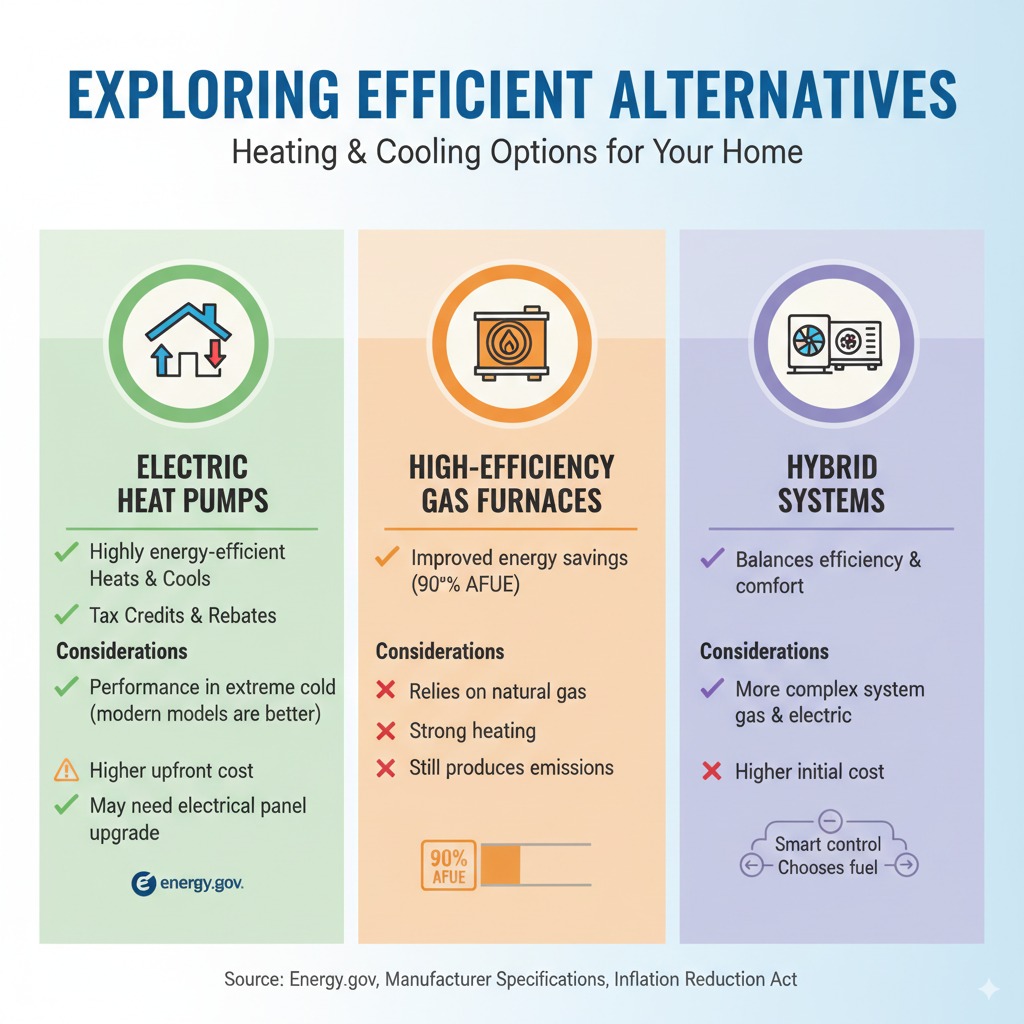
1. Electric Heat Pumps
Heat pumps are a popular alternative. They don’t generate heat by burning fuel. Instead, they move heat from one place to another. In winter, they extract heat from the outside air (even cold air!) and transfer it inside. In summer, they reverse the process to cool your home.
- Benefits: Highly energy-efficient, can provide both heating and cooling, eligible for significant tax credits and rebates (especially with the Inflation Reduction Act).
- Considerations: Performance might decrease in extremely cold temperatures (though modern cold-climate models are very effective), and upfront costs can be higher than furnaces. Many homes may need electrical panel upgrades to support them. Organizations like Energy.gov offer details on their efficiency and benefits.
2. High-Efficiency Gas Furnaces
If you prefer to stick with gas, newer gas furnaces are much more efficient than older models. Look for units with an Annual Fuel Utilization Efficiency (AFUE) rating of 90% or higher. These furnaces capture more heat from the fuel they burn, wasting less energy up the chimney.
- Benefits: Improved energy savings over older gas models, still provide strong heating.
- Considerations: Still rely on natural gas, so they still produce emissions. Higher upfront cost than standard-efficiency models.
3. Hybrid Heating Systems
A hybrid system combines a gas furnace with an electric heat pump. The system automatically selects the most energy-efficient and cost-effective option based on the outdoor temperature and electricity/gas prices.
- Benefits: Balances efficiency and comfort, leverages the strengths of both gas and electric power.
- Considerations: More complex system, higher initial cost.
Frequently Asked Questions (FAQ)
Q1: Are Democrats literally trying to ban my gas heater tomorrow?
A1: No. There is no federal law or imminent plan to ban existing gas heaters in homes. Discussions are primarily about future building standards and promoting cleaner energy over time, not immediate confiscation or forced removal of functional appliances.
Q2: If I have a gas heater, will I be fined?
A2: No, there are no fines for homeowners who currently use safely functioning gas heaters. Policies are focused on encouraging transitions and setting standards for new installations, not penalizing current usage.
Q3: Do I need to replace my gas heater now?
A3: Unless your current gas heater is old, inefficient, or malfunctioning, there’s no urgent need to replace it due to policy changes. Focus on its continued safe operation and maintenance.
Q4: Where are these proposed gas bans the strictest?
A4: The most restrictive policies tend to be at the local or state level, particularly in areas with strong climate action goals. These often apply to newly constructed buildings, not existing homes that already have gas service and appliances. Regulations in places like some cities in California or parts of the Northeast are examples of these localized efforts.
Q5: How can I make my current gas heating more energy-efficient?
A5: Ensure your system is regularly maintained by a qualified HVAC technician. Seal air leaks in your home, improve insulation, and use a programmable or smart thermostat to reduce energy use when homes are unoccupied or at night. Routine maintenance can improve performance and potentially catch issues that waste energy.
Q6: What are the tax credits and rebates available for switching to electric heating?
A6: The Inflation Reduction Act (IRA) offers significant tax credits (up to 30% of the cost for certain upgrades) and rebates for installing high-efficiency electric heat pumps and making other home energy improvements. You can find detailed information about these incentives on government websites like Energy.gov.
Navigating the Future of Home Heating with Confidence
Keeping your home warm and comfortable is your top priority, and it should be simple. The conversations around energy policy and gas heaters can sound complicated, but the essential truth is reassuring:
There is no widespread effort by Democrats, or any party, to ban existing gas heaters. Instead, the focus is on incentivizing new energy-efficient technologies, improving the efficiency of appliances sold, and encouraging a gradual, voluntary transition toward cleaner energy for future homes. Your current gas heater is likely to continue providing warmth for years to come, provided it’s properly maintained.
As technology evolves and policies adapt, you’ll have more options than ever to heat your home efficiently and affordably. Stay informed, explore available incentives if you’re considering an upgrade, and always prioritize safety and regular maintenance for your heating system, whatever type it may be. You’ve got this!