Baseboard Heaters vs Central Heat: Essential Guide
When choosing between baseboard heaters and central heat, consider your home’s size, your heating needs, and your budget. Baseboard heaters offer localized, easy-to-install warmth, perfect for single rooms or supplemental heat, while central heating provides whole-home comfort using a single system. This guide breaks down the pros, cons, costs, and installation of each to help you make the best choice for your cozy home.
Winter is coming, and thinking about how to keep your home toasty warm is on everyone’s mind. Maybe you’re in a new place, or perhaps your current heating system just isn’t cutting it anymore. It’s a common puzzle: should you go with the even warmth of central heating, or are individual baseboard heaters a better fit? Don’t worry, figuring this out doesn’t have to be complicated. We’ll walk through what each system is all about, how they work, and what makes them tick. Get ready to learn how to choose the perfect heating solution to make your home a wonderfully warm sanctuary all season long.
Baseboard Heaters vs Central Heat: Which is Right for You?
Deciding between baseboard heaters and central heat can feel like a big choice for your home’s comfort and your wallet. Each system has its own way of warming your space, and understanding their differences is key to picking the one that best suits your needs.
What are Baseboard Heaters?
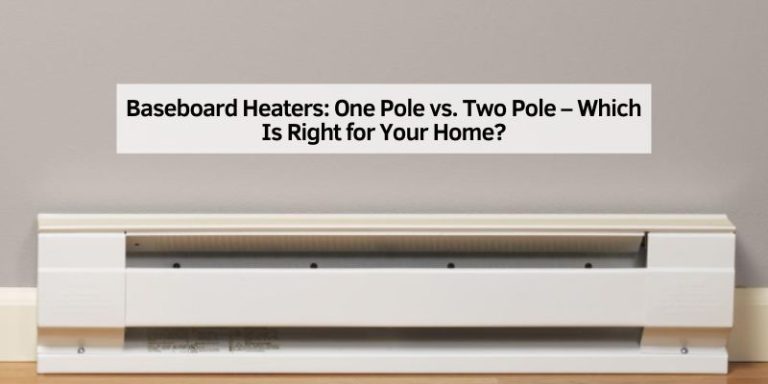
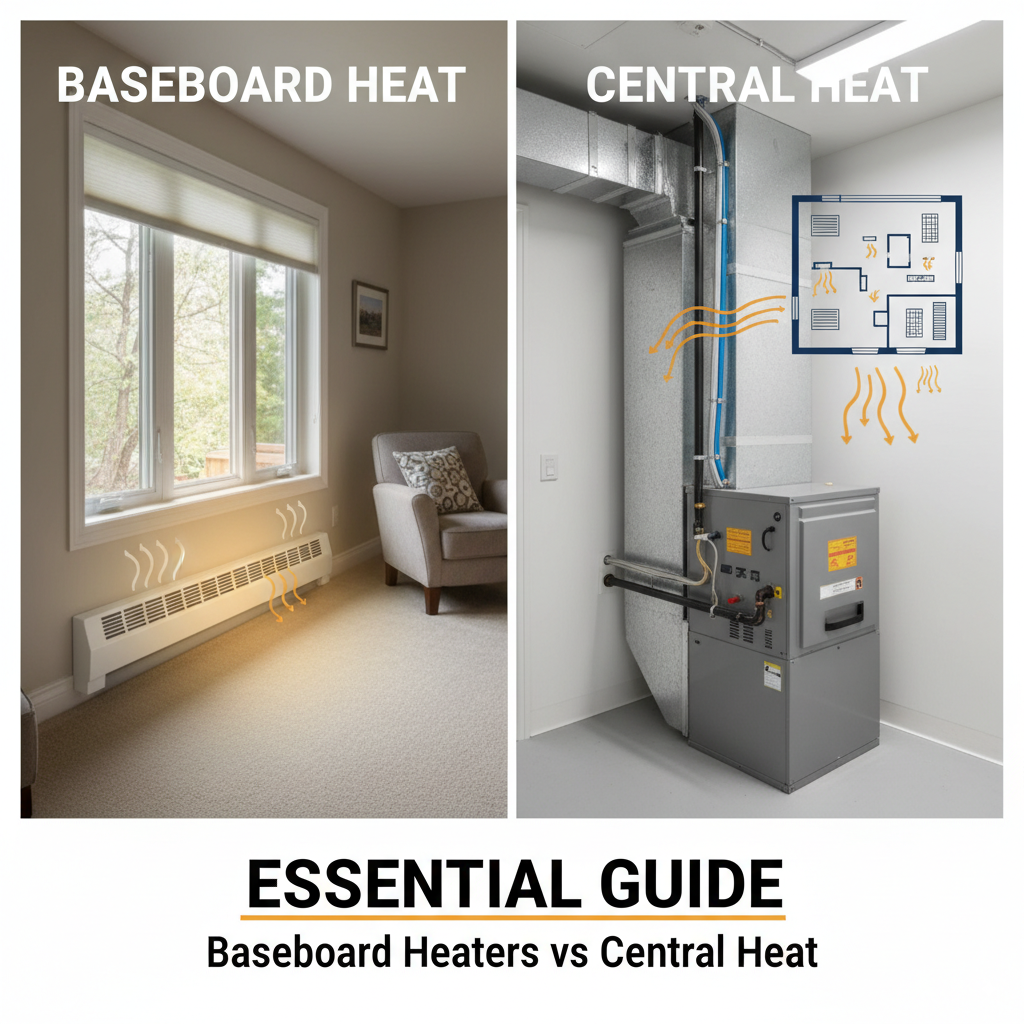
Baseboard heaters are electric heaters that are installed along the base of your walls, usually beneath windows. They’re designed to provide quiet warmth directly into the room they’re in. When electricity flows through a heating element inside the heater, it warms up. A fan or natural convection then pushes this heat out into the room. They’re a popular choice for supplementing existing heat or for heating individual rooms.
Types of Baseboard Heaters
- Convection Baseboard Heaters: These use natural air circulation. Cooler air enters the bottom, gets heated, and rises out of the top. They’re quietest but might take a bit longer to heat a room.
- Fan-Forced Baseboard Heaters: These have a small fan that blows air over the heating element, speeding up the heating process. They heat up a room more quickly but can create a slight hum.
- Hydronic Baseboard Heaters: These aren’t electric; they’re part of a hot water system. Hot water from a boiler flows through the baseboard, and the fins release heat. They provide very even, quiet heat but require a boiler and plumbing.
Pros of Baseboard Heaters
- Easy Installation: Generally simpler and less invasive to install than central heating systems.
- Zone Heating: You can control the temperature of individual rooms, saving energy in unused spaces.
- Quiet Operation: Especially convection types, they don’t make much noise.
- Supplemental Heat: Great for warming up specific areas that feel colder.
- Low Initial Cost (for electric models): The units themselves are often less expensive upfront than a central system.
Cons of Baseboard Heaters
- Higher Energy Bills (for electric models): Electric resistance heating can be less energy-efficient and more expensive to run than central options, especially in larger homes.
- Limited Heat Distribution: Primarily heats only the room they are in.
- Can Be a Safety Hazard: Curtains, furniture, or toys placed too close can be a fire risk, and the fins can get hot.
- Aesthetics: Some people find them bulky or unsightly.
- Maintenance: Dust can accumulate on fins, reducing efficiency and potentially causing odors.
What is Central Heat?
Central heating systems are designed to warm your entire house from a single source. They typically involve a furnace or boiler that heats air or water, which is then distributed throughout the home via a network of ducts (for forced air) or pipes (for hydronic systems). A thermostat placed in a central location controls the whole system.
Types of Central Heating
- Forced-Air Systems: A furnace heats air, and a blower fan pushes it through ducts to vents in each room. This is the most common type in many homes.
- Boiler Systems (Hydronic): A boiler heats water, which is then circulated through pipes to radiators or baseboard units in each room.
- Heat Pumps: These systems can both heat and cool your home. In winter, they extract heat from the outside air and transfer it inside. They are very energy-efficient in milder climates.
Pros of Central Heat
- Whole-Home Comfort: Provides consistent temperature throughout the entire house.
- Efficiency: Modern central systems, especially high-efficiency furnaces or heat pumps, can be very energy-efficient.
- Air Filtration: Forced-air systems can include air filters to improve indoor air quality.
- Quiet Operation (overall house): Heat is distributed through vents, so individual units aren’t usually noticeable in living spaces.
- Humidity Control: Can often be integrated with a whole-home humidifier or dehumidifier.
Cons of Central Heat
- High Installation Cost: Installing or replacing a central system is a significant investment.
- Complex Installation: Requires extensive ductwork or piping, which can be disruptive.
- Single Point of Failure: If the main unit breaks down, your entire house loses heat.
- Less Zoned Control: Traditional systems heat all connected rooms to the same temperature, potentially wasting energy.
- Air Leaks in Ducts: Can reduce efficiency and lead to uneven heating if ducts are not well-sealed. For more on ductwork efficiency, check out resources from the U.S. Department of Energy.
Baseboard Heaters vs Central Heat: A Cost Comparison
When we talk about costs, it’s important to look at both the upfront expense to get the system installed and the ongoing cost to run it. This can vary a lot depending on the type of system you choose.
Upfront Costs
Baseboard Heaters: The initial cost for electric baseboard heaters is generally lower than for a full central heating system. You might pay anywhere from $150 to $400 or more per unit, plus installation. For a whole house, this can add up, but if you’re just heating a single room or a small extension, it’s often more affordable initially.
Central Heating: Installing a new central heating system (like a furnace and ductwork) can range from $4,000 to $12,000 or even higher, depending on the size of your home and the efficiency of the equipment. Replacing an existing system might be slightly less, but it’s still a major investment.
Operating Costs
Baseboard Heaters: Electric baseboard heaters use electric resistance, which is one of the more expensive ways to generate heat. Your electricity bills can spike significantly during cold months if you rely on them as your primary heat source. However, if you use them for zone heating and only turn them on in rooms you’re actively using, the impact might be managed.
Central Heating: The operating cost of central heating systems varies by fuel type (natural gas, propane, oil, electricity for heat pumps) and system efficiency. High-efficiency natural gas furnaces are often the most cost-effective to run. Heat pumps can also be very efficient, especially in moderate climates. While the upfront cost is higher, efficient central systems can offer lower monthly bills than running many electric baseboard heaters across your home.
Here’s a simple table to help visualize some of these differences:
| Feature | Electric Baseboard Heaters | Central Heating System |
|---|---|---|
| Typical Upfront Cost | $150 – $400+ per unit (lower for whole home if just adding to few rooms) | $4,000 – $12,000+ for new installation |
| Typical Operating Cost | Higher (electric resistance is expensive) | Lower (depends on fuel and efficiency, e.g., natural gas, high-efficiency) |
| Installation Complexity | Relatively simple | Complex (ductwork/piping required) |
| Energy Efficiency | Lower (electric resistance) | Higher (especially for modern systems) |
| Coverage | Individual rooms/zones | Whole house |
Installation: What to Expect
Installation sounds daunting, but knowing a bit about the process can make it much less scary!
Installing Electric Baseboard Heaters
Electric Baseboard Heaters are known for being relatively easy to install. Most often, they simply need to be mounted to the wall, usually with a few screws.
- Choose the location: Typically under windows for optimal heat distribution, away from curtains or furniture.
- Mount the heater: Secure it to the wall studs using the provided mounting brackets and screws.
- Electrician’s Role: This is the crucial step. A qualified electrician will need to run a dedicated electrical circuit from your breaker box to the heater’s location and connect the wiring. Safety is paramount here, so this is not a DIY step for most homeowners. The electrician will also install a thermostat, which can be built into the unit or be a separate wall unit for each heater or zone.
The whole process for electric units is less extensive than for central systems, especially if your home’s electrical panel can handle the additional load. For more in-depth information on electrical safety, you can refer to resources from The National Fire Protection Association (NFPA).
Installing Central Heating Systems
Central heating installation is a much bigger undertaking.
- Furnace/Boiler Installation: The main heating unit (furnace for forced air, boiler for hydronic/steam) is installed, often in a basement, attic, or utility closet. This involves connecting it to fuel lines (gas or oil) and a flue for exhaust.
- Ductwork/Piping: For forced-air, a network of metal ducts must be installed throughout the house to deliver heated air to each room and return cooler air to the furnace. For boiler systems, pipes are run to radiators or baseboard convectors.
- Vents and Thermostat(s): Air vents are installed in rooms, and at least one thermostat is placed to control the entire system. Some modern systems can have multiple thermostats for zoning.
- Professional Expertise: This type of installation requires skilled HVAC professionals and often plumbers. It’s a project typically completed over several days or even weeks for a whole-house system.
Heating Efficiency and Your Home
When talking about heating, “efficiency” is a big word that matters for both comfort and your budget. It’s all about how much heat you get for the energy you use.
Efficiency Ratings
- Baseboard Heaters: Electric resistance heaters are considered 100% efficient at converting electricity into heat, meaning all the electricity used becomes heat. However, this doesn’t account for whether that heat is effectively delivered or if you’re heating an empty room. The real cost comes from the price of electricity itself.
- Central Heat: For gas furnaces, efficiency is measured by AFUE (Annual Fuel Utilization Efficiency), expressed as a percentage. A 95% AFUE furnace means 95% of the fuel is converted to usable heat, with 5% lost up the chimney. For heat pumps, SEER (Seasonal Energy Efficiency Ratio) and HSPF (Heating Seasonal Performance Factor) are used. Newer, high-efficiency systems offer much better performance. The ENERGY STAR program offers excellent guidance on efficient heating and cooling equipment.
Delivering Heat Effectively
Baseboard Heaters offer localized control, which can be very efficient if you only need to heat a specific area. Heating a single room with a baseboard heater is often more economical than running your entire central system for that purpose. However, relying on them for your whole home in a larger house will likely lead to higher energy bills compared to an efficient central system.
Central systems aim to distribute heat evenly. The effectiveness here depends on good insulation and well-sealed ductwork. Leaky ducts can lose a significant amount of heated air before it reaches your rooms, essentially throwing money out the window. If your ducts are old or poorly installed, you might be losing up to 30% of the heated air, as noted by the Department of Energy.
Safety Considerations
Keeping your home and family safe is always the top priority.
- Baseboard Heaters: Keep a clear space of at least 3 feet around electric baseboard heaters. Never cover them with furniture, curtains, blankets, or let toys get too close. The fins can get hot enough to cause burns, so supervise young children and pets. Ensure they are installed according to manufacturer and electrical codes to prevent fire hazards.
- Central Heating: Furnaces and boilers involve combustion, so proper ventilation and regular maintenance are essential to prevent carbon monoxide buildup. Ensure you have working carbon monoxide detectors on every level of your home. Have your central heating system inspected annually by a qualified technician.
Both systems require proper installation and regular maintenance to ensure safe and efficient operation.
Controlling Your Comfort: Thermostats
How you control your heating is just as important as the system itself. The thermostat is your command center!
Baseboard Heater Thermostats
Electric baseboard heaters can have:
- Built-in Thermostats: Each unit has its own dial. This allows for very precise room-by-room control but can sometimes be less accurate or have limited programming features.
- Wall-Mounted Thermostats: A single thermostat can control one heater, a zone of heaters, or even multiple heaters in different rooms. These can offer better accuracy and sometimes more advanced features like basic programming. Programmable thermostats for electric baseboard heaters can offer energy savings by automatically lowering the temperature when you’re asleep or away.
Central Heating Thermostats
Central systems primarily use:
- Programmable Thermostats: These allow you to set schedules for heating and cooling based on your daily routine, saving energy.
- Smart Thermostats: These connect to your Wi-Fi and can be controlled remotely via a smartphone app. Many also learn your habits, adjust automatically, and provide energy usage reports. Some even integrate with smart home systems.
While baseboard heaters can offer granular zone control with their individual thermostats, modern central systems can achieve similar zoning capabilities with additional equipment or advanced smart thermostats, though it increases complexity and cost.
When is Each System Best?
Understanding the purpose and strengths of each system will help you make that final decision.
Ideal Scenarios for Baseboard Heaters
- Supplemental Heating: Perfect for adding warmth to a sunroom, basement, or a room that the main heating system struggles to reach.
- Room-by-Room Control: Excellent for homes where different family members prefer different temperatures, or when certain rooms are used less frequently.
- Small Spaces or Additions: Ideal for heating small apartments, studios, garages, or small home additions where extending ductwork from a central system is impractical or too expensive.
- When Electrical Capacity is Sufficient: If your home’s electrical system can handle the load without costly upgrades.
Ideal Scenarios for Central Heating
- Whole-Home Comfort: The go-to for ensuring consistent temperature throughout your entire house, especially in colder climates.
- New Home Construction or Major Renovations: It’s most cost-effective to install ductwork and central systems during the building process.
- Energy Efficiency is a Top Priority (with the right system): Investing in a high-efficiency natural gas furnace, an oil furnace, or a heat pump can provide more affordable overall heating.
- Improved Air Quality: When you want to incorporate air filtration, humidification, or dehumidification into your heating strategy.
Frequently Asked Questions (FAQ)
Q1: Are electric baseboard heaters expensive to run?
Yes, electric baseboard heaters can be expensive to run as your primary heat source because electricity is generally a more costly fuel for heating than natural gas or propane. However, their cost-effectiveness greatly improves when used for localized heating, meaning you only heat the rooms you need.