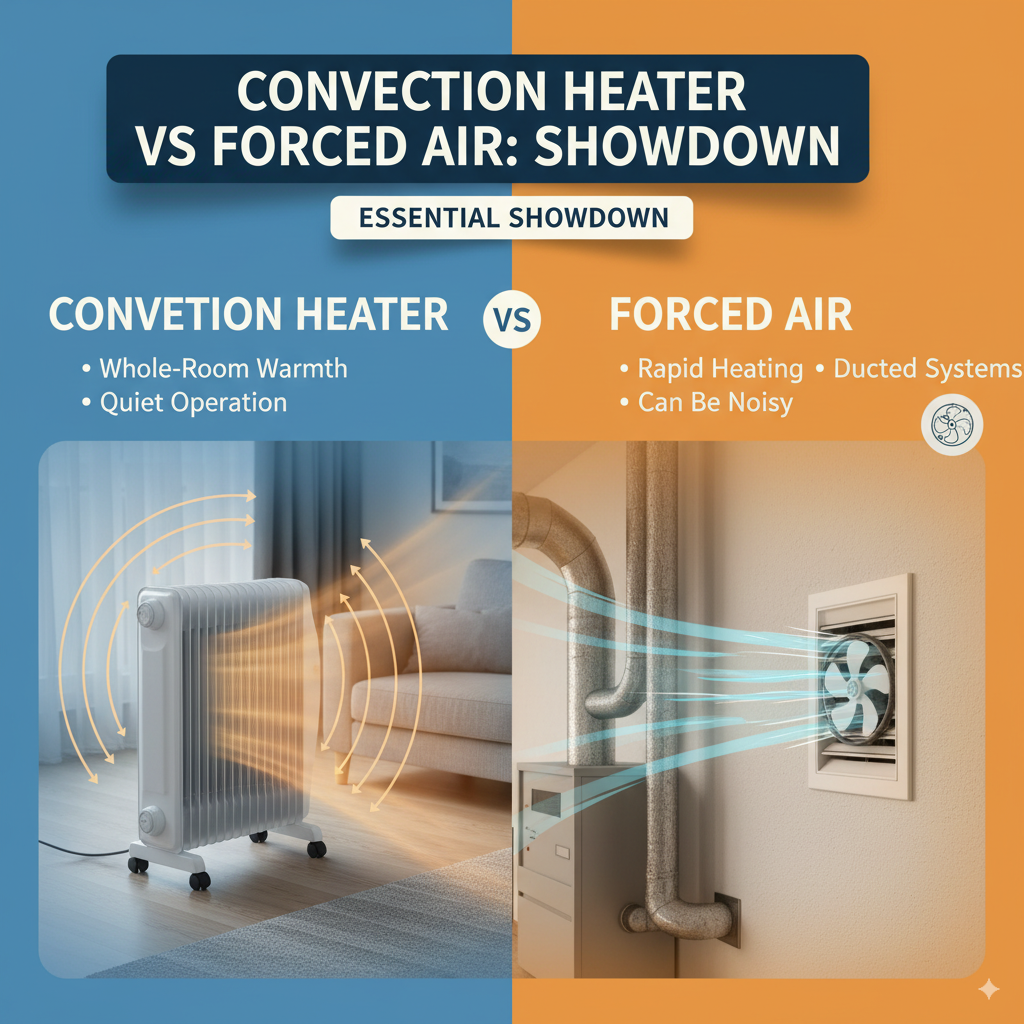
Convection Heater vs Forced Air: Essential Showdown
Choosing between a convection heater and a forced-air system can feel like a big decision for keeping your home cozy. Don’t worry, it’s simpler than it sounds! This guide breaks down both options, so you can pick the best one for your comfort and budget. We’ll look at how they work, their pros and cons, and what makes them different. Get ready to feel confident about your home heating choice!
For portable-heater comparisons, Convection Vs Forced Air Space Heater: Essential Guide gives readers another helpful angle before buying or using one.
For portable-heater comparisons, Heat Dish Vs Space Heater: Essential Showdown gives readers another helpful angle before buying or using one.
Understanding Your Home Heating Options: Convection Heater vs. Forced Air
Finding the right way to heat your home is key to staying comfortable, especially when the temperature dips. Many homeowners wonder about the best solution for warmth, efficiency, and cost. Two common heating methods often come up in conversation: convection heaters and forced-air systems. They both aim to make your home feel toasty, but they do it in quite different ways.
As Tanim, your home heating guide, I’ve helped many people navigate these choices. My goal is to make understanding heating systems easy, affordable, and safe for everyone. You don’t need to be a technical whiz to keep your home warm and inviting. Let’s dive into the details of convection heaters and forced-air systems. We’ll discover what makes each one unique and how they can serve your specific heating needs. By the end, you’ll have a clear picture to make an informed decision about keeping your home perfectly warm.
What is a Convection Heater?
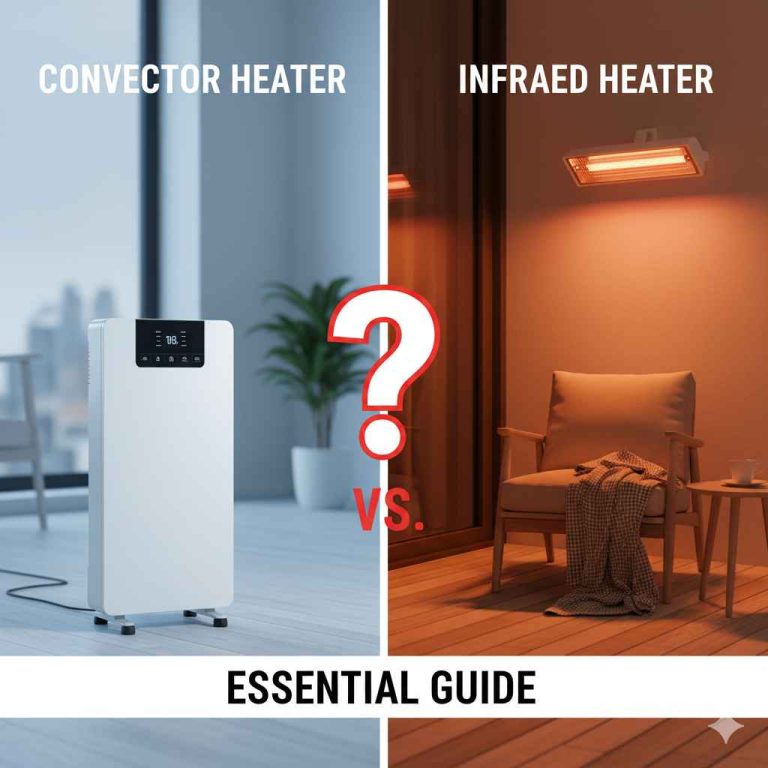
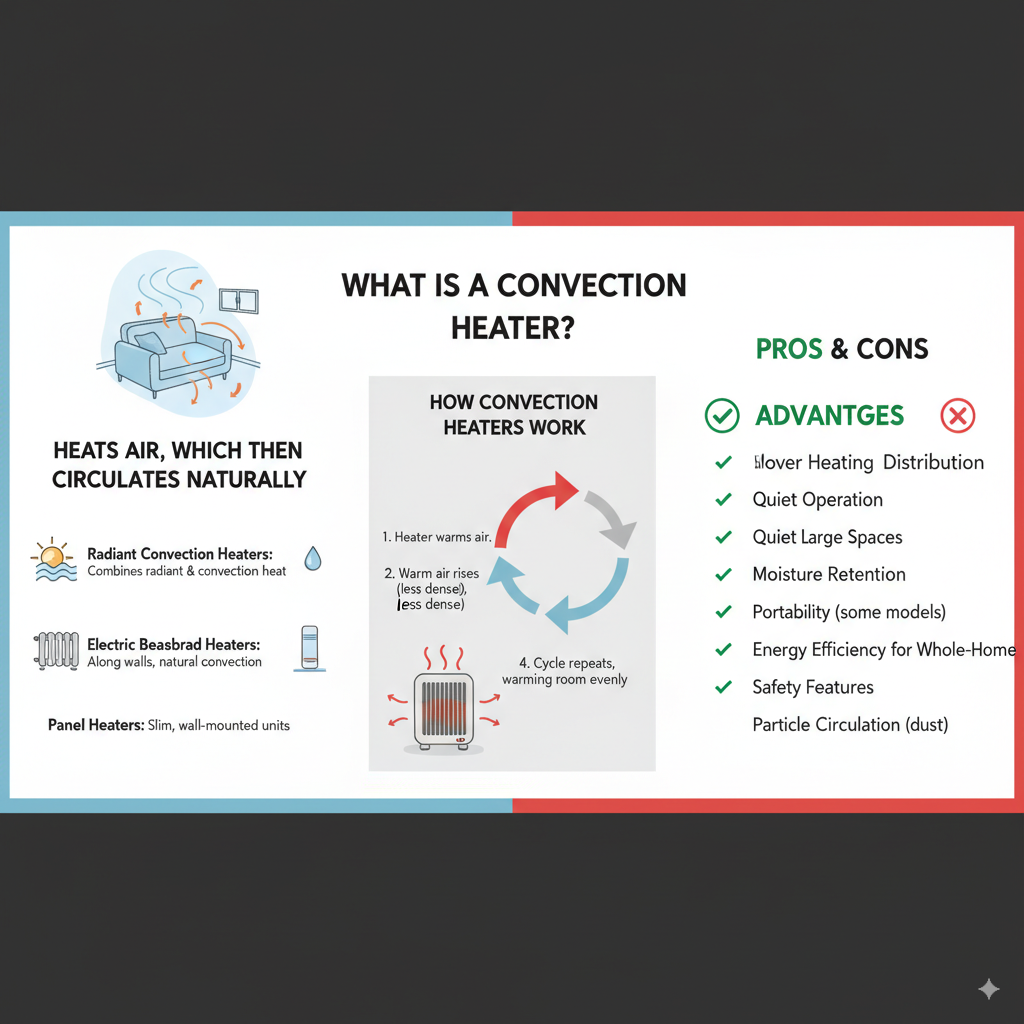
Imagine a gentle, consistent warmth spreading throughout a room. That’s the magic of a convection heater! These heaters work by heating the air around them. This warm air then rises naturally, is circulated around the room, and as it cools, it sinks back down to be heated again. It’s like a continuous, quiet loop of coziness. There are different types of convection heaters, including:
- Radiant Convection Heaters: These combine radiant heat (warming objects directly) with convection.
- Oil-Filled Radiators: These electric heaters have oil inside that heats up and then releases warmth.
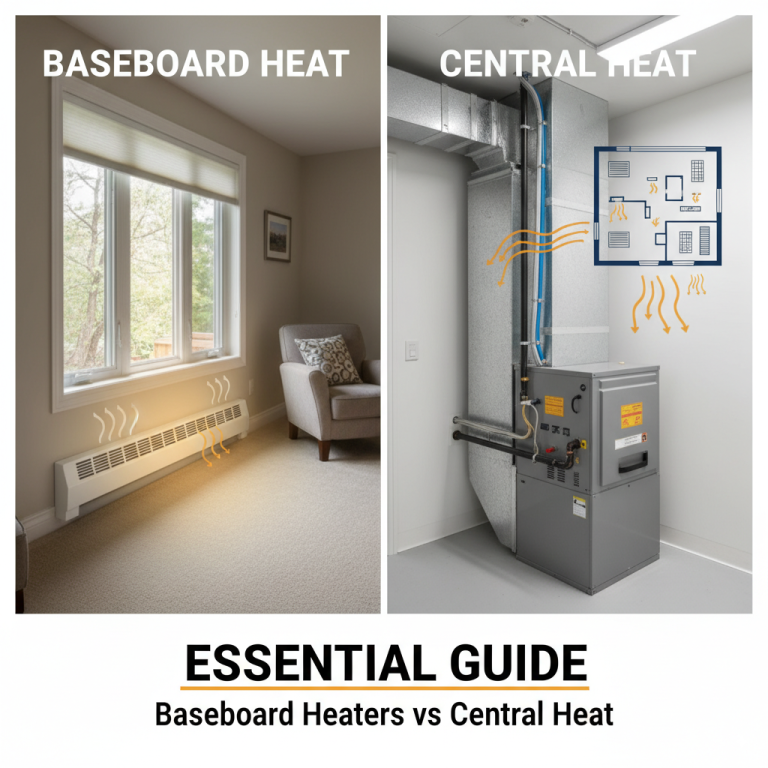
- Electric Baseboard Heaters: Often installed along the bottom of walls, these use natural convection.
- Panel Heaters: Slim, wall-mounted units that provide stable heat.
How Convection Heaters Work
The principle behind a convection heater is simple physics: heat rises. When the heater’s element warms up, it heats the air closest to it. This warm air is less dense and therefore rises. As the warm air rises and moves away from the heater, cooler, denser air takes its place, getting heated in turn. This process creates a natural circulation pattern that gently warms the entire room. This is a slower but more even way to heat a space, without creating strong drafts or drying out the air too much.
Pros and Cons of Convection Heaters
Like any heating method, convection heaters have their strengths and weaknesses. Understanding these will help you decide if they’re the right fit for your home.
Advantages:
- Even Heat Distribution: They warm a room more uniformly, reducing hot and cold spots.
- Quiet Operation: Many models are very quiet, making them ideal for bedrooms or quiet living spaces.
- Moisture Retention: They tend to dry out the air less than forced-air systems, which can be beneficial.
- Portability (for some models): Many standalone convection units are easy to move from room to room.
- Energy Efficiency (for targeted heating): Great for heating a single room or zone, saving energy compared to heating a whole house.
- Safety: Often designed with safety features like cool-touch exteriors and tip-over protection.
Disadvantages:
- Slower Heating: They take longer to raise the temperature of a room compared to forced air.
- Limited for Large Spaces: Less effective for heating very large or open-plan areas on their own.
- Can be Less Efficient for Whole-Home Heating: If you need to heat multiple rooms, you might need several units, which can add up.
- Particle Circulation: While they don’t blast air, they can still circulate dust and allergens present in the room.
What is a Forced-Air System?
A forced-air heating system is the backbone of many homes, especially those with a central furnace or heat pump. It works by heating air in a central unit and then blowing it through a network of ducts to reach various rooms in your house. Think of it as the circulatory system for your home’s warmth.
- Furnaces: Typically use natural gas, propane, or oil to heat air.
- Heat Pumps: These systems can both heat and cool your home by transferring heat from one place to another.
- Boilers (less common for forced-air): While boilers often heat water for radiators or radiant floor systems, some systems use them to heat air.
How Forced-Air Systems Work
In a forced-air system, a central heating unit (like a furnace) generates heat. A fan then pushes this heated air through a system of ducts. These ducts lead to vents or registers in different rooms. When the heated air reaches a room, it flows out through the vents. The cooler air in the room is then drawn back through return ducts to the central unit to be reheated. This cycle continues, regulated by your thermostat, to maintain a set temperature throughout your home.
Pros and Cons of Forced-Air Systems
Forced-air systems are incredibly popular for good reasons, but they also have aspects homeowners should consider.
Advantages:
- Fast Heating: They can quickly heat entire rooms or your whole house.
- Whole-Home Coverage: Designed to efficiently heat multiple rooms and levels of your home.
- Air Filtration: Most forced-air systems include an air filter that can remove dust, pollen, and other allergens from the air. A clean filter can improve indoor air quality significantly. For more information on furnace filters, check out resources from organizations like the U.S. Department of Energy.
- Integration with Cooling: The same ductwork can often be used for both heating and air conditioning, offering year-round comfort from one system.
- Humidification/Dehumidification: Can often be integrated with whole-house humidifiers or dehumidifiers.
Disadvantages:
- Can Dry Out Air: The heating process can reduce humidity levels, potentially leading to dry skin, static electricity, and discomfort.
- Noise: The fan and the movement of air through ducts can sometimes be noisy.
- Uneven Heating: Rooms farther from the furnace or those with poorly sealed ducts might not receive as much heat.
- Potential for Drafts: The blowing air can create noticeable drafts and can feel less consistent than convection heat.
- Higher Installation Costs: Installing a new forced-air system, including ductwork, can be a significant investment.
- Air Leakage: Leaky ducts can waste a significant amount of heated air, leading to higher energy bills. According to ENERGY STAR, properly sealing ducts can save homeowners about 20% on heating and cooling costs.
Convection Heater vs. Forced Air: Key Differences
While both systems aim to warm your home, their methods and outcomes are distinctly different. Here’s a breakdown of the core distinctions:
Heating Method
Convection Heaters: Work by heating the air and letting it circulate naturally through convection currents. The heat is gentle and ambient.
Forced-Air Systems: Use a fan to blow heated air through ducts directly into rooms. This is an active, powerful distribution method.
Speed of Heating
Convection Heaters: Slower to heat a room because they rely on natural air movement.
Forced-Air Systems: Much faster, as the fan actively pushes hot air throughout your home.
Heat Distribution
Convection Heaters: Tend to offer more even heating within a single room, with fewer dramatic hot or cold zones.
Forced-Air Systems: Can sometimes lead to uneven temperatures in different rooms or areas of a room due to ductwork design and air pressure.
Air Quality Impact
Convection Heaters: Generally cause less air dryness than forced air. However, they can circulate existing dust in the room.
Forced-Air Systems: Can dry out the air significantly but also offer the benefit of central air filtration, which can improve overall air quality if filters are maintained. They can also distribute airborne particles if not well-filtered or if ducts are dusty.
Noise Level
Convection Heaters: Typically very quiet; this is a major advantage for many users.
Forced-Air Systems: Can be noticeable, with sounds from the fan, air rushing through ducts, and air escaping through vents.
Energy Efficiency
Convection Heaters: Often more energy-efficient for heating a single, specific space. Less efficient if used to attempt to heat a large area or multiple rooms without zoning capabilities.
Forced-Air Systems: Can be very efficient for whole-home heating if well-maintained and if ductwork is sealed. Inefficient if ducts leak significantly or if the system is oversized for the home.
Here’s a table summarizing the key differences:
| Feature | Convection Heater | Forced-Air System |
|---|---|---|
| Heating Method | Natural air circulation (convection) | Fan-driven air distribution through ducts |
| Heating Speed | Slower | Faster |
| Heat Distribution | More even within a room | Can be uneven between rooms |
| Air Moisture | Less drying | Can be drying |
| Noise | Very quiet | Can be noisy |
| Primary Use | Supplemental, individual room heating | Whole-home heating (and cooling) |
| Air Filtration | No central filtration | Central filtration possible |
Choosing the Right System for Your Needs
The best choice between a convection heater and a forced-air system depends on your specific situation. Consider these factors:
Your Home Size and Layout
Small Apartment or Single Room: A portable convection heater might be perfect for a studio apartment or for providing extra warmth in just one room of a larger house. For example, an oil-filled radiator provides safe, steady heat without a fan. The U.S. Consumer Product Safety Commission (CPSC) offers tips on choosing and using portable electric heaters safely.
Medium to Large House: If you need to heat your entire home consistently, a forced-air system is generally the more practical and efficient solution, provided it’s well-designed and installed.
Your Heating Goals
Targeted Spot Heating: If you only need to warm a specific area, or supplement an existing system during cold snaps, convection heaters shine. They allow you to heat only the spaces you’re using, which can save energy.
Whole-Home Comfort and Climate Control: If you desire consistent temperature throughout your home, and perhaps integrated cooling, forced air is the standard solution. It provides a unified approach to your home’s climate.
Budget Considerations
Upfront Costs: Portable convection heaters have a much lower initial purchase price than a whole-house forced-air system. Installing a furnace, air handler, and ductwork can be a substantial investment.
Operating Costs: This is where it gets nuanced.
For heating a single room or zone, a convection heater can be cheaper to run than heating your whole house with forced air.
For whole-home heating, a well-maintained and efficient forced-air system is usually more economical than running multiple electric convection units. However, the cost of fuel (natural gas, electricity) plays a significant role.
Energy efficiency ratings (AFUE for furnaces, SEER/HSPF for heat pumps) are crucial for forced-air systems. Older, inefficient furnaces can rack up high bills.
Lifestyle and Preferences
Quiet Environment: If noise is a concern for you, especially in living areas or bedrooms, convection heaters are the clear winner.
Allergy Concerns: If you suffer from allergies, the air filtration capabilities of a forced-air system can be a significant benefit, provided filters are changed regularly. However, the blowing air can stir up dust if not managed.
Ease of Use: Most electric convection heaters are plug-and-play. Forced-air systems are operated by a thermostat, offering set-it-and-forget-it convenience.
Installation and Maintenance
The requirements for installation and ongoing care differ greatly between these systems.
Convection Heater Installation and Maintenance
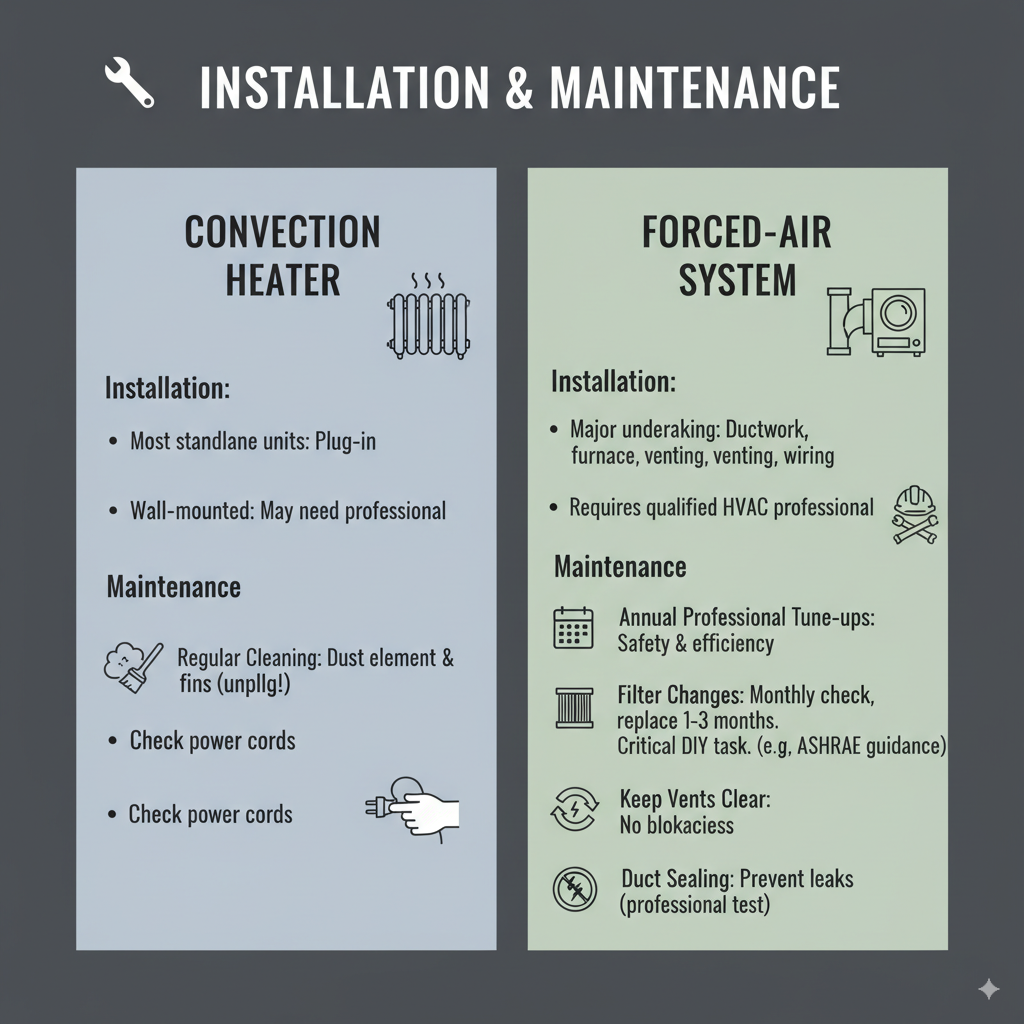
Installation: Most standalone convection heaters require no installation beyond plugging them into an electrical outlet. Wall-mounted units may require professional installation to ensure they are securely fastened and properly connected to power.
Maintenance: Regular cleaning is key. Dust can accumulate on the heating element and fins, reducing efficiency and potentially causing odors or fire hazards. Always unplug the unit before cleaning and follow the manufacturer’s instructions. Check power cords for damage periodically.
Forced-Air System Installation and Maintenance
Installation: Installing a new forced-air system is a major undertaking involving ductwork, the furnace or air handler, venting, and thermostat wiring. This requires a qualified HVAC professional. Proper installation is not just about comfort but also safety, especially with fuel-burning furnaces.
Maintenance:
Annual Professional Tune-ups: Essential for safety and efficiency. Technicians check the heat exchanger, burners, blower motor, thermostat, and refrigerant levels (for heat pumps).
Filter Changes: This is the most critical DIY maintenance task. Filters should be checked monthly and replaced typically every 1-3 months, depending on the filter type and home conditions. A clogged filter restricts airflow, reduces efficiency, and can strain system components. For guidance on MERV ratings and filter types, consider resources from organizations like ASHRAE (American Society of Heating, Refrigerating and Air-Conditioning Engineers).
Keeping Vents Clear: Ensure furniture, carpets, or drapes don’t block air vents or return grilles.
Duct Sealing: Over time, ductwork can develop leaks. Regular inspection and sealing are important for efficiency. Professionals can perform duct leakage tests.
Safety Considerations
Safety is paramount when it comes to home heating. Both systems have specific safety points to be aware of.
Convection Heater Safety
- Clearance: Always keep flammable materials (curtains, furniture, papers) at a safe distance from the heater, usually at least 3 feet.
- Supervision: Never leave portable heaters running unattended, especially if children or pets are present.
- Placement: Avoid placing them on soft surfaces like beds or carpets that could obstruct airflow or pose a fire risk. Use on a flat, stable surface.
- Tip-Over Protection: Many modern electric heaters have an automatic shut-off feature if they are accidentally tipped over. Ensure your unit has this.
- Electrical Cords: Do not run cords under rugs or carpets, as this can create a fire hazard. Ensure cords are in good condition.
- Specific Warnings: Read and follow all manufacturer instructions specific to your model.
Forced-Air System Safety
- Carbon Monoxide: For fuel-burning furnaces (gas, oil, propane), carbon monoxide leaks are a serious risk. Ensure you have working carbon monoxide detectors on every level of your home, especially near sleeping areas. A qualified technician will check for CO during their annual inspection.
- Professional Installation and Service: Always use licensed and reputable HVAC professionals for installation, maintenance, and repairs. Improperly installed or serviced furnaces can be dangerous.
- Ventilation: Ensure the area around the furnace is clear and properly ventilated, as per installation instructions, to prevent buildup of combustion gases.
- Electrical Safety: Like any electrical appliance, ensure wiring is up to code and in good condition.
FAQ: Your Convection vs. Forced Air Questions Answered
Q1: Which is better for a small apartment, convection or forced air?
For a small apartment, a convection heater (like an oil-filled radiator or portable electric unit) is often a practical and cost-effective choice for supplemental or primary heating. They are easy to use, require no installation, and allow you to heat only the space you’re occupying.