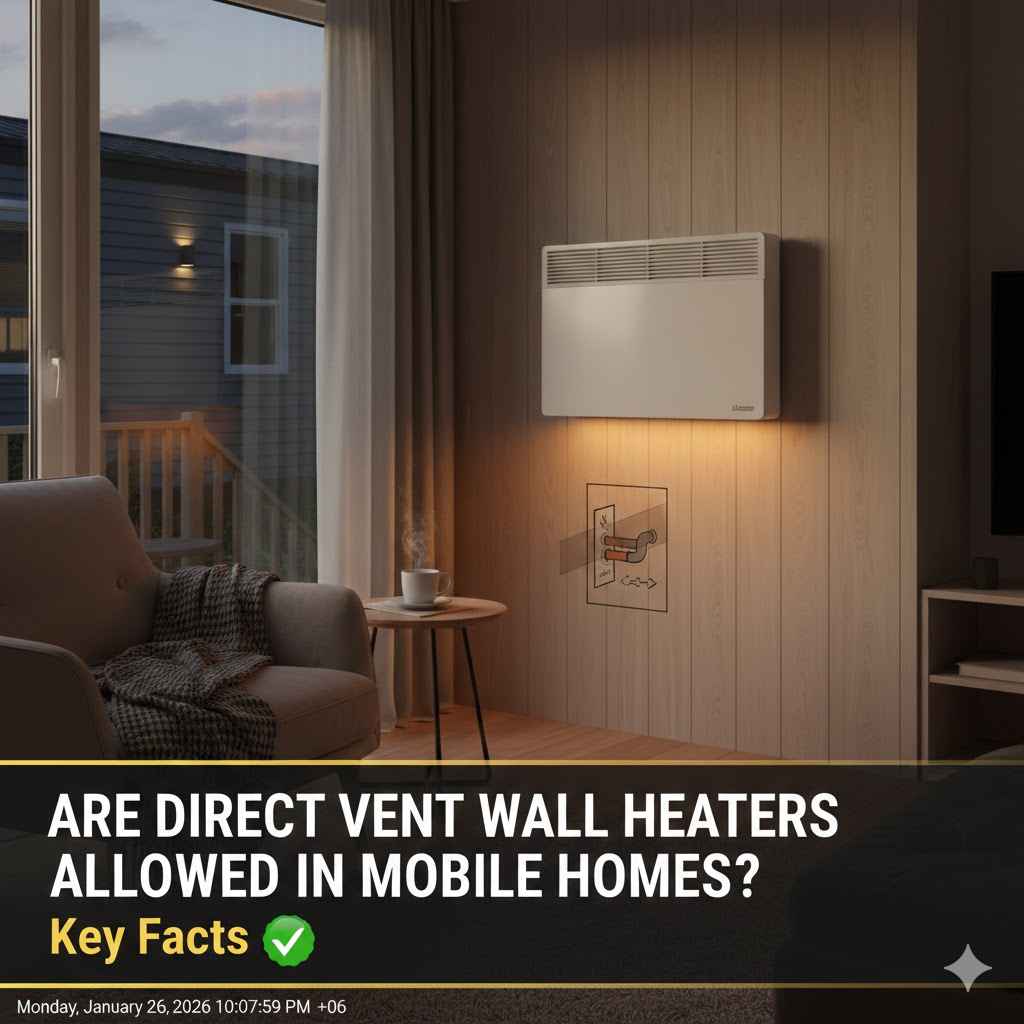
Yes, direct vent wall heaters can be allowed in mobile homes, but it’s crucial to check specific regulations and the heater’s compatibility. Federal, state, and local codes, alongside your mobile home’s manufacturer guidelines, dictate what’s permissible. Always ensure the unit is designed for manufactured housing and installed by a certified professional to guarantee safety and compliance.
Heating a mobile home can sometimes feel like solving a tricky puzzle. You want to stay warm and cozy without breaking the bank or compromising safety. Direct vent wall heaters often come up as a potential solution, promising efficiency and comfort. But can you actually install one in your mobile home? This is a common question, and it’s one that often leaves homeowners feeling frustrated due to conflicting information. Don’t worry! I’m Tanim, your friendly home heating guide, and I’m here to simplify everything. We’ll walk through the rules, the safety aspects, and exactly what you need to know to make the best, safest choice for your warm home.
Before we dive into whether they’re allowed, let’s get a clear picture of what a direct vent wall heater is. Think of it as a smart, self-contained heating unit that does two very important jobs at once: it brings in fresh air for combustion from outside and sends all the exhaust gases right back out. This “sealed system” is a big deal for safety and efficiency.
How They Work: A Breath of Fresh Air (Literally!)
- Sealed Combustion: Unlike traditional heaters that use air from inside your home for burning fuel, direct vent heaters have a completely sealed combustion chamber. This means no indoor air is used up, and no combustion byproducts like carbon monoxide can leak into your living space.
- Ventilation System: These heaters typically have a special dual-pipe vent. One pipe draws in clean outdoor air for the burning process, and the other expels all the exhaust gases safely back outside. This vent usually goes straight through an exterior wall, which is why they are called “direct vent.”
- Fuel Source: Direct vent heaters commonly run on natural gas or propane. They convert this fuel into heat, which then warms a heat exchanger. A fan then blows air over this hot exchanger and into your room.
This design makes them incredibly efficient and safe, as long as they are installed correctly. They offer consistent, quiet heat, and because they don’t rely on your indoor air, they can be great for air quality inside your home.
Mobile Home Heating Challenges: Why the Rules are Different
Mobile homes, also known as manufactured homes, are built a bit differently than site-built homes. These differences often mean there are special considerations when it comes to heating systems. Understanding these unique aspects helps explain why the rules around direct vent heaters (and all heating systems) can be very specific.
What Makes Mobile Homes Unique?
- Construction Standards: Mobile homes are built to federal Housing and Urban Development (HUD) standards, not traditional state or local building codes like site-built homes. These HUD standards (specifically 24 CFR Part 3280 for Manufactured Home Construction and Safety Standards) dictate everything from structural integrity to plumbing and, yes, heating and cooling.
- Space Constraints: Mobile homes often have limited wall space and floor plans that require compact, efficient heating solutions.
- Insulation and Air Sealing: While modern mobile homes are much better insulated than older models, their construction can still pose challenges for heat loss or air leakage if not properly addressed, making efficient heating crucial.
- Vibration and Movement: Although less of a concern once installed and leveled, mobile homes are designed for transport, and this can influence how appliances and venting systems need to be secured.
Because of these factors, not just any heater can be dropped into a mobile home. Manufacturers design specific appliances to meet HUD’s rigorous safety and performance requirements for manufactured housing. This brings us to the big question.
Are Direct Vent Wall Heaters Allowed in Mobile Homes? The Key Answer!
The short answer is: Yes, direct vent wall heaters can be allowed in mobile homes, but with very important conditions. It’s not a simple yes or no; it depends on a few critical factors.
The Deciding Factors: Check, Double-Check, and Triple-Check
- HUD Compliance: The most important factor is whether the specific direct vent wall heater unit is approved for installation in manufactured (mobile) homes under HUD standards. This will be clearly stated by the manufacturer. Look for labels or documentation indicating “Manufactured Home Approved” or “Mobile Home Certified.” Without this, it’s a non-starter.
- Manufacturer’s Guidelines for Your Mobile Home: Your mobile home’s original manufacturer may specify what types of heating units are permissible, especially if it affects structural integrity or warranty. Always consult your mobile home’s owner’s manual or contact the manufacturer directly.
- Local Building Codes and Permits: While HUD sets federal standards, local jurisdictions can have additional requirements or permitting processes for installing heating appliances. Always check with your local building department. They can advise on permits, inspections, and any specific local ordinances.
- Proper Sizing and Installation: Even if allowed, the heater must be correctly sized for your space and installed strictly according to the manufacturer’s instructions and all applicable codes. This almost always requires a certified HVAC technician or licensed plumber, especially when dealing with gas lines and venting.
It’s a common misconception that any direct vent heater is suitable. The “Key” here is compatibility and certification for manufactured housing. A heater designed for a stick-built home may not meet the specific structural and safety requirements for a mobile home, even if it’s the same “type” of heater.
Key Considerations for Safe Installation and Use
If you’ve confirmed that a specific direct vent wall heater is approved for your mobile home and local codes permit it, there are still crucial steps to ensure safe and effective operation.
Safety First: Non-Negotiable Rules
- Professional Installation: This is not a DIY project. Gas lines, electrical connections, and proper venting are complex and critical for safety. A certified HVAC technician or licensed plumber experienced with manufactured homes is essential. They will ensure the installation meets all manufacturer specifications and local codes.
- Gas Line Requirements: If you’re using natural gas or propane, the gas lines must be properly installed, sized, and leak-tested. Improper gas line work is extremely dangerous.
- Clearances to Combustibles: Every heater has minimum clearance requirements—how much space must be maintained between the heater and flammable materials like walls, furniture, or curtains. Ignoring these can lead to fires. Your installer will know these specifications from the heater’s manual.
- Vent Pipe Integrity: The direct vent pipe must be properly sealed and routed through the wall. Any leaks in the exhaust portion could allow carbon monoxide into your home.
- Carbon Monoxide Detector: Even with a sealed combustion system, it’s always wise to have a working carbon monoxide detector in your home as a backup safety measure.
Choosing the Right Heater for Your Space
- Sizing: Don’t just guess! A heater that’s too small won’t heat effectively, and one that’s too large will cycle on and off too frequently, leading to inefficiency and uneven heating. A professional can help calculate the correct BTU output needed for your mobile home’s square footage, insulation levels, and climate.
- Energy Efficiency: Look for heaters with high AFUE (Annual Fuel Utilization Efficiency) ratings to save on energy costs.
- Features: Consider features like a built-in thermostat, programmable settings, and quiet operation.
Remember, your mobile home is your sanctuary. Keeping it warm safely should always be the top priority. Trusting a professional ensures peace of mind.
Advantages and Potential Challenges for Mobile Homes
When considering direct vent wall heaters, it’s helpful to weigh the good with the challenging, especially in the context of a mobile home.
The Upsides: Why They’re a Great Option (When Allowed!)
- Enhanced Safety: The sealed combustion system is a major benefit. It eliminates the risk of combustion byproducts (like carbon monoxide) entering your living space, making them safer than unvented or B-vented options for many mobile home setups.
- Excellent Efficiency: By drawing in outdoor air and venting exhaust directly outside, direct vent heaters operate very efficiently. You’re not losing heated indoor air to combustion or venting, which saves on energy bills.
- No Indoor Air Depletion: Since they don’t use your home’s indoor air, they won’t dry out the air or reduce oxygen levels inside, leading to better indoor air quality.
- Space-Saving: Their wall-mounted design saves valuable floor space, which is often at a premium in mobile homes.
- Zone Heating Potential: You can install multiple units in different areas to create “zone heating,” allowing you to heat only the rooms you’re using, further boosting efficiency.
The Downsides: What to Watch Out For
- Installation Complexity: While the unit itself might seem simple, the venting and gas line installation require expertise and adherence to strict codes. This isn’t a DIY job for safety reasons.
- Initial Cost: The units themselves and the professional installation can represent a significant upfront investment compared to some simpler electric heaters. However, long-term operational savings often make up for it.
- Wall Penetration: Installing a direct vent heater means drilling a fairly large hole through an exterior wall for the vent pipe. This needs to be done carefully to maintain the mobile home’s structural integrity and weather sealing.
- Aesthetics: While sleek, the unit will be visible on your wall, and the exterior vent cap will be visible on the outside of your mobile home.
The benefits often outweigh the challenges, especially when considering safety and efficiency. However, acknowledging these points helps you make a fully informed decision.
Comparing Heating Options for Mobile Homes
To help you decide, let’s look at how direct vent wall heaters stack up against other common heating options for mobile homes.
| Heating Type | Pros | Cons | Mobile Home Suitability (General) |
|---|---|---|---|
| Direct Vent Wall Heater (Gas/Propane) | High efficiency, excellent safety (sealed combustion), good for zone heating, saves floor space. | Higher initial cost, professional installation required, wall penetration. | High (if HUD-approved and properly installed). |
| Electric Fan/Radiant Heater (Portable) | Low initial cost, portable, no installation. | Very high operating cost, only heats small areas, not a primary heat source. | Emergency/Supplemental only. |
| Electric Baseboard Heaters | Low initial cost, easy installation, quiet, no venting needed. | High operating cost, slow heating, can dry air. | Moderate (often used, but expensive to run). |
| Mini-Split Heat Pump (Ductless) | Highly efficient (heating & cooling), good for zone control, quiet. | Higher initial cost, professional installation, outdoor unit required. | High (excellent modern option). |
| Furnace (Central Gas/Propane) | Whole-home heating, typically very effective, often factory-installed in newer mobile homes. | Higher initial cost (if retrofitting), ductwork required, takes up space. | High (standard for many homes, requires specific mobile home furnace). |
| Wood Stove/Pellet Stove | Low fuel cost (if wood is free), cozy heat. | High fire risk (requires extreme caution), complex venting, takes up space, requires fuel storage and maintenance. | Low (Extremely difficult to meet mobile home safety codes, often not allowed or very complex to certify). |
This table gives you a quick snapshot. You can see why direct vent heaters are often considered a strong contender, balancing safety, efficiency, and space-saving design.
Steps to Ensure Compliance and Safe Installation
So, you’re leaning towards a direct vent wall heater. Great! Now, let’s talk about the practical steps you need to take to ensure everything is above board and safe.
Your Checklist for a Warm, Worry-Free Home
- Consult Your Mobile Home Manufacturer: This is your first and most crucial step. Dig out your mobile home’s owner’s manual or contact the manufacturer directly. Ask about specific heating system restrictions, recommendations, and any compatibility requirements for add-on heating units. They know the ins and outs of your home’s construction better than anyone.
- Verify Heater Certification: When shopping, look specifically for direct vent wall heaters that are clearly labeled or certified by the manufacturer as being suitable for “manufactured housing” or “mobile homes.” This is often indicated on the unit itself or in the product specifications. If it doesn’t say it, assume it’s not approved.
- Check Local Building Codes and Permitting: Before purchasing or installing anything, contact your local building department (city or county). Explain that you live in a mobile home and want to install a direct vent wall heater. Ask about:
- Required permits for gas appliance installation.
- Specific codes or regulations for heating in manufactured homes in your area.
- Any necessary inspections.
You can often find this information on your local government’s website or by making a quick phone call. For example, some jurisdictions might defer primarily to HUD standards, while others layer on additional local fire or safety codes.
- Hire a Certified Professional Installer: This cannot be stressed enough. Select a licensed and insured HVAC technician or plumber who has experience with both gas appliance installation and manufactured homes.
- They will ensure proper gas line connections and pressure.
- They will ensure the vent system is correctly sealed and routed.
- They will verify proper clearances to combustible materials.
- They will ensure the installation meets all manufacturer specifications and local codes.
- They can also help with sizing the unit for your space.
A reputable professional will also be familiar with the permitting and inspection process in your area.
- Obtain Required Permits and Schedule Inspections: Your professional installer will often handle the permit application process. Once the installation is complete, make sure the necessary inspections (gas, mechanical, etc.) are performed by the local authorities. This ensures that the work was done correctly and safely, and it protects you in the long run.
- Regular Maintenance: Once installed, schedule annual maintenance with a qualified technician to ensure your heater continues to operate safely and efficiently. This includes checking the combustion system, vent pipes, gas connections, and thermostat calibration.
Following these steps might seem like a lot, but each one is a vital link in the chain of ensuring your heating system is safe, efficient, and compliant. Skipping any step could lead to hazards, voided warranties, or legal issues.
Navigating Regulations: What to Look For
The regulatory landscape for mobile homes and heating systems can seem daunting, but knowing where to look for information makes it much easier. Here’s a quick guide to what regulatory information matters most.
Regulatory Checklist for Your Heater
When you’re researching heaters and talking to professionals, keep this regulatory checklist in mind:
| Regulatory Aspect | What to Look For / Ask | Why It Matters |
|---|---|---|
| HUD Code Compliance (Federal) | “Manufactured Home Approved” or “Mobile Home Certified” on the heater unit and in its manual. | The foundational safety and construction standard for all manufactured homes. If a heater isn’t compliant, it’s not allowed. |
| NFPA 31 & NFPA 54 (Industry Standards) | Your installer should be familiar with these (Standard for the Installation of Oil-Burning Equipment & National Fuel Gas Code). | These codes from the National Fire Protection Association set best practices for fuel gas and oil appliance installation, ensuring fire safety. |
| Local Building Codes | Check with your city/county building department for any specific local ordinances or amendments to state codes. | While HUD covers federal, local jurisdictions can have additional requirements, especially concerning permits and inspections. |
| Manufacturer’s Installation Manual | Always follow the specific instructions that come with your direct vent heater, particularly for clearances and venting. | These instructions are designed to ensure safe and efficient operation of that specific unit and are often tied to the heater’s certification. |
Don’t be afraid to ask your professional installer questions about these codes. A good installer will be happy to explain how they are ensuring compliance.
FAQ: Your Common Questions Answered
Q1: Can I install a direct vent wall heater myself in my mobile home?
A1: No, absolutely not. Installing a direct vent wall heater involves gas lines, electrical connections, and proper venting through an exterior wall. These tasks require specialized knowledge, tools, and strict adherence to safety codes. Improper installation can be extremely dangerous, leading to gas leaks, carbon monoxide poisoning, or fires. Always hire a certified HVAC technician or licensed plumber experienced with manufactured homes.
Q2: How do I know if a specific direct vent heater is approved for mobile homes?
A2: You need to check the heater’s product specifications, owner’s manual, or packaging. Look for clear labeling that states “Manufactured Home Approved,” “Mobile Home Certified,” or indicates compliance with HUD standards for manufactured housing. If this designation isn’t explicitly stated, do not assume it’s suitable.
Q3: What’s the main difference between a direct vent heater and an unvented gas heater?
A3: The biggest difference is safety. A direct vent heater uses a sealed combustion system that draws fresh air from outside and vents all exhaust gases directly back outside. An unvented gas heater, however, draws air from inside your home for combustion and releases its exhaust (including carbon monoxide and water vapor) directly into your living space. Due to safety concerns regarding indoor air quality, unvented heaters are generally not recommended, and often prohibited, in mobile homes.
Q4: Are electric direct vent heaters an option for mobile homes?
A4: While there are electric wall heaters, the “direct vent” term specifically refers to gas or propane heaters that vent combustion byproducts outside. Electric heaters don’t produce combustion byproducts, so they don’t require venting in the same way. Electric wall heaters are generally allowed in mobile homes and can be a good option for supplemental heat, but they are often more expensive to operate than gas-fired direct vent units for primary heating.
Q5: Will installing a direct vent heater void my mobile home’s warranty?
A5: Potentially, yes, if not done correctly. Installing any appliance that isn’t approved by your mobile home’s manufacturer, or if the installation doesn’t follow all applicable codes and professional standards, could void parts of your home’s warranty. Always consult your mobile home manufacturer and ensure professional, compliant installation to avoid such issues.
Q6: How much does it cost to install a direct vent wall heater in a mobile home?
A6: The cost can vary widely depending on the heater’s BTU output, brand, your location, and the complexity of the installation (e.g., if new gas lines need to be run). Generally, you can expect the unit itself to range from $500 to $1,500, with professional installation adding another $500 to $1,500 or more. Always get multiple quotes from licensed professionals.
Q7: Can a direct vent wall heater provide enough heat for my entire mobile home?
A7: It depends on the size of your mobile home and the BTU output of the heater. For smaller mobile homes or as a primary heater in specific zones (like a living room or large bedroom), a single direct vent heater might be sufficient. For larger mobile homes or those in very cold climates, you might need multiple units for effective zone heating or a central furnace for whole-home coverage. A professional can help you properly size the unit(s) needed.
Conclusion: Warmth and Safety, Hand in Hand
Deciding on the right heating solution for your mobile home is a significant choice, and direct vent wall heaters offer a compelling blend of safety and efficiency. While the answer to “Are direct vent wall heaters allowed in mobile homes?” isn’t a simple “yes,” it’s certainly a hopeful “yes, with careful planning and professional help!” The key is always to prioritize safety, compliance, and proper installation.
By checking with your mobile home’s manufacturer, verifying the heater’s specific certification for manufactured housing, consulting local building codes, and always entrusting the installation to a certified professional, you can confidently bring the warmth and comfort of a direct vent wall heater into your home. Remember, a cozy home is a safe home, and with the right guidance, you can achieve both.