
Plug-in wall heaters can be safe when used correctly. The key is to choose a certified heater with modern safety features, plug it directly into a wall outlet, keep it clear of flammable materials, and never leave it unsupervised. Following simple safety guidelines ensures efficient, warm, and secure supplemental heating in your home.
Feeling chilly in one room but don’t want to crank up the whole house’s heat? Plug-in wall heaters often seem like a perfect, quick fix. But a common worry whispers, “Are these little warmers truly safe?” It’s a very fair question that many homeowners and renters ask, often feeling confused by conflicting advice or simply unsure what to look for. You want to stay warm without creating any risks. Don’t worry, you’re in the right place! We’ll walk through everything you need to know about plug-in wall heater safety, offering simple steps and clear advice to keep your home cozy and secure.
Understanding Plug-In Wall Heaters
Plug-in wall heaters, also known as portable electric heaters, are incredibly popular for spot heating or adding warmth to a specific room. They come in many shapes and sizes, each designed to heat your space in slightly different ways. Knowing how they work can help you understand their safety features better.
Types of Portable Electric Heaters
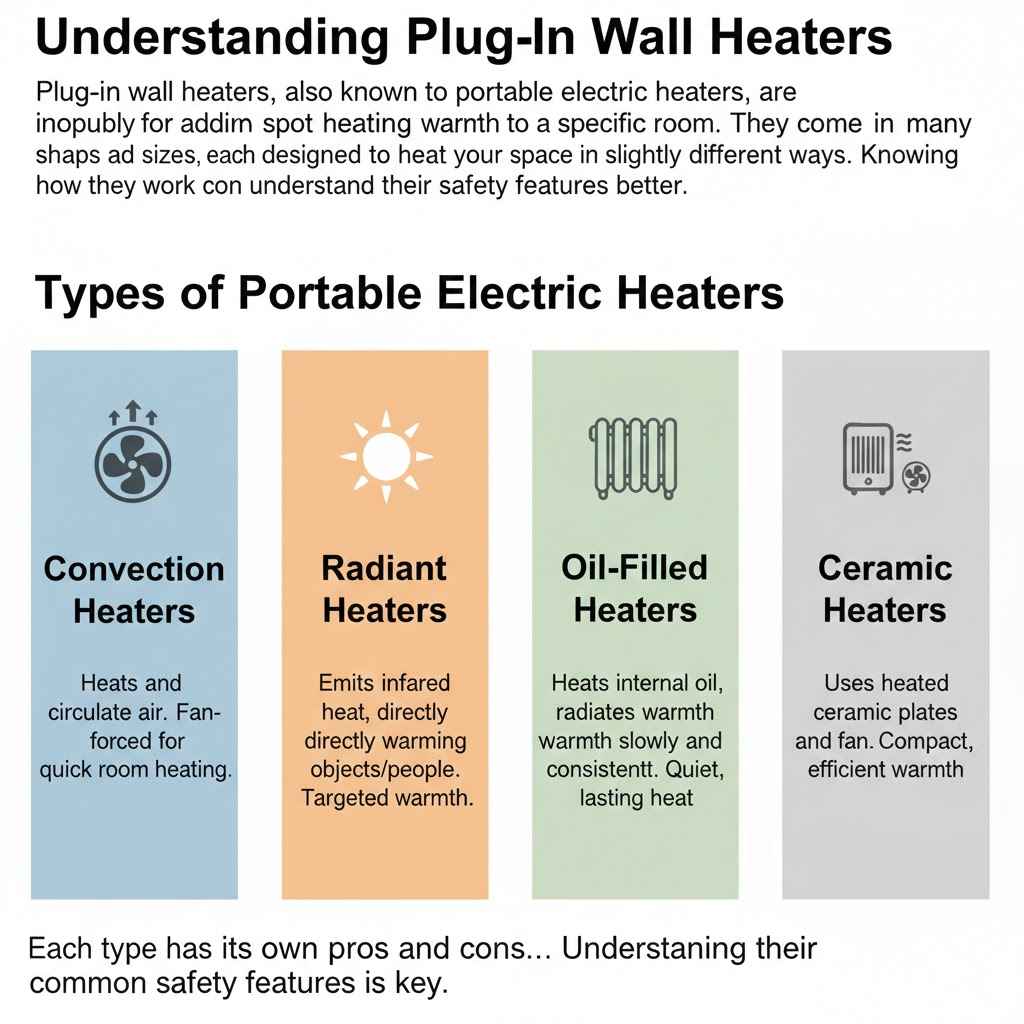
Portable heaters generally fall into a few main categories based on how they generate and distribute heat:
- Convection Heaters: These often use a heating element to warm the air, which then rises and circulates. Fan-forced heaters are a common type, blowing air over a hot coil to quickly spread warmth. They are great for quickly heating a room.
- Radiant Heaters: These heaters emit infrared radiation, which directly heats objects and people in its path, rather than just the air. Think of the warmth from the sun on your skin – that’s radiant heat. They are effective for targeted warmth.
- Oil-Filled Heaters: These look like old-fashioned radiators. They contain oil that is heated by an electric element, and the oil then radiates warmth into the room. They heat up slowly but retain heat for a long time, providing quiet, consistent warmth.
- Ceramic Heaters: These use ceramic plates with aluminum fins to generate heat. A fan then blows air over these heated plates, distributing the warmth. They are generally compact and efficient.
Each type has its own pros and cons, especially when it comes to how quickly they heat and how much power they draw. Most importantly, understanding their common safety features is key to feeling confident about using them.
The Safety Question: Addressing Key Concerns
When you’re dealing with anything that generates heat and uses electricity, safety has to be your top priority. Plug-in wall heaters, while convenient, do come with certain risks if not handled correctly. Let’s look at the main things to be aware of.
Fire Risk: Overheating and Combustibles
This is the biggest concern with any portable heater. Heaters generate intense heat, and if that heat comes into contact with flammable materials, a fire can start quickly.
- Overheating: If a heater’s internal components get too hot, it can spark or melt, potentially igniting nearby materials. Modern heaters have safety features to prevent this, but older models or damaged units might be risky.
- Combustibles: Anything that can catch fire – curtains, bedding, furniture, rugs, paper, even pet beds – must be kept a safe distance away from a running heater. The heat radiating from the unit can ignite these items without direct contact.
Electrical Safety: Circuits, Cords, and Outlets
Since these are electric heaters, how you power them is crucial.
- Overloaded Circuits: Portable heaters draw a lot of power. Plugging one into an electrical circuit that is already powering many other appliances can overload the circuit. This causes the circuit breaker to trip, shutting off power, but it can also lead to overheating wires and potential electrical fires if the breaker fails.
- Damaged Cords or Plugs: Frayed cords, bent prongs, or cracked plugs are serious fire hazards. They can create shorts or allow wires to overheat.
- Extension Cords: Using extension cords with portable heaters is generally a big “no.” Most extension cords aren’t designed to handle the high wattage demand of a heater. This can cause the cord to overheat, melt, and start a fire. If an extension cord is absolutely necessary, it must be a heavy-duty appliance-grade cord, rated for the heater’s wattage, and kept as short as possible. However, plugging directly into a wall outlet is always the safest option.
Placement Hazards: Tipping and Obstruction
Where you put your heater matters a great deal.
- Unstable Surfaces: Placing a heater on a wobbly table or uneven floor increases the risk of it tipping over. If it tips, it could fall onto flammable items or get damaged.
- High-Traffic Areas: A heater placed in a busy doorway or walkway is an accident waiting to happen. Someone could trip over it or knock it over, risking burns or a fire.
- Blocking Vents: Make sure nothing is blocking the heater’s air intake or output vents. This can cause the unit to overheat.
Child and Pet Safety: Burns and Curious Noses
Little ones and furry friends are naturally curious, and heaters can be dangerous for them.
- Burns: The surfaces of many heaters, especially radiant types, can get very hot and cause severe burns upon contact.
- Tipping Risk: A curious toddler or playful pet could easily knock over a heater, exposing them to hot surfaces or creating a fire hazard.
Carbon Monoxide: A Myth for Electric Heaters
It’s important to clarify this point: electric plug-in heaters do NOT produce carbon monoxide. Carbon monoxide is a byproduct of burning fuels (like gas, wood, kerosene). Since electric heaters don’t burn anything, they pose no carbon monoxide risk. This makes them a safer choice in terms of air quality compared to fuel-burning alternatives. You can learn more about carbon monoxide safety from reliable sources like the CDC’s Carbon Monoxide Poisoning Prevention page.
Making Them Safe: Essential Tips for Use
Now that we understand the potential risks, let’s talk about how to prevent them. Using your plug-in wall heater safely is easier than you might think, and it largely comes down to smart choices and careful habits.
Choosing the Right Heater
Safety starts before you even plug it in. Picking a heater with the right features is crucial.
Look for Safety Certifications
Always check for a recognized safety certification mark on the heater. In North America, this typically includes:
- UL (Underwriters Laboratories): A well-known third-party testing organization.
- ETL (Intertek): Another reputable testing and certification agency.
- CSA (Canadian Standards Association): Common in Canada.
These marks mean the product has been tested to meet specific safety standards. You can often find information about product safety and recalls from organizations like the U.S. Consumer Product Safety Commission (CPSC).
Consider Wattage and Room Size
Heaters come with different wattage ratings (e.g., 750W, 1500W). A higher wattage means more heat, but also more power draw. Choose a heater appropriate for the room size you’re heating. An undersized heater will run constantly and might not effectively heat the space, while an oversized one might be overkill and draw unnecessary power. Most portable heaters are around 1500 watts, which is the maximum for a standard 15-amp household circuit.
Essential Safety Features to Look For
Modern portable heaters often come with built-in safety features that are vital for preventing accidents.
| Safety Feature | What It Does | Why It Matters |
|---|---|---|
| Tip-Over Switch | Automatically turns the heater off if it gets knocked over. | Prevents the hot heating element from coming into contact with floors or flammable materials if the unit tips. |
| Overheat Protection | Shuts the heater off if its internal components reach an unsafe temperature. | Guards against internal malfunction or blockages that could lead to overheating and fire. |
| Cool-Touch Exterior | Keeps the outer casing from getting dangerously hot to the touch. | Reduces the risk of accidental burns, especially important for homes with children or pets. (Note: Not all heaters have this, especially radiant ones.) |
| Automatic Thermostat | Maintains a set temperature by turning the heater on and off as needed. | Prevents constant running, saves energy, and reduces overall heat stress on the unit. |
Proper Placement
Once you have your safe heater, where you put it makes all the difference.
Maintain Clearance from Combustibles
This is perhaps the most critical rule: “Give space to your heater!” The National Fire Protection Association (NFPA) recommends keeping portable heaters at least three feet (one meter) away from anything that can burn. This includes curtains, bedding, furniture, rugs, paper, clothing, and even holiday decorations. Heat radiates outwards, and even without direct contact, items too close can ignite.
Place on a Stable, Level Surface
Always put your heater on a flat, hard, and stable surface where it can’t be easily knocked over. Avoid carpets or rugs as they can obstruct airflow underneath or get too hot. Never place a heater on top of furniture, shelves, or in unstable spots where it might fall.
Avoid High-Traffic Areas and Wet Locations
Don’t put a heater where people are likely to walk or where it could be tripped over. Keep it away from doorways, hallways, and busy play areas. Also, never use an electric heater in a bathroom or other wet locations, unless it is specifically designed and rated for such use (e.g., a wall-mounted bathroom heater with GFCI protection). Water and electricity are a dangerous combination.
Electrical Dos and Don’ts
This section focuses on the “how” of plugging in your heater.
Plug Directly into a Wall Outlet
Always plug your portable heater directly into a wall outlet. This cannot be stressed enough. Extension cords and power strips are generally not designed to handle the high power draw of a heater and can quickly overheat, melt, or cause a fire. If you must use an extension cord (which is highly discouraged), ensure it is a heavy-duty, appliance-grade cord specifically rated for the heater’s wattage, and always check the cord for heat during use.
Avoid Overloading Circuits
Portable heaters draw a lot of power, typically around 1500 watts. A standard household circuit is usually rated for 15 amps, which means it can handle about 1800 watts (15 amps x 120 volts = 1800 watts). If you have other high-wattage appliances (like a vacuum cleaner, hair dryer, or microwave) on the same circuit as your heater, you risk overloading it. This will cause the circuit breaker to trip, cutting power to prevent overheating. If your breaker trips often, it’s a sign your heater or other appliances are on an overloaded circuit. Consider moving the heater to a different outlet on another circuit, or reducing the number of other appliances running simultaneously. The Electrical Safety Foundation International (ESFI) offers excellent resources on safe electrical practices.
Inspect Cords and Plugs Regularly
Before each use, quickly check the heater’s power cord and plug. Look for:
- Frayed wires or cracked insulation.
- Bent or damaged prongs on the plug.
- Signs of melting or discoloration on the cord or plug.
If you see any damage, stop using the heater immediately and either have it professionally repaired or replace it. Never try to repair a damaged cord yourself.
Supervision and Maintenance
Even the safest heater needs a little attention.
Never Leave Heaters Unattended
Portable heaters should never be left unsupervised. This means:
- Turn them off when you leave a room, even for a short time.
- Turn them off when you go to sleep.
- Never let them run overnight while you’re sleeping.
This is a critical rule. If an accident were to occur (e.g., it tips over, something falls on it, or an electrical issue develops), being present allows you to react immediately.
Keep Them Clean
Dust and debris can build up on heater vents and internal components. This can reduce efficiency, cause the heater to work harder, and even pose a fire risk if the dust ignites.
- Regularly unplug the heater and use a vacuum cleaner with a brush attachment or a can of compressed air to clean dust from the vents and grilles.
- Wipe down the exterior with a damp cloth (ensure it’s unplugged and completely dry before plugging it back in).
Inspect for Damage
Periodically check the entire heater for any signs of damage:
- Cracked casing.
- Loose parts.
- Unusual noises or smells during operation (unplug immediately if you notice these).
If your heater is old, often drops, or seems to be malfunctioning, it’s safer to replace it than risk using a potentially unsafe unit.
Child and Pet Safety Measures
If you have children or pets, take extra precautions:
- Placement: Position the heater out of their reach or in a room they cannot access unsupervised.
- Safety Gates: Consider using baby gates or pet barriers to create a safe zone around the heater.
- Cool-Touch Models: If possible, opt for heaters with cool-touch exteriors, though even these can get warm.
- Supervision: Always supervise children and pets when a heater is in use.
Debunking Common Myths About Plug-In Heaters
Misinformation can lead to unsafe practices. Let’s clear up some common myths about plug-in wall heaters.
Myth 1: “All Plug-In Heaters Are Dangerous.”
Fact: This is not true. While there are risks, modern plug-in heaters with proper safety certifications (like UL, ETL, CSA) and features (tip-over switch, overheat protection) are designed to be safe when used correctly. The danger comes from improper usage, not from the heaters themselves. Following manufacturers’ instructions and common-sense safety rules makes them a viable and safe heating option for many homes.
Myth 2: “You Can Use Any Extension Cord, As Long As It’s Long Enough.”
Fact: Absolutely not. This is one of the most dangerous misconceptions. As discussed, most standard extension cords are too thin to handle the high amperage draw of a portable heater. They will overheat and pose a significant fire hazard. You must use a heavy-duty extension cord specifically rated for appliance use and the heater’s wattage, and even then, direct wall plugging is always preferred. If you must use an extension cord, ensure it is as short as possible and check it frequently for signs of warmth. A warm cord is a dangerous cord.
Myth 3: “Electric Heaters Cause Carbon Monoxide Poisoning.”
Fact: Electric heaters do not produce carbon monoxide. Carbon monoxide (CO) is a byproduct of incomplete combustion, meaning when fuels like natural gas, propane, kerosene, wood, or charcoal are burned. Since electric heaters use electricity, not fuel, they do not release CO. This makes them a safe choice in terms of air quality compared to fuel-burning heaters. However, all homes, regardless of heating type, should have working carbon monoxide detectors as other appliances or external sources can produce CO.
When to Upgrade or Seek Alternatives
Even with the best safety practices, sometimes a plug-in heater might not be the best long-term solution, or your current unit might be past its prime.
Signs It’s Time for an Upgrade
Consider replacing your portable heater if:
- It lacks modern safety features: If it doesn’t have a tip-over switch or overheat protection, it’s outdated and riskier.
- It’s old or damaged: Frayed cords, strange noises, burning smells, or a cracked casing are all signs it’s time for a new one.
- You constantly overload circuits: If your circuit breaker frequently trips when the heater is on, it indicates a recurring electrical issue that a newer, more efficient model might alleviate, or it signals a need for a different heating strategy.
- It’s inefficient: Older heaters might be less energy-efficient, costing you more in electricity bills. Newer models often have better thermostats and energy-saving modes.
Exploring Other Heating Options
If supplemental heating is a regular need, or if you’re concerned about relying on portable units, you might consider other options:
- Permanently Installed Wall Heaters: These are hard-wired into your home’s electrical system, eliminating cord issues and offering a more fixed, often safer, heating solution for specific rooms.
- Baseboard Heaters: Similar to wall heaters, these are fixed, quiet, and good for consistent warmth, but require professional installation.
- Central Heating Systems: If your home has central heating but specific rooms are cold, you might explore zone heating options or professional insulation upgrades to improve overall efficiency.
- Infrared Panels: These can be wall-mounted and offer efficient, targeted radiant heat without moving parts or fans.
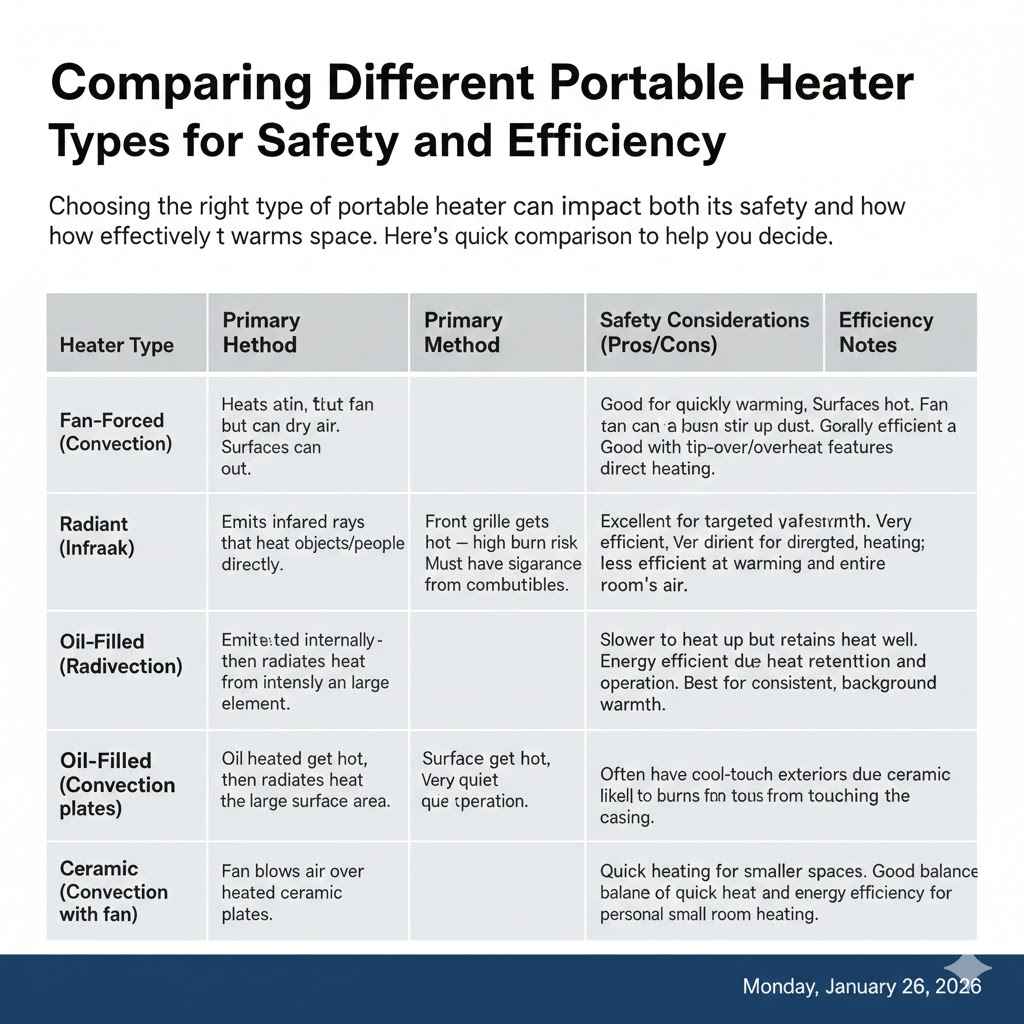
Comparing Different Portable Heater Types for Safety and Efficiency
Choosing the right type of portable heater can impact both its safety and how effectively it warms your space. Here’s a quick comparison to help you decide.
| Heater Type | Primary Heating Method | Safety Considerations (Pros/Cons) | Efficiency Notes |
|---|---|---|---|
| Fan-Forced (Convection) | Heats air, then a fan blows it out. |
| Good for quickly warming a small-medium room. Generally efficient at direct heating. |
| Radiant (Infrared) | Emits infrared rays that heat objects/people directly. |
| Very efficient for direct, targeted heating; less efficient at warming an entire room’s air. |
| Oil-Filled (Radiant/Convection) | Oil is heated internally, then radiates heat from the large surface area. |
| Energy efficient due to heat retention and silent operation. Best for consistent, background warmth. |
| Ceramic (Convection with fan) | Fan blows air over heated ceramic plates. |
| Good balance of quick heat and energy efficiency for personal or small room heating. |
Frequently Asked Questions About Plug-In Wall Heaters
Q1: Can I leave my plug-in heater on overnight while I sleep?
A: No, it is strongly recommended that you never leave a portable heater on while you are sleeping. If a problem occurs, like the heater tipping over or an electrical fault, you would not be awake to react, increasing the risk of fire.
Q2: How far should a plug-in heater be from furniture or curtains?
A: You should always keep a portable heater at least three feet (one meter) away from anything that can burn, such as furniture, curtains, bedding, rugs, and paper. This prevents heat from igniting flammable materials.
Q3: Why shouldn’t I use an extension cord with my heater?
A: Most extension cords are not built to handle the high wattage (power) that portable heaters draw. Using one can cause the extension cord to overheat, melt, and potentially start a fire. Always plug your heater directly into a wall outlet.
Q4: What safety features should I look for when buying a new heater?
A: Look for a heater with a recognized safety certification mark (like UL, ETL, or CSA), an automatic tip-over switch that turns it off if it falls, and overheat protection that shuts it down if it gets too hot. A cool-touch exterior is also a plus.
Q5: Do electric plug-in heaters produce carbon monoxide?
A: No, electric plug-in heaters do not produce carbon monoxide. Carbon monoxide is created when fuels are burned. Since electric heaters use electricity and not fuel, they are safe from a carbon monoxide perspective.
Q6: My circuit breaker keeps tripping when I use my heater. What does that mean?
A: If your circuit breaker keeps tripping, it means the circuit is overloaded. Portable heaters draw a lot of power, and you likely have too many appliances plugged into the same electrical circuit. Try moving your heater to an outlet on a different circuit, or unplugging other high-power devices on that circuit.
Q7: Can I use a plug-in heater in my bathroom?
A: Generally, no. Most portable electric heaters are not safe for use in wet or damp locations like bathrooms due to the risk of electric shock. If you need a heater for a bathroom, look for models specifically designed and rated for bathroom use, which often include features like GFCI (Ground Fault Circuit Interrupter) protection and permanent installation.
Conclusion
Navigating the world of home heating can seem daunting, but when it comes to plug-in wall heaters, safety is within your control. We’ve seen that these handy devices are not inherently dangerous, but their safety hinges entirely on how you choose and use them. By selecting a certified heater equipped with modern safety features like tip-over switches and overheat protection, and by consistently following simple guidelines—like plugging directly into a wall outlet, keeping a safe distance from combustibles, and never leaving them unattended—you can confidently enjoy their warmth. Remember, your comfort should never come at the expense of your family’s safety. With a little care and attention, your plug-in heater can be a safe, effective way to keep your home cozy all season long. Stay warm, and stay safe!