Do All Modern Heaters Have Overheat Protection Built In?
When it comes to keeping your home warm and cozy, safety is a top priority. You might be wondering if all modern heaters come equipped with overheat protection.
For a related heater topic, Are All Chinese Diesel Heaters the Same? Find Out! gives readers a useful next step.
After all, the last thing you want is a heater that poses a risk to your home and loved ones. Picture this: you’re snuggled up on a chilly evening, completely relaxed, knowing that your heater is doing its job safely and efficiently.
That’s peace of mind, isn’t it? But how can you be sure your heater has this vital feature? We’ll uncover the truth about overheat protection in modern heaters and help you make informed choices for your home. Keep reading to discover how you can stay warm without worry.
Types Of Modern Heaters
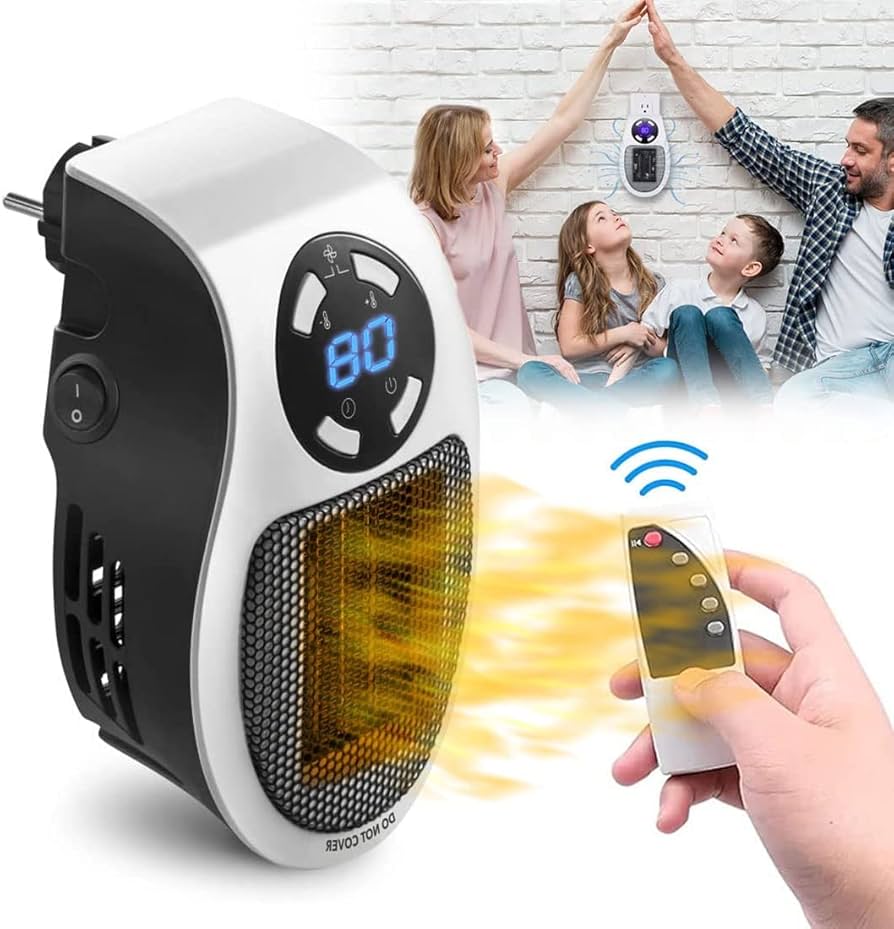
Electric heaters are common in homes. They use electricity to warm rooms. These heaters are easy to use. Many have overheat protection. This feature keeps them safe. If they get too hot, they turn off. This helps prevent fires. Electric heaters come in many sizes. Some are small and portable. Others are big and fixed in place. Many people like them for quick warmth.
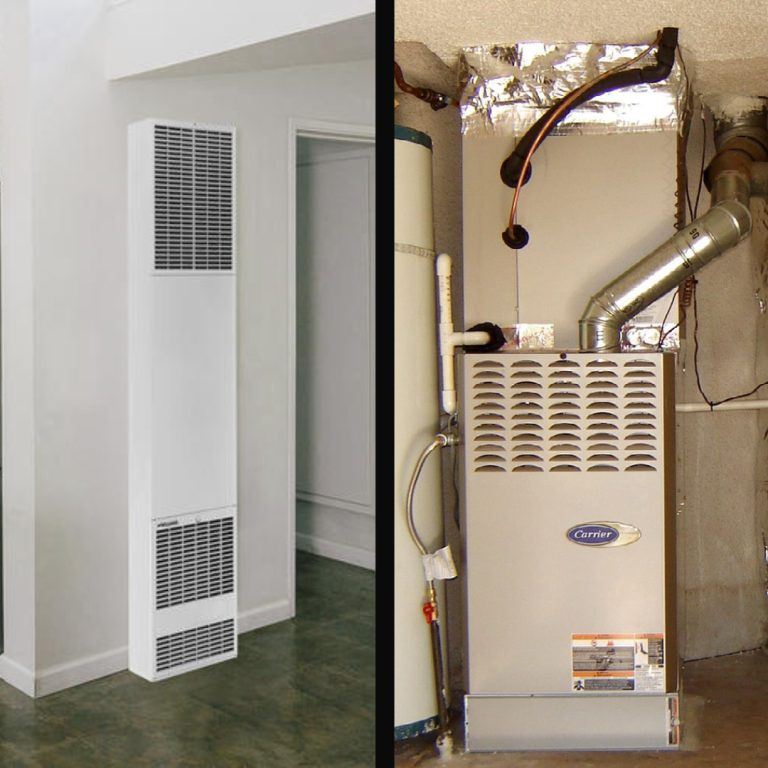
Gas heaters use natural gas or propane. They are powerful. Gas heaters can warm large areas. They are often used in big rooms. Many have safety features. Overheat protection is one of them. This makes them safer to use. Some need a vent to the outside. This helps let out gases.
Oil-filled radiators are quiet. They use electricity to heat oil inside. The warm oil then heats the room. They are good for consistent heat. These heaters stay warm even after turning off. They have overheat protection too. This keeps them safe. Oil-filled radiators are heavy. They often have wheels to move them easily.
What Is Overheat Protection?
Overheat protection is a safety feature in heaters. It stops the heater from getting too hot. Heaters can cause fires if they overheat. This feature turns the heater off if it gets too hot. It helps to keep your home safe. Many modern heaters have this feature. It is very important for safety.
This feature works using a special sensor. The sensor checks the temperature. If the temperature is too high, it sends a signal. The heater then turns off. This stops the heater from burning. It is a simple yet effective way to protect homes.
Safety is very important. Overheat protection helps in preventing fires. Many fires start because of overheating. This feature stops such fires. It is a must-have in heaters. Parents feel safe with this feature. It protects children and pets too. Always check for this feature in heaters.
Common Safety Features In Heaters
Many modern heaters have automatic shut-off
Tip-over protectionis crucial. It helps when the heater falls over. Heaters can be dangerous if they tip over. This feature turns the heater off if it tips. It stops fires from starting. You can feel safe with tip-over protection. It is a must-have for heaters. It keeps you and your family safe. Heaters with this feature are smart and safe.
Thermal cut-outprotects the heater. It stops the heater when it overheats. This feature saves energy. It also keeps the heater from breaking. Thermal cut-out is found in many heaters. It is a smart feature. It makes heaters last longer. You can trust heaters with this feature. They are safe and reliable.
Credit: www.ebay.com
Do All Heaters Include Overheat Protection?
Not all heaters have overheat protection. Different brands offer different features. Some focus on safety. Others might skip these features. Safety features can add to the cost. Cheaper models may lack them. It’s important to check before buying. Always read the product details. Some brands are known for safety. Others focus on performance. Look for safety certifications. It’s a good sign.
Many countries have safety standards. Heaters must follow these to be sold. Standards ensure basic safety. But not all heaters go beyond this. Some brands exceed standards. They offer extra safety features. Always check for certifications. Look for trusted safety marks. It means the heater is tested. It meets safety rules.
How To Choose A Safe Heater
Always check the manufacturer specifications. This helps you know if the heater is safe. Many modern heaters have overheat protection. This stops the heater from getting too hot. Look for this feature in the product details.
Some heaters also have tip-over protection. This is important if you have kids or pets. It turns off the heater if it falls over. Another feature to look for is a cool-touch surface. This keeps the outside of the heater cool. So, it is safe to touch.
Safety should be the top concern. Choose heaters with automatic shut-off features. This turns the heater off if it gets too hot. Timers are also useful. They let you set how long the heater runs. Thermostats help keep the temperature steady. They prevent overheating by controlling the heat level.
Check for certification labels. These show that the heater meets safety standards. Look for labels like UL or ETL. These are signs of a safe product. Always read the safety instructions. This ensures you use the heater correctly.

Credit: www.ebay.com
Maintaining Heater Safety
Regular inspectionshelp keep heaters safe. Look at the heater often. Check for dust or damage. Clean it when needed. A clean heater works better. It also lasts longer.
Read the user manualcarefully. Follow the instructions. Use the heater as advised. Keep it away from water. Water can cause problems. Never cover the heater while it’s on. It can get too hot.
Place the heater on a flat surface. This prevents tipping. Check the heater’s cord often. Look for frays or cuts. A damaged cord can be dangerous. Make sure the plug fits well. An improper fit can cause overheating.
Turn off the heater when you leave. Never leave it running alone. This reduces fire risks. Teach kids to stay away from heaters. Safety first, always.

Credit: www.amazon.com
Frequently Asked Questions
Should I Plug My Electric Heater Into A Surge Protector?
Plugging an electric heater into a surge protector is not recommended. Surge protectors may not handle the heater’s high power demand. Directly plugging into a wall outlet is safer. Overloading surge protectors can cause overheating, posing a fire risk. Always follow manufacturer guidelines for electrical appliances.
Do All Space Heaters Have Tip-over Protection?
Not all space heaters have tip-over protection. Many modern models include this safety feature, but older or cheaper ones might not. Always check product specifications to ensure your heater includes tip-over protection for safety. This feature automatically turns off the heater if it tips over, preventing accidents.
Do Space Heaters Have Safety Features?
Yes, space heaters often come with safety features. Common features include tip-over protection, overheat protection, and cool-touch exteriors. These features help prevent accidents and ensure safe operation. Always check for safety certifications when purchasing a space heater.
Can Electric Heaters Overheat?
Yes, electric heaters can overheat if not used properly. Ensure proper ventilation and avoid covering the heater. Regular maintenance and checking for dust build-up can prevent overheating. Always follow the manufacturer’s guidelines for safe use and consider models with built-in safety features like automatic shut-off.
Conclusion
Modern heaters mostly have overheat protection. It boosts safety, preventing accidents. Check product details before buying a heater. Not all models offer this feature. Overheat protection is important for peace of mind. It helps maintain safe temperatures. Your heater should be reliable and efficient.
Always prioritize safety in home appliances. Review user feedback and expert opinions. They provide useful insights. Choose wisely for a safer, warmer home. Stay informed, stay safe. Make smart choices in heating solutions. Protect your space and loved ones. Warmth and safety go hand in hand.