Portable Heaters for Cars: Do They Exist and Work?
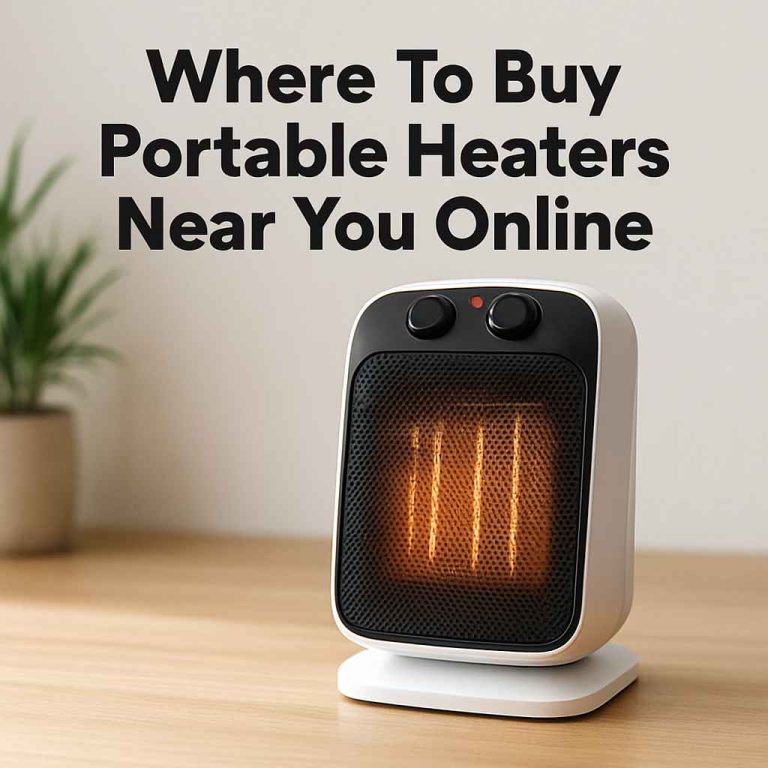
Yes, there are portable heaters designed for cars, offering a convenient way to warm up your vehicle before a long drive or during extreme cold. These devices, often powered by your car’s 12-volt outlet, can bring a welcome level of comfort and defog windows quickly.
Feeling that chill creeping into your car on a cold morning? It’s a common frustration, especially when you’re in a hurry. You start the engine, but it takes ages for the car’s own heater to kick in, leaving you shivering. Wouldn’t it be nice to have some instant warmth, even before you drive off? You might be wondering, “Are there portable heaters for cars that can help?” The great news is, yes, there are! These handy gadgets can make a big difference in your comfort and even your safety by clearing foggy windows. Let’s explore your options and find the best way to add that cozy warmth to your ride.
Understanding Portable Car Heaters: Your Warmth on the Go
When we talk about portable heaters for cars, we’re generally referring to devices that can provide supplemental heat without relying solely on your car’s engine warming up. These are fantastic for those chilly commutes, incredibly cold parking lots, or even for keeping pets comfortable during short stops. They are designed to be compact, easy to use, and safe for vehicle interiors.
The primary goal of these portable car heaters is to offer immediate comfort and improve visibility. Unlike your car’s built-in heating system, which needs the engine to reach a certain temperature, portable units can often start producing heat much faster. This means less sitting in a freezing car, less shivering, and a more pleasant start to your journey.
It’s important to know that these are typically supplemental heaters. They are not designed to replace your car’s entire heating system or to heat a very large space. Think of them as a personal heater for your car’s cabin, designed for comfort and quick defogging.
Types of Portable Car Heaters
When you start looking, you’ll find a few main types of portable heaters that people use in their cars:
- 12-Volt Ceramic Heaters/Fans: These are the most common type. They plug into your car’s cigarette lighter (12V accessory outlet) and often have a fan to blow warm air. Some are designed to simply warm the air, while others can also function as defrosters.
- 12-Volt Radiant Heaters: Less common for cars, these emit infrared heat, similar to a heating lamp. They provide direct warmth to objects or people in their path.
- USB-Powered Heaters: These are usually smaller and less powerful, suitable for very mild conditions or for warming small, enclosed spaces within the car. Their heating capacity is limited.
- Propane/Kerosene Heaters (Use with Extreme Caution!): These are not recommended for use inside a running or parked car due to the grave risk of carbon monoxide poisoning and fire. If you need heat in a vehicle for extended periods, it’s crucial to ensure proper ventilation and use a heater specifically designed for enclosed spaces and tested for safety. For most car users, these are best avoided entirely.
For the everyday driver looking for convenience and safety, the 12-volt ceramic heater/fan is usually the best bet. They are readily available, affordable, and designed with automotive use in mind.
How to Choose the Right Portable Car Heater
Selecting the perfect portable car heater involves considering a few key factors to ensure you get the best performance and safety for your needs. Don’t worry, it’s simpler than it sounds!
Key Features to Look For:
- Power Source: Ensure it uses your car’s 12V accessory outlet (cigarette lighter socket). Check the wattage; higher wattage generally means more heat, but also draws more power.
- Fan vs. No Fan: A fan helps distribute heat more effectively throughout the cabin, making it feel warmer faster. Purely radiant heaters might warm you directly but won’t circulate air.
- Defrosting Capability: Some models are specifically designed with a defrost mode to help clear condensation and frost from your windshield.
- Safety Features: Look for features like automatic shut-off if the unit overheats, a cool-touch housing, and tip-over protection.
- Cord Length: Make sure the power cord is long enough to reach the outlet and position the heater where you need it without straining the cord.
- Noise Level: If you’re sensitive to noise, consider models that are advertised as quieter.
- Size and Portability: It should be small enough to store easily when not in use, perhaps in the glove compartment or under a seat.
What to Avoid
This is crucial for your safety:
- Never use propane or kerosene heaters inside a car unless specifically designed for that extreme use case and with critical ventilation measures in place. The risk of carbon monoxide poisoning is incredibly high.
- Avoid units that feel cheaply made, have exposed heating elements that could be a fire risk, or lack safety certifications.
- Be cautious of heaters that claim to be exceptionally powerful without mentioning their wattage or amperage draw.
How Portable Car Heaters Work
Most portable car heaters you’ll find are quite straightforward in their operation. They are essentially small electric heaters adapted for your car’s power system.
Here’s the basic principle:
- Power Connection: You plug the heater into your car’s 12-volt accessory outlet (commonly known as the cigarette lighter socket). This outlet draws power directly from your car’s battery and electrical system.
- Heating Element: Inside the heater, there’s a heating element, often a ceramic resistor or a Nichrome wire. When electricity passes through this element, it generates heat due to electrical resistance.
- Air Movement (if applicable): If the heater has a fan, it blows air across the hot heating element. This warmed air is then pushed out into the car’s cabin.
- Heat Output: The amount of heat produced depends on the wattage of the heater and how efficiently it transfers that heat into the air.
It’s important to note that these heaters draw power from your car’s electrical system. If the car’s engine is off, they will drain the battery. It’s generally recommended to use them while the engine is running to avoid draining your car battery, especially for more powerful units. You can find information on your car’s 12V outlet capacity from your vehicle’s manufacturer, often found in the owner’s manual or on websites like Car and Driver, which discusses automotive systems.
Are Portable Car Heaters Safe?
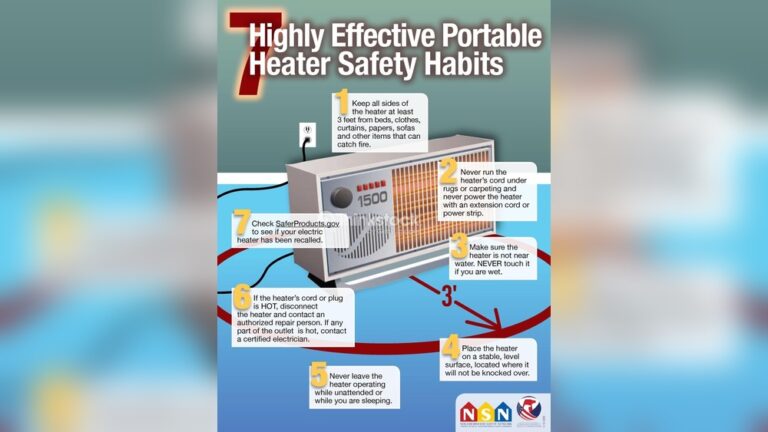
Safety is paramount when it comes to any heating device, and portable car heaters are no exception. When used correctly, most 12-volt automotive heaters are designed to be safe. However, like any electrical appliance, there are things to be aware of.
Safety Considerations:
- Carbon Monoxide: This is the biggest concern. Portable heaters that burn fuel (like propane or kerosene) should NEVER be used inside a car unless the vehicle is designed for it and has active ventilation. The exhaust contains dangerous carbon monoxide gas. Electric 12V heaters are safe in this regard as they don’t burn fuel.
- Electrical Draw: Ensure your car’s electrical system and the 12V outlet can handle the wattage of the heater. Overloading the outlet can blow fuses or, in rare cases, damage wiring. Check your car’s manual for outlet limitations.
- Overheating and Fire Risk: Look for models with built-in overheat protection that will shut the unit off if it gets too hot. Always ensure the heater is placed on a stable, non-flammable surface away from combustible materials (like loose papers, rags, or upholstery).
- Tip-Over Protection: Some heaters include a feature that shuts them off if they are knocked over, preventing them from potentially igniting surrounding materials.
- Cord Safety: A frayed or damaged power cord can be a fire hazard. Inspect the cord regularly.
- Placement: Do not obstruct airflow to the heater. Ensure it’s not covered by anything that could block vents or cause it to overheat. Keep the cord away from pedals.
Reputable sources like the National Highway Traffic Safety Administration (NHTSA) provide crucial information on carbon monoxide safety, which is a must-read for anyone using fuel-burning equipment near vehicles.
Tips for Safe Usage
- Always use with the engine running while the heater is active if it’s a more powerful model, to avoid draining your battery.
- Never leave a portable heater unattended while it’s running, especially overnight.
- Ensure good ventilation if using the heater for an extended period, even if it’s electric. Crack a window slightly.
- Keep children and pets away from the hot surfaces of the heater.
- Read the manufacturer’s instructions carefully before use.
How to Use a Portable Car Heater: A Step-by-Step Guide
Using a portable car heater is usually very simple. Here’s how to get yours up and running safely and effectively:
Getting Started
- Read the Manual: Before anything else, take a moment to read the instruction manual that came with your specific heater. This will cover any unique features or safety warnings.
- Check the Heater: Ensure the heater and its power cord are in good condition, with no visible damage.
- Find a Safe Location: Decide where you want to place the heater. Common spots include the floor near the passenger seat, the dashboard (if it’s small and stable), or a rear seat. Make sure it’s on a flat, stable surface and won’t interfere with driving controls like pedals or the steering wheel.
Connecting and Operating
- Start Your Car Engine: It’s generally a good idea to start your car’s engine first. This ensures your car’s battery can handle the power draw and prevents it from draining.
- Plug in the Heater: Locate your car’s 12-volt accessory outlet (cigarette lighter socket) and plug in the heater’s power cord firmly.
- Turn On the Heater: Most portable car heaters have a simple on/off switch. Some may have different modes (e.g., fan only, heat, defrost). Select the desired setting.
- Position for Best Results: If your heater has a fan, direct the airflow towards where you need the warmth the most – towards the driver, passengers, or the windshield for defrosting.
During Use
- Monitor the Heater: Keep an eye on the heater periodically to ensure it’s functioning correctly and not overheating, especially during the first few uses.
- Check for Overheating: If the heater feels excessively hot to the touch beyond normal warmth, or if you smell burning, turn it off immediately.
- Manage the Cord: Ensure the power cord doesn’t become strained, pinched, or tangled in any moving parts like the driver’s pedals or seat rails.
- Ventilate: For longer periods of use, consider cracking a window slightly to allow for fresh air circulation.
Turning Off and Storing
- Turn Off the Heater: Once you no longer need the heat, turn the heater off using its switch.
- Unplug the Heater: Carefully unplug the power cord from the 12V outlet.
- Allow to Cool: Let the heater cool down completely before storing it to prevent damage or accidental burns.
- Store Safely: Store the heater and its cord in a cool, dry place, such as your glove compartment or a storage bin, where it won’t be damaged.
By following these steps, you can enjoy the comfort portable car heaters provide while staying safe.
Benefits and Drawbacks of Portable Car Heaters
Like any product, portable car heaters offer distinct advantages, but they also come with certain limitations. Understanding both sides will help you decide if one is right for you.
Advantages (Pros):
- Instant Comfort: Provides warmth much faster than waiting for your car’s engine to heat up.
- Improved Visibility: Many models can help defog windows and clear light frost, enhancing safety.
- Cost-Effective: Generally inexpensive to purchase, especially compared to car repairs.
- Energy Efficiency (Car Power): Uses your car’s 12V system, which is designed to handle moderate electrical loads.
- Portability and Ease of Use: Small, light, and simply plug into the accessory outlet. No complex installation is required.
- Reduced Engine Wear: By providing heat quickly, you might be able to drive sooner, meaning your engine spends less time idling just to warm up the cabin.
- Good for Cold Climates: Excellent for people living in areas with harsh winters.
Disadvantages (Cons):
- Battery Drain: Using a powerful heater with the engine off can quickly drain your car battery.
- Limited Heating Power: They are supplemental and won’t heat a large vehicle to a tropical temperature. Their effectiveness diminishes in extremely cold conditions.
- Electrical System Strain: High-wattage heaters can put a significant load on your car’s electrical system, potentially causing fuses to blow.
- Safety Risks: Improper use or faulty units can pose fire or carbon monoxide risks (especially fuel-burning types, which are not recommended for car interiors).
- Cord Management: The power cord can sometimes get in the way or become a tripping/snagging hazard.
- Noise: Some models, especially those with strong fans, can be noisy inside the cabin.
Alternatives to Portable Car Heaters
While portable car heaters are a popular solution, you might also consider other ways to enhance your car’s winter readiness and comfort:
- Remote Car Starters: These allow you to start your car from a distance, letting the engine warm up and the car’s built-in heater work before you even get in. This is a highly effective way to ensure a warm interior.
- Battery Maintainers/Trickle Chargers: If you find yourself using accessories with the engine off, a maintainer can help keep your battery topped up, especially during winter when batteries perform less efficiently.
- Interior Car Covers/Windshield Covers: While not providing heat, these can prevent frost and snow from accumulating on your windshield and windows, saving you time and effort in clearing them.
- Seat Warmers (Heated Seat Covers): These plug into the 12V outlet and provide direct warmth to your seating area. They tend to draw less power than cabin heaters and can offer localized comfort efficiently.
- Tinted Windows/Window Deflectors: While not directly related to heating, proper window tinting or good quality deflectors can help manage interior temperature by reflecting some solar heat in warmer months and can slightly aid in preventing extreme cold buildup.
- Heated Steering Wheel Covers: Similar to seat warmers, these offer targeted warmth to your hands.
For significantly improved comfort and safety in extreme cold, especially if you live in a region with very harsh winters, investing in a remote starter or high-quality heated seat covers might offer a more integrated and robust solution.

FAQ: Your Portable Car Heater Questions Answered
Here are some of the most common questions beginner car heater users have:
Can I use a portable car heater with the engine off?
It’s generally not recommended, especially for more powerful heaters. They can drain your car battery very quickly, leaving you with a dead battery and unable to start your car. Always check the heater’s wattage and your car’s battery capacity. Using it while the engine is running is the safest bet.
How much power do portable car heaters use?
Most 12-volt portable car heaters range from 100 watts to 200 watts. Some higher-powered “fast heat” models might go up to 300 watts. A car’s 12V outlet typically supplies around 120 watts (12V x 10A), but some can handle more. Always check your car’s manual or fuse box for the outlet’s amperage rating (e.g., 10A, 15A). A 150W heater will draw about 12.5 amps (150W / 12V).
Will a portable car heater defrost my windshield?
Some are designed specifically for defrosting and can do a decent job clearing light frost or condensation. However, they are much less powerful than your car’s built-in defroster. For thick ice or heavy frost, they might only help soften it or speed up your car’s own system.