Propane vs. Kerosene Heater Indoors: Which Is Best for Your Home?
Hey there! If you’re like me, winter’s chill has you searching for ways to keep your home cozy without breaking the bank. I’ve spent countless hours researching and using different heaters to warm up my space, and I know how overwhelming it can be to choose the right one. Today, I’m diving into the debate of propane vs. kerosene heaters for indoor use. Both have their perks and quirks, and I’m excited to share what I’ve learned to help you decide which is best for your home. Let’s break it down together, so you can stay warm and safe this winter!
For a related heater topic, Kerosene Vs Propane Heaters: Which is for You? gives readers a useful next step.
Why Choose a Portable Heater for Indoor Use?
When the temperature drops, a portable heater can be a lifesaver. I live in a drafty old house, and my central heating sometimes struggles to keep up. Portable heaters like propane or kerosene units are great because they’re affordable, easy to move, and can heat specific rooms quickly. But using them indoors requires extra caution. These heaters burn fuel, so safety, efficiency, and cost are big factors to consider. I’ve used both propane and kerosene heaters over the years, and each has its own vibe. Let’s explore what makes them different.
What Is a Propane Heater?
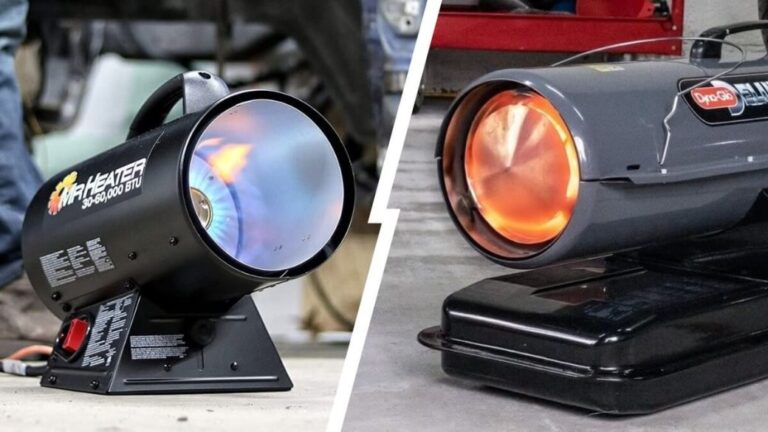
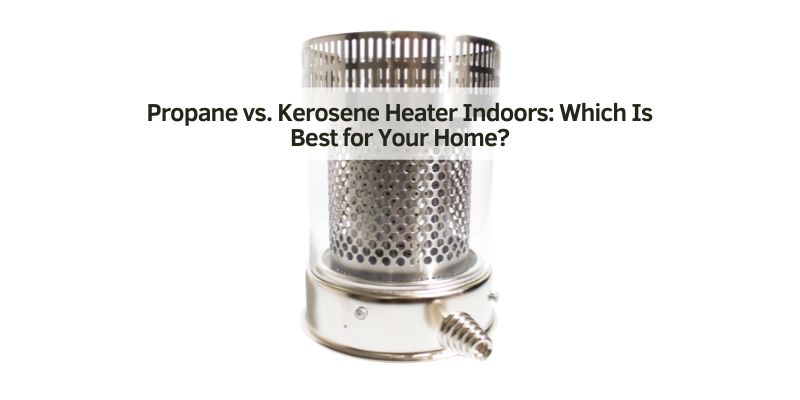
A propane heater runs on propane gas, stored in portable tanks or connected to a larger supply. I’ve got a small propane heater in my garage, and it’s a beast at pumping out heat fast. These heaters work by burning propane to create a flame that warms the air or a radiant surface. They’re popular for their portability and ease of use. You can find models designed for indoor use, but they must be labeled as “indoor-safe” with built-in safety features like oxygen depletion sensors (ODS) to prevent carbon monoxide buildup.
Propane heaters come in various sizes, from small units for a single room to larger ones that can warm up a whole basement. I love how I can move mine from the living room to the workshop without much hassle. They’re also pretty clean-burning, which means less odor compared to other fuel-based heaters. But, as I’ve learned, you’ve got to keep an eye on ventilation and tank refills.
What Is a Kerosene Heater?
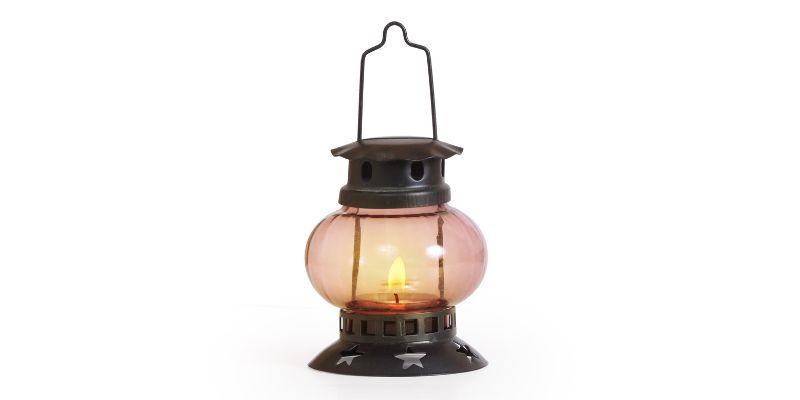
Kerosene heaters, on the other hand, use kerosene—a liquid fuel—to generate heat. I borrowed a kerosene heater from a friend last winter when my power went out, and it kept my living room toasty for hours. These heaters work by wicking kerosene from a tank to a burner, where it’s ignited to produce heat. They’re known for their reliability, especially in emergencies, because they don’t need electricity to run.
Kerosene heaters are often more affordable upfront than propane models, and the fuel is widely available at hardware stores or gas stations. However, they can give off a noticeable odor, especially when starting or shutting down. I’ve found that high-quality kerosene and proper maintenance can reduce the smell, but it’s something to keep in mind if you’re sensitive to scents.
Comparing Heat Output and Efficiency
One of the first things I noticed when comparing these heaters is their heat output. Propane heaters are champs at delivering quick, intense heat. My propane unit can warm up a 500-square-foot room in about 15 minutes. They’re measured in BTUs (British Thermal Units), and most indoor models range from 4,000 to 30,000 BTUs. The higher the BTU, the more heat it pumps out, but it also uses more fuel.
Kerosene heaters are no slouches either. They often have similar BTU ranges, but they tend to feel warmer for longer because they radiate heat more steadily. I’ve noticed my kerosene heater keeps the room cozy even after I turn it off, thanks to its radiant design. Efficiency-wise, kerosene has a slight edge because it burns slower than propane, meaning you might get more hours of heat per gallon of fuel.
Here’s a quick comparison of their heat output and efficiency:
| Feature | Propane Heater | Kerosene Heater |
|---|---|---|
| Heat Output (BTUs) | 4,000–30,000 | 5,000–25,000 |
| Burn Time | 3–12 hours per tank | 8–16 hours per gallon |
| Efficiency | Burns fast, quick heat | Slower burn, steady heat |
| Best For | Quick heating, smaller spaces | Long-lasting heat, larger spaces |
Safety Considerations for Indoor Use
Safety is a huge deal when using fuel-based heaters indoors. I can’t stress this enough—both propane and kerosene heaters can be risky if not used properly. Carbon monoxide (CO) is the biggest concern. It’s a colorless, odorless gas that can build up if there’s not enough ventilation. I always keep a CO detector in any room where I’m using a heater, and I recommend you do the same.
Propane heaters with ODS shut off automatically if oxygen levels drop too low. This feature gives me peace of mind, especially when I’m running the heater overnight. Kerosene heaters also have safety features like tip-over shutoffs, but they’re more prone to producing soot and fumes if the wick isn’t maintained. I learned the hard way that a dirty wick can make the air feel heavy, so regular cleaning is a must.
Ventilation is critical for both. I crack a window an inch or two when using either heater to let fresh air in. Propane heaters produce less odor, which makes them feel safer for indoor use, but kerosene heaters can work well if you’re diligent about air circulation. Never leave either running unattended, and keep them away from curtains, furniture, or anything flammable.
Cost of Operation: Propane vs. Kerosene
Let’s talk money. When I first started using portable heaters, I was curious about which one would cost less in the long run. Propane is typically sold in 1-pound or 20-pound tanks. A 1-pound tank might last 3–6 hours, while a 20-pound tank (like the ones for grills) can go for 20–30 hours. In my area, refilling a 20-pound propane tank costs about $15–$20, depending on the season.
Kerosene is sold by the gallon, and a typical heater uses about 0.1 to 0.2 gallons per hour. A 5-gallon container costs me around $20–$25, and it lasts longer than a propane tank of similar price. Kerosene’s slower burn rate makes it slightly cheaper for extended use, but prices vary by region, so check what’s available near you.
Here’s a rough cost breakdown based on my experience:
| Fuel Type | Cost per Unit | Burn Rate | Approx. Cost per Hour |
|---|---|---|---|
| Propane | $15–$20 per 20 lbs | 0.5–1 lb/hour | $0.75–$1.00 |
| Kerosene | $4–$5 per gallon | 0.1–0.2 gallons/hour | $0.40–$1.00 |
Keep in mind that propane tanks are reusable, while kerosene containers are often single-use unless you have a refillable tank. I also factor in maintenance costs, like replacing kerosene wicks every season, which runs about $10–$15.
Ease of Use and Maintenance
I’m all about convenience, so ease of use matters to me. Propane heaters are super straightforward. You attach the tank, turn the knob, and light it up (many models have push-button ignitions). Refilling tanks is easy at most hardware stores or gas stations. The only maintenance I do is occasionally wiping down the burner to keep it clean.
Kerosene heaters require a bit more effort. Filling the tank can be messy if you’re not careful, and you need to trim or replace the wick regularly to avoid smoky burns. I also make sure to use high-grade kerosene (1-K grade) to minimize odor and soot. Storing kerosene is trickier too—it needs to be kept in a sealed, approved container in a cool, dry place.
Propane wins for simplicity, but kerosene heaters are reliable once you get the hang of them. If you’re like me and don’t mind a little tinkering, kerosene isn’t a big deal. But if you want something you can set up and forget, propane is your friend.
Odor and Air Quality
Let’s be real—nobody wants their house smelling like a gas station. Propane heaters are nearly odorless when running properly, which I love. The only time I notice a smell is when I first light it or if the tank is low. This makes propane a great choice for indoor spaces where you spend a lot of time, like a living room or bedroom.
Kerosene heaters, on the other hand, can be smelly. The odor is strongest when you start or stop the heater, but it lingers if you’re using low-quality fuel or the wick needs cleaning. I’ve found that keeping the room well-ventilated and using premium kerosene helps a lot. If you or your family are sensitive to smells, propane might be the better pick.
Both heaters can affect air quality if not used correctly. Propane produces water vapor as it burns, which can make a room feel humid. Kerosene produces more particulates, so a good air filter or purifier can help. I keep a small air purifier running when using my kerosene heater, and it makes a noticeable difference.
Portability and Storage
Portability is a big plus for both heaters. My propane heater is lightweight, and I can carry it from room to room with one hand. The tanks are easy to swap out, and I store extras in my shed (never indoors, for safety). Propane heaters are compact, so they don’t take up much space when not in use.
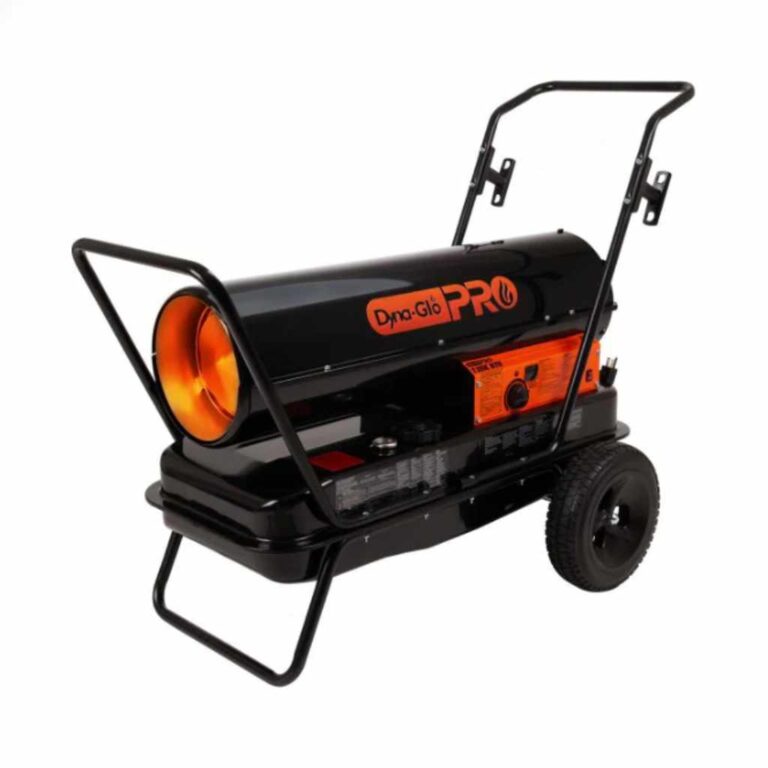
Kerosene heaters are a bit bulkier, especially models with larger tanks. Mine has wheels, which makes moving it easier, but it’s still heavier than my propane unit. Storing kerosene is a hassle—you need a proper container, and it can’t be near heat sources. I keep my kerosene in a detached garage to be safe.
If you’re tight on space or move your heater often, propane is more convenient. But if you’re setting up a heater in one spot for the season, kerosene works just fine.
Best Use Cases for Each Heater
So, which one should you choose? It depends on your needs. I use my propane heater when I need quick heat for a short time, like warming up my workshop before I start a project. It’s also great for small spaces or if you’re moving it around a lot. Propane is my go-to for occasional use or when I want minimal odor.
Kerosene heaters shine in emergencies or for long-term heating. When my power went out last winter, my kerosene heater kept my family warm for days. It’s also a good pick for larger spaces or if you’re looking to save a bit on fuel costs over time. Just be prepared for the maintenance and ventilation needs.
Environmental Impact
I try to be mindful of my environmental footprint, so I looked into how these heaters stack up. Propane burns cleaner than kerosene, producing fewer emissions and particulates. It’s considered a low-carbon fuel, which is a plus if you’re eco-conscious. However, propane tanks aren’t always recyclable, and production involves fossil fuels.
Kerosene has a higher environmental impact due to its production process and the soot it can produce. Using high-quality kerosene helps, but it’s still less eco-friendly than propane. If going green is a priority, propane is the better choice, but neither is as clean as electric heaters powered by renewable energy.
My Personal Experience and Recommendation
After using both heaters, I lean toward propane for indoor use. The lack of odor, ease of use, and quick heat make it a winner for my small home. I keep a kerosene heater as a backup for power outages, but it’s not my first choice for daily use. Your decision might depend on your budget, how often you need heat, and whether you’re okay with a bit of maintenance. If you’re new to portable heaters, start with a propane model with an ODS for safety and simplicity.

Wrapping It Up
Choosing between a propane and kerosene heater for indoor use comes down to your lifestyle and priorities. Propane heaters are my pick for their ease of use, low odor, and quick heat, making them perfect for small spaces or occasional use. Kerosene heaters are reliable and cost-effective for longer heating sessions, especially in emergencies, but they require more upkeep and ventilation. Whichever you choose, prioritize safety—get a CO detector, ventilate your space, and follow the manufacturer’s instructions.
I hope my experience helps you find the perfect heater to keep your home warm and cozy this winter. Stay toasty, and let me know if you have any questions!
Frequently Asked Questions
Can I use a propane or kerosene heater indoors safely?
Yes, but safety is key. Both heaters can be used indoors if they’re labeled as indoor-safe. Propane heaters should have an oxygen depletion sensor (ODS), and kerosene heaters need proper ventilation. Always use a carbon monoxide detector, keep the area well-ventilated, and never leave the heater unattended.
Which heater is cheaper to run?
Kerosene heaters are generally cheaper to run because kerosene burns slower than propane. Based on my experience, kerosene costs about $0.40–$1.00 per hour, while propane runs $0.75–$1.00 per hour. Prices depend on your location and fuel quality.
Do propane heaters smell?
Propane heaters are nearly odorless when running properly. You might notice a slight smell when lighting or if the tank is low, but it’s much less noticeable than kerosene heaters.
How often do I need to maintain a kerosene heater?
You’ll need to clean or replace the wick every season or after about 100 hours of use. Use high-grade kerosene (1-K) to reduce soot and odor, and clean the burner regularly to keep it running smoothly.
Which heater is better for a power outage?
Kerosene heaters are better for power outages because they don’t need electricity to operate. They can run for 8–16 hours per gallon, making them reliable for extended use. Propane heaters are also good but may need electric ignition in some models.
Are propane or kerosene heaters eco-friendly?
Propane heaters are cleaner, producing fewer emissions than kerosene. However, neither is as eco-friendly as electric heaters powered by renewable energy. If you’re concerned about the environment, propane is the better choice of the two.