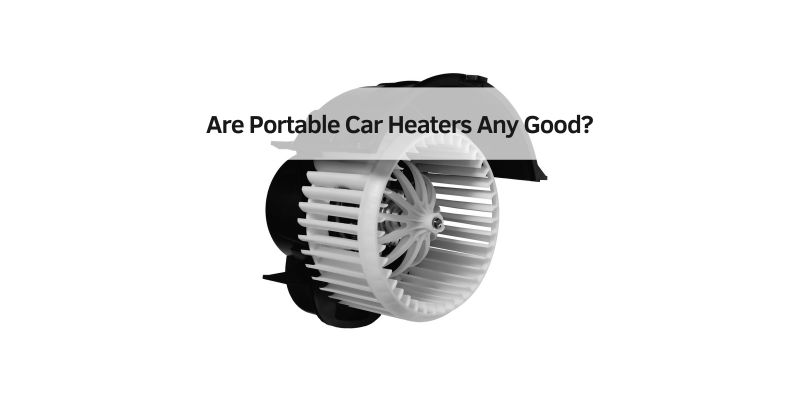
Are Portable Car Heaters Any Good?
Hey there! If you’re like me, you’ve probably felt that bone-chilling cold creeping into your car during a winter drive. Maybe your car’s heater isn’t cutting it, or you’re out camping in the frosty mountains, wishing for a little warmth. That’s when I started wondering: are portable car heaters any good? I’ve spent time researching, testing, and shivering through trial and error to figure this out. Let me take you through my journey to see if these little devices are worth your money and whether they can keep you cozy when the temperature drops. I’ll break it down into clear sections, share my experiences, and give you the full scoop so you can decide for yourself.
What Are Portable Car Heaters?
Let’s start with the basics. Portable car heaters are small devices designed to add warmth to your vehicle’s interior. They’re not meant to replace your car’s built-in heating system but to supplement it or act as a backup when things go wrong. Imagine your car’s heater core breaks down—repairs can cost hundreds of dollars, and you’re stuck in the cold until it’s fixed. That’s where portable heaters come in. They’re compact, easy to use, and often plug into your car’s 12-volt cigarette lighter or run on alternative fuels like propane or diesel.
I first came across these heaters when my old sedan’s heater started acting up. It was taking forever to warm up the cabin, and I needed a quick fix. These devices come in different types: electric plug-in heaters, propane-powered ones, and even diesel models for bigger vehicles. Each has its own strengths and quirks, which I’ll dive into later. For now, just know they’re built for convenience, portability, and keeping you from turning into a human popsicle.
Why Would You Need a Portable Car Heater?
You might be wondering why anyone would bother with a portable heater when cars already have built-in heating systems. Well, I’ve been in situations where these little gadgets were lifesavers. Here are a few reasons why you might need one:
- Broken Car Heater: If your car’s heating system fails, repairs can be pricey—sometimes $500 or more. A portable heater is a budget-friendly alternative to tide you over.
- Cold Weather Camping: I love winter camping, but my SUV’s heater doesn’t reach the back where I set up my sleeping bag. A portable heater keeps the space cozy.
- Defrosting Windows: Frosty windshields are a pain. Some portable heaters double as defrosters, clearing your view faster than your car’s system alone.
- Energy Efficiency for EVs: If you drive an electric vehicle, using the main heater can drain your battery fast. A portable heater can save energy and extend your range.
- Emergency Situations: Imagine being stranded in a snowstorm. A portable heater can provide critical warmth until help arrives.
I learned this the hard way during a road trip in Colorado. My car’s heater was sluggish, and the temperature dropped to single digits. A portable heater I’d tossed in the trunk became my best friend that night.
Types of Portable Car Heaters
Not all portable car heaters are created equal. After testing a few, I found they fall into three main categories. Each has its own pros and cons, so let’s break them down.
Electric 12-Volt Heaters
These are the most common type. They plug into your car’s cigarette lighter or auxiliary power outlet and use electricity to generate heat. Most are compact, fitting in a cup holder or mounting on your dashboard. I tried a 12-volt ceramic heater during a chilly commute, and it was great for defogging my windshield. However, these heaters are limited by your car’s electrical system. They typically draw 150-200 watts, which isn’t enough to heat a large cabin but works for small spaces or spot heating.
Pros:
- Easy to use—just plug and go.
- Affordable, often $20-$50.
- Safe for enclosed spaces (no emissions).
- Often doubles as a cooling fan.
Cons:
- Limited heating power.
- Can drain your battery if used with the engine off.
- Not ideal for large vehicles.
Propane Heaters
Propane heaters, like the Mr. Heater Portable Buddy, are more powerful, often delivering 4,000-9,000 BTUs of heat. I tested one during a camping trip, and it warmed my tent in minutes. But here’s the catch: they require ventilation to avoid carbon monoxide buildup. I wouldn’t use one in a car with the windows up—it’s just not safe. They’re better for open spaces like golf carts or partially ventilated areas.
Pros:
- High heat output.
- Portable and versatile for camping or outdoor use.
- Works without electricity.
Cons:
- Requires propane tanks (extra cost).
- Not safe for enclosed vehicles.
- Bulkier than electric models.
Diesel Heaters
Diesel heaters are heavy-duty options, often used in trucks, RVs, or vans. They’re powerful, with outputs up to 8,000 watts, and some models, like the VEVOR Diesel Heater, come with remote controls and LCD displays. I saw one in action at a friend’s RV campsite, and it was impressive—kept the whole space toasty. But they’re complex to install, requiring fuel lines and exhaust piping, and they’re not practical for small cars.
Pros:
- Extremely powerful.
- Fuel-efficient for long-term use.
- Great for large vehicles or camping.
Cons:
- Expensive ($100-$300).
- Complicated installation.
- Not safe for enclosed spaces without proper ventilation.
Here’s a quick comparison table to help you visualize the differences:
| Type | Power Source | Heat Output | Best For | Price Range | Safety Notes |
|---|---|---|---|---|---|
| Electric 12-Volt | Car battery | 150-200W | Small cars, defrosting | $20-$50 | Safe, but monitor battery drain |
| Propane | Propane tank | 4,000-9,000 BTU | Camping, open spaces | $50-$150 | Requires ventilation |
| Diesel | Diesel fuel | 5,000-8,000W | RVs, trucks, large vehicles | $100-$300 | Needs proper installation, venting |
How Well Do Portable Car Heaters Work?
Now, let’s get to the big question: do these heaters actually work? From my experience, the answer depends on your expectations and the type of heater you choose. Let me share what I’ve found.
Electric 12-volt heaters are convenient but underpowered. I used a BTFDREEM 12V heater to defrost my windshield on a frosty morning, and it worked decently—cleared the glass in about 10 minutes. But for warming the entire car? It struggled. These heaters are best for spot heating, like keeping your hands warm or defogging a small area. If your car’s heater is weak, they can help, but they won’t transform your car into a sauna.
Propane heaters are a different story. The Mr. Heater Portable Buddy I tested was a beast, pumping out heat fast. It warmed a small tent in under five minutes, but I wouldn’t dare use it in a car without cracking the windows wide open. Safety is a big concern here—carbon monoxide is no joke. I only recommend propane heaters for camping or open-air setups.
Diesel heaters are powerful but overkill for most cars. My friend’s RV stayed warm in subzero temperatures with a diesel heater, but the installation took hours, and it required a dedicated fuel tank. Unless you’re living in a van or truck, these are probably more than you need.
Overall, portable car heaters work best as supplements, not replacements. They’re great for specific tasks like defrosting or adding a bit of warmth, but don’t expect them to match your car’s built-in system. My advice? Set realistic expectations, and you won’t be disappointed.
Safety Concerns to Keep in Mind
Safety is a big deal with portable car heaters. I’ve made a few mistakes here, so let me share what I’ve learned to keep you safe.
- Electric Heaters: These are the safest option since they don’t produce emissions. But they can drain your car’s battery if used too long without the engine running. I once left a 12-volt heater on for an hour, and my battery was toast. Always monitor usage, and consider a model with an auto-shutoff feature.
- Propane Heaters: These can be dangerous in enclosed spaces. Carbon monoxide poisoning is a real risk. I always keep a window open and a carbon monoxide detector nearby when using one. Also, check for safety features like oxygen depletion sensors or tip-over switches.
- Diesel Heaters: These require proper installation to avoid fuel leaks or exhaust issues. My friend had a professional install his diesel heater to ensure it vented correctly. Never use one indoors without proper setup.
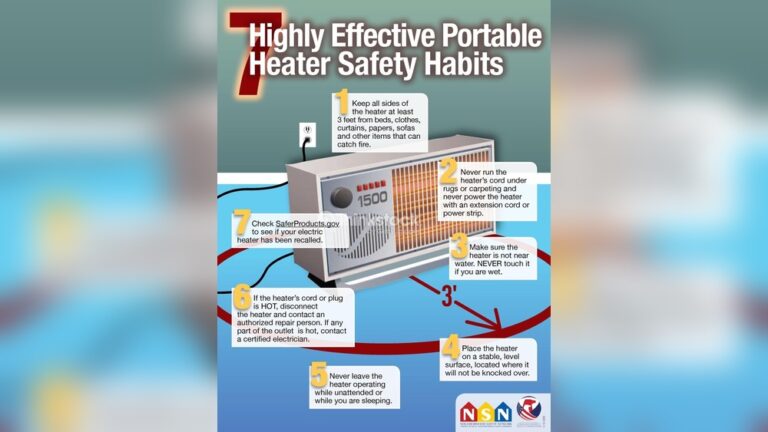
No matter the type, always read the manual and follow safety guidelines. I keep a small fire extinguisher in my car just in case—it’s better to be prepared.
Key Features to Look for in a Portable Car Heater
When I started shopping for portable heaters, I was overwhelmed by the options. Here’s what I learned to look for to pick a good one:
- Power Output: For electric heaters, 150-200 watts is standard. For propane or diesel, check the BTU or wattage rating—higher is better for larger spaces.
- Portability: Look for compact designs with handles or mounts. My 12-volt heater fits in a cup holder, which is super convenient.
- Safety Features: Auto-shutoff, overheat protection, and tip-over switches are must-haves, especially for propane models.
- Ease of Use: Plug-and-play electric heaters are the easiest. Diesel heaters need more setup, so consider your comfort level with installation.
- Versatility: Some heaters, like the BTFDREEM model, double as cooling fans, which is great for year-round use.
I also recommend checking customer reviews for real-world feedback. That’s how I found out my ceramic heater had a tendency to overheat if left on too long.
My Top Picks for Portable Car Heaters
After testing several models, here are my favorites based on performance, safety, and value:
- BTFDREEM 12V Car Heater and Defroster ($25-$35): This electric heater is affordable and great for defrosting windows. It’s not powerful enough to heat a whole car but perfect for quick fixes.
- Mr. Heater Portable Buddy ($80-$120): A propane powerhouse for camping or open spaces. It’s too risky for car use unless you ventilate well.
- VEVOR 8KW Diesel Heater ($150-$200): Ideal for RVs or large vehicles. It’s a bit complex to install but delivers serious heat.
Each has its place, depending on your needs. For most car drivers, a 12-volt electric heater is the simplest and safest choice.
Tips for Using a Portable Car Heater Effectively
Here’s what I’ve learned to get the most out of your heater:
- Position It Smartly: For electric heaters, point them at the windshield or your body for targeted heat. For propane or diesel, ensure proper ventilation.
- Keep Your Battery Charged: If using a 12-volt heater, run your engine periodically to avoid draining the battery.
- Combine with Other Methods: I pair my heater with a heated blanket for extra warmth. It’s a game-changer on long drives.
- Store It Safely: When not in use, keep your heater in a secure spot to avoid damage or tipping over.
Alternatives to Portable Car Heaters
If a portable heater doesn’t sound right for you, here are some alternatives I’ve tried:
- Heated Seat Covers: These plug into your 12-volt outlet and warm your seat directly. I love my Mynt Seat Cushion—it’s like sitting on a cozy cloud.
- Heated Blankets: A 12-volt heated blanket is great for passengers or camping. It’s safer than propane and uses less power than a heater.
- Fix Your Car’s Heater: If your budget allows, repairing your car’s heating system is the best long-term solution. It’s pricier but worth it for consistent heat.
Conclusion
So, are portable car heaters any good? I’d say yes, but with a catch—they’re not a one-size-fits-all solution. Electric 12-volt heaters are great for quick defrosting or spot heating in small cars, while propane and diesel heaters shine for camping or larger vehicles. They’re affordable, portable, and can be a lifesaver in emergencies, but they can’t replace your car’s built-in system. Safety is key, so always follow guidelines and choose a model with protective features. After testing these devices in freezing conditions, I can tell you they’re worth having in your trunk for those unexpected chills. Whether you’re a winter camper, an EV driver, or just someone with a finicky car heater, there’s a portable heater that can make your drives cozier. Stay warm out there!
FAQs
Are portable car heaters safe to use?
Yes, if used correctly. Electric 12-volt heaters are the safest since they don’t produce emissions. Propane and diesel heaters need ventilation to avoid carbon monoxide risks. Always follow the manufacturer’s instructions and use safety features like auto-shutoff.
Can a portable car heater replace my car’s heater?
No, they’re not powerful enough to fully replace a car’s heating system. They’re best as supplements for defrosting, spot heating, or emergencies.
How much power does a 12-volt car heater use?
Most 12-volt heaters use 150-200 watts. They plug into your car’s cigarette lighter, but prolonged use without the engine running can drain your battery.
Are propane car heaters safe for indoor use?
Not in enclosed spaces like a car with closed windows. Propane heaters produce carbon monoxide, so you need ventilation and a carbon monoxide detector.
What’s the best portable car heater for camping?
Propane heaters like the Mr. Heater Portable Buddy are great for camping due to their high heat output. Just ensure proper ventilation and safety precautions.