Yes, They Make Portable Heaters for Cars
Yes, portable heaters specifically designed for cars do exist, offering a way to warm up your vehicle’s interior before or during a chilly drive. These range from simple plug-in devices to more advanced solutions, helping you stay comfortable even on the coldest days.
For a closely related heater topic, Is It Cheaper to Use Portable Heaters: Save Money Smartly gives readers a useful next step.
If cost, wattage, or efficiency matters, Is Portable Heater Energy Efficient: Smart Heating Solutions Revealed adds a useful comparison before choosing a heater.
For the safety side of this topic, Are Portable Heaters Safe gives readers a practical next check before using a heater.
Feeling that icy blast when you first hop into your car on a cold morning? It’s a common frustration, and the thought, “Do they make portable heaters for cars?” likely crosses your mind. Luckily, the answer is a resounding yes! You don’t have to suffer through a frigid commute.
In this guide, we’ll explore the different types of portable car heaters available, explain how they work, and help you choose the best option for your needs. We’ll break down installation and usage in simple terms, so you can get warm and cozy in your car with confidence. Let’s dive in and find the perfect solution to beat the chill!
Understanding Portable Car Heaters: Your Options
When we talk about portable heaters for cars, we’re not talking about the big, bulky heaters you might use in a room. These are compact, specially designed devices that can safely operate within your vehicle’s environment. They draw power from your car’s electrical system, usually through the cigarette lighter port or a USB connection.
The primary goal of these heaters is to provide a supplemental boost of warmth, defog windows, or simply take the edge off the extreme cold until your car’s built-in heating system kicks in. It’s important to understand that most portable car heaters are not designed to replace your car’s primary heating system or to heat a large space quickly like a home heater. Instead, they are for personal comfort and targeted warming.
Types of Portable Car Heaters
Let’s explore the most common types of portable heaters you’ll find:
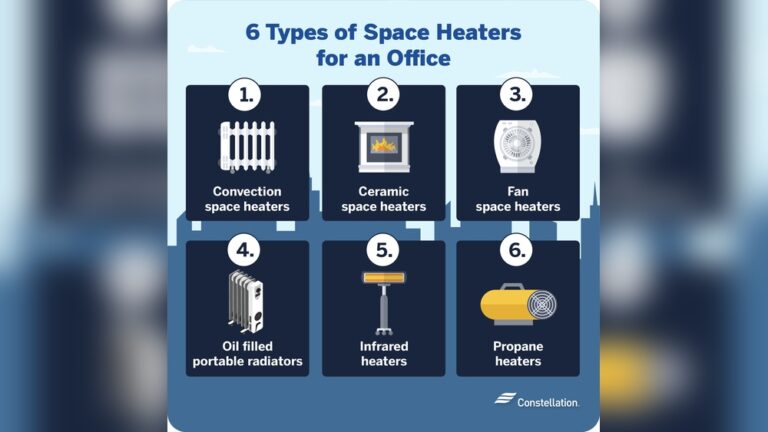
- 12V Plug-in Heaters (Fan Heaters): These are perhaps the most popular type. They plug directly into your car’s 12V accessory socket (the cigarette lighter port). They typically have a small fan that blows air over a heating element. Some are designed to just blow warm air, while others can also switch to a cool breeze function for summer use.
- Cooling Fans with Heating Function: Similar to the 12V plug-in heaters, these offer dual functionality. They are primarily designed as a car fan for summer but can also provide a heated airflow when needed.
- Ceramic Heaters: These use ceramic heating elements, which are known for their efficiency and safety. Like other plug-in types, they draw power from your car’s 12V outlet and use a fan to circulate warm air.
- Portable Propane or Butane Heaters (Use with Extreme Caution): While these exist and can generate significant heat, they are generally not recommended for use inside a moving vehicle due to safety concerns like carbon monoxide poisoning and fire hazards. If considering such a unit for stationary use (e.g., camping in a parked car), it requires extreme vigilance, ventilation, and a full understanding of the risks involved. We will focus on the safer 12V options for this guide.
- USB-Powered Heaters: Some very small, personal heating devices might run off a USB port. Their heating capacity is usually much lower, suitable for warming hands or a very small area inside the cabin, but not for significant cabin warming.
How Do They Work?
Most portable car heaters work on a simple principle: converting electrical energy into heat. Here’s a simplified breakdown:
- Power Source: The heater connects to your car’s 12V power outlet. Your car’s alternator supplies the power when the engine is running.
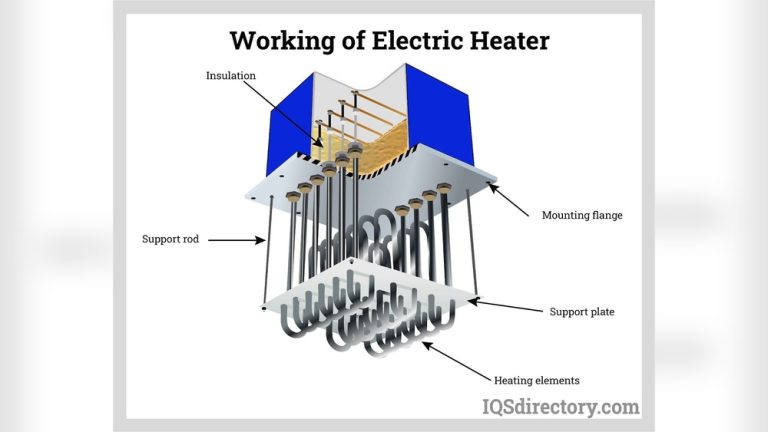
- Heating Element: Inside the heater, there’s a resistor or a heating coil. When electricity flows through it, it encounters resistance, generating heat.
- Fan Circulation: A small, quiet fan draws in ambient air and blows it across the hot heating element.
- Warm Air Output: The warmed air is then expelled from the heater, circulating into the car’s cabin.
It’s crucial to remember that these devices draw power from your car’s battery and electrical system. Running them when the engine is off can drain your battery. Always ensure your car’s engine is running when using these heaters to avoid a dead battery.

Choosing the Right Portable Car Heater: Key Features to Consider
With several options available, picking the best portable car heater can feel a bit overwhelming. Here are the essential features to look out for to ensure you make a smart choice that meets your needs for comfort and safety.
Safety First!
This is non-negotiable when it comes to car accessories. Always prioritize safety features. Look for:
- Automatic Shut-off: This is a crucial safety feature that will turn the heater off if it overheats, preventing damage to the unit and your car.
- Tip-Over Protection: If the heater is accidentally knocked over, this feature will automatically shut it off.
- Durable Construction: A robust casing made from heat-resistant materials is important for longevity and safety.
- Certified Safety Standards: Look for certifications like CE or ETL, which indicate the product has met specific safety requirements.
Heating Power and Performance
Not all heaters are created equal in terms of how much warmth they provide. Consider:
- Wattage: Higher wattage generally means more heat. Most 12V car heaters range from 100W to 200W. Remember that your car’s 12V outlet has a limit, usually around 150W, so exceeding this might blow a fuse.
- Heating Area: Some heaters are designed for quick defrosting of a small area around the windshield, while others aim to provide more general cabin warmth. Think about what you primarily need it for.
- Fan Speed: Adjustable fan speeds allow you to control the airflow and how quickly the heat is distributed.
Ease of Use and Installation
You want something simple and straightforward. Think about:
- Plug Type: Most use a standard 12V cigarette lighter plug. Ensure it fits your car’s socket securely.
- Mounting Options: Some heaters come with suction cups or stands to position them effectively on your dashboard or floor.
- Controls: Simple switches for on/off and heat/fan settings are best.
Additional Features
Some heaters offer extra perks:
- Defrost/Defog Function: Many can be switched to a fan-only mode to help clear condensation from windows.
- Rotary Base: Allows you to direct the airflow precisely where you need it.
- Compact Size: Easy to store when not in use, fitting into a glove compartment or console.
How to Install and Use Your Portable Car Heater Safely
Using a portable car heater is generally quite simple, but following these steps will ensure you do it safely and effectively, keeping your car and yourself protected.
Step-by-Step Installation
Installation is minimal, often requiring just one step:
- Locate Your 12V Socket: Find the cigarette lighter or 12V accessory socket in your car. These are typically located in the center console, dashboard, or near the gear shift.
- Ensure Engine is Running: For most 12V heaters, it’s essential that your car’s engine is running. This provides the necessary power and prevents draining your car battery. Running the engine also helps generate some initial warmth.
- Plug It In: Firmly insert the heater’s plug into the 12V socket. You should feel it click into place.
- Position the Heater: Place the heater on a stable, flat surface on your dashboard, floor, or center console. Ensure it’s not obstructing your view of the road or the operation of any crucial controls. If it has suction cups, attach them securely to a clean, smooth surface on your windshield or dashboard.
Some units might come with a separate mounting bracket or stand. Refer to your specific product’s manual for detailed instructions.
Safe Usage Guidelines
To maximize comfort and minimize risk, always adhere to these safety practices:
- Engine Must Be Running: As mentioned, always operate the heater while your car’s engine is running. This prevents battery drain and ensures consistent power.
- Don’t Overload the Socket: Avoid plugging in multiple high-power accessories into the same socket or a power strip connected to the socket. This could blow your car’s fuse. A typical car’s 12V socket is fused at around 10-15 amps, which usually translates to a maximum power draw of 120-180 watts.
- Continuous Operation: For prolonged use, it’s generally advisable to use the heater in short bursts or in conjunction with your car’s own heating system.
- Monitor for Overheating: Even with safety features, keep an eye on the heater and its surroundings. If you notice any unusual smells, sounds, or excessive heat, turn it off immediately.
- Keep Clearances: Ensure there’s adequate space around the heater for air circulation. Do not cover it with anything.
- Avoid Obstructions: Make sure the heater is not blocking your view of the road, mirrors, or critical dashboard indicators. It should also not interfere with airbags.
- Storage: When not in use, unplug the heater and store it in a safe place, such as the glove compartment or a side pocket, where it won’t roll around.
- Ventilation is Key: While these are designed for car interiors, ensuring some minimal air circulation within the cabin is always a good idea.
Maintenance and Care
Most portable car heaters require very little maintenance:
- Cleaning: Periodically wipe the exterior with a dry or slightly damp cloth. Ensure the unit is unplugged and completely cool before cleaning.
- Inspect the Plug and Cord: Check the power cord and plug for any signs of damage, fraying, or wear. If damaged, discontinue use immediately.
- Check Air Vents: Ensure the air intake and outlet vents are free of dust and debris. You can use a soft brush or compressed air to gently clean them.
Pros and Cons of Portable Car Heaters
Like any automotive accessory, portable car heaters come with their own set of advantages and disadvantages. Understanding these can help you decide if one is the right fit for your needs.
Advantages (The Upside!)
- Quick Warmth: They can provide immediate heat, taking the chill off before your car’s system warms up, or offering comfort during short trips.
- Defrosting/Defogging: Many models serve a dual purpose, helping to clear frosty windows or condensation, improving visibility. This is particularly useful in damp or cold climates.
- Cost-Effective Supplemental Heat: Compared to running your car’s engine just for heat (which consumes fuel rapidly), a low-wattage portable heater can be a more economical way to add warmth.
- Portability: Easy to move between vehicles, store, or take on road trips.
- Comfort and Convenience: Significantly enhances comfort during cold weather, making commutes and travel more pleasant.
- Energy Efficiency (Relative): While they draw power, they are designed for efficiency within the car’s electrical system.
Disadvantages (Things to Watch Out For)
- Limited Heating Capacity: They are not designed to heat a large space effectively or to replace your car’s primary heating system in extreme cold. Think of them as personal or localized warmers.
- Battery Drain Risk: If used with the engine off, they can quickly drain your car battery, leaving you stranded.
- Fuse Issues: Running a heater that draws too much power can blow your car’s fuse, interrupting power to the accessory socket and potentially other systems.
- Cord Length and Placement: The power cord might be too short for some vehicles, limiting placement options. Improper placement can also be a safety hazard.
- Drying Out Air: Some heaters can make the air in the car feel dry.
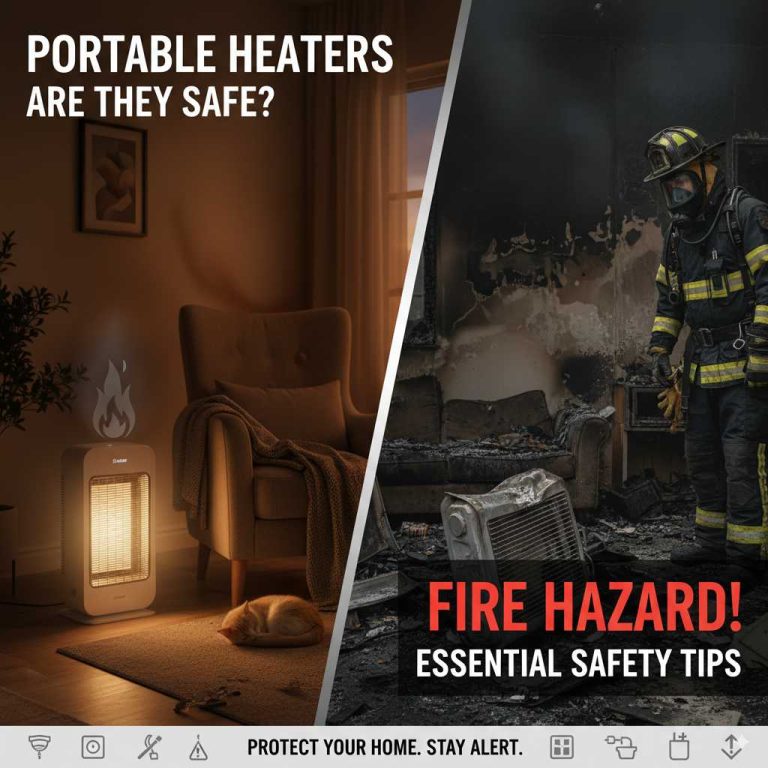
- Safety Concerns (if misused): As with any electrical device, improper use or faulty units can pose fire or electrical hazards.
Alternatives to Portable Car Heaters
While portable car heaters offer a convenient solution, it’s worth knowing about other ways to stay warm in your car, especially if you have different needs or concerns.
Your Car’s Built-In Heating System
This is the most potent and safest way to heat your vehicle. Modern cars are equipped with efficient heating and defrosting systems that use the engine’s waste heat. To maximize its effectiveness:
- Let the Engine Warm Up: Give your engine a few minutes to warm up before expecting warm air. The coolant circulating through the heater core needs time to reach temperature.
- Direct Vents: Aim vents towards the windshield for defrosting and towards occupants for comfort.
- Recirculate Feature: Use the recirculate mode sparingly. While it can speed up initial warming by recycling cabin air, it can also lead to fogging and stale air if used exclusively.
Seat Heaters and Seat Covers
Many vehicles with power seats come with built-in seat heaters. For vehicles without them, you can purchase aftermarket heated seat covers that plug into your 12V socket.
- Pros: Provide direct warmth to occupants, often with adjustable settings. Can be more efficient as they heat you directly rather than the entire cabin air.
- Cons: They only heat the seats, not the entire cabin or windshield. Still require engine to be running to prevent battery drain.
Engine Block Heaters
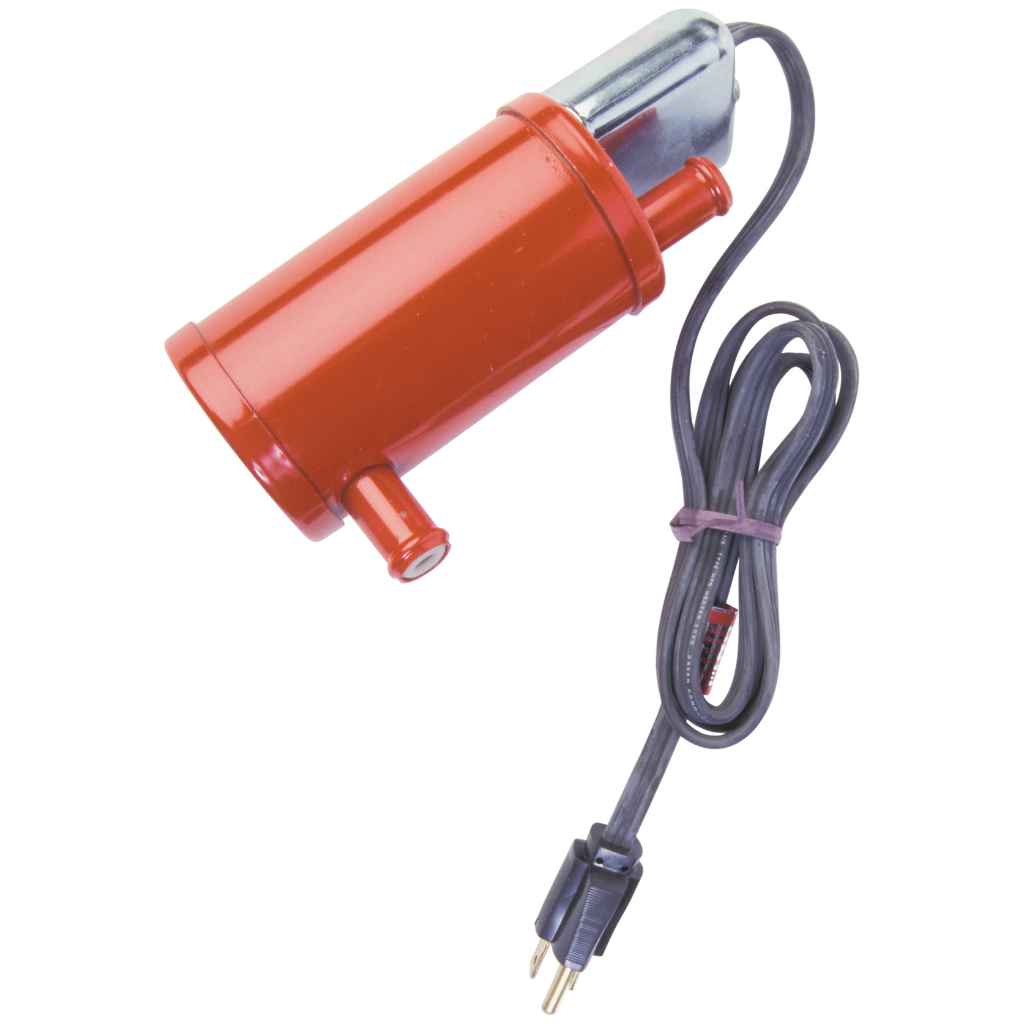
These are not for interior cabin comfort but for easier engine starting in extremely cold climates. They plug into a standard household outlet (usually requiring an extension cord run from your home or garage) and warm the engine coolant before you start the car.
- Pros: Makes starting the engine much easier in sub-zero temperatures, reduces engine wear, and allows the car’s interior heater to produce warm air much faster after starting.
- Cons: Requires access to an external power source (grid power). Does not heat the cabin directly.
Heated Steering Wheel Covers
Similar to heated seat covers, these offer direct warmth to your hands. They typically plug into the 12V socket.
- Pros: Warms your hands, making them more comfortable.
- Cons: Only warms your hands, not the entire cabin.
Pre-Game Warm-Up Routine
What you do before you even get into the car can make a difference:
- Remote Start: If your car has a remote start system, use it to warm up the engine and cabin before you get in.
- Clear Snow/Ice Promptly: Removing snow and ice from windows allows your car’s defrost system to work more effectively from the start.

Frequently Asked Questions (FAQ)
Here are some common questions beginner car owners might have about portable heaters:
Q1: Can I use a portable car heater overnight or with the engine off?
A: It is strongly advised not to use most portable 12V car heaters with your engine off. They draw significant power, and doing so will likely drain your car battery, leaving you unable to start your vehicle. Always ensure your engine is running when operating a portable car heater.
Q2: How long does it take for a portable car heater to warm up my car?
A: Portable car heaters are designed for supplemental warmth or defrosting, not for rapid, full-cabin heating. They can start to feel warm within a few minutes, and will help take the edge off the cold or clear a small area of the windshield. For full cabin warmth, your car’s built-in system is more effective over time.
Q3: Will a portable car heater blow my car’s fuse?
A: It’s possible if the heater draws more power than your car’s 12V socket is designed to handle, or if you have other high-draw accessories plugged in simultaneously. Most reputable portable car heaters designed for 12V sockets operate within safe limits (typically 100-150W). Always check the heater’s wattage and your car’s fuse rating. If a fuse blows, it indicates an overload, and you should avoid using that heater or check for faulty wiring.
Q4: Are portable car heaters safe for my car’s interior?
A: When used correctly, with adequate ventilation and on a stable surface, they are generally safe. Always choose units with safety features like automatic shut-off and tip-over protection, and never leave them running unattended. Avoid placing them where they could melt or damage plastic dashboard components.