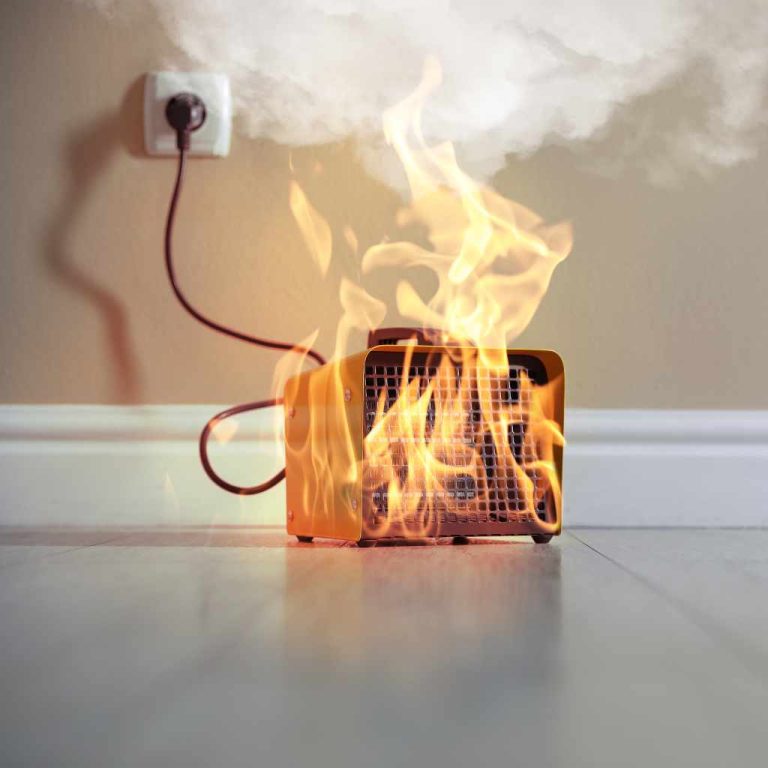
Brr, It’s Cold! Let’s Warm Up Your Car
I remember my first winter in Minnesota. My old pickup truck groaned like a sleepy bear when I tried to start it at -20°F. I learned fast that an engine heater could save the day. Today, I’ll explain oil pan heater vs block heater to help you pick the best one for your car. This article covers what these heaters do, how they work, and which one suits your needs. Whether you’re a beginner or a car enthusiast, I’ll keep it simple and fun, like chatting with a friend.
What Are Oil Pan and Block Heaters?
An oil pan heater warms the oil in your car’s engine. A block heater warms the coolant, which is the liquid that keeps your engine from overheating. Both help your car start in cold weather. Cold makes oil thick like syrup, and it makes engines hard to start. Heaters keep things warm so your car runs smoothly.
Why Do You Need an Engine Heater?
In places like Alaska or Michigan, winter can dip below 0°F. Cold oil doesn’t flow well, and cold engines struggle to start. This wears out your engine faster. A heater keeps your engine happy, saves wear, and gets your heater blowing warm air sooner. I once waited 10 minutes for my truck’s heater to work without a block heater—brr!
Oil Pan Heater: How It Works
An oil pan heater sticks to the bottom of your engine’s oil pan, like a heating pad. It uses electricity to warm the oil. Warm oil flows better, reducing engine wear when you start your car. Some heaters are magnetic, while others glue on or replace the oil drain plug.
Types of Oil Pan Heaters
- Magnetic Heaters: Stick to metal oil pans. Easy to move between cars.
- Stick-On Heaters: Glue to the oil pan. They stay in place permanently.
- Dipstick Heaters: Slide into the dipstick tube to heat oil directly.
Pros and Cons of Oil Pan Heaters
Oil pan heaters are great for keeping oil thin. But they don’t heat the whole engine well. Heat rises, so the oil gets warm, but the engine block stays cold. This can still make starting hard, especially for diesel engines.
Block Heater: How It Works
A block heater sits in your engine’s coolant system, often in a freeze plug hole. It heats the coolant, which warms the engine block. A warm engine block helps your car start easily because the cylinders are ready for fuel. Most new cars in cold climates come with block heaters.
Types of Block Heaters
- Freeze Plug Heaters: Replace a plug in the engine block.
- In-Line Coolant Heaters: Connect to a radiator hose.
- Circulating Heaters: Use a pump to move warm coolant around.
Pros and Cons of Block Heaters
Block heaters warm the whole engine, making starts easier. They also heat your car’s cabin faster. But they’re harder to install than oil pan heaters. You might need a mechanic to put one in.
Oil Pan Heater vs Block Heater: A Simple Comparison
Let’s compare oil pan heater vs block heater to see which is better for you. I’ve used both on my trucks, and each has its place. Here’s a quick look:
| Feature | Oil Pan Heater | Block Heater |
|---|---|---|
| What It Heats | Engine oil | Engine coolant |
| Installation | Easy, stick-on or magnetic | Harder, needs engine access |
| Start-Up Help | Good for oil flow | Better for overall engine warmth |
| Cabin Heat | Slow to warm cabin | Warms cabin faster |
| Cost | $15-$75 | $40-$300 |
| Best For | Small engines, garaged cars | Diesel engines, very cold climates |
Caption: Comparing oil pan heater vs block heater for winter car prep.
When to Use Each Heater
Use an oil pan heater if your car stays in a garage or you use thin oil like 0W-20. It’s cheaper and easier to install. Use a block heater for diesel trucks or if you park outside in super cold weather (below -15°F). I use a block heater for my diesel truck in winter—it starts like it’s summer!
How to Install an Oil Pan Heater
Installing an oil pan heater is easy. Here’s how I did it on my old sedan:
- Clean the Oil Pan: Wipe the bottom of the oil pan with a rag and cleaner.
- Attach the Heater: Stick a magnetic or adhesive heater to the flat part of the pan.
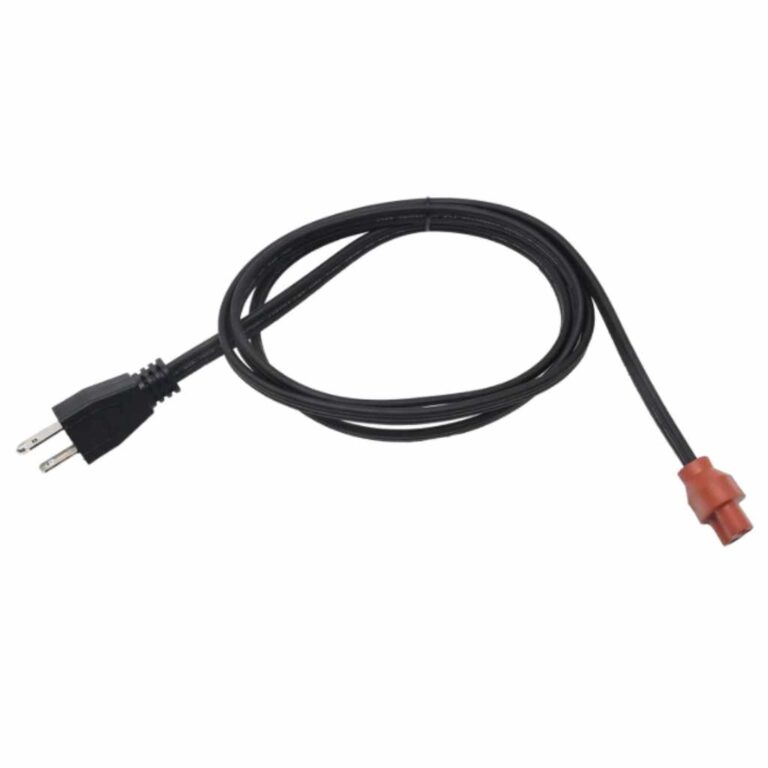
- Plug It In: Run the cord to a safe spot and plug it into a 110V outlet.
- Test It: Plug it in for 2-3 hours before starting your car.
Tip: Use a timer to save electricity. I set mine for 3 hours before I leave.
How to Install a Block Heater
Block heaters are trickier. You might need a mechanic, but here’s the basic idea:
- Drain Coolant: Empty the engine coolant into a pan.
- Find a Freeze Plug: Locate a freeze plug on the engine block.
- Install Heater: Replace the plug with the heater or connect it to a hose.
- Refill Coolant: Add coolant back and check for leaks.
Safety Tip: Don’t touch the heater when it’s plugged in—it’s hot!
Cost-Saving Tips for Engine Heaters
- Use a Timer: Plug your heater in for 2-4 hours, not all night. This saves on your electric bill.
- Check Your Oil: Use synthetic 0W or 5W oil for better cold flow. I switched to 0W-40, and my truck starts easier.
- Shop Smart: Buy heaters from trusted brands like Wolverine or Kat’s Heaters.
Common Mistakes to Avoid
- Leaving It Plugged In: Unplug your heater before driving to avoid cord damage. I once forgot and yanked the cord—oops!
- Wrong Heater Size: Get a heater that matches your engine size (e.g., 300W for small engines, 1000W for diesels).
- Skipping Maintenance: Check your coolant and oil regularly. Bad coolant can hurt a block heater’s performance.
Other Options for Cold Weather
Don’t want a heater? Try these:
- Battery Blanket: Wraps your battery to keep it warm. A warm battery spins the engine faster.
- Synthetic Oil: Flows better in cold weather. I use it in all my cars now.
- Garage Parking: Keeps your car warmer without any heater.
| Option | Cost | Benefit |
|---|---|---|
| Battery Blanket | $20-$50 | Keeps battery strong |
| Synthetic Oil | $30-$60 per change | Better flow in cold |
| Garage Parking | Free (if you have one) | Naturally warmer environment |
Caption: Alternatives to oil pan and block heaters for cold starts.
My Experience with Both Heaters
I’ve used an oil pan heater on my old gas-powered sedan. It was cheap and easy to stick on. But when I got a diesel truck, the block heater was a game-changer. It warmed the whole engine, and my heater blew warm air in minutes. If you live where it’s super cold, like Canada or Alaska, a block heater is usually better. But for milder winters, an oil pan heater might be enough.
Visual Ideas for Better Understanding
- Diagram 1: Show an engine with arrows pointing to the oil pan and freeze plug, labeling where each heater goes.
- Diagram 2: A simple chart comparing warm-up times for oil pan vs block heaters.
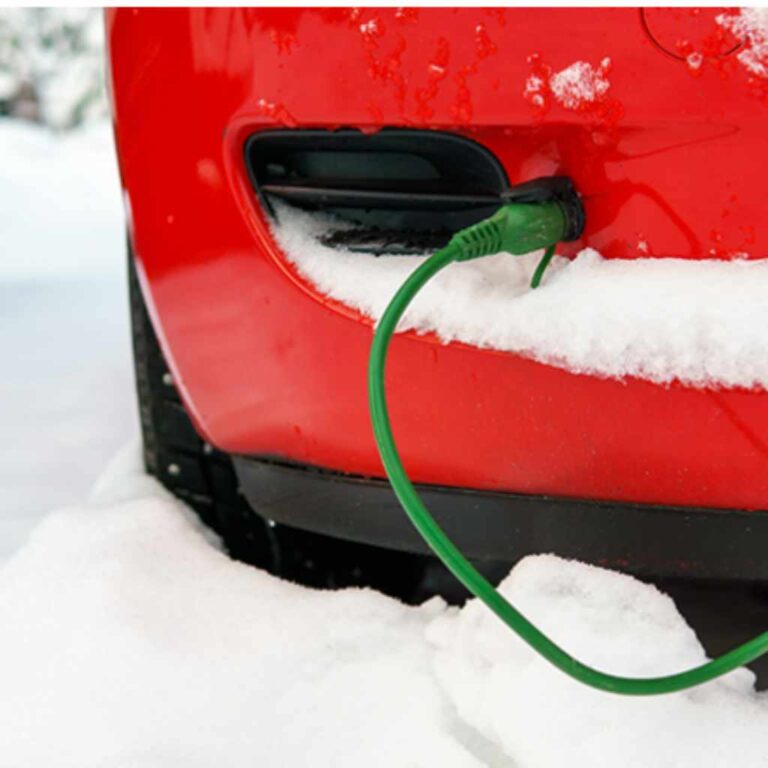
- Photo Idea: A car with a heater cord plugged into an outlet, showing a safe setup.
Frequently Asked Questions
What’s the Difference Between an Oil Pan Heater and a Block Heater?
An oil pan heater warms the engine oil to keep it thin. A block heater warms the coolant to heat the whole engine. Oil pan heaters are easier to install but less effective for diesel engines. Block heaters help your car start better in very cold weather and warm the cabin faster.
Which Is Better for a Diesel Truck?
Block heaters are better for diesel trucks. Diesel fuel needs a warm engine to ignite properly. A block heater warms the cylinders, making starts easier. Oil pan heaters help oil flow but don’t warm the engine as much. I use a block heater for my diesel in winter.
How Long Should I Plug In My Heater?
Plug in your heater for 2-4 hours before starting your car. A timer saves electricity. I set mine to turn on at 5 AM for an 8 AM drive. Don’t leave it plugged in all night—it wastes power and can overheat the heater.
Can I Use Both Heaters Together?
Yes, you can use both for extra warmth. I’ve done this on my truck in -30°F weather. It starts like a dream! Just make sure your outlet can handle the power. Check with a mechanic to ensure safe installation.
Are Oil Pan Heaters Safe for Plastic Oil Pans?
No, oil pan heaters don’t work on plastic oil pans. They need metal to stick or transfer heat. Check your car’s oil pan material before buying. My sedan had a metal pan, so a magnetic heater worked great.
Do I Need a Heater If I Use Synthetic Oil?
Synthetic oil flows better in cold, so you might not need a heater. I use 0W-40 synthetic and skip the heater on milder days. But in extreme cold (below -15°F), a block heater still helps, especially for diesels.
How Much Does It Cost to Run a Heater?
A 300W oil pan heater costs about 3-5 cents per hour at average US electric rates. A 1000W block heater costs 10-15 cents per hour. Using a timer for 3 hours daily keeps costs low. I spend about $5 a month in winter.
Conclusion
Choosing between an oil pan heater vs block heater depends on your car and climate. Oil pan heaters are cheap and easy for small engines. Block heaters are best for diesels and super cold weather. Try one out this winter to keep your car happy! Share your cold-weather tips in the comments or ask me a question. Let’s keep our engines warm and ready to roll!