Are Block Heaters Bad for Aluminum? A Deep Dive into a Common Concern
Hey there! If you’re sitting next to me, sipping coffee, and wondering whether block heaters are bad for aluminum engines, you’re not alone. I’ve spent countless winter mornings thinking about how to keep my car’s engine warm without causing harm. It’s a question that pops up a lot, especially in colder parts of the USA where block heaters are a lifesaver. I’ve dug into this topic, talked to mechanics, and even poked around under the hood of my own vehicle to get answers. So, let’s unravel the mystery together. Are block heaters really bad for aluminum engines? Spoiler alert: it’s not as simple as a yes or no. Grab a seat, and let’s explore this step by step.
For vehicle heating questions, Do Block Heaters Go Bad Over Time gives readers a related follow-up to check.
What Are Block Heaters and Why Do We Use Them?
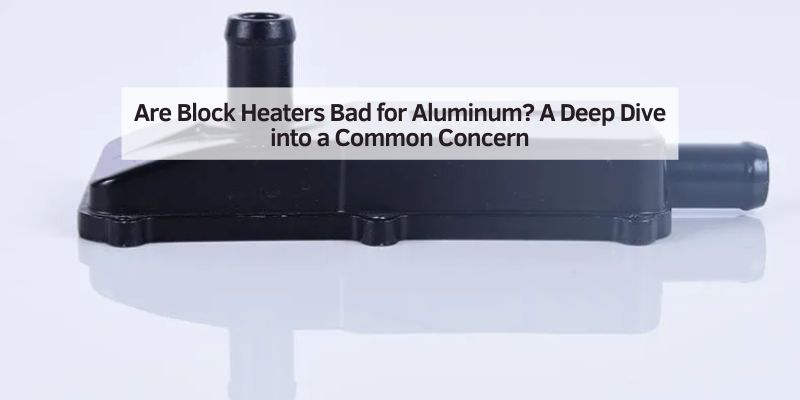
First things first, let’s talk about what a block heater actually is. If you’ve ever lived in a place where temperatures drop below freezing, you know starting a car in the dead of winter can feel like waking a grumpy bear. A block heater is a small electric device that warms up your engine’s coolant. It’s usually installed in the engine block, hence the name. By keeping the coolant warm, it helps the engine start easier and reduces wear during those frosty mornings.
I remember my first winter in Minnesota. My car groaned every time I turned the key. A friend suggested a block heater, and it was a game-changer. No more sluggish starts or worrying about my engine struggling. But then I heard whispers about aluminum engines and potential damage. That got me curious. Aluminum is lighter and conducts heat better than cast iron, but does that make it more vulnerable? Let’s find out.
Understanding Aluminum Engines: Why They’re Different
Aluminum engines are common in modern cars. They’re lighter than their cast-iron counterparts, which means better fuel efficiency and performance. But aluminum has unique properties. It conducts heat faster, which is great for cooling but can be a double-edged sword when you’re adding heat, like with a block heater.
When I first learned my car had an aluminum engine, I was thrilled. Lighter engine, better gas mileage—what’s not to love? But then I started wondering about heat sensitivity. Aluminum has a lower melting point than iron, around 660°C compared to iron’s 1,538°C. That sounds scary, but engines don’t get anywhere near those temperatures. Still, I wanted to know if block heaters could stress the metal in other ways, like through uneven heating or corrosion.
How Block Heaters Work with Aluminum Engines
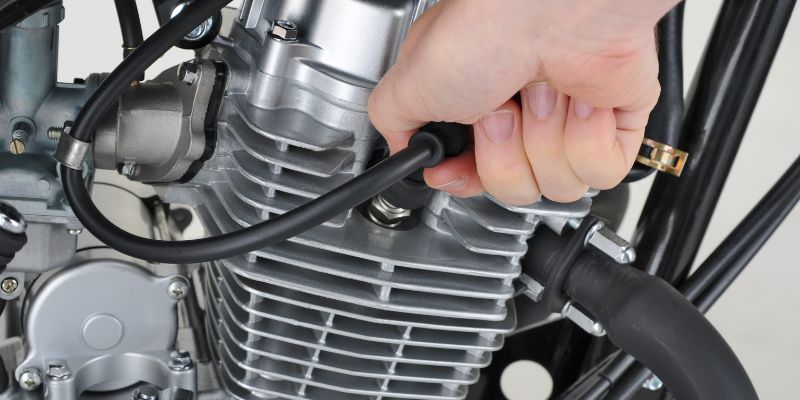
To get to the heart of this, we need to understand how block heaters interact with aluminum. A block heater is typically a small heating element inserted into the engine block. It’s plugged into an electrical outlet, and it gently warms the coolant, which circulates through the engine. This keeps the engine at a stable, warm temperature—usually between 38°C and 65°C, depending on the heater.
In my own experience, plugging in my block heater overnight made mornings so much smoother. But I started wondering: does that extra heat cause problems for aluminum? Aluminum conducts heat quickly, so the block heater’s warmth spreads fast. That’s good for even heating, but if the heater is faulty or improperly installed, could it create hot spots? I decided to dig deeper.
Potential Risks of Block Heaters on Aluminum Engines
Now, let’s address the big question: are there risks to using block heaters with aluminum engines? I’ve heard concerns about three main issues: thermal stress, corrosion, and electrical problems. Let’s break them down.
Thermal Stress and Hot Spots
Aluminum expands and contracts more than cast iron when heated or cooled. This made me wonder if a block heater could cause thermal stress—where parts of the engine heat up unevenly, leading to tiny cracks or warping. In my research, I found that modern block heaters are designed to heat gently and evenly. Most operate at low wattages, around 400 to 1,500 watts, which is safe for aluminum.
But here’s the catch. If a block heater is poorly designed or installed incorrectly, it could create hot spots. For example, if the heating element isn’t fully submerged in coolant, it might overheat a small area. I once talked to a mechanic who saw an engine with a damaged block because the heater was installed in the wrong port. Lesson learned: proper installation is key.
Corrosion Concerns
Another worry is corrosion. Aluminum is prone to galvanic corrosion, especially when it’s in contact with other metals in the presence of an electrolyte, like coolant. Block heaters often have steel or copper components. Could they cause corrosion in an aluminum engine? I was curious, so I checked the coolant in my own car. Most modern coolants are designed to prevent corrosion by including additives that protect aluminum.
Still, if you’re using the wrong coolant or neglecting maintenance, corrosion could become an issue. I made a mental note to check my coolant type and change it regularly. Using a block heater doesn’t inherently cause corrosion, but it’s a reminder to stay on top of your car’s maintenance.
Electrical Risks
Then there’s the electrical side. Block heaters plug into household outlets, and any electrical device carries risks like short circuits or overheating. I’ve seen extension cords frayed from winter use, and that’s a fire hazard. Aluminum engines aren’t directly affected by electrical issues, but a faulty heater could damage the engine block if it overheats. I always double-check my cords and use a timer to avoid leaving the heater on too long.
Benefits of Block Heaters for Aluminum Engines
Despite these concerns, block heaters offer real benefits, especially for aluminum engines. Here’s why I think they’re worth using, based on my own experience and research.
Easier Cold Starts
Cold weather is tough on any engine, but aluminum engines benefit from block heaters because they warm up faster. When I plug in my heater, my car starts smoothly, even at -20°F. This reduces wear on the engine and battery, which is a big deal for longevity.
Improved Fuel Efficiency
Warm engines burn fuel more efficiently. I noticed my gas mileage improved slightly in winter after I started using a block heater. Studies suggest that a warm engine can reduce fuel consumption by up to 10% in cold conditions. That’s money saved at the pump.
Reduced Emissions
A warm engine produces fewer emissions during startup. Aluminum engines, with their quick heat-up times, amplify this benefit. I feel good knowing my car is a bit greener when I use a block heater.
Less Engine Wear
Cold starts cause more wear because oil is thicker in low temperatures. A block heater keeps the oil flowing smoothly, reducing friction. I’ve seen my oil stay cleaner longer since I started using a heater, which tells me my engine is happier.
Comparing Block Heaters with Aluminum vs. Cast-Iron Engines
To put things in perspective, I made a table comparing how block heaters interact with aluminum and cast-iron engines. This helped me understand the differences.
| Feature | Aluminum Engines | Cast-Iron Engines |
|---|---|---|
| Heat Conductivity | High, heats up quickly | Lower, heats up more slowly |
| Weight | Lighter, improves fuel efficiency | Heavier, less efficient |
| Thermal Expansion | Higher, more sensitive to uneven heating | Lower, less prone to thermal stress |
| Corrosion Risk | Higher, needs proper coolant | Lower, less sensitive to coolant type |
| Block Heater Effectiveness | Very effective due to fast heat transfer | Effective but slower to warm up |
Aluminum engines respond better to block heaters because of their high thermal conductivity. But they need more care to avoid issues like corrosion or thermal stress.
Tips for Using Block Heaters Safely with Aluminum Engines
After diving into this topic, I’ve learned some practical tips to use block heaters safely with aluminum engines. Here’s what I do to keep my engine happy.
Choose the Right Heater
Not all block heaters are created equal. I picked a heater designed for my car’s make and model. Check the wattage—400 to 750 watts is usually enough for passenger cars. Higher wattages might overheat, especially in aluminum engines.
Install It Correctly
I had a professional install my block heater to avoid mistakes. If you’re a DIY type, make sure the heater is fully submerged in coolant and sealed properly. A loose fit can cause leaks or hot spots.
Use the Right Coolant
Always use a coolant formulated for aluminum engines. I check my coolant every fall to make sure it’s fresh and has the right additives. This prevents corrosion and keeps the system running smoothly.
Inspect Regularly
I check my block heater and cord before each winter. Look for frayed wires or damaged plugs. A quick inspection can prevent bigger problems.
Use a Timer
I plug my heater into a timer so it only runs for a few hours overnight. This saves electricity and reduces wear on the heater. Three to four hours is usually enough to warm the engine.
Common Myths About Block Heaters and Aluminum Engines
I’ve heard some wild myths about block heaters and aluminum engines. Let’s clear up a few.
Myth 1: Block Heaters Melt Aluminum
No way. Block heaters don’t get hot enough to melt aluminum. They operate at low temperatures, well below aluminum’s melting point. I’ve never seen any evidence of melting in my car or others.
Myth 2: Block Heaters Cause Cracks
Cracks are rare and usually tied to poor installation or a faulty heater. If installed correctly, block heaters are safe. I’ve used mine for years without issues.
Myth 3: You Don’t Need a Block Heater with Aluminum
Some folks think aluminum engines don’t need block heaters because they warm up fast. Not true. Cold starts still strain the engine, and a block heater helps reduce that stress.
My Personal Experience with Block Heaters
Let me share a quick story. A few winters ago, I was skeptical about block heaters. I thought my aluminum-engine car could handle the cold without one. But after a week of sluggish starts and rough idling, I caved and got one installed. The difference was night and day. My car started like it was summer, and I noticed less wear on my battery. I’ve been a block heater fan ever since, but I’m careful to follow the tips I shared above.
Conclusion: Are Block Heaters Bad for Aluminum Engines?
So, are block heaters bad for aluminum engines? After all my research and personal experience, I’d say no—they’re not bad when used correctly. Block heaters are a fantastic tool for keeping your engine warm, reducing wear, and improving efficiency, especially in the freezing winters of the USA. Aluminum engines benefit from their quick heat transfer, but you need to be mindful. Choose a quality heater, install it properly, use the right coolant, and inspect it regularly. If you do those things, your block heater will be a friend, not a foe, to your aluminum engine.
I love the peace of mind my block heater gives me. No more worrying about whether my car will start on a snowy morning. It’s like giving your engine a warm hug before it faces the cold. If you’re on the fence, give it a try. Just follow the precautions, and you’ll likely wonder how you ever survived winter without one.
FAQs
Do Block Heaters Damage Aluminum Engines?
No, block heaters don’t damage aluminum engines if used properly. They’re designed to warm the coolant gently, which is safe for aluminum. Just make sure the heater is installed correctly and you’re using the right coolant to avoid issues like corrosion or hot spots.
How Long Should I Plug in a Block Heater?
Three to four hours is usually enough to warm an aluminum engine. I use a timer to plug mine in overnight. Any longer might waste electricity, but it won’t hurt the engine if the heater is working properly.
Can I Use Any Coolant with a Block Heater?
Not really. You need a coolant made for aluminum engines. It should have additives to prevent corrosion. I check my coolant every year to make sure it’s the right type and still fresh.
Are Block Heaters Necessary for Aluminum Engines?
They’re not mandatory, but they’re super helpful in cold climates. Aluminum engines warm up fast, but cold starts still cause wear. A block heater reduces that stress and makes starting easier.
Can a Block Heater Cause a Fire?
It’s rare, but a faulty heater or damaged cord could pose a fire risk. I always check my cords for wear and use a timer to avoid overuse. Stick with a quality heater, and you should be fine.