Can You Start a Truck With the Block Heater Plugged In?
Have you ever wondered if it’s safe to start your truck with the block heater still plugged in? Maybe you’re in a rush on a cold morning or just want to make sure you’re not damaging your engine.
For a related heater topic, What Does E1 Mean On A Heater gives readers a useful next step.
For a related heater topic, How To Check For Radiation In Your Home: Essential Guide gives readers a useful next step.
For a related heater topic, Sweeter Heater vs Cozy Coop: Essential Guide gives readers a useful next step.
This simple question can save you time, money, and frustration. You’ll discover exactly what happens when you start your truck with the block heater connected—and what you should do to protect your vehicle. Keep reading to make sure you’re giving your truck the care it deserves in chilly weather.
Block Heater Basics
Understanding block heaters helps truck owners keep engines warm in cold weather. A block heater warms the engine block. This makes starting the truck easier on chilly days. It also reduces engine wear and lowers emissions. Knowing how these heaters work is useful before starting a truck with a plugged-in block heater.
Below are the basics you need to know about block heaters.
What Is A Block Heater
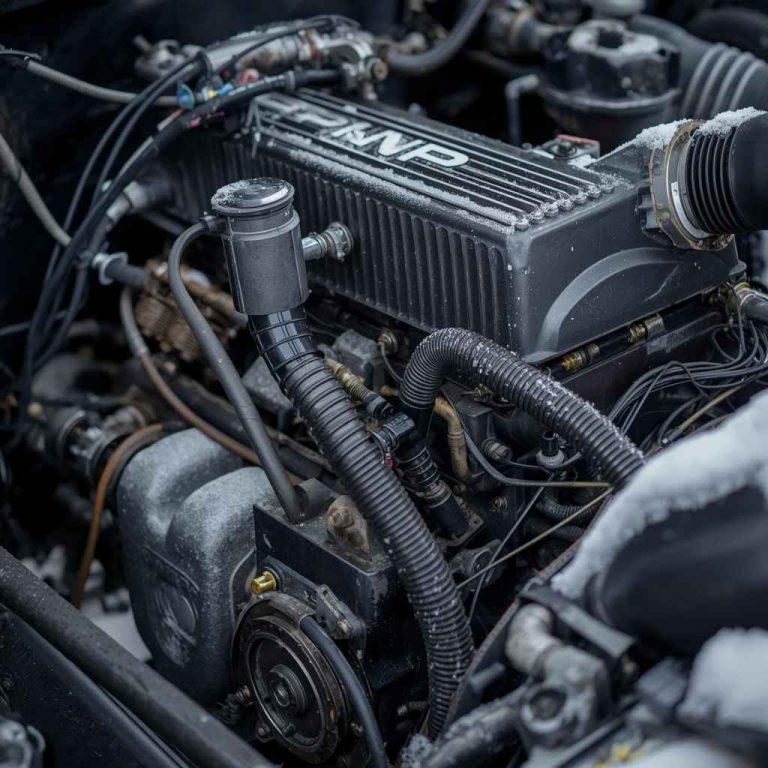
A block heater is a small electric device. It fits into the engine block or attaches to it. The heater warms the engine coolant or oil. This heat keeps the engine warm when the truck is off. It plugs into a normal electrical outlet. Block heaters are common in cold climates.
How Block Heaters Work
The block heater uses electricity to create heat. It warms the engine’s metal parts and fluids. This prevents the engine from getting too cold. A warm engine starts faster and runs smoother. The heater usually plugs into a 120-volt outlet. It is best to use it for a few hours before starting the truck.
Starting Truck With Plugged Block Heater
Starting a truck with the block heater still plugged in can be confusing. Many drivers wonder if this practice is safe or if it could cause damage. Understanding how block heaters work helps answer this question. Block heaters keep the engine warm in cold weather by heating the coolant or oil. This makes starting the engine easier and reduces wear. But what happens if you start the truck while the block heater stays plugged in?
Is It Safe To Start
Yes, it is generally safe to start your truck with the block heater plugged in. Most block heaters are designed to handle being powered on while the engine runs. The heater uses low voltage electricity and does not create a risk of electric shock or fire when starting the vehicle. Some trucks even have timers or automatic shut-off features to prevent overheating. Still, it is good practice to unplug the heater once the engine starts to save energy.
Potential Risks Involved
Keeping the block heater plugged in while the engine runs can cause minor risks. Continuous power to the heater can lead to unnecessary electricity use and higher bills. In rare cases, the heater element may wear out faster. If the cord is damaged or wet, there is a small risk of electric shock. Always inspect the cord and plug before use. Avoid starting the truck if the block heater shows signs of damage.
Benefits Of Using Block Heater
Using a block heater offers many benefits for truck owners, especially in cold weather. It helps prepare the engine before starting. This makes the truck run smoother and saves fuel. It also protects the engine from damage caused by cold starts. Let’s explore the main benefits of using a block heater.
Improved Engine Performance
A warm engine starts more easily. The block heater keeps engine parts warm. This reduces the stress on your truck’s engine. Warm oil flows better, helping parts move smoothly. Your truck runs better and feels stronger after a cold start.
Fuel Efficiency Gains
A cold engine uses more fuel. The block heater warms the engine before starting. This helps your truck use less fuel. You save money on gas and reduce harmful emissions. Fuel efficiency improves, especially in freezing temperatures.
Reduced Engine Wear
Cold starts cause more wear on engine parts. The block heater lowers this wear by warming the engine. It helps oil reach all parts faster. This protects your engine and extends its life. Fewer repairs and less maintenance follow cold winters.
Proper Usage Tips
Using a block heater correctly can save your truck’s engine in cold weather. Proper use helps the engine start easily and reduces wear. Follow these simple tips to use your block heater the right way.
When To Plug In
Plug in the block heater when temperatures drop below 20°F (-6°C). Cold weather makes engine oil thick and hard to move. Start plugging in a few hours before you want to drive. This warms the engine and fluids, making starting easier.
Recommended Duration
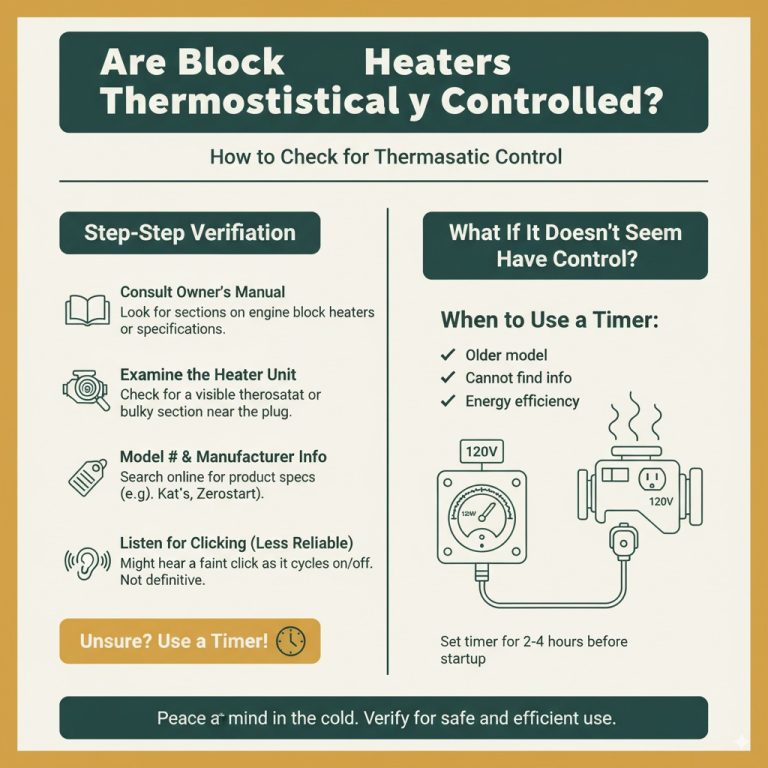
Keep the block heater on for 2 to 4 hours before starting your truck. Longer use does not improve warming much but wastes electricity. Using a timer helps control how long it stays on. This saves energy and still keeps your engine warm.
Safety Precautions
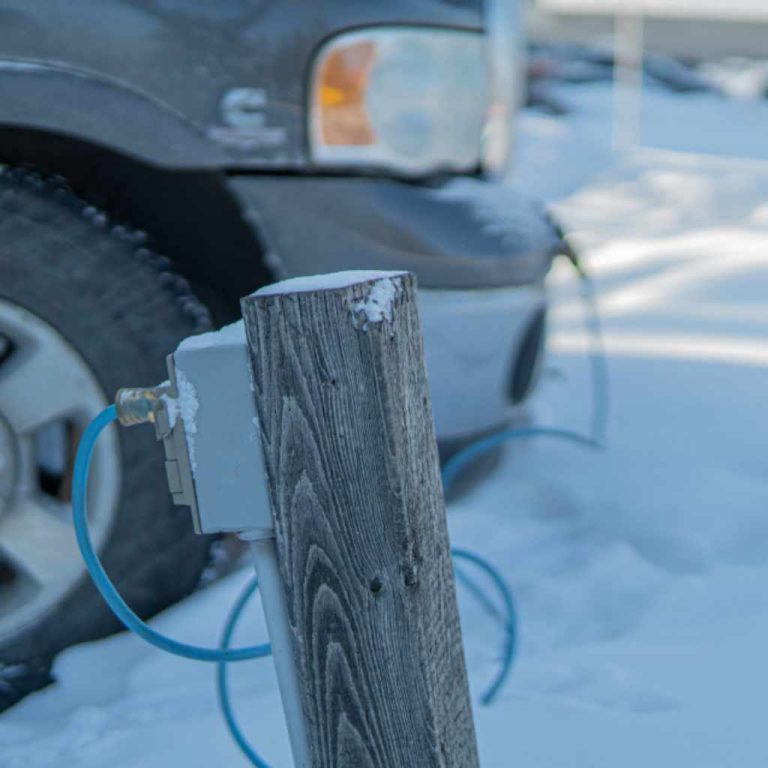
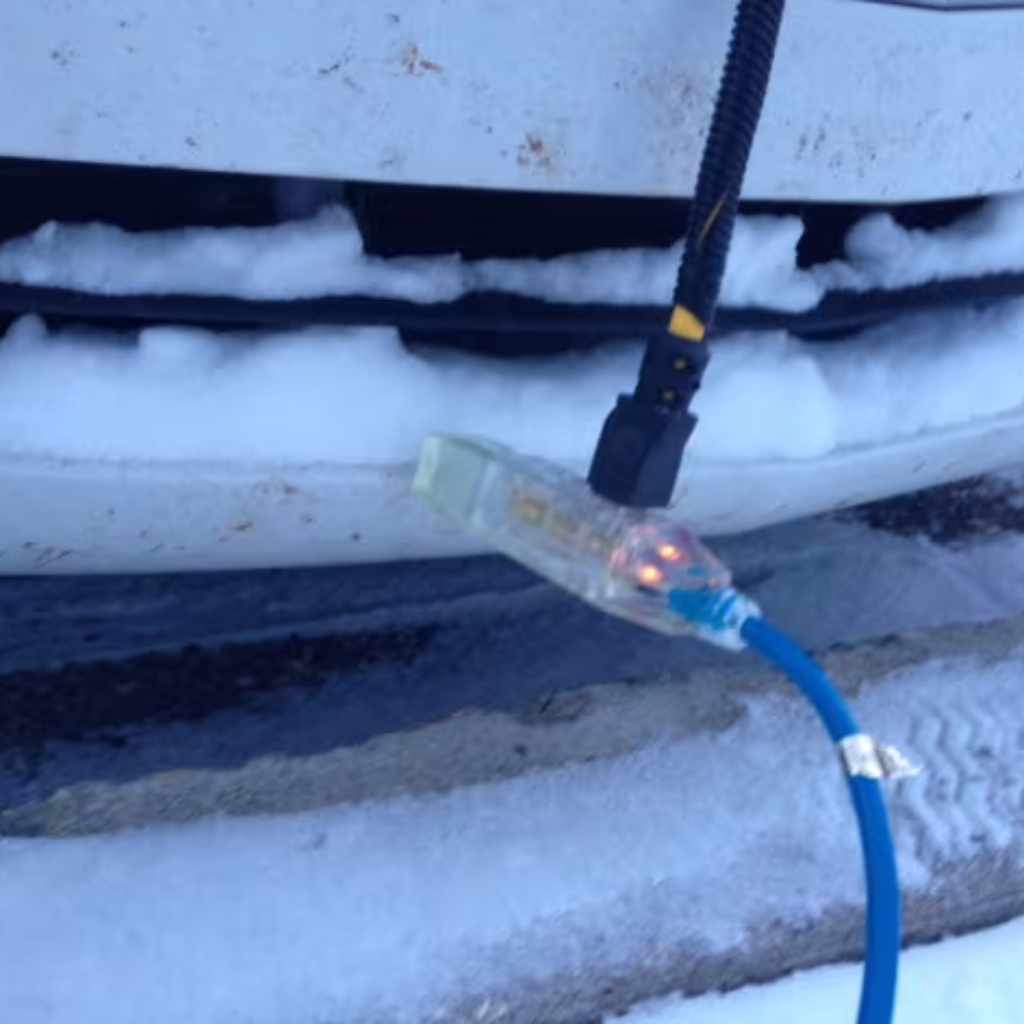
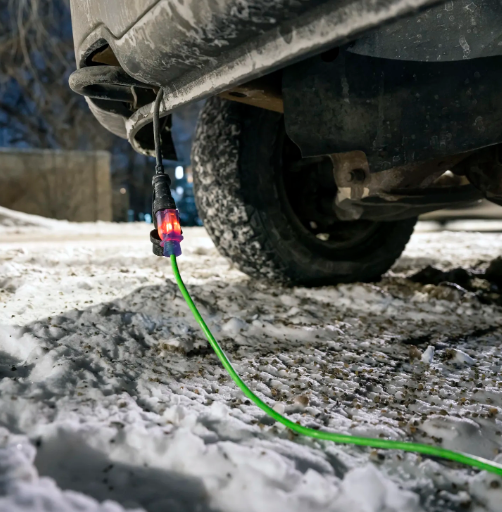
Check the cord and plug for damage before use. Do not use a block heater with frayed wires or exposed metal. Always plug into a grounded outlet to avoid shocks. Unplug the heater before driving to prevent damage and accidents.
Common Myths And Facts
Many people have questions about using a block heater and starting a truck. Some ideas about block heaters are not true. It is important to know the facts. This helps you use your truck safely and correctly. Understanding myths and facts about block heaters can save you time and money.
Let’s explore some common myths and clear facts about block heaters and starting trucks with them plugged in.
Myth: Starting Block Heater Causes Damage
Some believe starting a truck while the block heater is plugged in damages the engine. This is not true. Block heaters are made to stay plugged in during starting. They keep the engine warm and help it run smoothly in cold weather. Starting the engine with the heater on will not harm the truck.
Fact: It Can Help In Cold Weather
Block heaters make it easier to start your truck in freezing temperatures. They warm the engine block and oil. This reduces wear on engine parts during cold starts. Using a block heater saves fuel and lowers emissions. It also helps your truck start faster and run better in winter.
Troubleshooting Block Heater Issues
Troubleshooting block heater problems helps keep your truck starting smoothly. Block heaters warm the engine in cold weather. They prevent hard starts and reduce engine wear. Sometimes, block heaters stop working properly. Knowing how to spot and fix issues saves time and money.
Signs Of Malfunction
One sign is the engine not warming up as usual. The heater cord may feel cold after being plugged in. You might notice a burning smell or melted plugs. The engine may still be hard to start in cold weather. A blown fuse or tripped breaker can also cause problems.
Maintenance Tips
Check the power cord for cracks or damage regularly. Clean the plug and socket to ensure good contact. Test the heater before winter using a voltage meter. Unplug the heater when not in use to avoid electrical hazards. Replace any worn parts quickly to keep the heater working well.
Frequently Asked Questions
Can You Start A Truck With The Block Heater Plugged In?
Yes, you can start a truck while the block heater is plugged in. It keeps the engine warm, aiding smooth starts in cold weather. However, always follow your vehicle’s manual for safety guidelines.
Does Starting A Truck With Block Heater Damage The Engine?
Starting a truck with the block heater plugged in does not damage the engine. The heater prevents cold starts, reducing engine wear. It actually protects your engine in harsh weather conditions.
How Long Should A Block Heater Be Plugged In Before Starting?
Plug your block heater in for 2 to 4 hours before starting. This duration is enough to warm the engine for easy ignition. Overheating is unlikely but avoid extended plug-in times beyond 12 hours.
Is It Safe To Leave A Block Heater Plugged In Overnight?
Yes, it is generally safe to leave a block heater plugged in overnight. Modern block heaters are designed for prolonged use. However, using a timer can save energy and reduce electrical risks.
Conclusion
Starting your truck with the block heater plugged in is generally safe. It helps the engine warm up faster in cold weather. Just make sure the heater and cord are in good condition. Avoid using damaged or wet plugs to prevent risks.
Always follow the manufacturer’s instructions for your block heater. This simple step can make cold mornings easier and protect your engine. Stay safe and keep your truck ready for winter drives.