Can You Leave a Garage Heater On? Stay Safe and Warm
Thinking about using a garage heater can be a bit tricky! Many folks wonder, “Can You Leave a Garage Heater On? Safety Guide” because it seems simple, but safety is super important. There are a lot of details to consider like the type of heater, the ventilation in your garage, and what to do if you leave. Don’t worry, it’s not hard once you know the basics. This guide will break it all down step-by-step so you can use your garage heater safely. Next, we’ll start exploring the types of heaters and how they work.
For the safety side of the same topic, Garage Heaters: Safety and Selecting the Right One gives readers a useful next check before they use the heater.
Types of Garage Heaters: Choosing the Right One
Choosing the right garage heater is like picking the right tool for a job. There are several kinds, each with its own pros and cons. Knowing the differences between these heaters can drastically increase your safety. Factors to consider are the type of fuel used, the size of your garage, and the safety features each unit offers. Proper selection is critical to avoiding potential hazards and ensuring a comfortable environment. Always read the manufacturer’s instructions to select the most suitable heater for your garage.
Electric Heaters
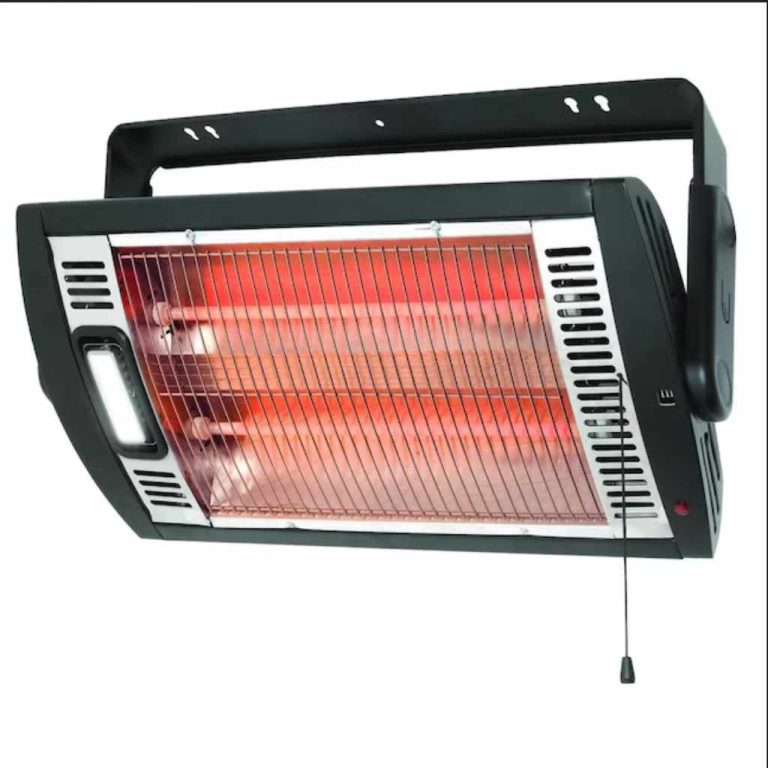
Electric heaters are a popular option because they’re generally easy to use. You simply plug them into an outlet, and they start heating. These heaters use electricity to warm up coils or elements, which then radiate heat. They’re usually compact and great for smaller garages or workshops. Their portability is also a plus, as you can easily move them around. Always check the electrical capacity to ensure the outlet can handle the heater’s power requirements to prevent overheating or fire hazards.
Plug-and-Play Simplicity: Electric heaters are ready to use right out of the box. They eliminate the need for fuel storage and exhaust systems. You can position them almost anywhere as long as an outlet is available.
Safety Features: Many electric heaters include features like automatic shut-off if they tip over, overheat protection, and cool-touch surfaces. These safety aspects are valuable, especially in environments where pets, kids, or clumsy adults might be present.
Cost Considerations: Electricity costs can add up, especially if you use the heater frequently. Consider the wattage of the heater and your local electricity rates when making a choice. Think about the long-term cost instead of just the initial purchase price.
Limited Heating Capacity: Electric heaters work better for spaces of moderate size. In very large garages, electric units might struggle to provide adequate heat, making other options better.
Propane Heaters
Propane heaters are a strong choice for people needing quick, powerful heating. They burn propane gas to create heat and are often used in larger garages or spaces without electrical outlets. However, they require careful handling and ventilation to prevent carbon monoxide poisoning and fire risks. Always ensure proper ventilation and understand the safety measures involved. Inspecting the heater and gas lines before each use is a smart move.
High Heating Power: Propane heaters generate a lot of heat very quickly. This makes them ideal for quickly warming up a large garage or shop.
Fuel Availability: Propane is usually easy to get and store in tanks. It’s a good option if you have an alternative fuel source.
Safety Concerns: Propane heaters produce combustion byproducts, including carbon monoxide. Adequate ventilation is essential to avoid health risks. Keep a carbon monoxide detector in the garage.
Maintenance: These heaters need regular checks and cleaning, including inspecting the fuel lines and burner. Ignoring these maintenance steps might result in inefficient operation and safety risks.
Natural Gas Heaters
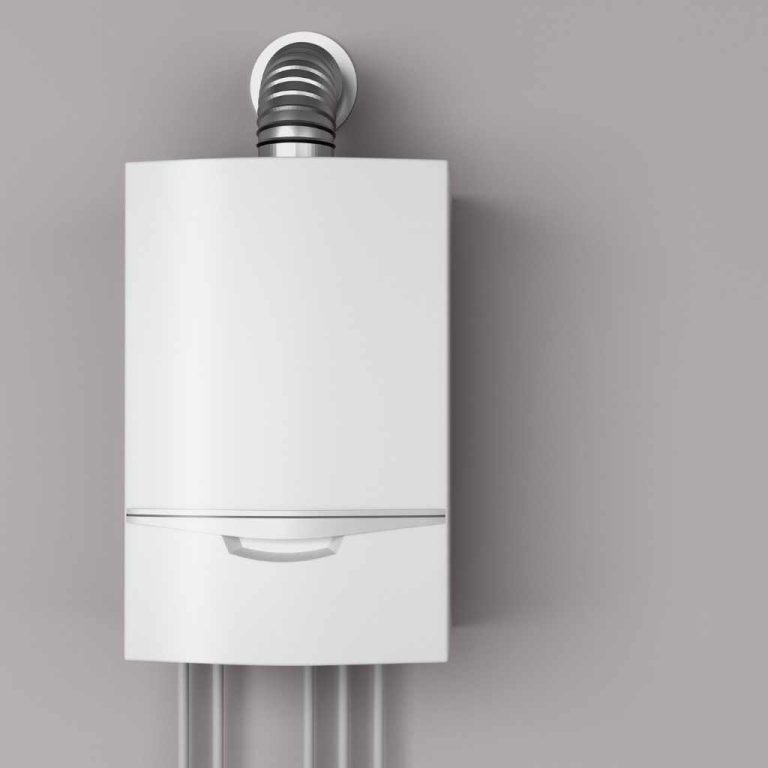
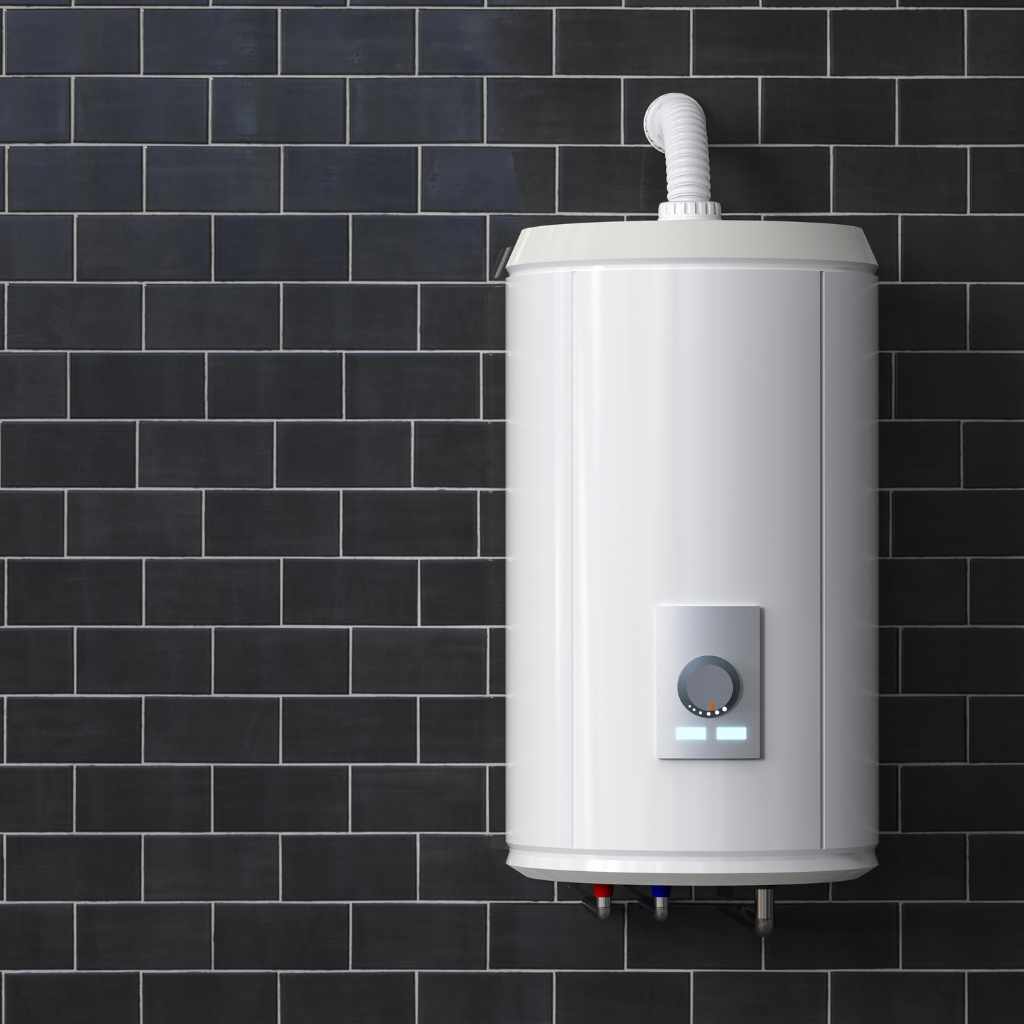
Natural gas heaters connect to your home’s gas line. They offer efficient heating and are great for places where a gas line is readily available. Natural gas is generally a cost-effective fuel source, offering a steady and reliable heat supply. Professional installation is generally required, adding to the initial expense. Make sure a qualified professional installs the heater, and always follow safety guidelines.
Efficient Heating: Natural gas heaters offer great and constant heat because they draw fuel from the home gas line. This provides consistent, even heat.
Cost-Effective: Natural gas is commonly cheaper than electricity or propane. Over time, this can mean significant savings.
Professional Installation: Unlike electric or propane, natural gas heaters require professional installation. This is important for safety and to make sure the unit works properly.
Safety Considerations: Like propane, natural gas heaters produce combustion byproducts. Proper ventilation is vital. A carbon monoxide detector is a must-have.
Safety First: Preventing Garage Heater Problems
Safety is the most important part of using a garage heater. It is important to prevent common issues and always prioritize safety over convenience. Following these tips will help prevent accidents and make your garage a safe space. Take the time to understand these safety measures, so you can enjoy the warmth without any worries. Garage heaters, used incorrectly, can lead to serious risks, including fires and carbon monoxide poisoning.
Ventilation Guidelines
Proper ventilation is not optional when using any type of garage heater that burns fuel. Without adequate ventilation, the levels of carbon monoxide (CO) can rise quickly. Even electric heaters need some ventilation to help circulate the air and prevent stuffiness. Make sure you understand how to ventilate your garage safely, based on the type of heater you have. Following these steps helps keep the air fresh and prevents dangerous gas buildup.
Open Windows and Doors: A simple step is to open a window or door slightly to let in fresh air and let out exhaust fumes. This improves air circulation.
Ventilation Systems: If you use a natural gas or propane heater, consider installing a ventilation system, like an exhaust fan. These fans help extract exhaust gases.
Avoid Sealed Environments: Never use a garage heater in a completely sealed garage. Fresh air circulation is vital.
Check for Blockages: Ensure vents and chimneys are free of obstructions. Any blockage can cause gases to build up.
Carbon Monoxide Detection
Carbon monoxide (CO) is a colorless, odorless gas that can be deadly. It is produced when fuels like propane or natural gas don’t burn completely. Always have a CO detector in your garage. You should test it regularly and make sure you know what to do if the alarm sounds. Your safety relies on these devices, especially with fuel-burning heaters.
Install CO Detectors: Install a carbon monoxide detector near the floor and near the ceiling of the garage, as CO can spread differently in the space.
Test Regularly: Test your CO detectors monthly. Replace the batteries as recommended by the manufacturer.
Understand the Signs: Know the signs of CO poisoning, such as headaches, nausea, dizziness, and confusion. If you experience these symptoms, get outside to fresh air and seek medical help.
Immediate Action: If the CO detector goes off, turn off the heater, open doors and windows, and leave the garage. Contact the fire department.
Fire Prevention Measures
Preventing fires is another key safety focus. Garage heaters, especially those that use fuel, can present a fire hazard. There are several precautions you can take to make your garage safer. By following these fire prevention tips, you can greatly reduce the chance of a fire and protect yourself, your family, and your property.
Keep Combustibles Away: Store flammable materials, such as gasoline, paint, and chemicals, away from the heater. Maintain a safe distance.
Regular Inspections: Inspect the heater and fuel lines frequently. Check for any damage or leaks.
Fire Extinguisher: Have a fire extinguisher nearby and know how to use it. A Class B fire extinguisher is often suitable for garage fires.
Avoid Overloading Outlets: When using electric heaters, make sure the electrical outlets are not overloaded. Avoid using extension cords unless absolutely needed.
Garage Heater Use Cases: Scenarios and Considerations
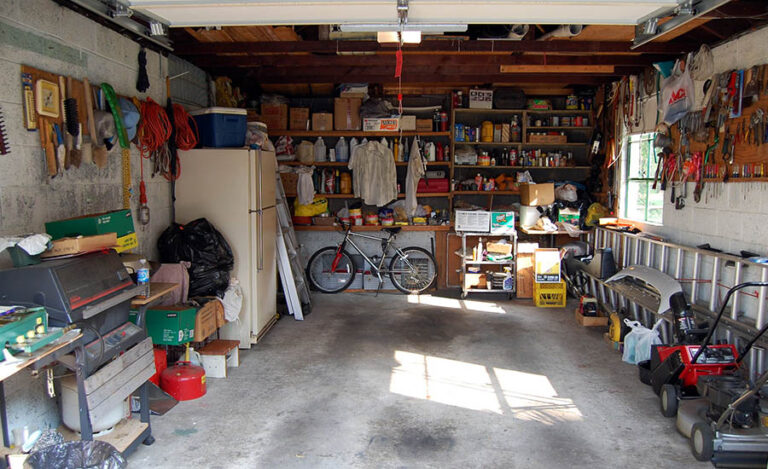
How you use a garage heater will depend on what you need it for. Different activities require varied approaches to safety and the best type of heater. Think about how you intend to use the garage and what types of potential hazards could be present. By considering these use cases, you can better select and operate a garage heater safely and efficiently. Remember, your safety depends on using the heater in the right way for the right situation.
Working on Cars or Projects
If you use your garage for automotive work or for creative projects, you’ll need a heater to make the space comfortable. It is vital to use the heater properly and choose a model that is appropriate for your activities. Proper temperature control and safety measures will help enhance your comfort while avoiding potential hazards. This can allow you to enjoy your projects throughout the year.
Choose the Right Heater: For projects, consider an electric or a propane heater with good safety features. Electric heaters are a good starting point if you only need occasional heat.
Ventilation: Always ensure good ventilation, especially if you’re working with paints, solvents, or fuel. Open doors and windows or use an exhaust fan.
Fire Safety: Remove all flammable materials from the area near the heater. Keep a fire extinguisher close at hand.
Winter Car Storage
If you store your car in the garage for the winter, a garage heater can prevent potential issues, like frozen fluids or difficulty starting the engine. You’ll need to select a heater that provides enough heat without posing a hazard. Proper temperature control prevents problems and keeps your vehicle safe during the cold season. Following these guidelines will give you peace of mind.
Low Setting: Set the heater on a low setting to maintain a constant temperature above freezing. This prevents frozen engine fluids.
Ventilation: Ensure minimal ventilation. The goal is to keep the space warm, not to let out all the heat.
Safety Check: Check the heater regularly for any issues. Make sure no flammable materials are close to it.
General Workshop Use
A garage can function as a home workshop where various activities happen. If you use your garage as a workshop, you’ll need a heater that can handle a range of tasks. You must balance the comfort needed for working with the safety measures required for different activities. This will help you get the most out of your garage as a workshop, even in winter.
Heater Selection: Choose a heater based on the garage size and your power needs. Electric heaters are often suitable for smaller spaces. Propane or natural gas can be better for larger workshops.
Ventilation: Always open windows when working with substances that produce fumes or have dust. Good air circulation is crucial.
Safety Measures: Keep flammable materials away from the heater. Wear appropriate safety gear. Have a fire extinguisher handy.
Can You Leave a Garage Heater On Overnight?
Deciding if you can leave a garage heater on overnight is one of the most important safety questions. It comes down to understanding the risks and taking the right precautions. The answer varies depending on the type of heater you use, how well ventilated your garage is, and the safety features built into your heater. Before leaving a garage heater on for a long period, consider these key aspects to reduce potential dangers.
Electric Heater Overnight Use
Leaving an electric heater on overnight has less risk compared to fuel-burning heaters, but still needs caution. Electric heaters generally have built-in safety features like automatic shut-off if they tip over or overheat. However, several things need to be considered. By following these guidelines, you can safely use your electric heater overnight and reduce the risk of accidents.
Automatic Shut-Off Features: Ensure your heater has a tip-over switch and overheat protection. This feature will turn off the heater if it gets too hot or falls over.
Check the Outlet: Make certain the electrical outlet is in good shape and can handle the heater’s power requirements. Old or faulty outlets can be a fire risk.
Clear Surroundings: Make sure there’s nothing near the heater that could catch fire, such as curtains, papers, or other materials.
Regular Inspections: Regularly inspect the heater cord for any damage. Replace it if you find any issues.
Fuel-Burning Heater Overnight Use
Leaving a fuel-burning heater on overnight requires extreme caution. These heaters pose a bigger risk than electric ones because they produce carbon monoxide. You should only do this if you are fully aware of all the dangers and take every possible safety precaution. Fuel-burning heaters include propane and natural gas heaters. The risks involve fire hazards and the deadly risk of CO poisoning.
Carbon Monoxide Detector: Always have a working carbon monoxide detector installed and tested regularly. This is a must-have, not an option.
Excellent Ventilation: Ensure excellent ventilation by leaving a window or door partially open. Sufficient airflow is necessary to avoid a dangerous buildup of exhaust fumes.
Regular Maintenance: Make sure the heater is regularly checked and maintained. This will guarantee that it’s working efficiently and securely.
Constant Monitoring: Ideally, the heater should be in a location where you can check it. If the heater makes unusual sounds or has any issues, turn it off immediately.
Overnight Heater Safety Checklist
Before you leave your garage heater on overnight, it’s wise to review a safety checklist to make sure all is well. This checklist makes sure that you’ve covered all the important safety measures, whether you’re using an electric or fuel-burning heater. Following these guidelines helps keep your garage safe and provides peace of mind. Taking these steps is always a great choice.
Heater Type: Verify that you understand the safety guidelines for your particular type of heater. Each type presents different challenges.
Ventilation Check: Make sure the garage is ventilated. A slightly open window or door can offer the fresh air needed to avoid a buildup of exhaust fumes.
CO Detector: Ensure your carbon monoxide detector is in good working order and has fresh batteries.
Fire Safety: Ensure that all flammable materials are away from the heater. Have a fire extinguisher nearby.
Visual Inspection: Check the heater for any visible problems, such as damage or leaks.
Frequently Asked Questions
Question: Is it safe to use a garage heater?
Answer: Yes, using a garage heater is safe if you follow all safety guidelines. Make sure you use the right type of heater, provide proper ventilation, and regularly inspect your equipment.
Question: What is the most dangerous type of garage heater?
Answer: Fuel-burning heaters (propane and natural gas) are usually considered the most dangerous because they produce carbon monoxide, which can be deadly. However, electric heaters can be dangerous if they overheat or if the wiring is faulty.
Question: How often should I test my carbon monoxide detector?
Answer: You should test your carbon monoxide detector at least once a month. Replace the batteries as often as the manufacturer recommends. Always make sure the detector is working correctly.
Question: What do I do if my carbon monoxide detector goes off?
Answer: If your carbon monoxide detector goes off, turn off the heater immediately, open doors and windows, and leave the garage. Then, call the fire department.
Question: Can I use an extension cord with my garage heater?
Answer: Generally, it’s safer not to use an extension cord with a garage heater. If you have to use one, ensure it’s a heavy-duty cord designed for high-wattage appliances and it is rated for outdoor use.
Final Thoughts
Keeping your garage warm and toasty is achievable when you are careful. By considering the different types of heaters and the safety steps described in this Can You Leave a Garage Heater On? Safety Guide, you can create a warm, usable space without risking your well-being. Knowing the pros and cons of each heater type, along with crucial safety measures such as ventilation, carbon monoxide detection, and fire prevention, will allow you to make smart choices.
The crucial rule is to always prioritize safety when operating any garage heater. Remember that regular maintenance and inspections will keep your heater working safely and efficiently. Use the tips, guidelines, and checklists described here, and you can enjoy a warm garage space with peace of mind. Staying informed and following safety precautions are the best ways to ensure a warm and safe environment.