Can You Use Patio Heaters in a Garage: Safety Tips
Imagine stepping into your garage on a chilly day, hoping to tinker with your favorite project or simply escape for a moment of solitude, only to be met with a frigid air that sends you right back inside. We’ve all been there, and it’s far from fun.
But what if there was a simple solution that could transform your garage into a cozy retreat, regardless of the weather outside? If you’ve ever wondered whether you can use a patio heater in your garage, you’re not alone. Many are searching for ways to make their garages more comfortable during the colder months.
This curiosity often leads to questions about safety, efficiency, and practicality. We’ll uncover the truth about using patio heaters in a garage setting, ensuring you have all the information you need to make your space not only warm but also safe and inviting. Get ready to discover how you can reclaim your garage as a warm haven throughout the year.
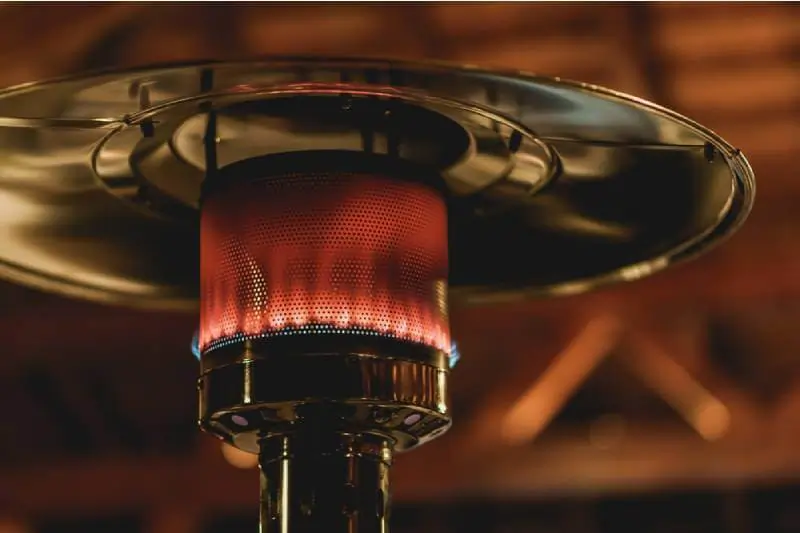
Credit: www.gasoutdoorpatioheaters.com
Safety Considerations
Garages often lack proper ventilation. Fresh air is important with patio heaters. Air flowprevents harmful buildup. Ensure windows or vents are open. This keeps air cleanand safe to breathe.
Patio heaters can pose fire risks. Keep heaters away from flammable items. Safe distanceis important. Never place heaters near gasoline or paper. Watch for heater damage. Broken heaters can cause fires.
Patio heaters may emit carbon monoxide. This gas is dangerous. It can cause serious harm. Ensure good ventilation at all times. Carbon monoxide detectors are helpful. They alert if gas levels rise.

Credit: www.bromic.com
Types Of Patio Heaters
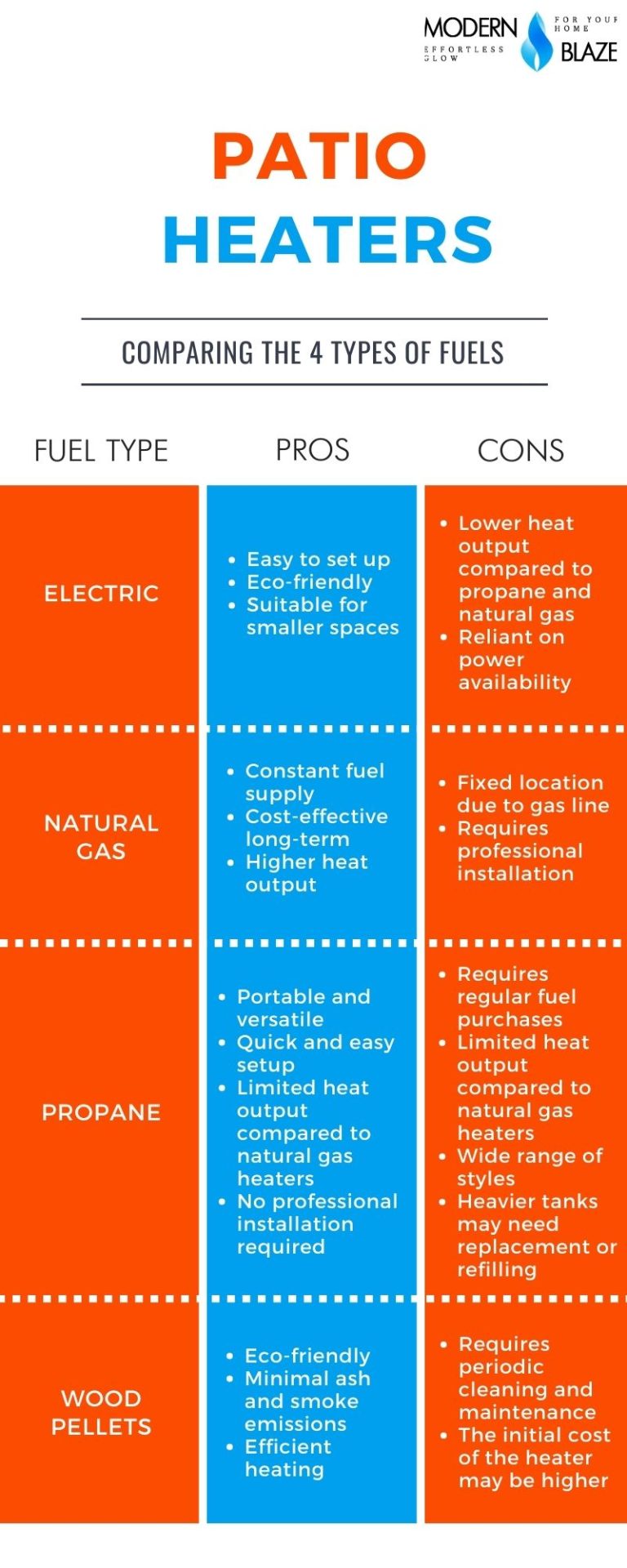
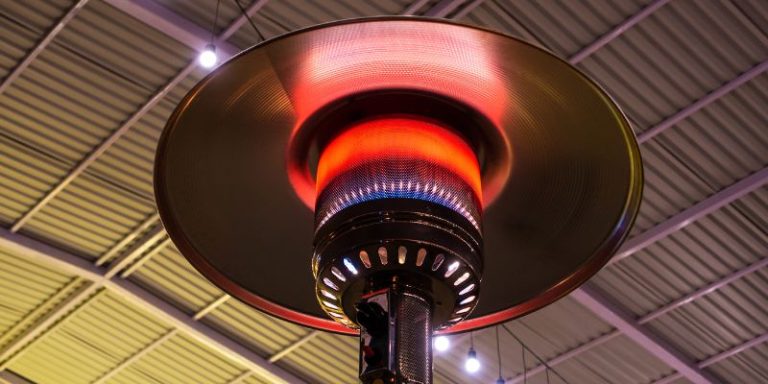
Gas heaters are popular. They use propane or natural gas. They heat spaces quickly. They are great for large areas. Sometimes, they need ventilation. Ventilation keeps air safe. The flame in gas heaters can be strong. Always keep them safe from flammable things. Gas heaters are usually portable. You can move them easily.
Electric heaters are easy to use. They plug into a socket. No need for gas or fire. Electric heaters are safe indoors. They heat small areas well. They are usually compact. Electric heaters can be wall-mounted. They are simple to maintain. Just plug and go.
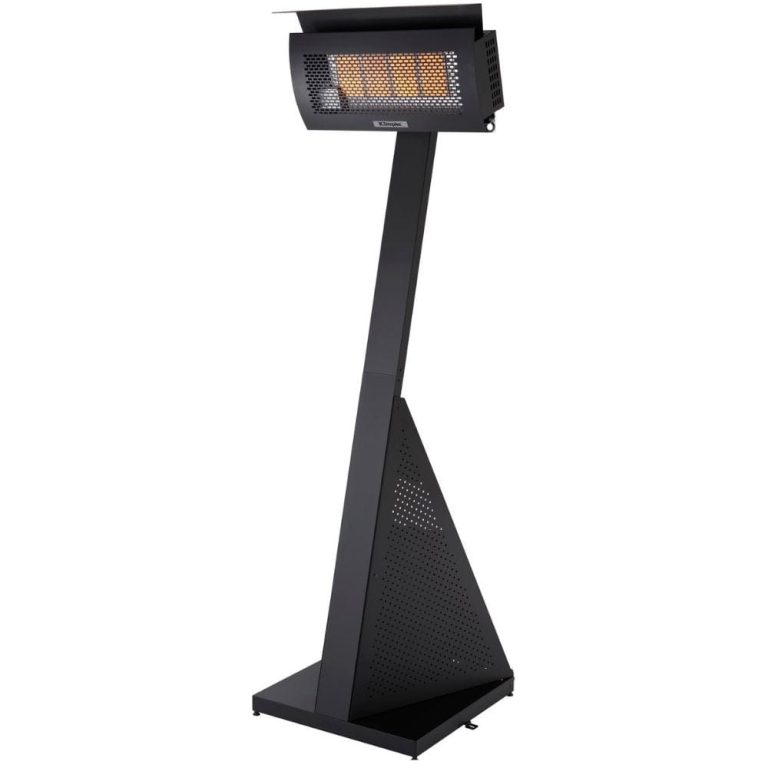
Infrared heaters use special rays. They warm objects, not air. They are efficient. Infrared heaters are quiet. They don’t make noise. They save energy. Infrared heaters are good for small spaces. They focus heat on people. They are often sleek in design. Infrared heaters don’t dry the air.
Installation Tips
Place patio heaters in a central spot for even warmth. Avoid corners; they trap heat. Open spaces allow better heat flow. Keep at least 3 feet from walls. This helps reduce risk and improves safety.
Maintain a safe distance from flammable items. Store gasoline and cleaning products away. At least 5 feet is ideal. This prevents accidents. Check for loose papers or fabrics. These catch fire easily.
Secure your heater on stable surfaces. Use brackets or clamps. They keep the heater steady. Ensure firm installation to avoid tipping. Test the setup by shaking gently. A stable mount enhances safety.
Maintenance Practices
Check your patio heater often. Look for any damage. Ensure all parts are working. Listen for strange noises. Inspect the fuel connections. Ensure they are tight and safe. Regular checks help keep your heater safe.
Clean the heater with a soft cloth. Use mild soap and water. Avoid using harsh chemicals. Wipe away dust and dirt. Keep the burner free of debris. A clean heater works better and lasts longer.
Replace worn out parts quickly. Buy original parts for best fit. Check the manual for instructions. Always turn off the heater first. Replace broken knobs or parts. This keeps your heater working well.
Alternative Heating Solutions
Patio heaters can warm a garage, offering a cozy atmosphere during cold months. Ensuring proper ventilation is key to safety. These heaters provide efficient heating without needing major installations, making them a practical choice for garage spaces.
Portable Electric Heaters
Portable electric heaters are easy to move. They provide instant warmth. Some models have adjustable thermostats. You can choose the heat level you want. Safety features protect from overheating. These heaters are perfect for small spaces. Consider energy-efficient models to save power.
Radiant Floor Heating
Radiant floor heating warms the floor directly. It’s hidden under the floor surface. This system provides even heatthroughout the room. No cold spots exist with this heating. Installation can be expensive. It’s a long-term solution for warmth.
Insulation Improvements
Good insulation keeps heat in. It prevents cold air from entering. Insulating walls, roofs, and floors is vital. It reduces energy costs. Use high-quality materialsfor better results. Insulation improvements increase the overall comfort of the space. Proper insulation is a smart choice for any garage.

Credit: www.reddit.com
Frequently Asked Questions
Can I Use My Patio Heater In The Garage?
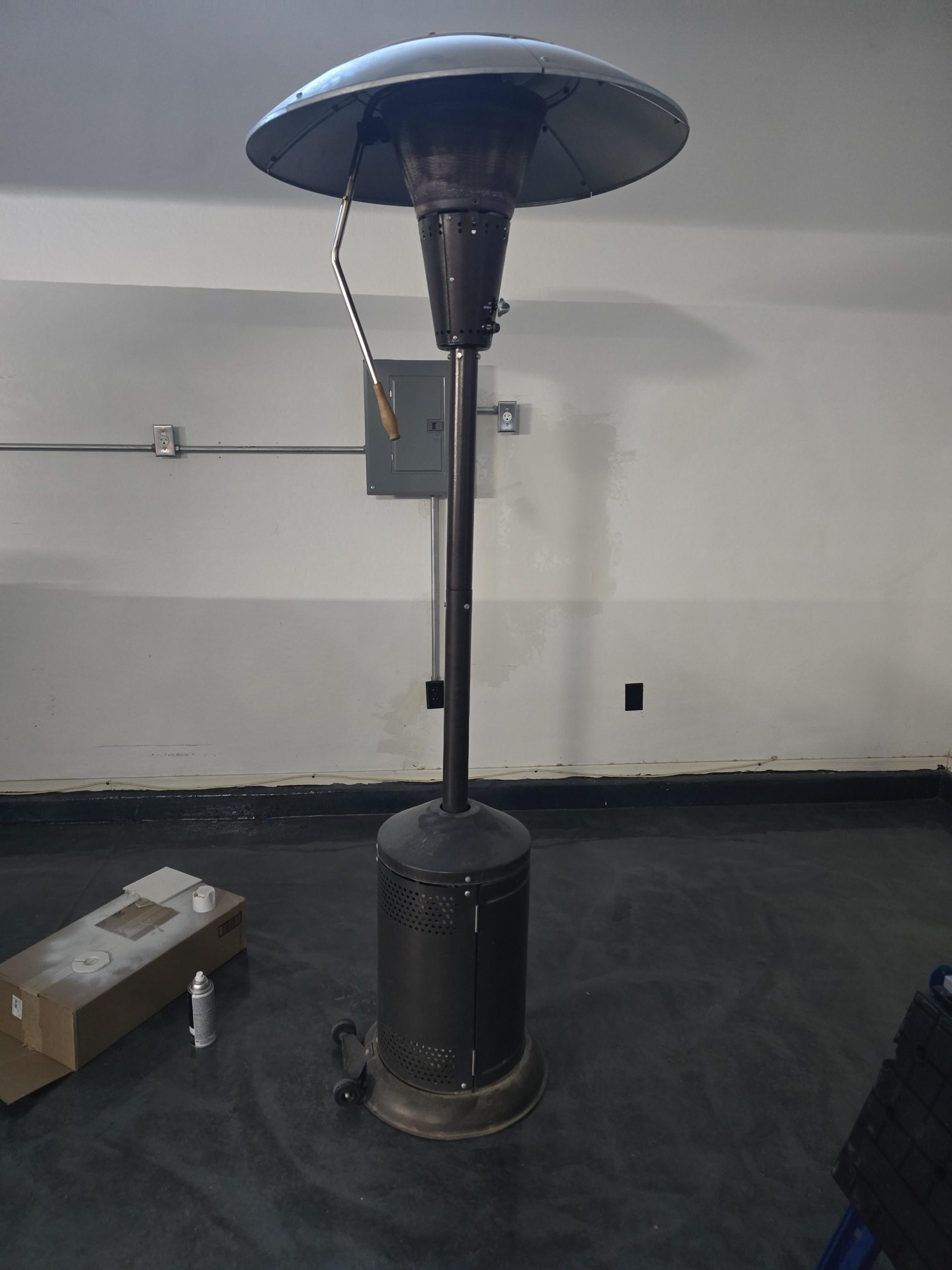
Using a patio heater in the garage is unsafe due to poor ventilation. It can lead to carbon monoxide buildup, posing serious health risks. Always prioritize safety by using heaters specifically designed for indoor spaces. Ensure proper ventilation to avoid hazards and maintain a safe environment.
How Much Ventilation Do I Need For A Propane Heater In My Garage?
Ensure proper ventilation for a propane heater by having two air vents. One vent should be near the ceiling for exhaust, and another near the floor for fresh air intake. This setup prevents carbon monoxide buildup and ensures safety. Always follow the manufacturer’s guidelines for specific ventilation requirements.
Where Should You Not Use A Patio Heater?
Avoid using a patio heater indoors or in enclosed spaces. Ensure proper ventilation to prevent carbon monoxide buildup. Keep heaters away from flammable materials, such as curtains or furniture. Do not use on wooden decks without protection. Avoid using during windy conditions to prevent tipping.
Is It Okay To Run A Propane Heater In A Garage?
Running a propane heater in a garage is safe with proper ventilation. Ensure the area is well-ventilated to prevent carbon monoxide buildup. Follow the manufacturer’s instructions for safe operation. Regularly inspect the heater and propane tanks for leaks. Prioritize safety to avoid hazards.
Conclusion
Using patio heaters in a garage requires caution. Safety is key. Proper ventilation is essential to prevent hazards. Choose heaters designed for indoor use. Avoid using propane heaters without good airflow. Electric heaters are a safer choice. Always follow the manufacturer’s instructions.
Keep flammable items away from heat sources. Regularly check for gas leaks if using gas heaters. Remember, safety measures ensure comfort and warmth. Your garage can be cozy and safe. Enjoy your heated space responsibly.