
Last winter, my old heater gave up during a snowy night, leaving me shivering in my cozy Ohio home. I needed a new one fast, so I dove into the world of ceramic heaters vs convector heaters. It was like choosing between a warm hug or a steady breeze! This article will help you pick the right heater for your home. I’ll explain what each heater does, compare them with easy examples, share tips from my chilly adventures, and answer common questions. Whether you’re a beginner or a heating pro, you’ll find simple, practical advice to stay toasty.
What Are Ceramic Heaters and Convector Heaters?
Heaters keep us warm, but ceramic and convector heaters work differently. A ceramic heater uses a ceramic plate that gets hot when electricity runs through it. A fan blows warm air out, like a hair dryer. It’s great for quick heat in small spaces, like your bedroom or office.
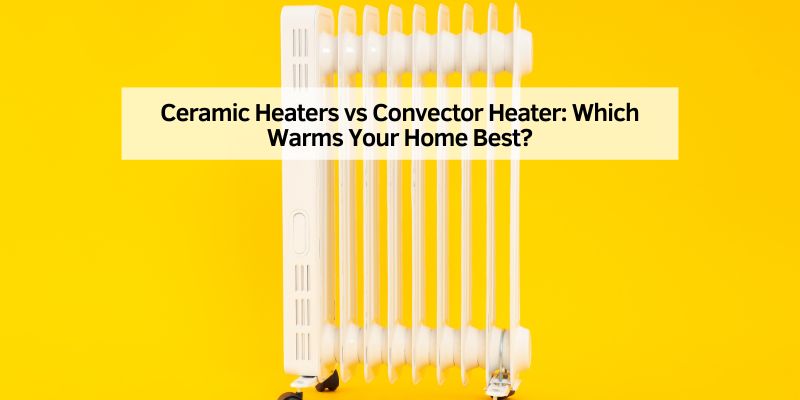
A convector heater warms air that passes over a heating element, like coils or oil-filled panels. The warm air rises, and cool air takes its place, creating a cycle. It’s perfect for bigger rooms, like a living room, because it spreads heat evenly.
Both are electric and safe, with no flames or gas. But each has its own strengths, like picking between a fast sprint or a steady jog.
How Do Ceramic Heaters Work?
Ceramic heaters are simple and speedy. Electricity heats a ceramic plate, which is a special material that holds heat well. A fan pushes the warm air into the room. It’s like turning on a warm breeze! They heat up fast, often in minutes, and are great for small spaces.
I used a ceramic heater in my home office last winter. It sat on my desk, warming my hands while I worked. It was a lifesaver during Zoom calls! But they can be noisy, like a soft hum, so keep that in mind for quiet spaces.
Benefits of Ceramic Heaters
- Fast heat: Warms up in minutes, no waiting.
- Safe design: Ceramic plates don’t get red-hot, reducing fire risks.
- Energy saver: Uses less power for small areas.
Drawbacks of Ceramic Heaters
- Noisy fan: Can hum or buzz, not great for sleep.
- Small reach: Best for one spot, not big rooms.

How Do Convector Heaters Work?
Convector heaters use air movement to warm a room. They heat a coil or oil inside, which warms the air around it. The hot air rises, and cool air flows in to replace it, like a natural cycle. It’s like warming your whole room with a gentle wave of heat.
I tried a convector heater in my living room. It took a bit to warm up, but soon the whole space felt cozy. They’re quiet, which is awesome for movie nights, but they need more time to heat big areas.
Benefits of Convector Heaters
- Even heat: Warms a whole room, no cold spots.
- Quiet operation: No loud fans, perfect for relaxing.
- Long-lasting: Oil-filled models stay warm after turning off.
Drawbacks of Convector Heaters
- Slow start: Takes longer to feel warm.
- Bigger size: Can take up more space than ceramic heaters.
Comparing Ceramic Heaters vs Convector Heater
Choosing between ceramic and convector heaters depends on your needs. Here’s a simple comparison to help you decide.
| Feature | Ceramic Heater | Convector Heater |
|---|---|---|
| Speed | Heats in minutes | Takes 10-20 minutes |
| Room Size | Small (bedroom, office) | Medium to large (living room) |
| Noise | Fan can be noisy | Very quiet |
| Energy Use | Low for small areas | Higher for big rooms |
| Price | $20-$70 | $50-$200 |
Caption: A quick look at how ceramic and convector heaters compare for home use.
Example Scenario: Heating Your Space
Imagine you’re in a small apartment bedroom (100 sq ft). A ceramic heater, like the Lasko Ceramic Heater, can warm it up fast while you read or study. It’s portable, so you can move it to your desk or bed. But if you’re heating a 300 sq ft living room for family game night, a convector heater, like a DeLonghi Convector, will spread heat evenly without blowing cold air on your snacks!
Tips for Choosing the Right Heater
Here are some easy tips to pick the best heater for you:
- Check room size: Measure your space. Ceramic heaters work for under 150 sq ft; convectors are better for over 200 sq ft.
- Think about noise: If you need quiet, go for a convector. For quick heat, a ceramic heater’s hum might be okay.
- Look for safety: Pick heaters with tip-over switches or overheat protection, especially with kids or pets.
- Save energy: Use a timer to turn off heaters when not needed, like when you’re asleep.
I learned this the hard way when my first ceramic heater tipped over (thankfully, it had a safety switch!). Always place heaters on flat surfaces to avoid accidents.
Cost-Saving Ideas and Common Mistakes
Heaters can save money compared to central heating, but you need to use them wisely. A ceramic heater in my office costs about 10 cents per hour at 1500W, while a convector in a big room might cost 20 cents per hour. Check your electricity rate to estimate costs.
Common Mistakes to Avoid
- Wrong size: Don’t use a ceramic heater for a huge room; it’ll run nonstop and waste energy.
- Blocking vents: Keep furniture away from heaters to let air flow freely.
- No timer: Forgetting to turn off heaters spikes your bill. A smart plug, like a TP-Link Kasa, can help.
Cost-Saving Tips
- Use a ceramic heater for quick bursts in small spaces.
- Set convector heaters to a lower temperature to maintain warmth.
- Insulate windows with curtains to trap heat, saving energy.
| Cost Factor | Ceramic Heater | Convector Heater |
|---|---|---|
| Wattage | 600-1500W | 1000-2000W |
| Hourly Cost (15¢/kWh) | 9-22¢ | 15-30¢ |
| Best Use | Short bursts | Long-term heating |
Caption: Compare running costs to save money on your electric bill.
Safety Advice for Using Heaters
Safety is key with any heater. Both ceramic and convector heaters are safer than gas or flame heaters, but you still need to be careful. Here are my go-to safety tips:
- Keep space clear: Leave 3 feet around heaters to avoid fires.
- Check cords: Look for frayed wires before plugging in.
- Use timers: Turn off heaters when you leave the room.
I once left a heater too close to a curtain—yikes! Luckily, nothing caught fire, but it taught me to double-check placement. For more safety tips, check the U.S. Consumer Product Safety Commission.
Visual Ideas for Better Understanding
To make this easier, imagine these visuals (not included):
- Diagram of heat flow: Show arrows for ceramic heaters blowing warm air and convector heaters cycling air up and down.
- Room size chart: A simple graphic comparing room sizes (small, medium, large) with heater types.
- Safety checklist: A fun cartoon of a heater with “do’s and don’ts” like keeping it away from curtains.
These visuals would make it a piece of cake to pick the right heater!
My Personal Insights from Using Both Heaters
I’ve used both heaters, and each has its charm. My ceramic heater is like a quick-fix friend—plug it in, and my chilly office feels cozy in minutes. But its fan noise can be annoying during calls. My convector heater, on the other hand, is like a quiet buddy who warms my living room slowly but surely. It’s perfect for lazy Sundays with a book. If you want fast heat, go ceramic. For steady warmth, convector is your pick. Test both if you can, like I did, to find your favorite!
Frequently Asked Questions
What’s the main difference between ceramic and convector heaters?
Ceramic heaters use a fan to blow hot air from a ceramic plate, heating small spaces fast. Convector heaters cycle warm air naturally, great for larger rooms with even heat.
Are ceramic heaters cheaper to run?
Yes, for small spaces, ceramic heaters use less power (600-1500W) than convectors (1000-2000W), saving a few cents per hour. Check your electric bill to confirm.
Can I leave a heater on all night?
It’s not ideal, but safer with heaters that have auto shut-off or timers. Ceramic heaters are better for short bursts; convectors can run longer if needed.
Which heater is quieter?
Convector heaters are nearly silent, great for bedrooms. Ceramic heaters have fans, which make a soft hum, so they’re better for active spaces.
Are these heaters safe for kids or pets?
Both are safe with features like tip-over switches and overheat protection. Keep them out of reach and on flat surfaces to avoid accidents.
How do I know what size heater to buy?
Measure your room’s square footage. Ceramic heaters suit spaces under 150 sq ft; convectors work for 200 sq ft or more. Check the heater’s box for details.
Can I use both heaters together?
Yes, but it’s overkill for small spaces. Use a ceramic heater for quick warmth and a convector for steady heat in larger rooms to save energy.
Wrapping Up: Stay Warm and Cozy!
Ceramic heaters vs convector heaters is like choosing between a quick snack or a full meal. Ceramic heaters are fast and great for small spots, while convector heaters warm bigger rooms evenly. Try a ceramic heater for your desk or a convector for family movie nights. Check your room size, think about noise, and always stay safe with timers and clear spaces. Have fun picking your heater, and let me know in the comments which one keeps you toasty! For more heating tips, visit Energy.gov or Consumer Reports.